



English Fine Art Oil
English fine art oil paintings span centuries of portraiture and landscape, capturing sitters and scenery through the skilled application of oil paint.
English Fine Art Oil
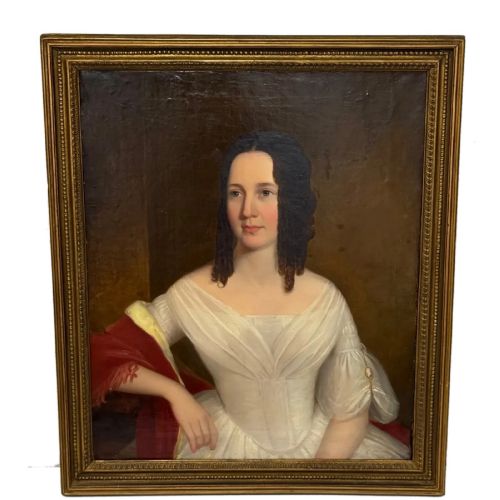
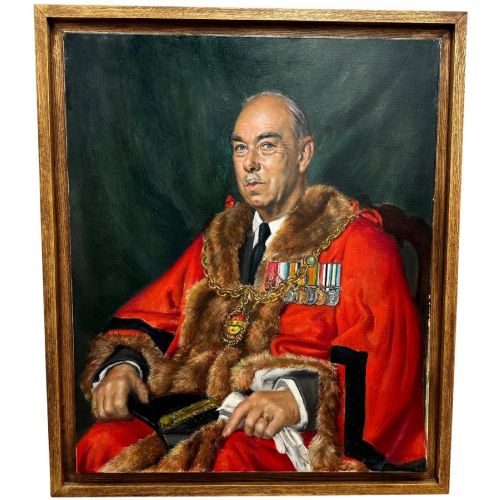
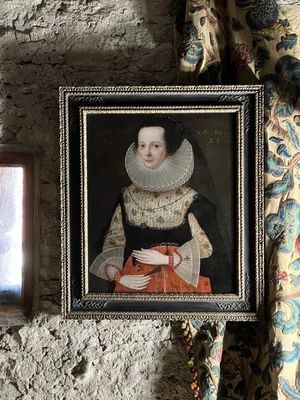
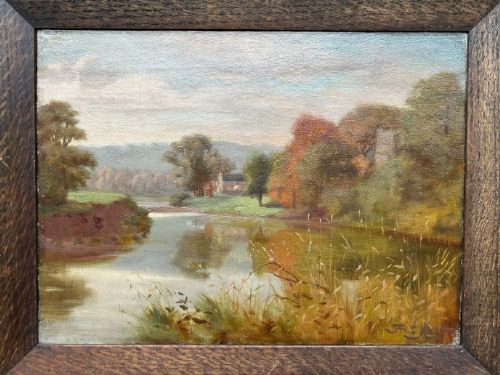
When searching for English fine art oil works, a buyer encounters a rich tradition of portraiture and landscape painting spanning the seventeenth century through to the mid-twentieth century.
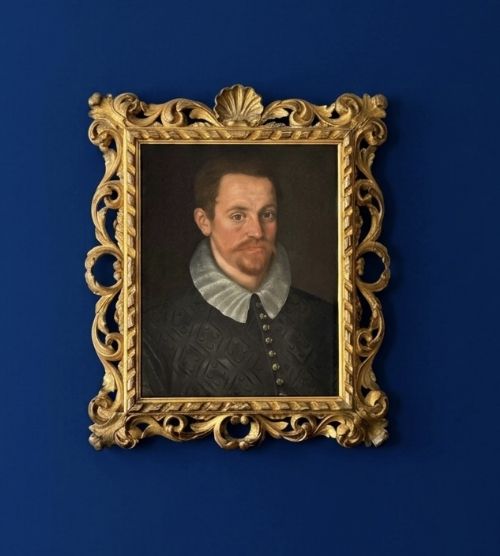
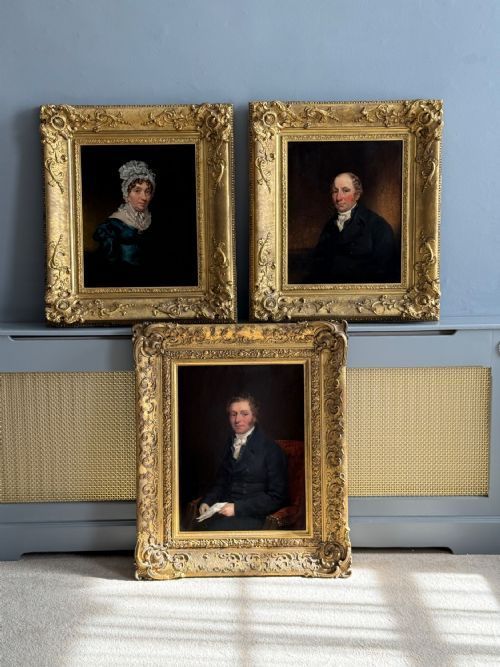
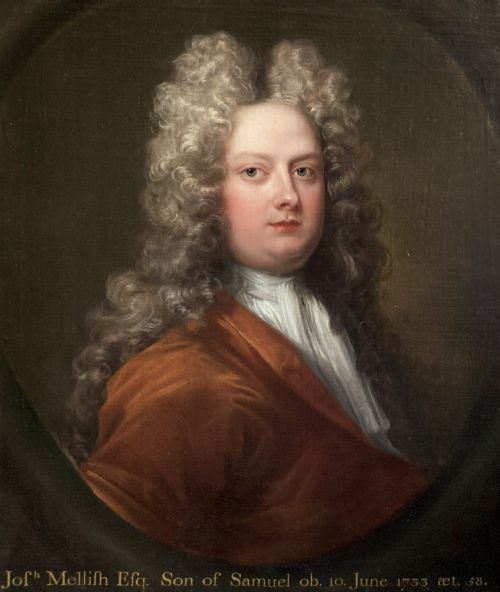
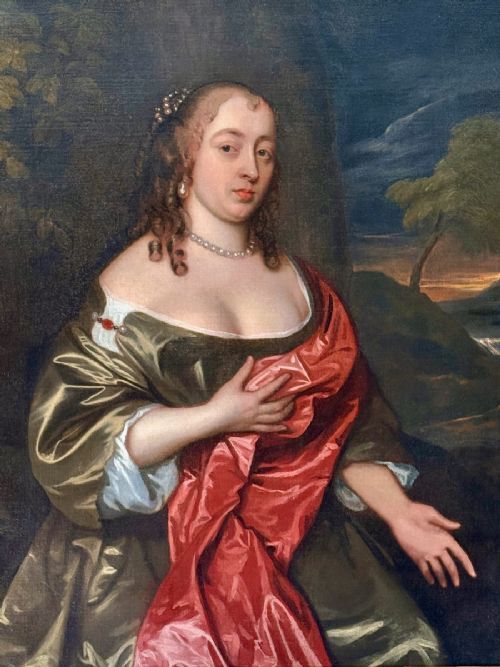
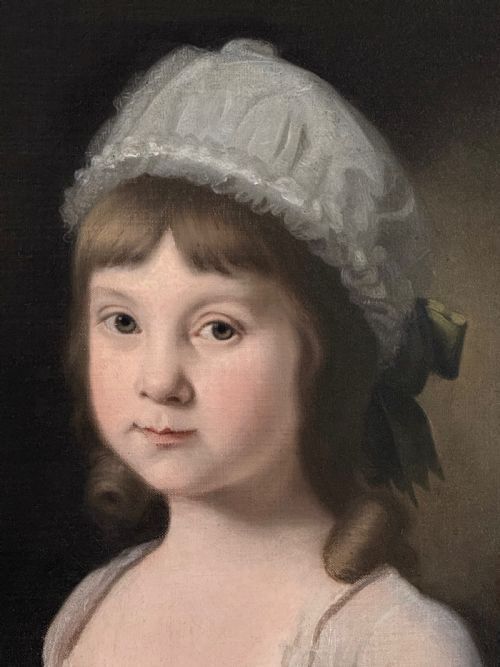
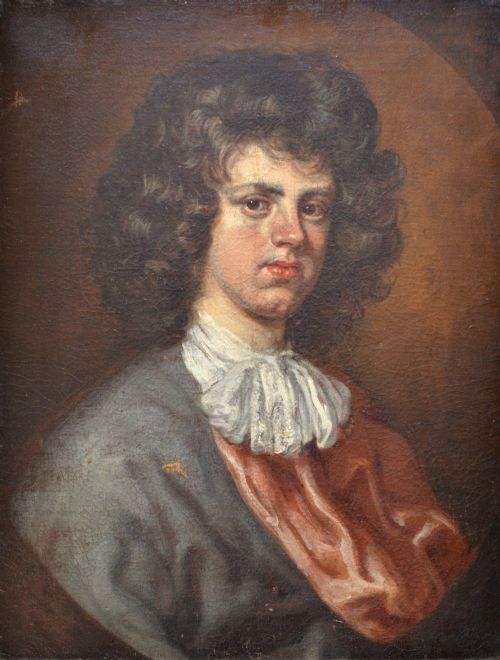
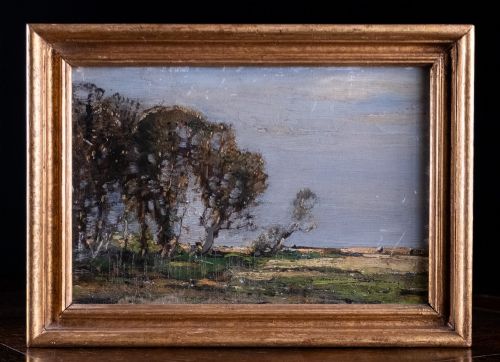
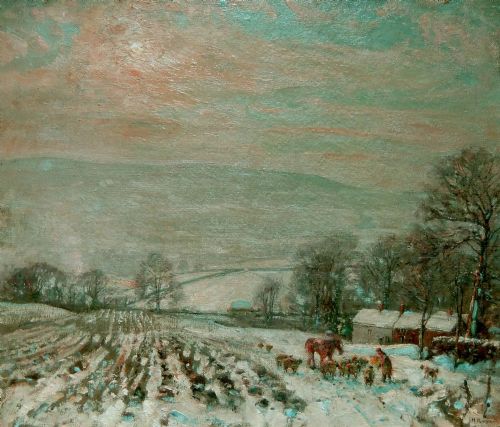
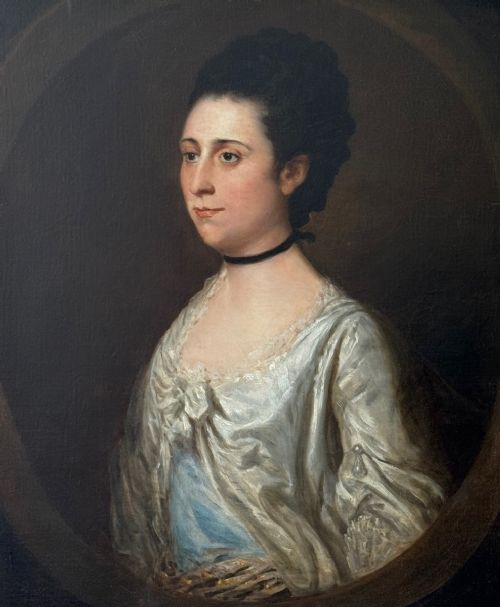
The most common examples on this page are oil paintings on canvas or panel, often depicting notable individuals, noblewomen, gentlemen, or rural British scenery.
Pieces range from seventeenth-century Baroque and Jacobean portraits to Victorian and twentieth-century landscapes, showcasing stylistic evolutions across diverse periods.
Materials and Technique
Artists built these works using oil paint applied to woven canvas, wooden panels, or board, sometimes framed in carved giltwood decorated with gold leaf.
Techniques varied from the fine brushwork of seventeenth-century court painters to the looser applications seen in later British impressionism and landscape schools.
Listings feature works spanning the seventeenth century to 1950, utilising oil on canvas, wood, and giltwood.
Evaluating Quality
Quality rests in the precision of the brushwork, the anatomical accuracy of portrait subjects, and the atmospheric depth captured in landscapes.
Works attributed to established masters or significant contemporary circles typically demonstrate superior handling of light, shadow, and texture compared to anonymous school pieces.
Charles Jervas·John Hayls·Joseph Clover·Joshua Reynolds·Mary Beale·Thomas Beach·Thomas Lawrence·John Greenhill·Cornelius Johnson
The English Fine Art Oil Glossary
- Oil on Canvas
- Pigment mixed with drying oil applied to a stretched woven fabric support. This method became the primary support for portraits and landscapes from the seventeenth century onward.
- Giltwood
- Wood carved and coated with gold leaf or metallic powder. This material frequently frames historic paintings.
- Baroque
- An artistic style characterised by dramatic movement, rich detail, and deep contrast between light and shadow. It heavily influences seventeenth-century portraiture.
- Panel Painting
- Artwork created on a flat wooden board rather than canvas. These supports are particularly common in earlier works.
English Fine Art Oil: Frequently Asked Questions
What periods do these paintings cover?
The selection includes works from the seventeenth century through to the mid-twentieth century, encompassing Jacobean, Georgian, Regency, and Victorian eras.
Individual pieces reflect the prevailing aesthetic and portraiture conventions of their respective decades.
How should I hang an oil painting?
Historic oil paintings require stable environments away from direct sunlight, high humidity, and extreme temperature fluctuations.
Ensure wall fixings adequately support the combined weight of the canvas and its original giltwood frame.
What is the difference between canvas and panel?
Canvas consists of woven fabric stretched over a wooden frame, allowing for textured brushwork and large compositions.
Panel paintings utilise rigid wooden boards, which were frequently favoured for smaller or earlier works.
How do I identify a portrait sitter?
Sitters are often identified through inscriptions on the reverse of the canvas, historic documentation, or accompanying biographical records.
Attire, heraldry, and accessories can also offer clues regarding the social status and identity of the individual.