


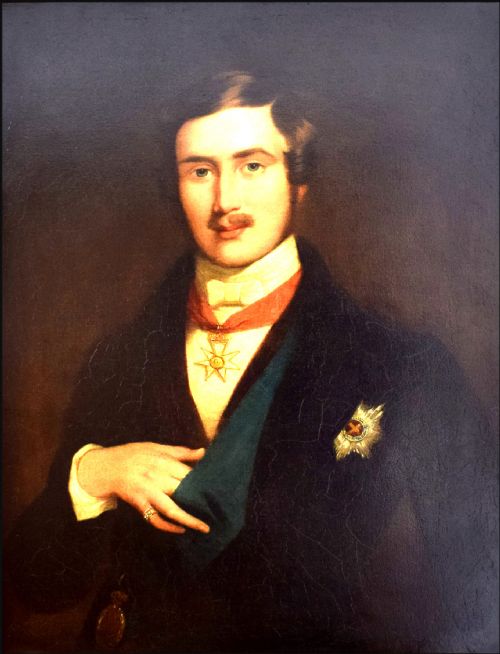


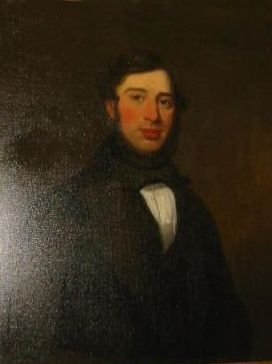
Black Coat Male Portrait
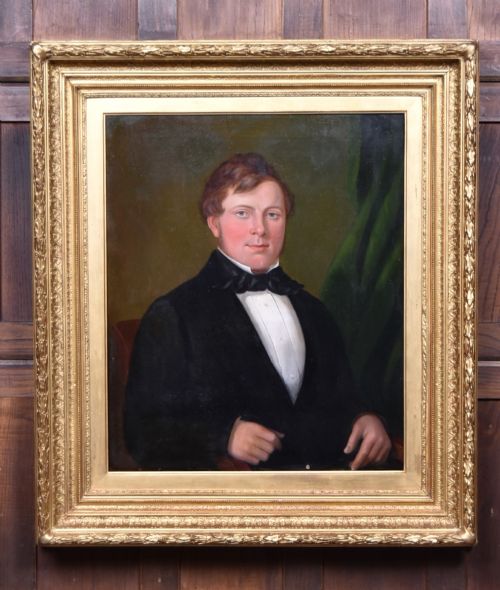
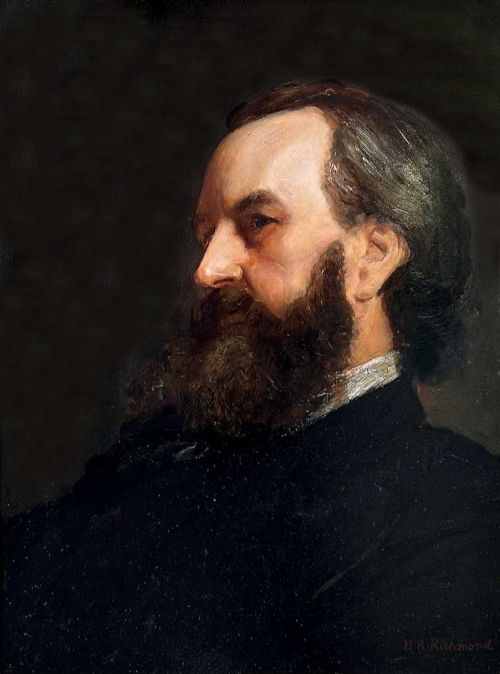
A black coat male portrait delivers the sober formality and distinct presence of past centuries through oil on canvas.
Black Coat Male Portrait
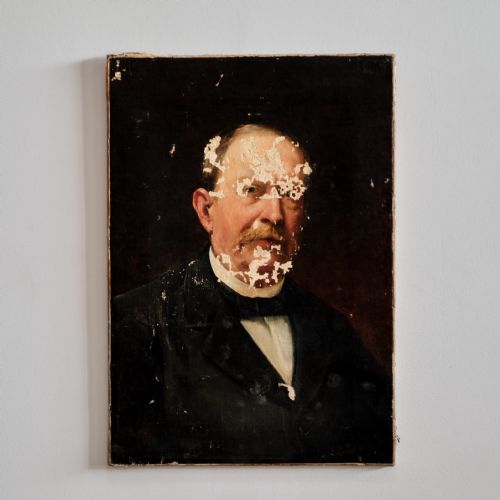
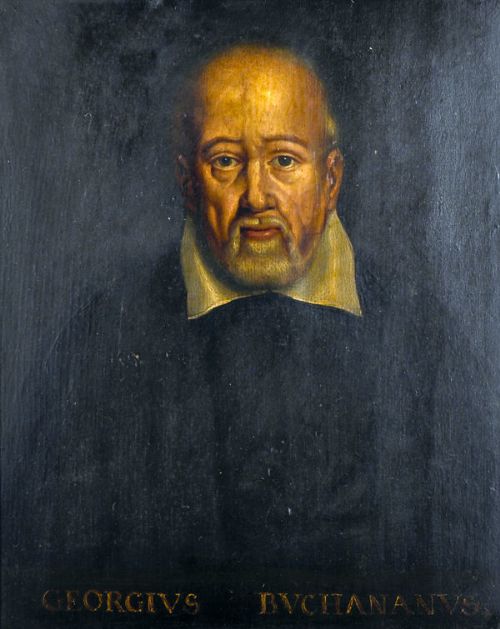
A black coat male portrait captures gentlemen, scholars, and public figures primarily through oil paint on canvas panels spanning the sixteenth to the nineteenth centuries. These works record historical attire ranging from heavy Renaissance doublets to tailored Victorian coats.
The pieces on this page lean heavily toward nineteenth-century British and English school examples, alongside select eighteenth-century and sixteenth-century compositions. Portrait paintings and fine art oil works form the core of the available selections.
Materials and construction methods
Artists built these works using oil paint applied to stretched canvas surfaces, often supported by wooden stretcher frames. Many period pieces incorporate gesso and plaster preparation layers beneath the pigment.
Framing frequently involves wood ornamented with gold leaf gilding, complementing the dark tones of the subjects' garments. These traditional materials dictated the durable physical structure of historical oil paintings.
Listings feature periods ranging from the 16th century through the 19th century, utilising canvas, wood, gold leaf, and gesso.
Distinctions in craftsmanship and condition
Quality separates through the precision of facial rendering and the handling of fabric texture within the dark garments. Master portraitists capture individual likeness and personality despite the restricted palette of a black coat.
Physical preservation also marks the tier of a piece, distinguishing untouched surfaces from distressed examples with significant paint loss or canvas wear. The depth of the portraitist's training, whether through the English School or continental traditions, guides the overall execution.
Rudolph Lehmann·Frans Pourbus the Elder·Sir William Charles Ross·Robrt Ker Porter
The Black Coat Male Portrait Glossary
- Oil on Canvas
- A painting medium utilising pigments bound with drying oils applied to a woven fabric support. This combination allowed artists to achieve rich tones and smooth blending.
- Gesso
- A white paint mixture consisting of a binder mixed with chalk, gypsum, or pigment used to prepare wood or canvas surfaces. It provides a stable base for oil paint application.
- Gold Leaf
- Gold beaten into extremely thin sheets used for gilding picture frames and highlighting decorative elements. It adds luminosity around dark painted compositions.
- English School
- A stylistic grouping representing painters working within England across various centuries. It includes distinct traditions in portraiture and landscape.
Black Coat Male Portrait: Frequently Asked Questions
How do I date a black coat male portrait?
Dating relies primarily on the cut of the clothing, the hairstyle of the sitter, and the style of the frame. Collar shapes and coat styles shifted noticeably between the sixteenth, eighteenth, and nineteenth centuries.
Material analysis of the canvas and underlying gesso provides further chronological clues. Examining brushwork techniques and any recorded attribution helps narrow the period of creation.
Where should I hang an oil portrait?
Display these works away from direct sunlight and significant moisture fluctuations to protect the canvas and oil paint. Stable indoor environments preserve both the structural integrity of the wood stretcher and the stability of the paint layers.
Positioning the painting at eye level in a room with controlled lighting allows the dark tones of the coat to be appreciated properly. Traditional frames pair well with both period and contemporary interior settings.
What subjects appear in these portraits?
The sitters include gentlemen, politicians, poets, administrators, and historical figures of note. Many portraits record specific individuals such as prime ministers or prominent local squires.
Other works represent unidentified sitters painted by regional British or American schools. Each canvas preserves the social standing and self-presentation of the portrayed era.
How do I care for antique canvas paintings?
Dust the surface very gently with a soft, dry brush to prevent particulate buildup on the oil paint. Avoid using chemical cleaners, water, or damp cloths directly on the canvas.
Professional conservators should handle any structural repairs, canvas tension adjustments, or cleaning of darkened varnish layers. Regular environmental monitoring prevents most forms of age-related degradation.