






English Delft Pottery
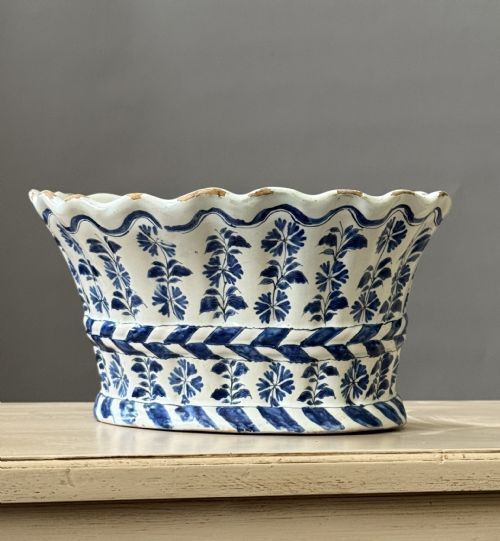
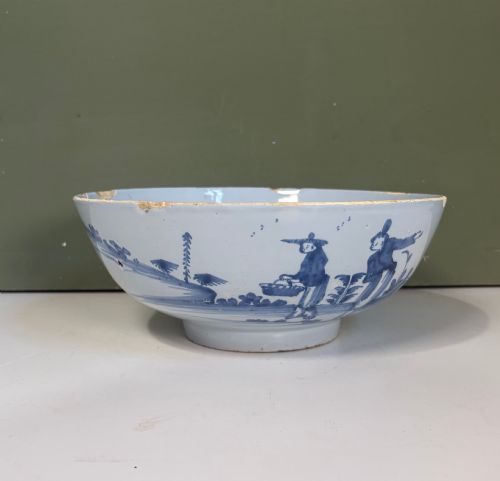
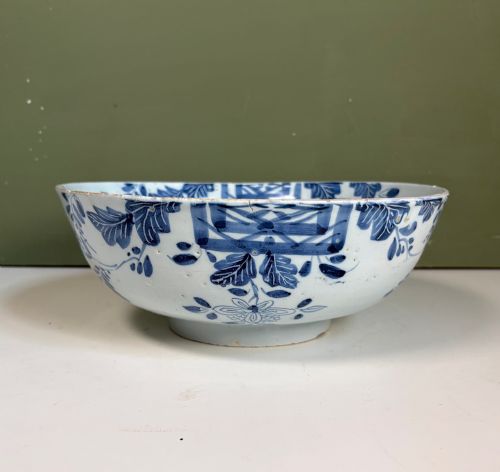
English delft pottery brings tin-glazed earthenware into interiors through 17th and 18th-century bowls, chargers, and posset pots.
English Delft Pottery
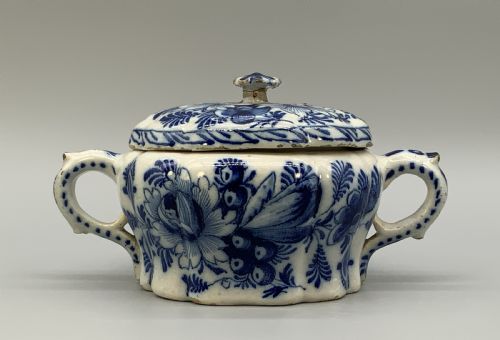
English delft pottery covers tin-glazed earthenware objects spanning the 17th century, the 18th century, and around 1800. The forms encountered most frequently on this page include decorative plates, chargers, bowls, and posset pots.
The selection ranges from early 17th-century pieces to mid-18th-century items decorated in blue and white or polychrome palettes. Styles stretch from 17th-century English designs to Georgian chinoiserie and Queen Anne periods.
Buyers look for functional and decorative domestic ceramics that reveal the hand of the decorator through tin glaze and cobalt pigment. Plates, dishes, and planters represent the primary domestic objects preserved from these periods.
How They Were Made
Potters formed objects from clay and earthenware bodies before applying a tin glaze that created an opaque white surface for painting. Cobalt oxide and cobalt pigment provided the characteristic blue tones seen across the wares.
Decorators applied pigments directly onto the unfired or raw tin glaze, requiring steady brushwork because the porous surface absorbed the colour instantly. Polychrome examples incorporated additional mineral pigments alongside cobalt to achieve multi-coloured pictorial effects.
English Delft Pottery Retail Price Guide 2026
Typical asking prices for english delft pottery among the pieces listed under this phrase on Sellingantiques today, from the lower quarter to the upper quarter. They describe what is for sale here now, not the wider market.
Listings feature tin-glazed earthenware and ceramic forms including chargers, posset pots, and planters spanning the 17th and 18th centuries.
What Varies in Quality
Quality rests upon the crispness of the hand-painted decoration, particularly how cleanly the cobalt pigment or polychrome palette sits on the tin glaze. Early posset pots and large chargers display greater ambition in scale and pictorial composition than standard domestic plates.
The smoothness of the tin glaze and the control shown during firing distinguish finer domestic bowls and plates from simpler utilitarian vessels. Greater visual clarity in Georgian chinoiserie or floral motifs marks the work of more accomplished potters and painters.
The English Delft Pottery Glossary
- Tin-Glazed Earthenware
- Pottery fired with a lead glaze made opaque by the addition of tin oxide. This surface provided a white ground for painted decoration.
- Posset Pot
- A two-handled vessel with a spout and lid used for serving a traditional hot drink of spiced and curdled milk mixed with wine or ale.
- Charger
- A large decorative plate intended for display on a sideboard or wall rather than for everyday dining.
- Polychrome
- Decoration employing several distinct colours rather than a single pigment like blue and white.
- Chinoiserie
- European decorative style reflecting Chinese artistic motifs and landscapes, popular during the Georgian period.
English Delft Pottery: Frequently Asked Questions
What is english delft pottery?
English delft pottery is tin-glazed earthenware produced in England during the 17th and 18th centuries. Makers shaped local clay into domestic objects like bowls, plates, and chargers.
Painters decorated these ceramic pieces using cobalt pigment and other mineral colours, often drawing on floral designs or Georgian chinoiserie motifs.
How were posset pots used?
Posset pots held a warm, spiced drink made from milk curdled with wine or ale during the 17th and 18th centuries. Guests drank from the spouts or shared the contents during communal gatherings.
These vessels feature lids and handles, marking them out as special domestic items used on celebratory occasions.
How do I date english delft?
Dating relies on stylistic clues, vessel forms, and the specific composition of the tin glaze and pigments. 17th-century pieces often take the form of posset pots with distinct floral faience painting.
Eighteenth-century examples tend to include chargers, blue and white plates, and polychrome Lambeth wares produced around 1740 to 1760.
What is a delft charger?
A charger is a large decorative plate designed to be hung on a wall or displayed on a dresser. These earthenware pieces measure larger than standard dining plates.
Decorators utilised the broad surface of the charger to paint detailed landscapes, portraits, or Georgian chinoiserie scenes in blue and white or polychrome colours.