

English Countryside Oil Canvas
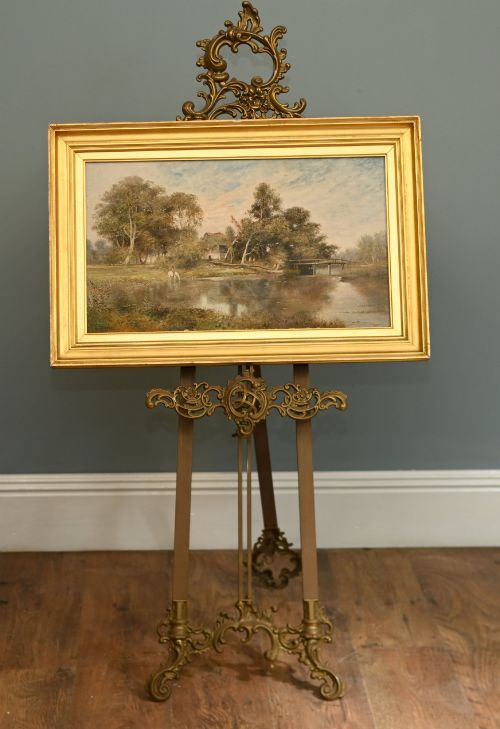
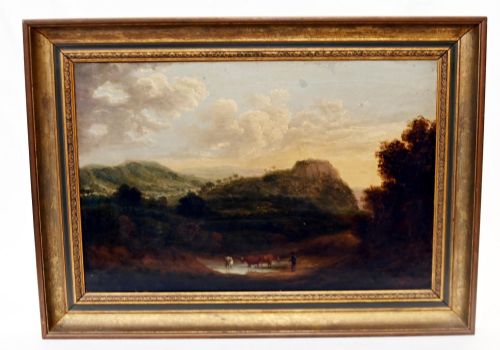
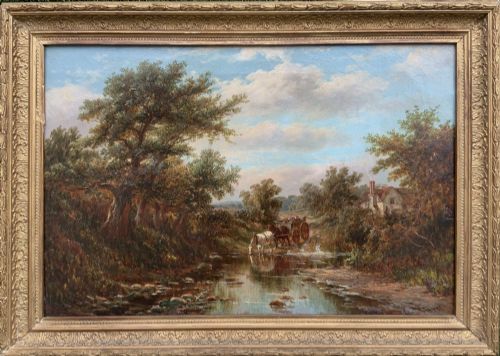
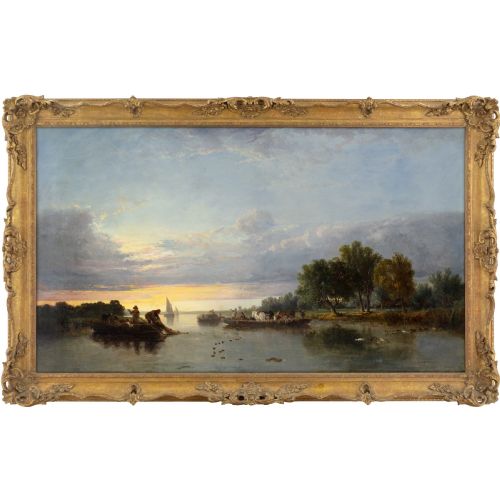
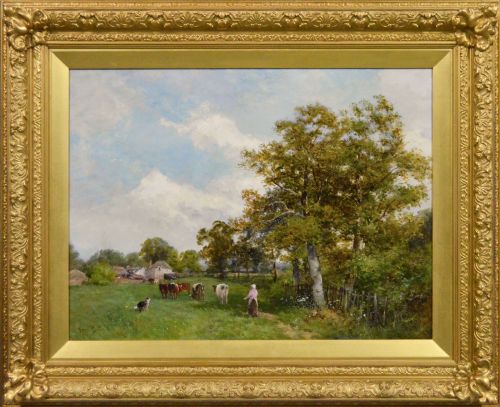
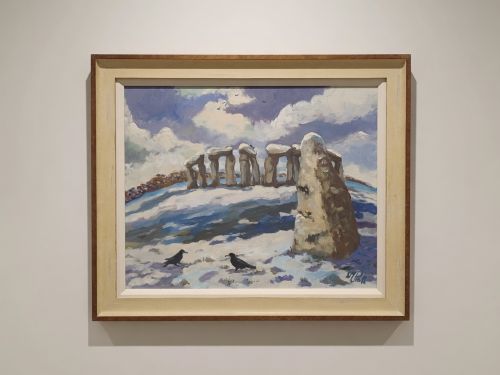
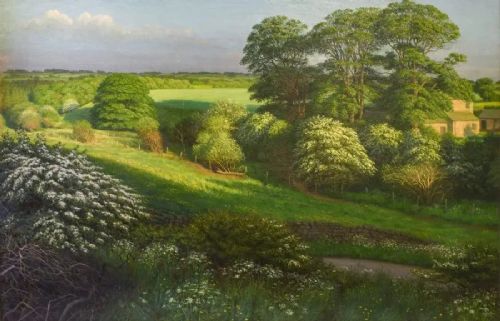
An english countryside oil canvas captures rural life, pastoral rivers, and farmland through brushwork spanning the nineteenth and twentieth centuries.
English Countryside Oil Canvas
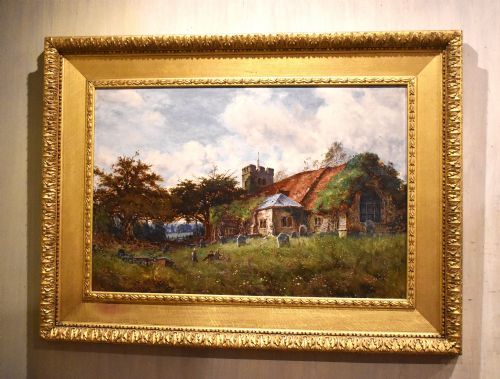
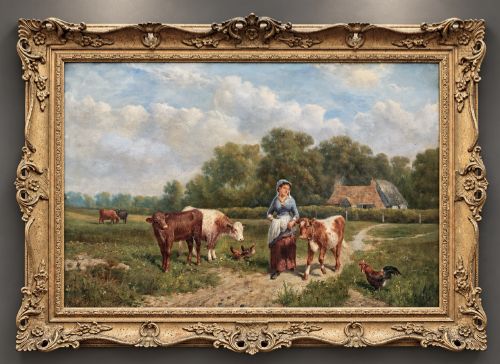
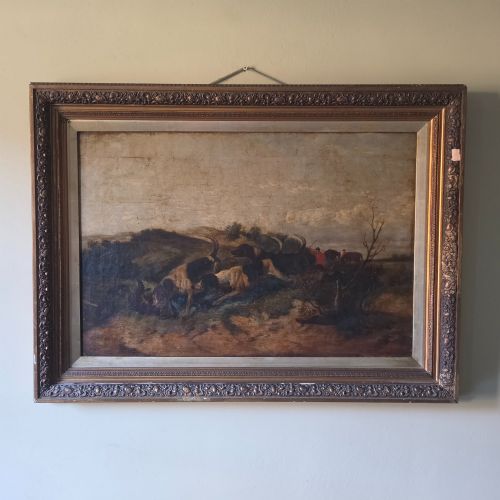
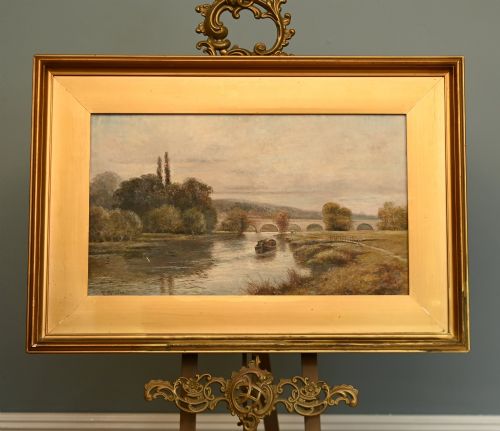
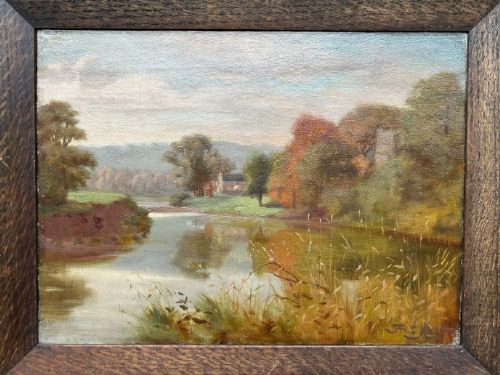
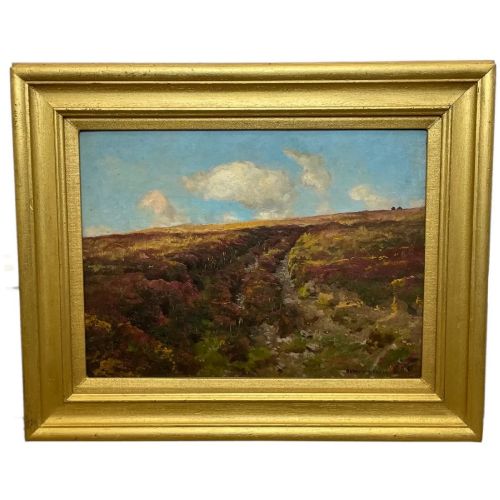
An english countryside oil canvas portrays rural scenes, agricultural estates, pastoral riverbanks, and woodland cottages across Britain. These works record changing light on hills, coastal views, and farming communities through historical painting traditions.
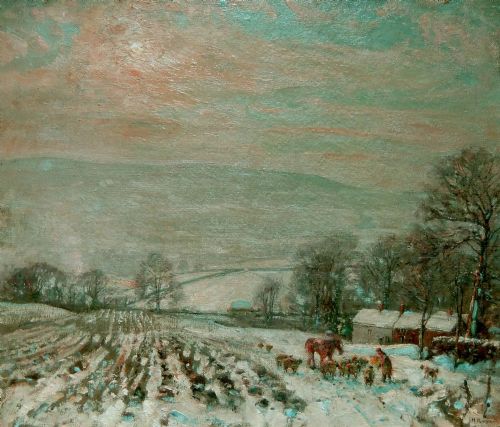
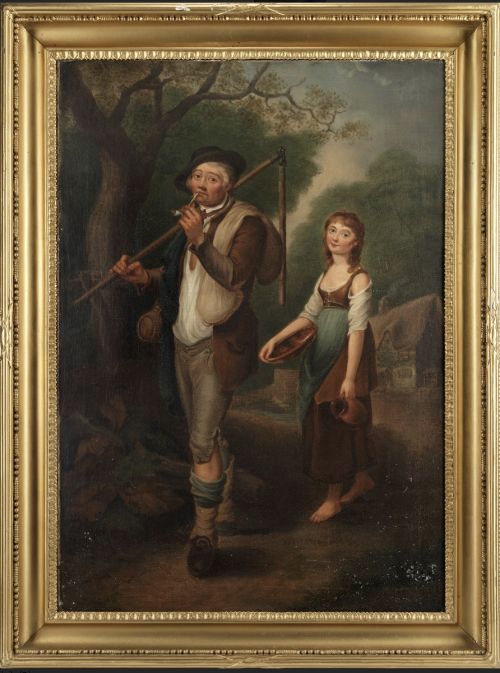
Most examples originate from the nineteenth century, the Victorian era, and the early twentieth century. Common subjects include figures with horses, livestock grazing near rivers, and thatched cottages set within regional landscapes.
Canvases range from intimate cabinet paintings to large framed works. Artists document specific locations from Dorset and Devon to Yorkshire and the Lake District using traditional realist and impressionist approaches.
Materials and technique
These works utilise oil paint applied to woven canvas supports, frequently stretched over wooden frames. Pigments deliver depth of tone, allowing artists to build layered compositions representing natural light and seasonal weather.
Many paintings retain their original gilt wood or giltwood frames, which complement the tonal balance of the canvas. Applied techniques vary from smooth academic realism to visible impasto brushwork in later modernist expressions.
Listings feature oil paintings on canvas spanning the nineteenth century, Victorian era, and twentieth century.
Judging the range
Quality depends on the handling of atmospheric light, compositional balance, and the descriptive detail applied to figures and foliage. Works by recognised regional artists often display superior draftsmanship and confident brush control.
The integration of the original frame contributes to the preservation and historical integrity of the piece. Condition of the pigment layer, stability of the canvas support, and clarity of signature or provenance influence collector interest.
George Graham·Frederick Marriott·Arthur Wardle·Herbert Royle·Thomas Barker of Bath·David Bates·Lucy Pratt·Raymond Booth·Eric Brown·Richard Redgrave·Peter Newcombe·John Horace Hooper·Joseph Edward Hennah·Charles Walter Simpson·Helen Layfield Bradley·Reginald Grange Brundrit·William Sydney Cooper·Owen Bowen·Sidney Richard Percy·J Phipps·MC Hider·Robert John Hammond·William Greaves·Charles Vickers·William Mellor
The English Countryside Oil Canvas Glossary
- Oil on canvas
- A painting medium where pigments are suspended in a drying oil, traditionally linseed, and applied to a stretched fabric support.
- Impasto
- Paint laid thickly on a canvas so that brush or palette-knife marks stand out visibly.
- Giltwood
- Wood carved and covered with a thin layer of gold leaf, commonly used for period picture framing.
- British Impressionism
- A late nineteenth and early twentieth-century painting movement focusing on light, everyday subjects, and looser brushwork.
- Pastoral landscape
- An artistic genre depicting idealized or natural rural scenes with farms, fields, and livestock.
English Countryside Oil Canvas: Frequently Asked Questions
What periods do these paintings date from?
The selection spans from the early nineteenth century through the Victorian era and into the mid-twentieth century.
Paintings reflect stylistic shifts from traditional academic recording towards impressionist and regional realist interpretations.
Are these paintings signed by the artists?
Many examples bear visible artist signatures, dates, or inscriptions relating to specific geographical locations.
Other works remain attributed to the broader British School or carry indistinct signatures recorded in period styles.
What subjects are most common?
Common motifs include agricultural laborers, farm animals, river valleys, coastal cliffs, and rural cottages.
Compositions frequently capture specific regional topography across English and Welsh counties during changing seasons.