

English Countryside Artwork
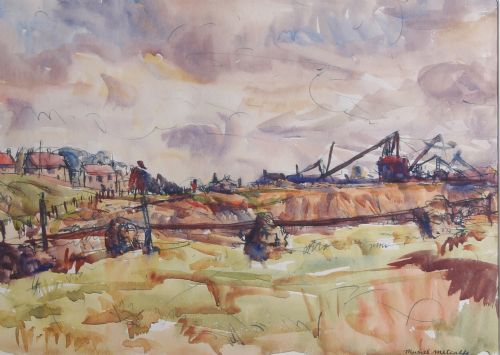
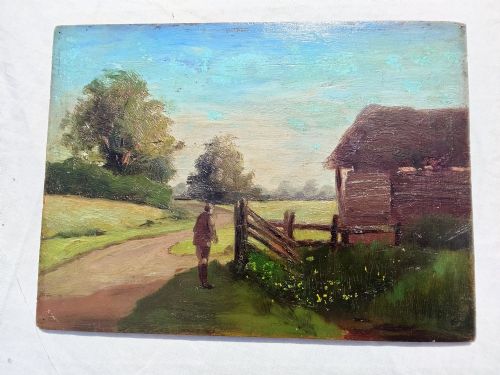
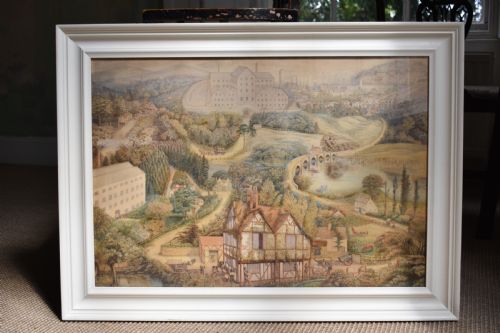
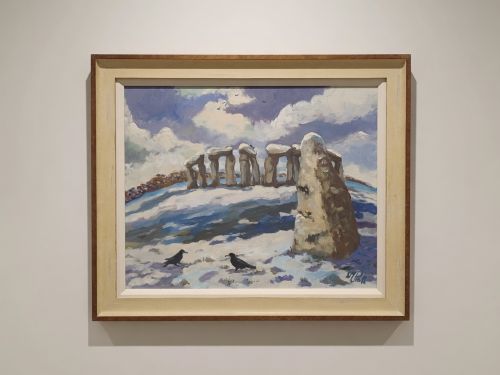
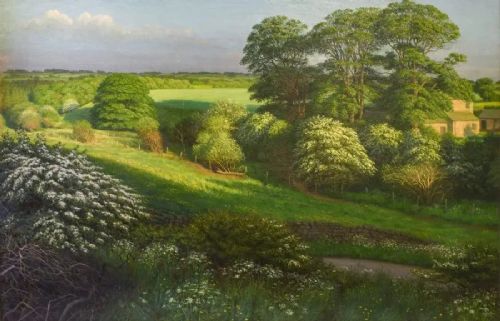
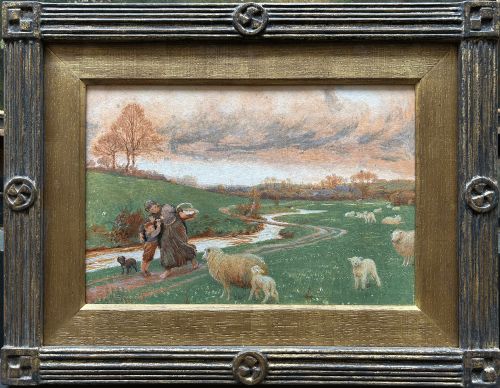
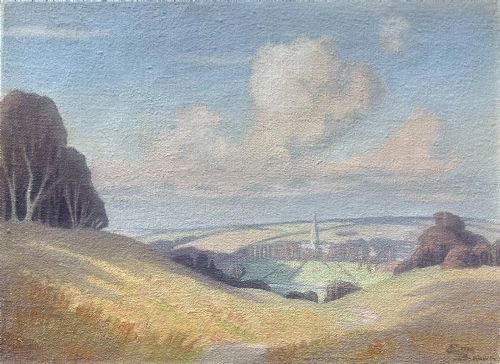
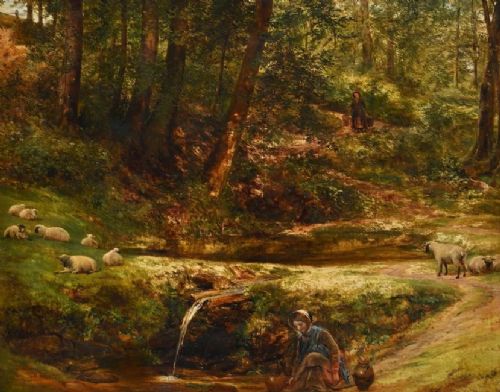
English countryside artwork captures pastoral scenes and rural views from the nineteenth and twentieth centuries through oil and watercolour paintings.
English Countryside Artwork
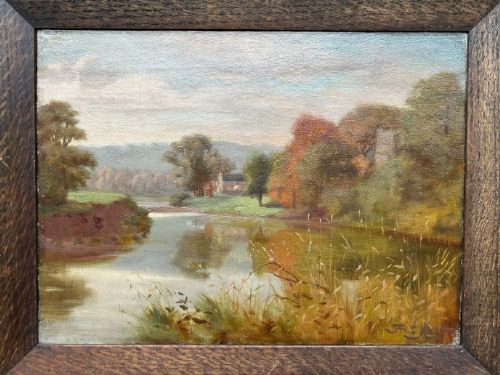
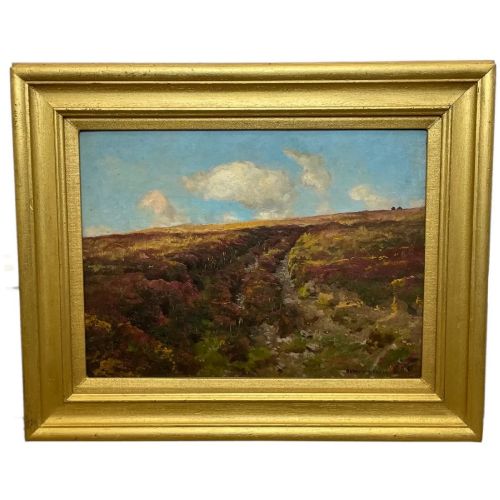
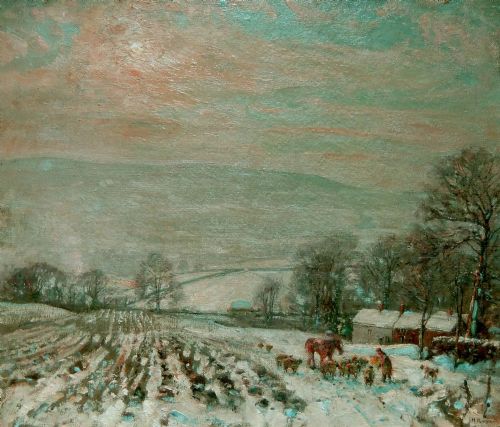
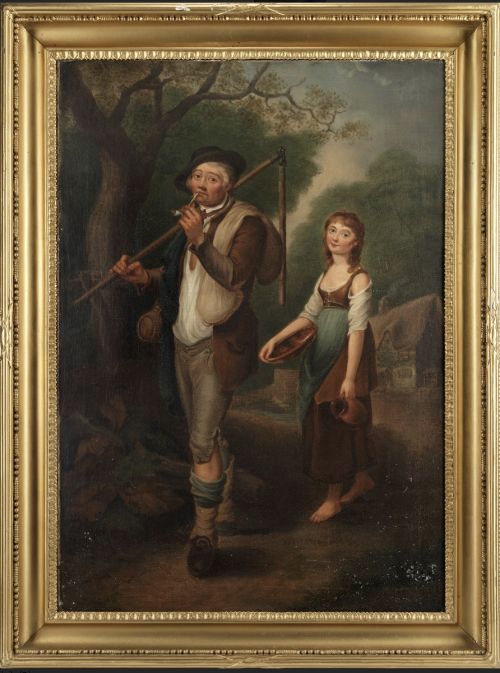
These pieces depict rural vistas, river valleys, and agricultural life across England, spanning periods from the nineteenth century through to the mid twentieth century. You will encounter works categorised as fine art paintings, wall art, and original watercolours or oils.
The most common examples on this page are oil paintings on canvas and framed watercolours produced during the Victorian and Edwardian eras, alongside later modernist interpretations. Subjects range from remote moorlands and coastal harbours to intimate cottage gardens and wooded river landscapes.
Many items bear signatures from regional artists, while others remain anonymous works of the British School. They reflect changing artistic movements including British Impressionism, pastoral naturalism, and twentieth century realism.
Materials and Methods
Artists typically worked with oil paint on stretched canvas, wooden boards, or wooden panels, utilising pigments that captured natural light and seasonal shifts. Watercolour on paper was equally prevalent, often finished with delicate washes to render atmospheric skies and damp pastures.
English Countryside Artwork Retail Price Guide 2026
Typical asking prices for english countryside artwork among the pieces listed under this phrase on Sellingantiques today, from the lower quarter to the upper quarter. They describe what is for sale here now, not the wider market.
Listings feature works executed in oil on canvas, oil on panel, and watercolour on paper across the nineteenth and twentieth centuries.
Assessing Artistic Merit
Quality rests upon the artist's ability to handle light, atmospheric perspective, and texture, moving beyond mere topographical record into accomplished visual storytelling. Superior works demonstrate confident brushwork, secure tonal balance, and a convincing sense of place.
The sophistication of the composition and the preservation of the original paint layer or watercolour pigment determine the standing of each piece within its period.
Frederick Marriott·Arthur Wardle·Herbert Royle·Thomas Barker of Bath·David Bates·Muriel Metcalfe·Lucy Pratt·Raymond Booth·Frederick Walker·Eric Brown·Richard Redgrave·Peter Newcombe·George Oyston·Russell Sidney Reeves·Florence Adelina Hess·John Horace Hooper·Hubert Wellington·Alfred George Morgan·Edgar Woollatt·Joseph Edward Hennah·Charles Walter Simpson·Charles Gregory·Helen Layfield Bradley·Henry Charles Fox·Herbert Royle
The English Countryside Artwork Glossary
- Oil on Canvas
- Pigment mixed with drying oil applied to a woven fabric support stretched across a wooden frame. This medium allowed artists to build rich textures and deep tones.
- Watercolour
- Paint consisting of colourants suspended in a water soluble vehicle, typically applied to paper. It yields translucent washes suited to capturing shifting weather and light.
- Impasto
- Paint applied thickly to a canvas or panel so that the brush or palette knife marks remain clearly visible. This technique adds literal three dimensional texture to foliage or water.
- British School
- A designation for paintings produced by British artists whose specific individual identity is lost or unrecorded. These works share the stylistic traits of their contemporary national peers.
English Countryside Artwork: Frequently Asked Questions
What subjects appear in these paintings?
The works depict rural English scenes including rivers, farms, livestock, coastal harbours, and moorland views.
Artists focused on everyday agrarian life, seasonal changes, and recognisable regional landscapes from the nineteenth and twentieth centuries.
How do I care for antique watercolours?
Watercolour paintings require protection from direct sunlight to prevent the pigments from fading over time.
Display them away from damp environments and maintain stable indoor temperatures to safeguard the paper support.
Are these paintings signed by the artist?
Many pieces bear the original signature or initials of the painter, while others are attributed to regional British schools.
Signed works often connect the landscape to a documented maker active during the Victorian or Edwardian periods.