



English Country House Cabinets
English country house cabinets bring genuine utility and historic character to a room, ranging from glazed bookcases to painted kitchen dressers.
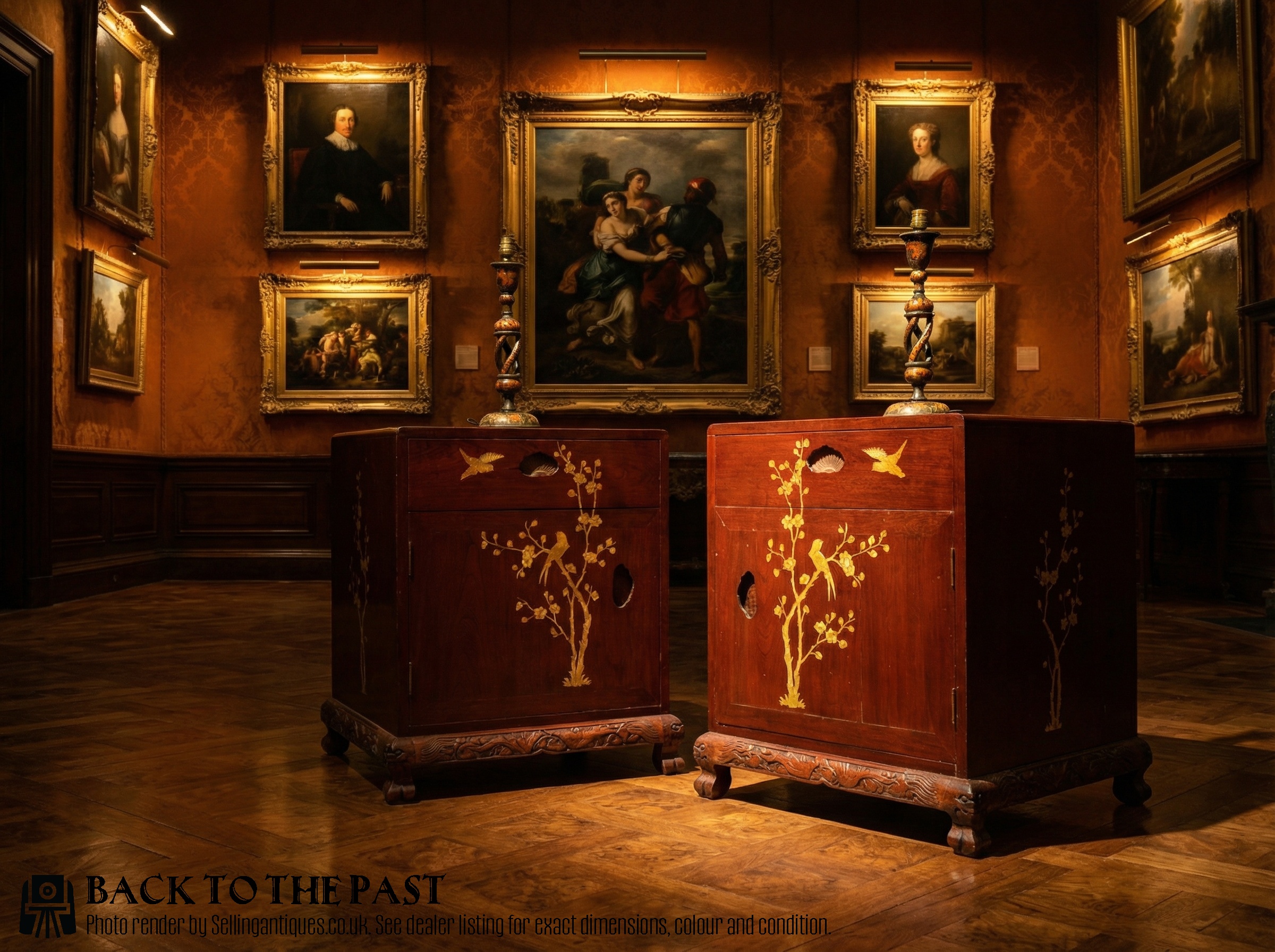
English Country House Cabinets
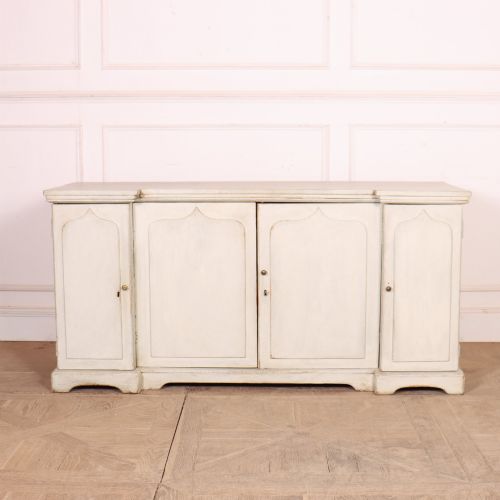
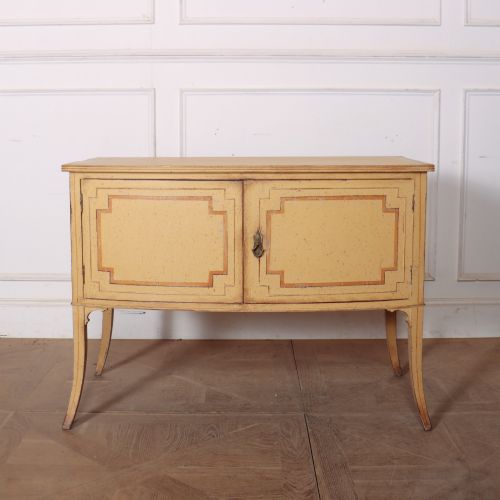
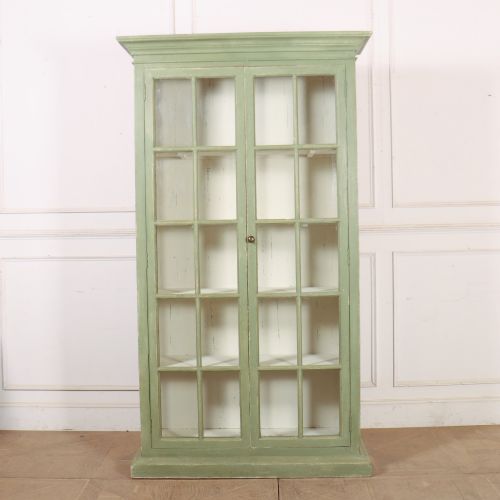
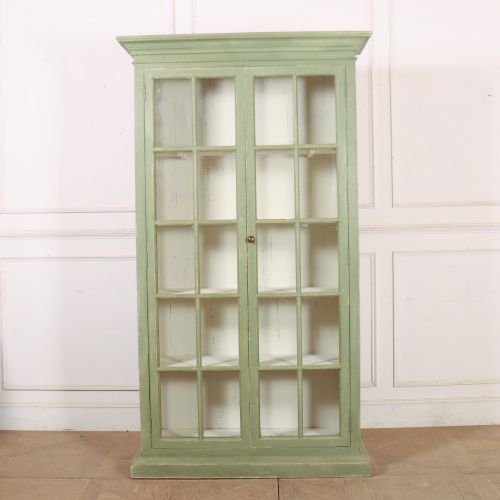
English country house cabinets encompass a diverse selection of storage furniture designed for domestic utility and display across several centuries. Buyers seeking these pieces encounter an array of forms including kitchen dressers, breakfront dresser bases, glazed bookcases, and side cabinets.
Alongside major storage items, smaller pieces such as bedside cabinets, linen cupboards, and specialised storage like napkin drawers or post boxes appear within the selection. These furnishings often exhibit regional traits, such as West Country origins, or specific decorative schemes including painted finishes and Chinoiserie decoration.
Construction and materials
Cabinet makers utilised a variety of native timbers, predominantly oak, mahogany, pine, and yew wood, building robust carcasses designed for daily domestic service. Joinery techniques varied according to the period, employing traditional framing, paneling, and dovetailed drawer construction.
Surfaces frequently received specific treatments ranging from clear polishes that highlighted the natural grain of mahogany and oak to decorative paint finishes. Glazed doors incorporated leaded or wooden muntins to secure glass panels, while brass hardware served for handles, hinges, and locks.
Among the storage solutions sits a nineteenth-century mahogany post box, ready for domestic correspondence long before modern delivery slots.
Evaluating quality and proportion
Quality in these cabinets is largely determined by the integrity of the timber, the precision of the joinery, and the preservation of original surfaces. Pieces retaining their early or original paint finishes or untouched hardware command greater interest among collectors.
Proportion and scale also dictate the desirability of a cabinet, with well-balanced architectural details and restrained ornamentation setting finer examples apart. The integration of secondary woods and the clever layout of interior shelving reveal the skill of the original maker.
The English Country House Cabinets Glossary
- Breakfront
- A piece of furniture where the central section projects forward from the flanking sections. This architectural arrangement adds depth and visual interest to large bookcases and dresser bases.
- Chinoiserie
- European decorative style inspired by Chinese art and design, often featuring hand-painted motifs on lacquered surfaces. It appears on occasional side cabinets from the early twentieth century.
- Dresser base
- The lower portion of a kitchen dresser, typically comprising drawers and cupboards beneath a solid top surface. These sturdy units function independently as sideboards or serving tables.
- Harlequin
- A term applied to a suite or set of furniture where pieces match in general style but vary in minor details or date of manufacture. It denotes a collection gathered over time rather than ordered as a single commission.
- Glazed bookcase
- A cabinet featuring glass-fronted doors designed for the storage and display of books. These units protect volumes from dust while allowing full visibility of library contents.
English Country House Cabinets: Frequently Asked Questions
How do I date an antique country house cabinet?
Dating relies on observing construction methods, timber choices, and stylistic hardware characteristics. Secondary woods and tool marks visible on unexposed surfaces offer reliable clues to the period.
Changes in furniture design from Georgian formality to Victorian scale and subsequent revivals also help narrow the decade of manufacture.
Where were these cabinets placed in a house?
Larger bookcases and library cabinets belonged in reception rooms, studies, or morning rooms for storing literature and displaying collections. Kitchen dressers and housekeepers cupboards served the domestic service quarters for storing provisions and tableware.
Smaller side cabinets and bedside units functioned in private bedrooms and reception hallways for everyday convenience.
Are painted cabinets original?
Many country house cabinets received decorative paint finishes during the nineteenth century or later to suit changing interior tastes. Original paint surfaces display natural wear, craquelure, and patination consistent with age.
Examining underlying timber layers and pigment adherence helps determine whether a painted finish dates to the period of manufacture.
How should I care for antique timber furniture?
Maintain stable indoor humidity and temperature levels to prevent wood from splitting or warping over time. Avoid placing cabinets in direct sunlight to protect polished wood and painted surfaces from fading.
Apply traditional beeswax sparingly and buff gently with a soft cloth to nourish the timber grain without building up heavy residues.