





English Country Desk
An English country desk represents regional furniture made from domestic woods, offering practical writing surfaces and vernacular charm for period interiors.
English Country Desk
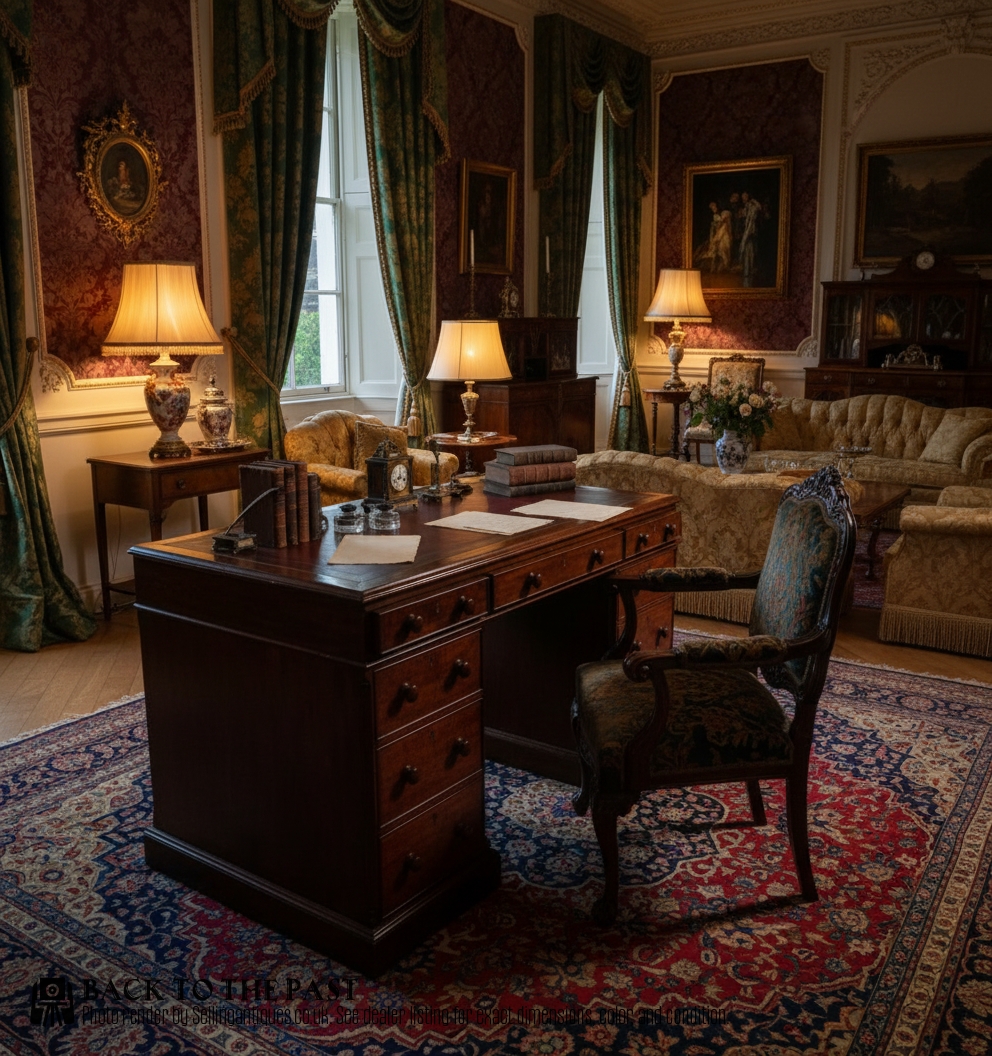
An English country desk encompasses utilitarian writing furniture, bureaux and side tables originating from provincial workshops during the Georgian, Victorian and Edwardian eras. Buyers searching this phrase encounter sturdy writing surfaces and occasional office seating rather than formal urban cabinetry.
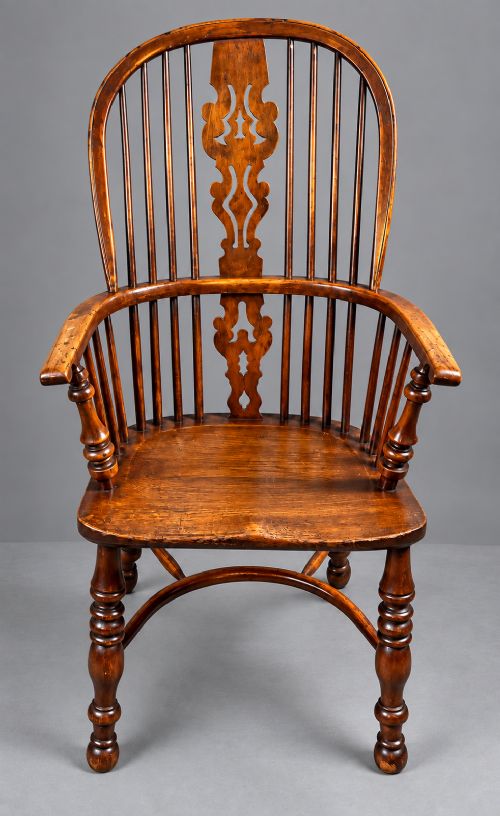
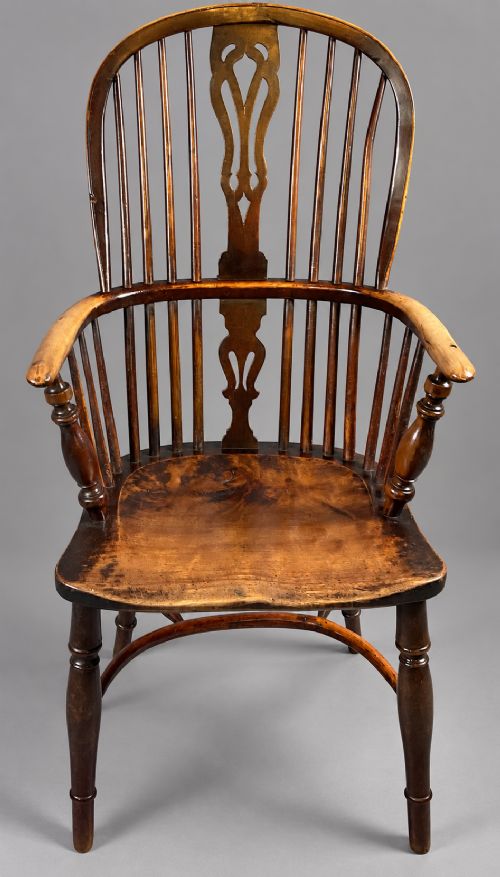
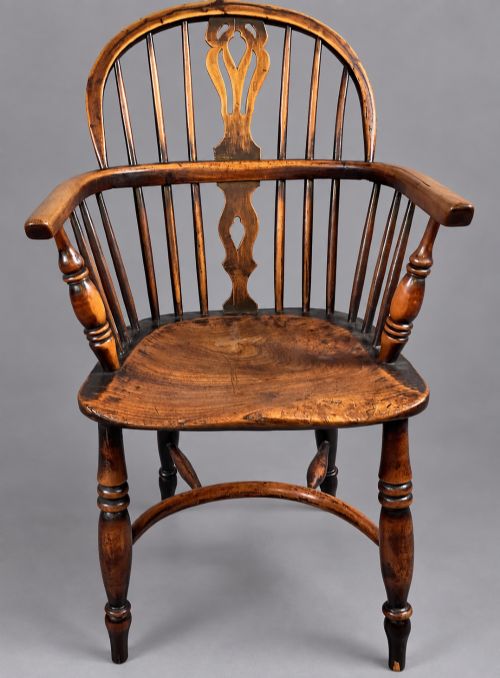
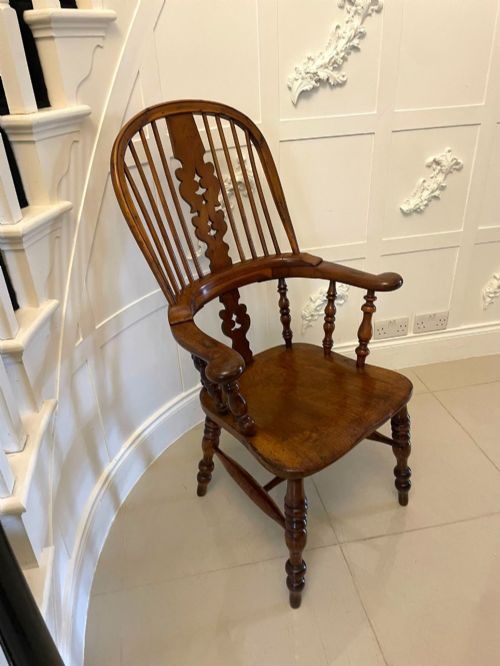
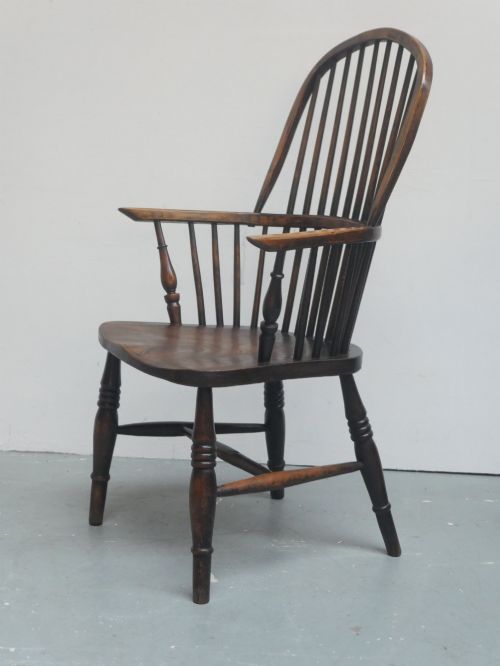
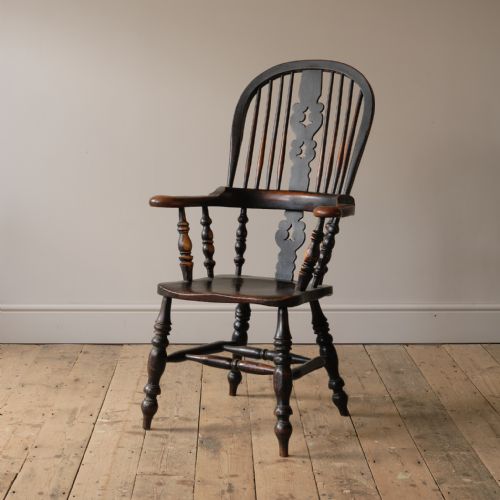
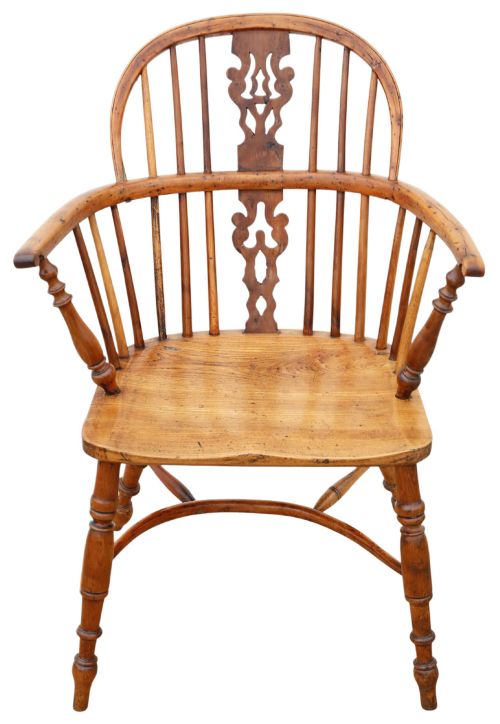
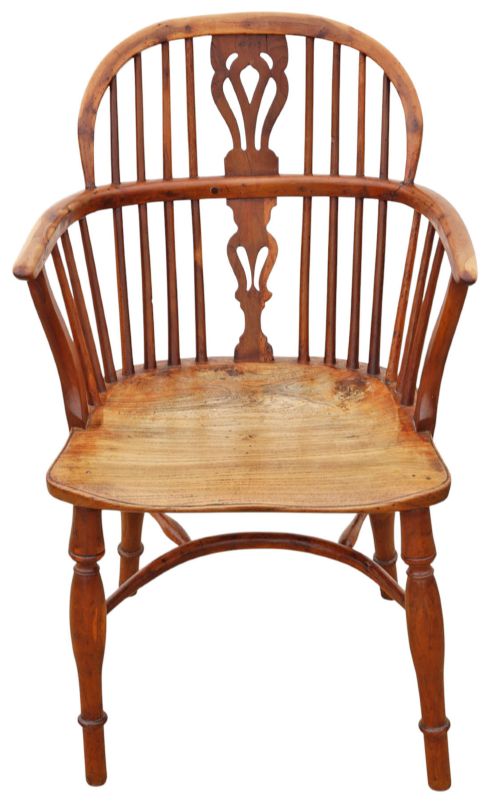
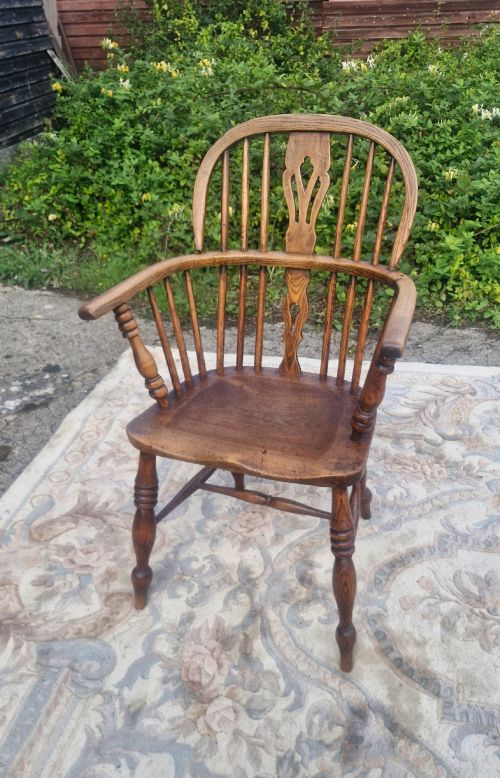
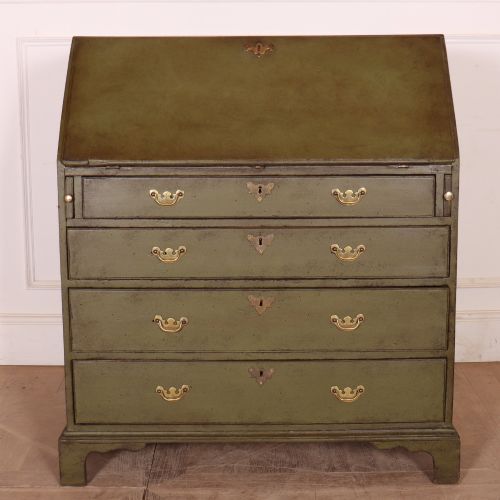
The selection leans heavily toward vernacular seating like Windsor and smoker's bow armchairs associated with country writing environments, alongside painted bureaux and compact side tables. These pieces served practical domestic and clerical duties in rural households and provincial institutions.
Origins span across English regions, utilising local timber resources that give each item a distinct character distinct from metropolitan furniture. The focus remains on robust construction and honest utility suited to daily writing tasks.
How they were made
Maker-craftsmen utilised native timbers such as elm, ash, beech, yew and oak, often combining multiple woods within a single piece for structural strength and visual contrast. Elm provided tough, interlocking grain for seats and tabletops, while ash and beech formed resilient spindles and legs.
Construction techniques relied on traditional joinery, including turned components, pegged mortise and tenon joints, and steam-bent hoops. Surfaces frequently retained simple painted finishes or natural wax patination developed through decades of rural use.
Listings feature items spanning the 18th, 19th and early 20th centuries, constructed from elm, ash, beech, yew, oak and pine.
What varies in quality
Quality rests upon the selection of timber and the sophistication of the turning and joinery. Finer examples display carefully matched grain patterns in yew and elm, alongside balanced proportions and well-defined spindle configurations.
Originality of components and the survival of an honest, uninhibited surface patination distinguish superior pieces from heavily altered or over-restored equivalents. The integration of structural integrity with regional vernacular character dictates the standing of an item.
J Spencer·Gabbitass Worksop
The English Country Desk Glossary
- Windsor chair
- A wooden armchair featuring a solid saddle-sculpted seat into which the legs and back spindles are directly inserted. This form evolved through regional English traditions using combinations of elm, ash and yew.
- Smoker's bow
- A low-backed wooden armchair with a continuous curved armrail supported by turned spindles, commonly found in provincial settings. These seats provided sturdy comfort for writing or lounging.
- Vernacular
- Furniture designed by local tradesmen to fulfill specific domestic or agricultural functions without adherence to high-style metropolitan fashions. Such objects prioritize utility and regional materials.
- Patina
- The surface sheen and colour acquired by wood through age, handling and regular waxing over generations. This finish offers visual proof of an object's longevity.
- Bureau
- A sloping-lidded desk enclosing pigeonholes and small drawers, designed for correspondence and document storage. These units stand upon bracket feet or drawer bases.
English Country Desk: Frequently Asked Questions
What woods were used for English country desks?
Makers relied on native timbers harvested locally, predominantly elm, ash, beech, yew and oak. These woods provided the necessary strength and flexibility for daily domestic service.
Different woods were frequently combined within a single piece, such as elm seats paired with ash spindles and beech legs, maximising the specific mechanical properties of each material.
How do I date an antique country desk?
Dating relies on observing construction methods, tool marks, timber selection and stylistic cues associated with the Georgian, Victorian and Edwardian periods. Provincial furniture often retained traditional forms long after metropolitan fashions changed.
Examining the wear patterns, fixings and secondary woods helps place a piece within its correct nineteenth or eighteenth-century timeframe.
Where were these pieces originally used?
These items served in rural farmhouses, country houses, vicarages and provincial offices across England. They accommodated everyday correspondence, estate management and household administration.
Their robust construction ensured they could withstand rigorous use in busy domestic environments far from urban cabinet-making workshops.
How do I care for antique country wood?
Maintain these pieces by applying natural beeswax periodically and keeping them away from direct heat sources and dramatic humidity fluctuations. Gentle dusting preserves the historic surface patination.
Avoid modern silicone polishes, which can penetrate porous historic finishes and damage the aged appearance of the timber.