
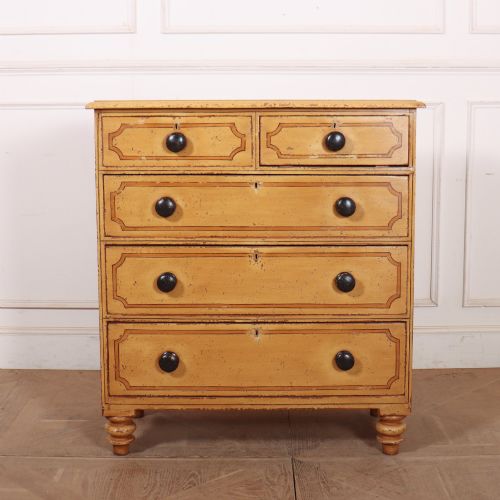
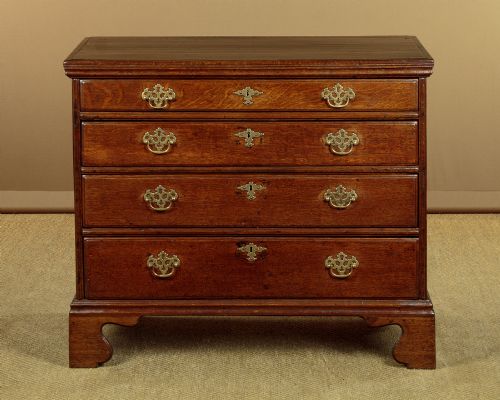
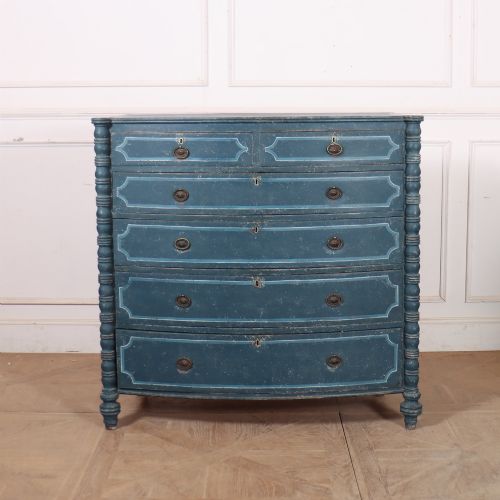
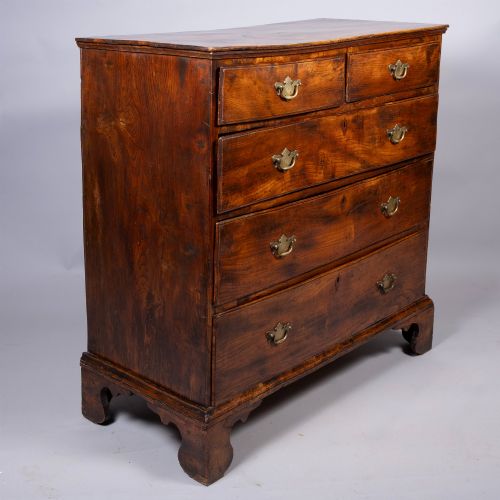


English Country Commode
An English country commode brings sturdy regional character and honest utility to a room through centuries of timber craftsmanship.
English Country Commode
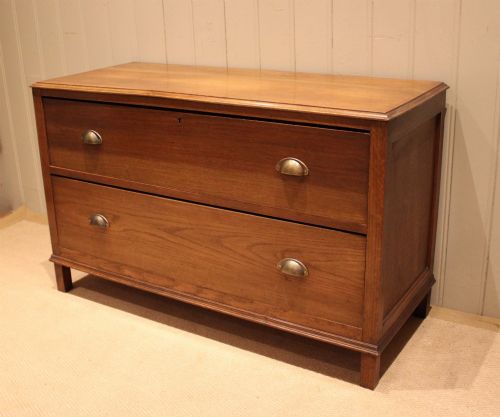
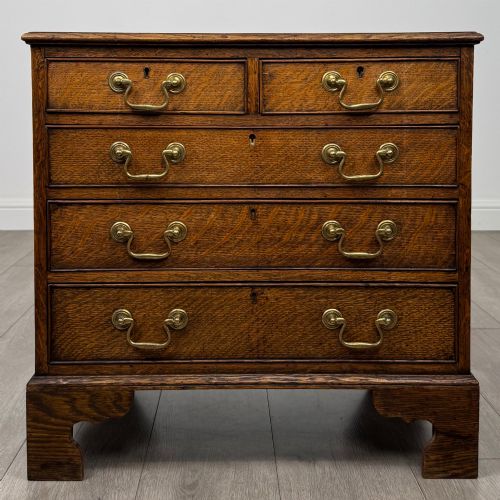
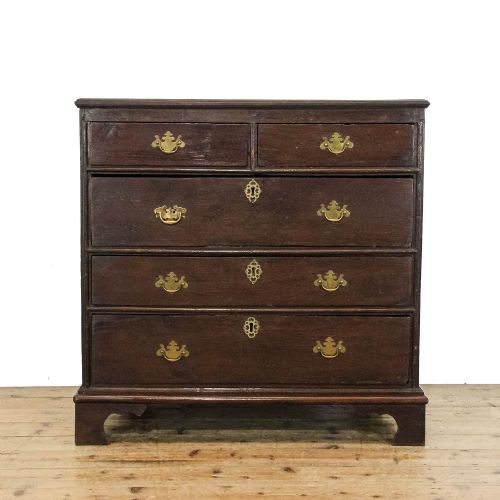
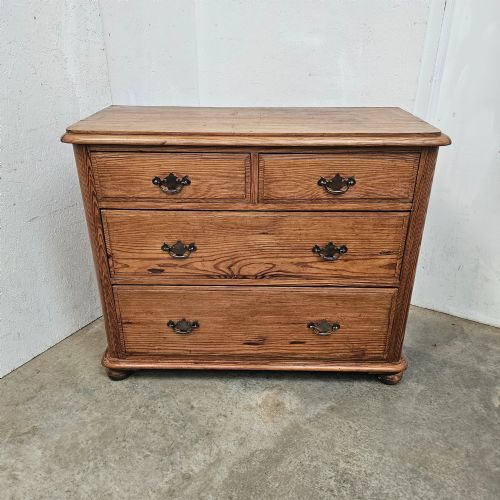
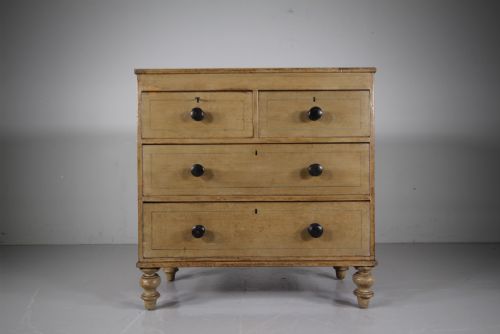
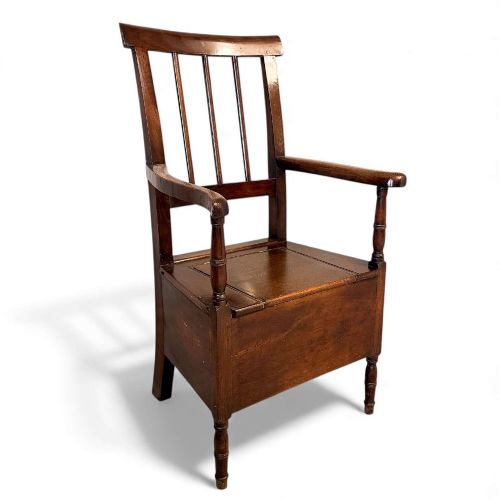
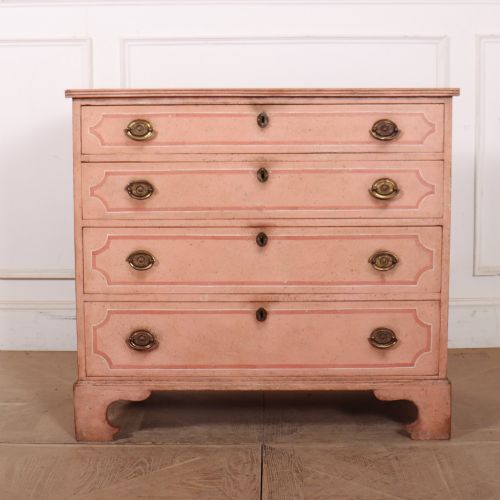
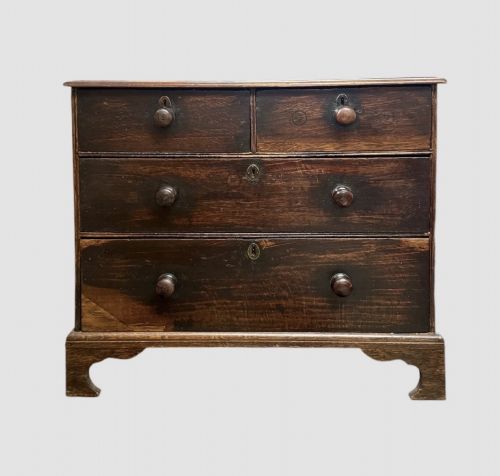
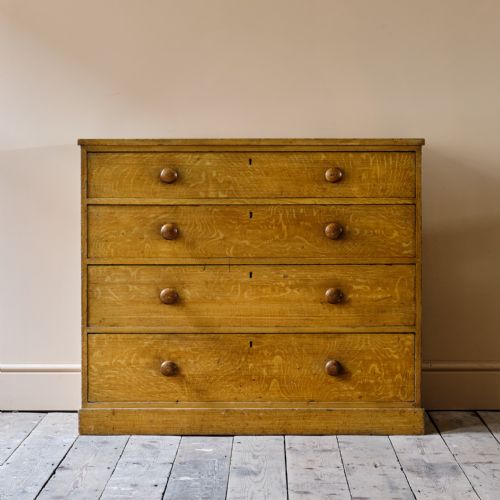
The search for an english country commode draws collectors to robust domestic storage pieces originating from provincial workshops rather than metropolitan cabinet-makers. These items primarily manifest as chests of drawers and commode chairs built for everyday rural life rather than formal London drawing rooms.
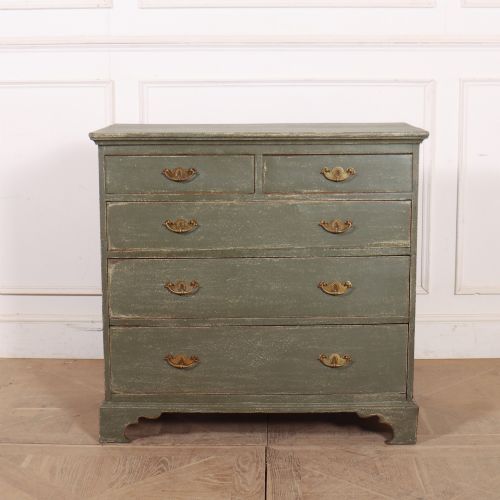
Pieces span several centuries, with the selection dominated by 18th-century and 19th-century examples alongside earlier William and Mary forms. Buyers most frequently encounter sturdy oak, pine, and painted softwood configurations bearing the marks of provincial utility.
Regional variants range from simple unpretentious pine chests to figured elm and walnut iterations displaying modest local flair. Side cabinets and bedside units occasionally appear, extending the definition of rural storage furniture.
How they were made
Country pieces rely heavily on domestic hardwoods and softwoods like oak, pine, elm, and walnut, chosen for immediate local availability. Joinery is straightforward and robust, utilising pegged mortise and tenon joints designed to withstand heavy daily use.
Surfaces frequently receive hand-applied finishes including wax, traditional paint, or simulated wood grain rather than high-gloss French polish. Brass hardware, where present, tends toward functional drop handles and escutcheons rather than elaborate ornamentation.
Listings feature regional pieces constructed from oak, pine, walnut, and mahogany spanning the seventeenth through the early twentieth centuries.
What varies in quality
Quality rests primarily in the integrity of the timber selection and the retention of original surface treatments such as early paint or undisturbed wax patination. Pieces retaining their original backs, drawer linings, and structural ironmongery command greater appreciation among purists.
The subtlety of proportion and the crispness of hand-moulded drawer fronts distinguish superior provincial items from standard utilitarian boxes. Survival of early decorative schemes, such as marquetry or oyster veneering on seventeenth-century examples, elevates a piece well above baseline domestic joinery.
The English Country Commode Glossary
- Commode
- A low chest of drawers or cabinet, often adapted in earlier periods to enclose a chamber pot.
- Bowfront
- A curved cabinet front that swells outward in a convex arc, popular during the Georgian period.
- Oyster veneering
- The practice of slicing small branch wood cross-wise to create circular or oval patterns resembling oyster shells.
- Serpentine front
- A cabinet front featuring a central convex curve flanked by two concave curves.
- Pitch pine
- A resinous durable softwood utilised widely in nineteenth-century provincial furniture construction.
English Country Commode: Frequently Asked Questions
What is an english country commode?
An english country commode is a practical provincial storage piece, typically a chest of drawers or commode chair, made outside major urban centres. These items prioritize utility and robust construction over metropolitan fashion.
Craftsmen utilised locally sourced timber such as oak, elm, and pine, resulting in honest domestic furniture with distinct regional character.
How do I date an old chest?
Dating relies on observing construction methods, timber choices, and secondary woods used inside drawer linings. Hand-cut dovetails, tool marks, and original hardware provide reliable chronological clues.
Earlier pieces from the seventeenth and eighteenth centuries often display pegged oak frames and oyster veneers, while nineteenth-century items frequently employ pine and machine-sawn elements.
Where were these chests used?
These pieces served practical storage functions in bedrooms, hallways, and living quarters across rural farmhouses and country estates. Their sturdy build suited demanding domestic environments.
Compact models like bedside cabinets and commode chairs fulfilled specific personal needs close to sleeping quarters.
How do I care for painted wood?
Painted and waxed surfaces require gentle cleaning with a soft, dry cloth to remove dust without disturbing historic finishes. Avoid modern chemical polishes and liquid cleaners.
Maintain stable room humidity and protect the timber from direct sunlight to prevent paint flaking and wood shrinkage.