



English Country Ceramics
These english country ceramics bring the unpretentious character of rural life into a room through earthenware, slipware, and salt glaze.
English Country Ceramics
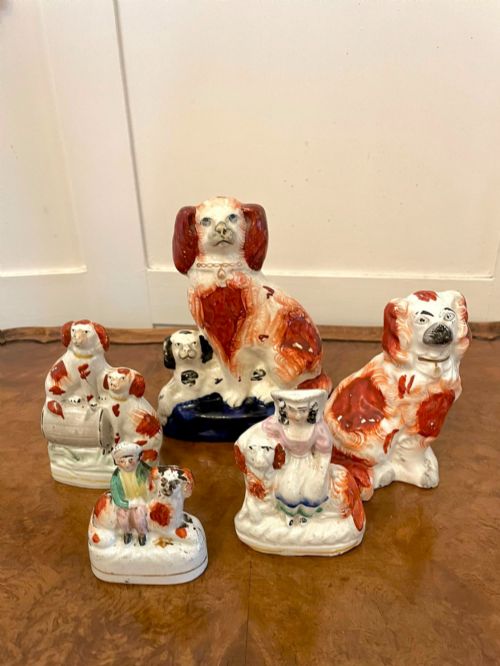
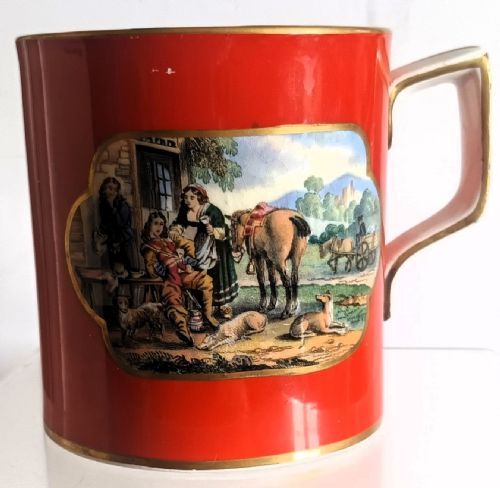
When buyers search for english country ceramics, they encounter a diverse range of functional and decorative domestic objects rooted in provincial traditions. The selection spans utilitarian dairy bowls and slipware jugs alongside Staffordshire figures, spaniels, and pottery cottages from the nineteenth century.
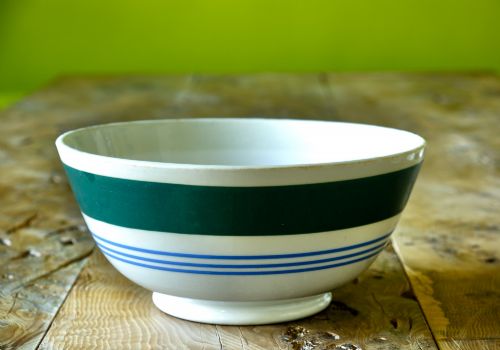
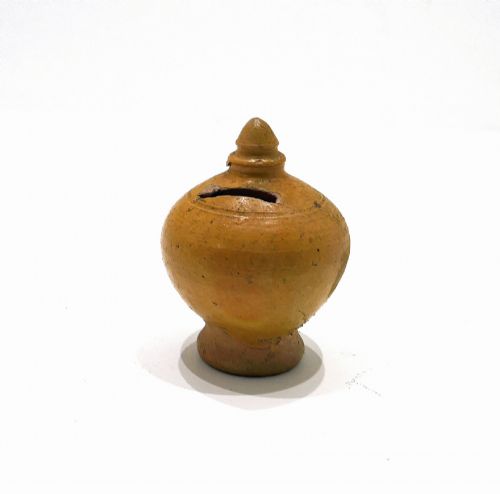
The objects often reflect regional domestic life, featuring North Country slip glaze bowls, Verwood pottery money boxes, and ironstone tableware. These pieces carry the distinct aesthetic of rural English makers who catered to everyday households rather than royal courts.
How they were made
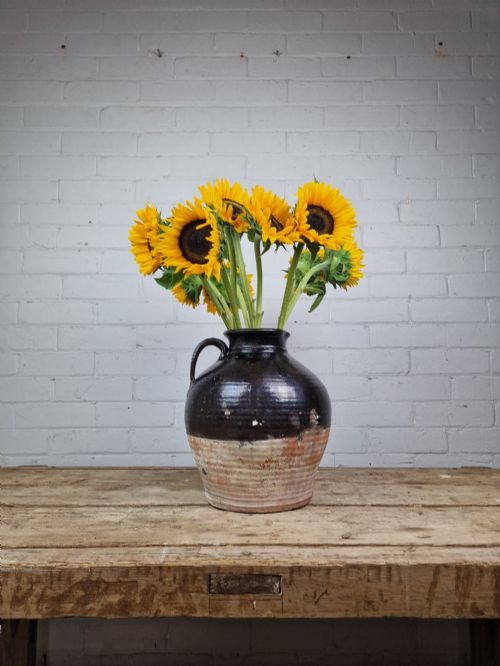
Potters utilised earthenware, stoneware, and terracotta shaped by hand or on the wheel before applying lead glazes and slip decoration. Many domestic vessels relied on simple salt glazing or slip trailing to create durable surfaces suited to dairy and kitchen work.
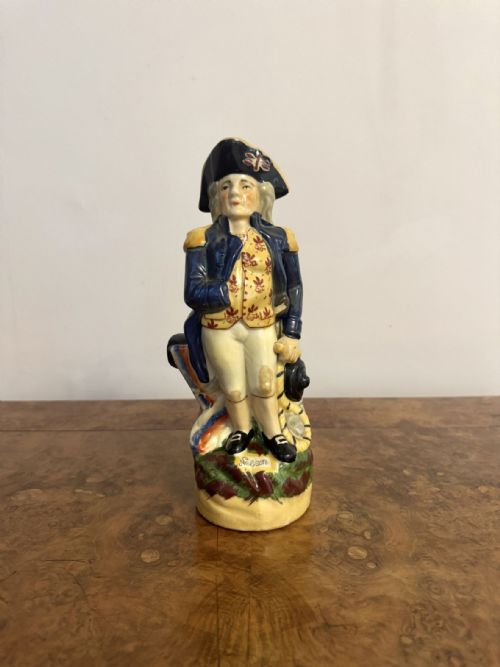
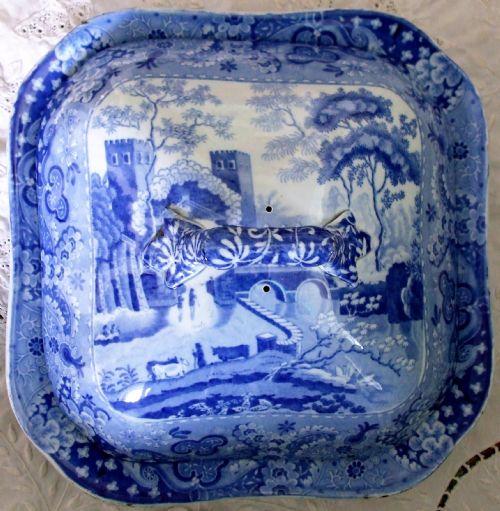
Figurines and decorative wares received careful hand-painting under or over the glaze, occasionally incorporating transfer-printed patterns in blue and white. Workshops employed traditional moulding techniques for Staffordshire flatbacks and animal figures, followed by low-firing in traditional kilns.
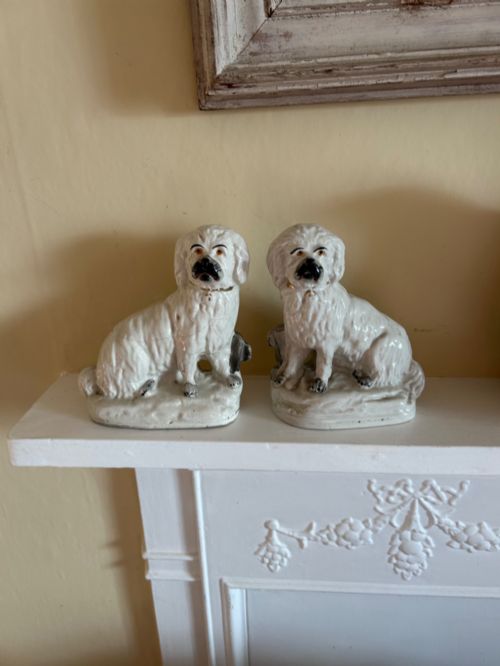
Nineteenth-century Staffordshire spaniels often arrived in pairs to keep each other company on the mantelpiece.
What varies in quality
The integrity of the body and the stability of the glaze define the preservation of each piece. Finer examples retain their original surface sheen and vibrant enamel colours without excessive wear or crude restoration.
J and R Clews·T G Green Pottery·Verwood Pottery·Doulton Lambeth
The English Country Ceramics Glossary
- Slipware
- Pottery decorated with a thin mixture of clay and water applied before firing. This technique creates linear or marbled patterns across bowls and jugs.
- Ironstone
- A heavy, durable type of earthenware patented in the nineteenth century. It bridges the gap between common pottery and true porcelain.
- Staffordshire flatback
- A figure moulded with a detailed front and a flat, unpainted back designed to sit against a wall on a mantelpiece.
- Salt glaze
- A finish achieved by throwing common salt into the kiln during high-temperature firing. This produces a textured, slightly pitted surface resembling orange peel.
English Country Ceramics: Frequently Asked Questions
What defines english country ceramics?
These pieces comprise utilitarian vessels and decorative figures made in regional British potteries during the Georgian and Victorian eras. They prioritise practical domestic function and rustic charm over formal neoclassical elegance.
Items range from heavy stoneware jugs and dairy bowls to earthenware spaniels and transfer-printed plates. Each object reflects the traditional materials and firing methods of provincial English workshops.
How were these pottery items used?
Many of these ceramics served practical roles in the dairy, kitchen, and dining room for storing liquids, serving food, and preparing meals. Bowls held milk or cream, while jugs poured water, beer, or cider.
Other pieces, such as Staffordshire figures and cottages, existed purely for parlour decoration. They provided affordable visual interest and commemorated public figures or pastoral scenes for ordinary households.
How do I date these ceramics?
Dating relies on identifying specific manufacturing techniques, stylistic markers, and factory marks recorded in the glaze or base. Nineteenth-century pieces often display characteristic blue and white transfer printing or distinctive Staffordshire modelling styles.
Changes in clay bodies, such as the adoption of heavy ironstone or salt-glazed stoneware, provide further chronological clues. Examining the application of lead glazes helps distinguish Georgian production from later Victorian output.
How should I display them at home?
Displaying these ceramics benefits from grouping them by material, colour, or regional origin to highlight their rustic textures. Placing slipware bowls and earthenware jugs on open wooden shelves echoes their original domestic contexts.
Figurines and flatback figures sit well on mantelpieces or within glazed cabinets where their hand-painted details remain visible. Pairing them with natural materials like pine and wool enhances their historic character.