

English Ceramic Ware
English ceramic ware gathers centuries of domestic skill, offering everything from slip-painted jugs to transfer-printed tableware for daily use or display.
English Ceramic Ware
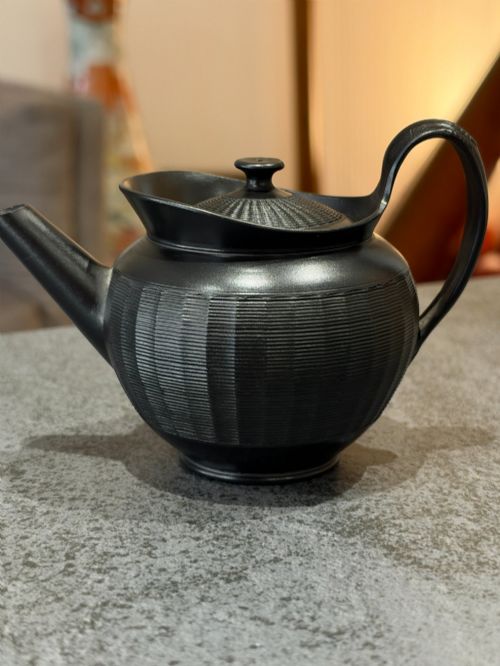
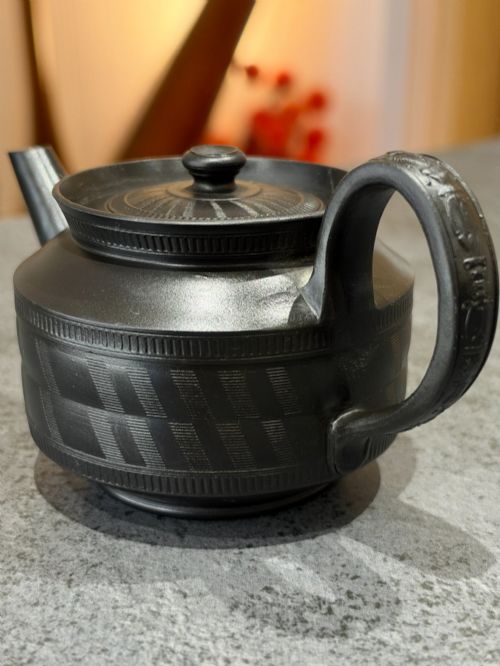
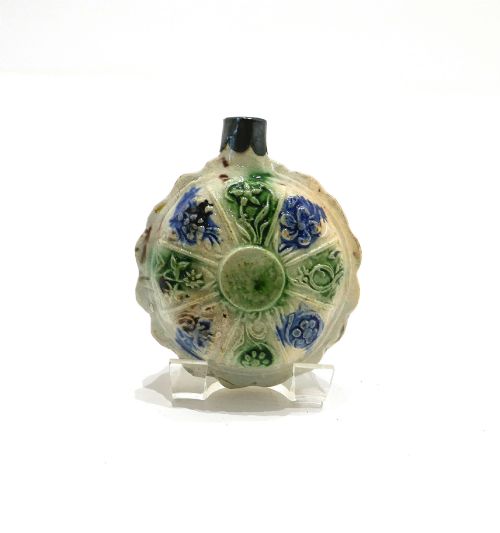
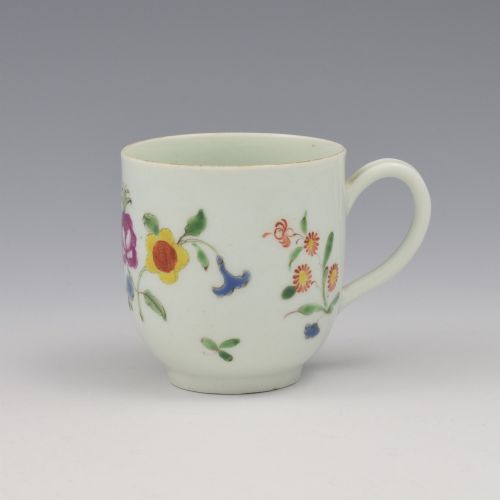
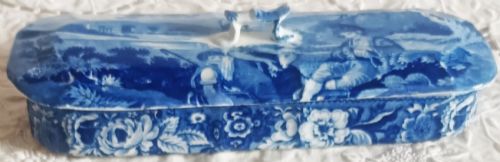
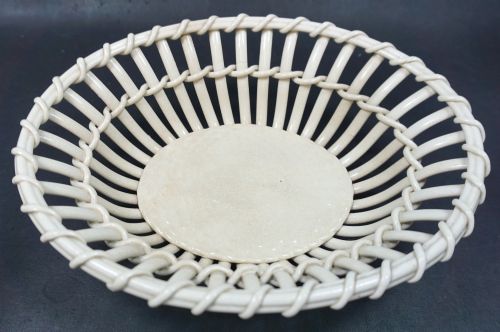
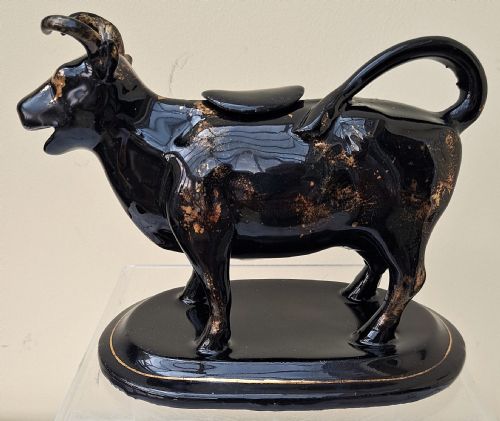
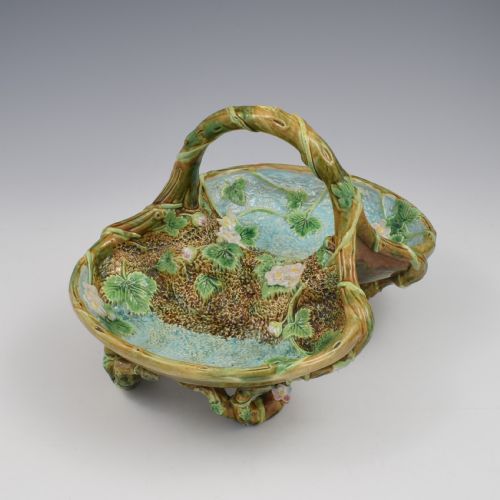
When seeking english ceramic ware, collectors encounter a vast array of objects spanning utility and ornament. The items range from Georgian transfer-printed toothbrush boxes and pearl ware spoon trays to robust Victorian jugs, majolica baskets, and commemorative teapots.
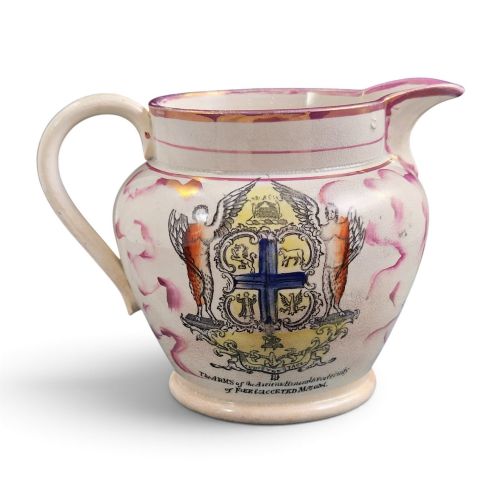
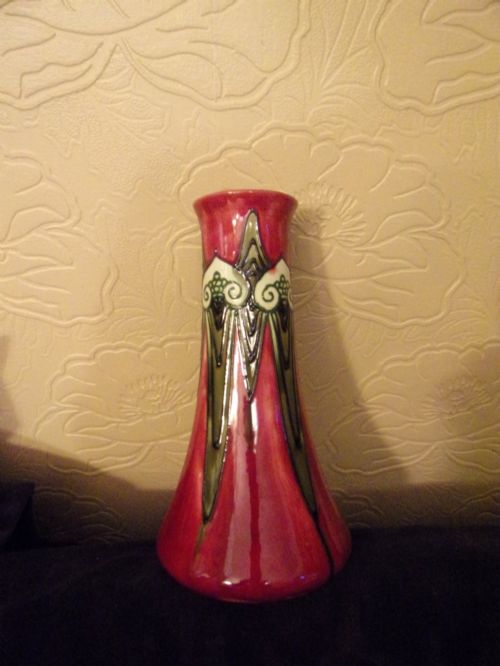
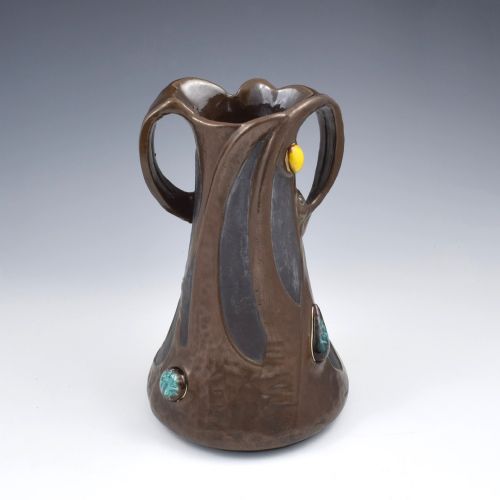
The selection leans heavily toward earthenware and porcelain forms shaped across the nineteenth and early twentieth centuries. Pieces such as Sunderland lustre jugs, Wedgwood jasper ware, and studio pottery vases reflect shifting domestic tastes and evolving industrial kilns.
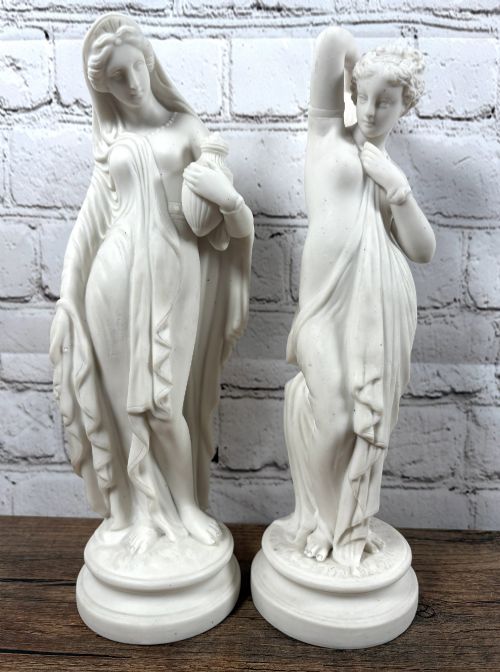
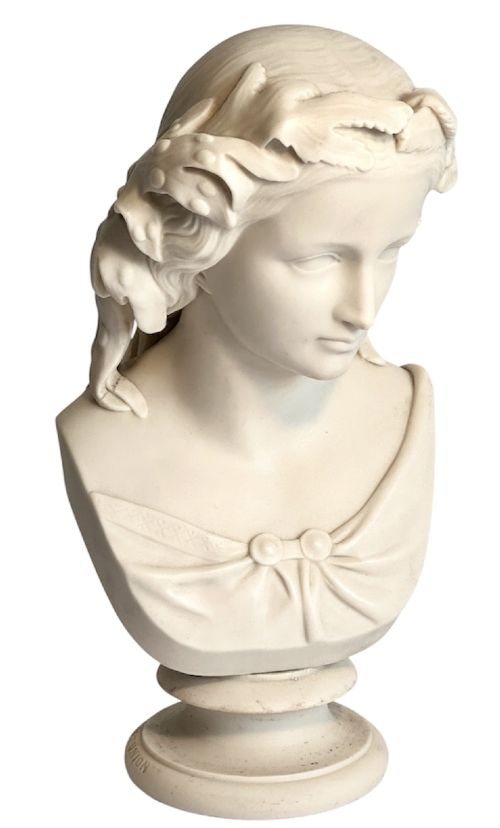
Buyers also meet specialised wares including Parian busts, Pratt ware plaques, and art pottery designs from regional potteries. Each object demonstrates specific techniques developed within British ceramic centres over successive generations.
Materials and Making
Potters utilised local clays, fine earthenware, stoneware, and porcelain bodies shaped by hand, wheel, or mould. Glazes varied from clear lead formulas to coloured tin enamels and lustres applied before or after firing.
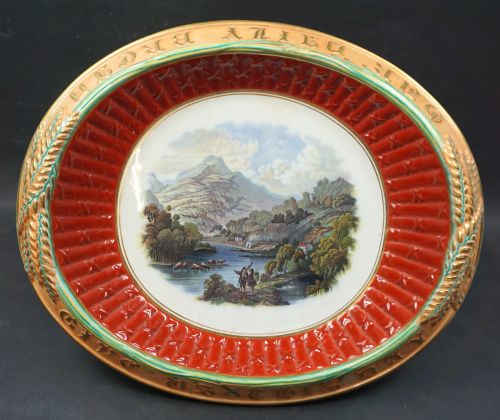
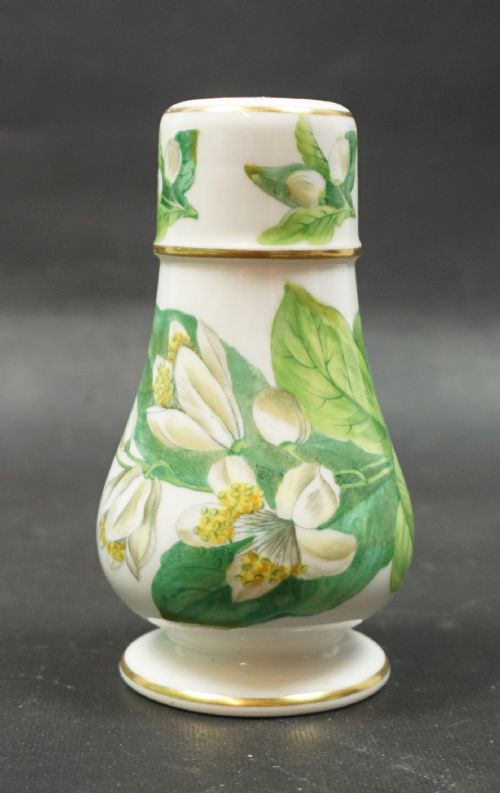
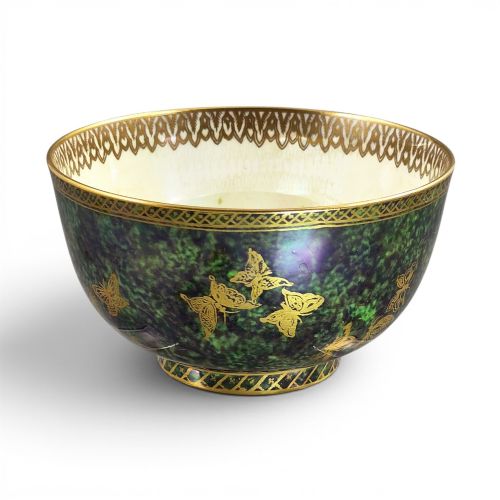
Decoration relied on transfer printing, hand painting, slip trailing, and tube lining to build surface pattern. Many items received multiple kiln firings to set cobalt blues, polychrome enamels, and gold leaf highlights.
English Ceramic Ware Retail Price Guide 2026
Typical asking prices for english ceramic ware among the pieces listed under this phrase on Sellingantiques today, from the lower quarter to the upper quarter. They describe what is for sale here now, not the wider market.
Decorated forms include transfer-printed tableware, lustre jugs, majolica baskets, and art pottery vases.
Assessing Quality
Quality rests upon the crispness of the moulded relief and the control shown during firing. Superior pieces display even glazes, sharp transfer lines, and precise hand-painted details without smudging or kiln distortion.
The sophistication of the design and the reputation of the pottery or decorator elevate specific examples. Well-modelled handles, balanced proportions, and clean foot rims distinguish finer studio and factory output from standard commercial wares.
Richard Chaffers·Wedgwood·Minton·George Jones·William Adams and Sons·Royal Crown Derby·Sir Edmund Elton·Royal Worcester·Denby Ware·Phillips and Bagster
The English Ceramic Ware Glossary
- Pearl ware
- A refined earthenware body developed in the late eighteenth century with a slightly bluish glaze that pooled in recesses. It bridged the gap between salt-glazed stoneware and whiteware.
- Jasper ware
- A fine-grained, unglazed stoneware developed by Wedgwood, most commonly found in blue with applied white relief ornamentation. It requires precise temperature control during kiln firing.
- Majolica
- A colourful, heavy earthenware glazed with lead and opacified tin oxides, often moulded with naturalistic plant and animal motifs. It gained immense popularity during the Victorian era.
- Parian porcelain
- A fine biscuit porcelain resembling white marble, named after Parian marble from the Greek island of Paros. It was frequently used for portrait busts and classical figures.
- Transfer printing
- A decoration technique where an engraved copper plate transfers a design onto tissue paper, which is then pressed onto the ceramic surface before glazing. This allowed intricate scenes to be reproduced rapidly.
English Ceramic Ware: Frequently Asked Questions
What is English ceramic ware?
English ceramic ware encompasses pottery, earthenware, stoneware, and porcelain produced across British kilns over several centuries. The category includes everything from utilitarian vessels like pitchers and teapots to decorative figures and plaques.
Items range from eighteenth-century cream ware and pearl ware to Victorian majolica and twentieth-century art pottery. Each piece illustrates the specific materials and chemical recipes favoured by its maker.
How do I date an old ceramic piece?
Dating relies on identifying the ceramic body, glaze characteristics, and decorative style, alongside any impressed factory marks or registration numbers. Changes in blue and white transfer patterns and paste compositions also help narrow the decade of production.
Handling pieces from different eras reveals shifts in weight, colour tone, and finishing techniques at the base. Reference books detailing factory marks provide additional confirmation for specific makers.
How were these ceramics used originally?
Many ceramic objects served practical daily functions in the Georgian and Victorian home, including serving tea, holding toiletries, or storing dry goods. Tableware items formed part of formal dining services or dessert arrangements.
Other pieces, such as Parian busts, wall plaques, and lustre bowls, served purely decorative roles in parlours and drawing rooms. Their survival in varied states reflects both active service and careful preservation.
How should I care for antique ceramics?
Antique ceramics require gentle handling and stable environmental conditions away from direct sunlight and sudden temperature shifts. Dusting with a soft, dry cloth keeps surfaces clean without risking abrasive wear.
Hand washing in lukewarm water with mild soap is occasionally suitable for durable glazed wares, but porous bodies should stay dry. Unadorned stoneware and porcelain tolerate normal indoor humidity well when displayed securely.