

English Brown Side Table
An English brown side table brings centuries of timber and craftsmanship into a room, offering practical surface space with deep historical character.
English Brown Side Table
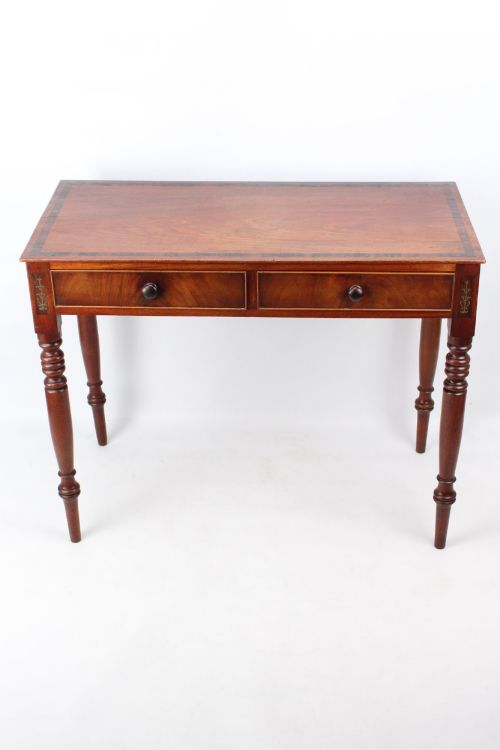
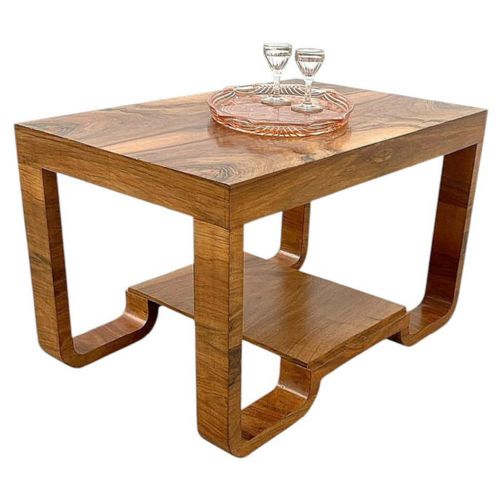
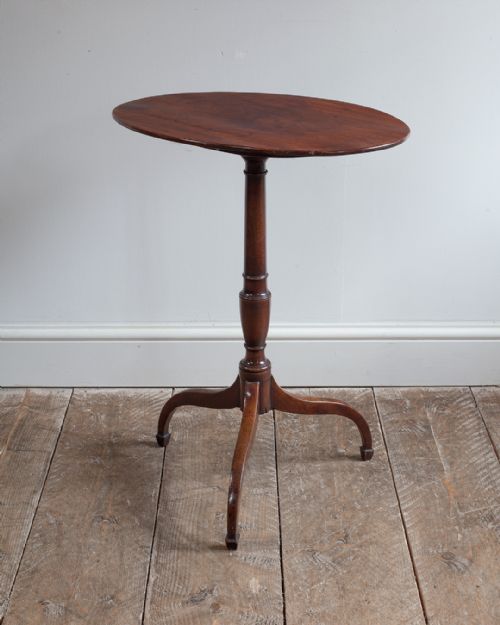
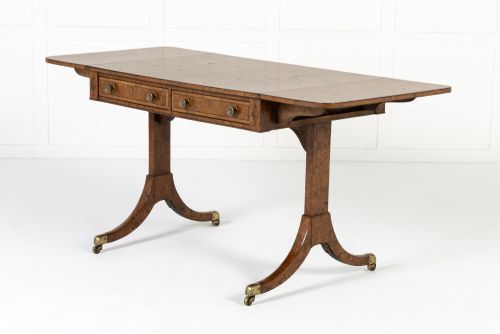
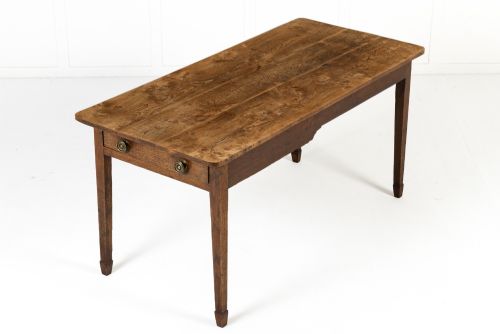
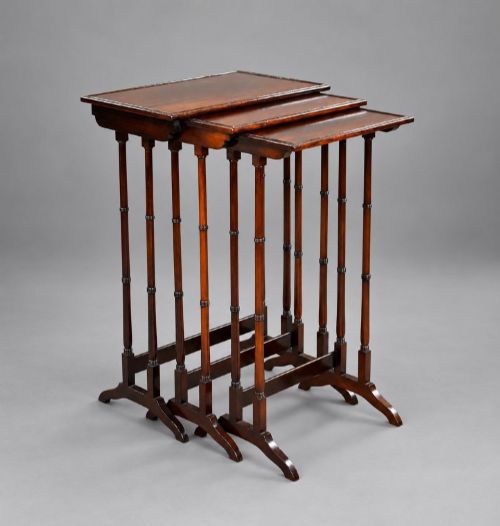
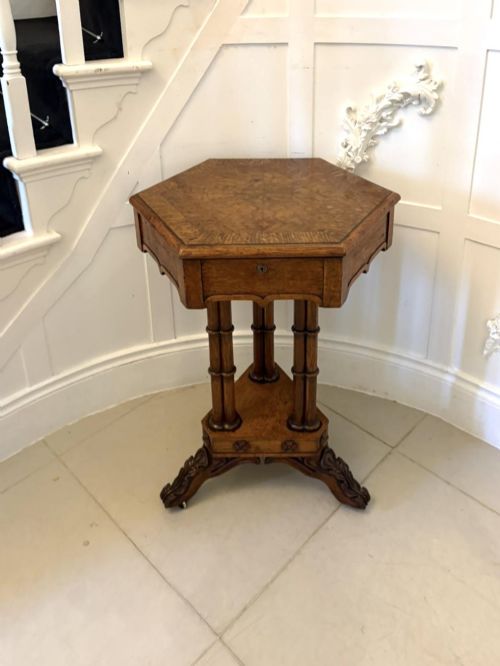
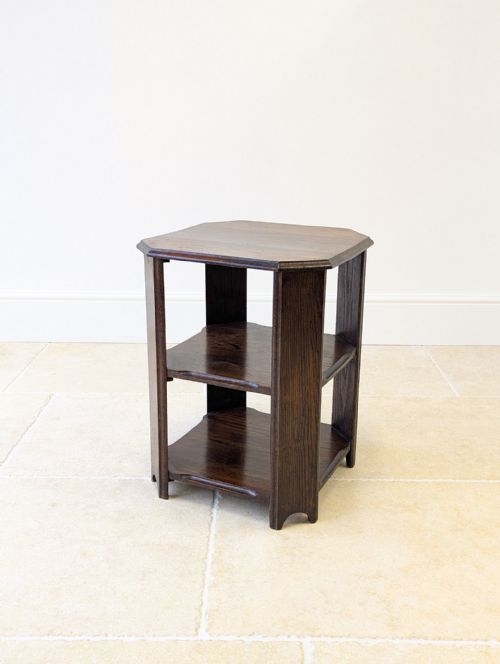
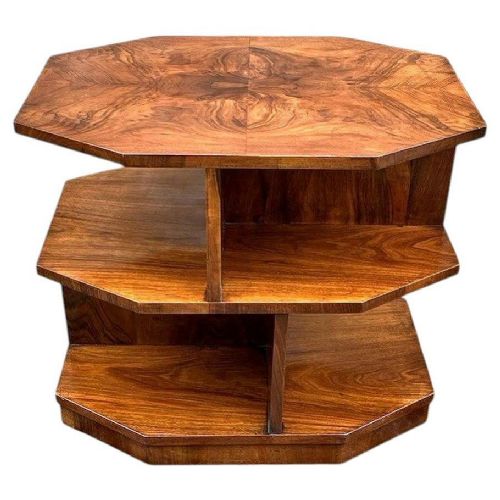
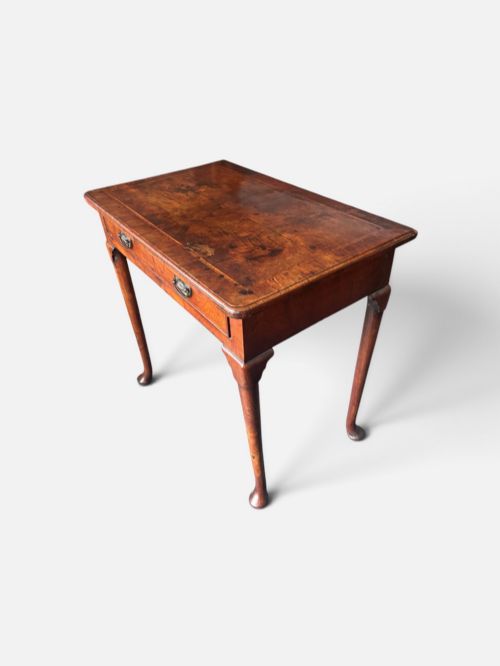
The English brown side table appears across several centuries of domestic design, encompassing compact tripod tables, lowboys, and occasional pieces. A buyer searching this phrase encounters diverse forms intended for functional placement against walls or beside seating.
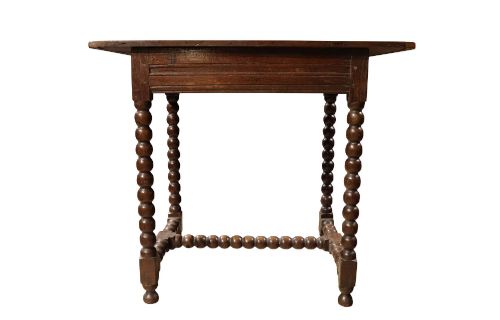
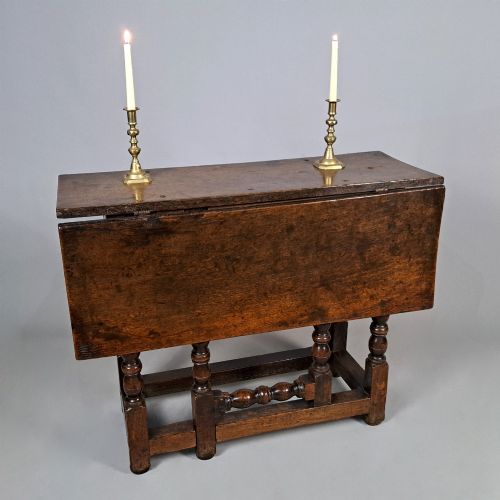
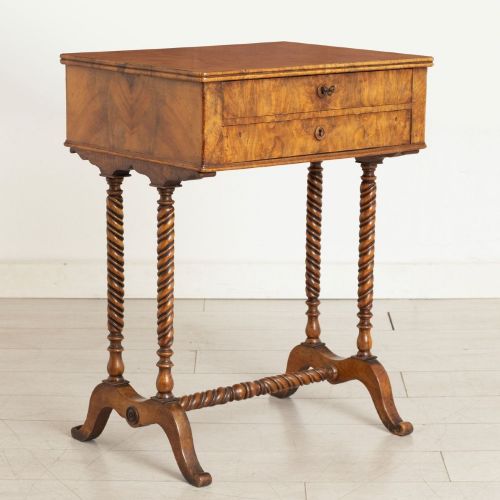
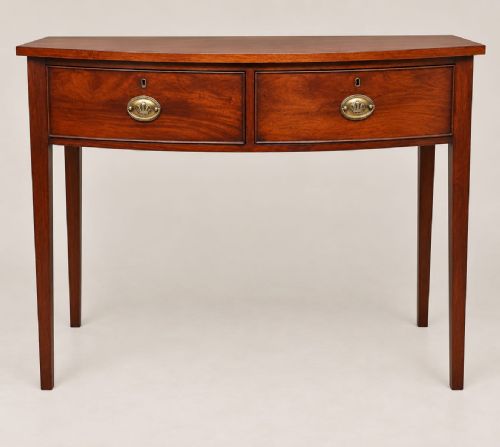
The selection ranges from seventeenth-century solid oak examples with rigorous geometry to refined eighteenth-century walnut and mahogany pieces displaying softer curves. Later nineteenth-century iterations bring lighter woods and practical folding mechanisms to the domestic interior.
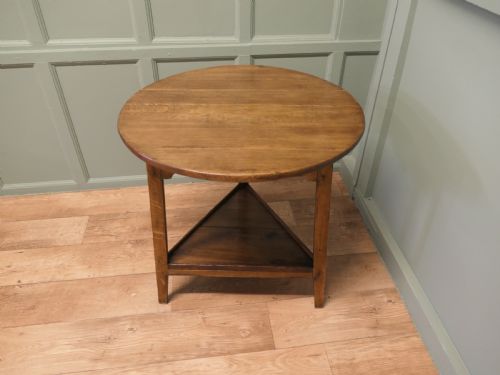
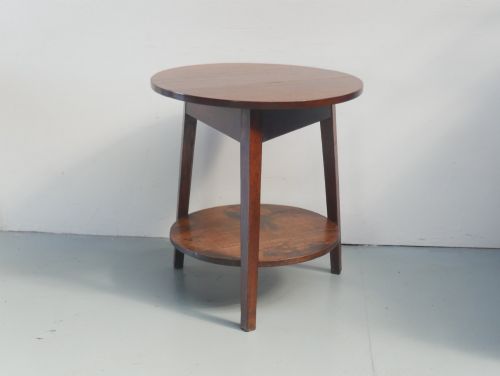
Country oak cricket tables and folding butler trays sit alongside more formal George III and Regency designs. These utilitarian forms reflect the changing domestic habits of English households across successive periods.
Markers of Excellence
Quality rests in the selection of timber, particularly where figured walnut veneers or dense, well-quartered oak display uniform grain. Superior pieces maintain crisp carving, tight joint work, and original hardware without heavy timber replacement.
Proportion and structural integrity separate standard utility items from finer examples of cabinetmaking. A balanced silhouette and smooth drawer operation indicate superior workshop execution.
English Brown Side Table Retail Price Guide 2026
Typical asking prices for english brown side table among the pieces listed under this phrase on Sellingantiques today, from the lower quarter to the upper quarter. They describe what is for sale here now, not the wider market.
The listings feature timbers spanning solid oak, mahogany, walnut, burr walnut, yew wood, and elm across periods from the seventeenth century to the twentieth.
The English Brown Side Table Glossary
- Lowboy
- A small oak or walnut table with drawers, typically raised on four slender legs, originally used for dressing or storage.
- Cricket table
- A small, lightweight occasional table featuring three splayed legs and a round wooden top, traditionally designed for uneven cottage floors.
- Gateleg table
- A dining or side table with hinged leaves supported by swing-out legs that resemble a gate.
- Tripod table
- A round-topped occasional table supported by a central pillar resting on three spreading feet.
- Veneer
- A thin layer of finely figured wood, such as burr walnut, applied over a secondary timber base to create a decorative surface.
English Brown Side Table: Frequently Asked Questions
How were side tables used historically?
These tables served various domestic functions, from holding candlesticks and tea service equipment to providing a compact surface for writing or sewing.
Their portable nature allowed servants to move them about the house depending on the immediate needs of the occupants.
What woods are most common?
Oak dominates the earlier seventeenth and eighteenth-century pieces, prized for its durability and abundant local supply.
Mahogany and walnut appear frequently in later Georgian and Regency designs, selected for their rich brown colour and suitability for fine cabinetwork.
How do I care for antique wood?
Keep wooden surfaces away from direct sunlight and steady heat sources to prevent the timber and veneers from drying out or splitting.
Apply a traditional beeswax polish occasionally and buff gently with a soft cloth to maintain the natural sheen.
How do I distinguish between periods?
Earlier pieces from the seventeenth century show heavy turned supports, stretchers, and solid oak construction with visible pegging.
Eighteenth and nineteenth-century examples display lighter proportions, refined veneers, and stylistic elements specific to Georgian, Regency, or Edwardian designs.