

English Art Deco Tables
When searching for english art deco tables, collectors look for walnut, chrome and clean geometric lines that define interwar domestic design.
English Art Deco Tables
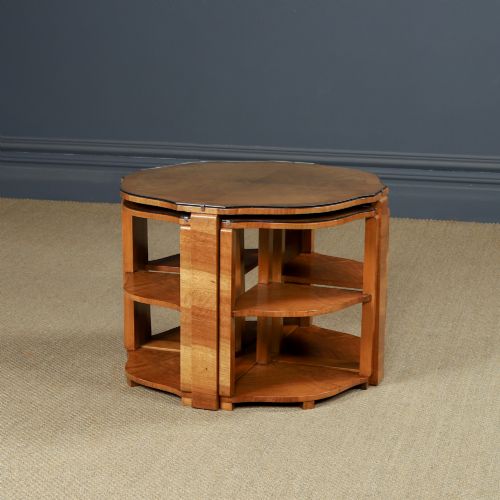
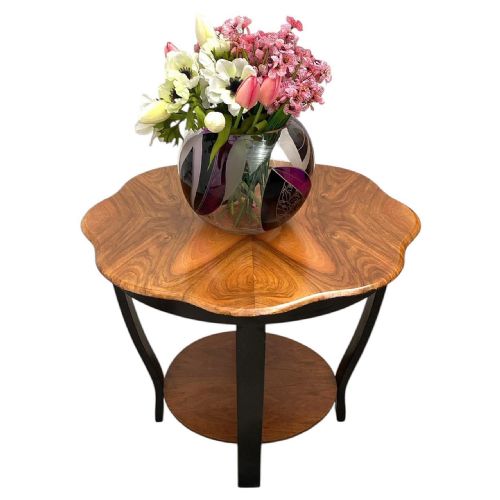
When hunting for english art deco tables, buyers encounter low coffee tables, tiered occasional surfaces, and nests of tables designed for compact interwar living. The examples appearing most frequently on this page date to around nineteen thirty and utilise domestic timbers suited to the period taste.
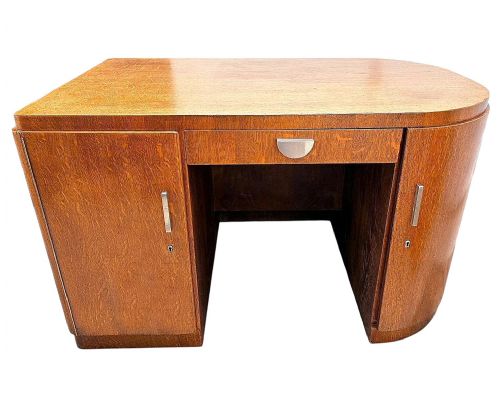
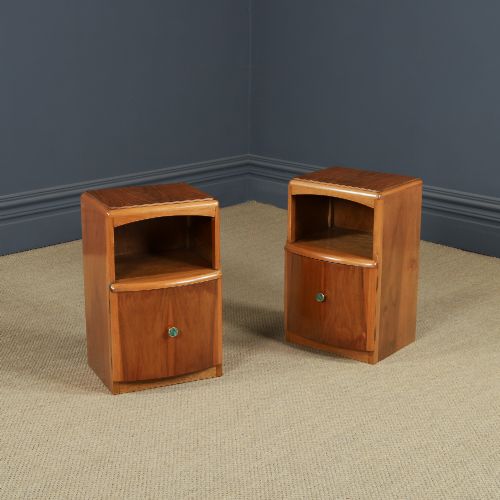
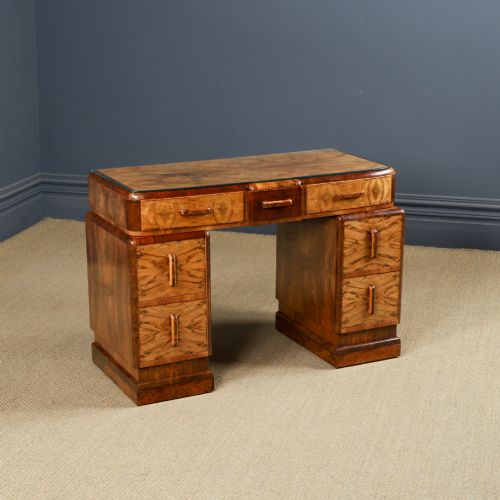
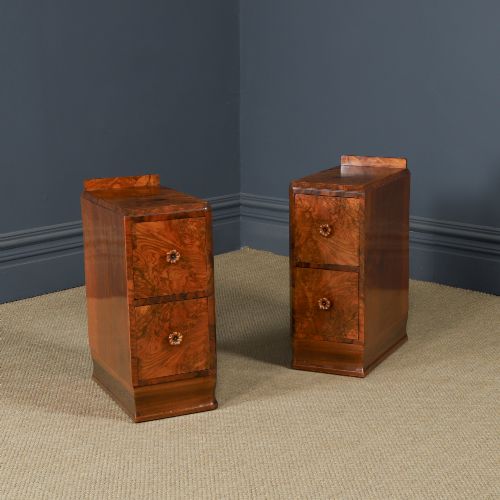
Makers and workshops of the era produced these surfaces for sitting rooms and bedrooms, often pairing them with matching nightstands or desks. The forms rely on circular tiers, rectangular tops, and interlocking frames rather than heavy Victorian ornamentation.
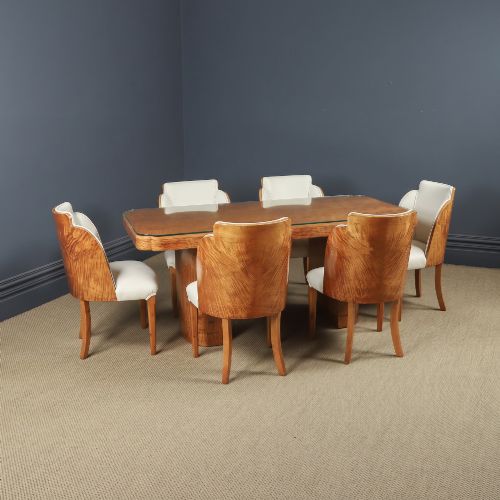
Surviving pieces span simple occasional stands to multi-tiered coffee tables and graduating nests. Walnut dominates the selection, frequently shown alongside glass inserts or chrome accents that catch the light.
Materials and construction methods
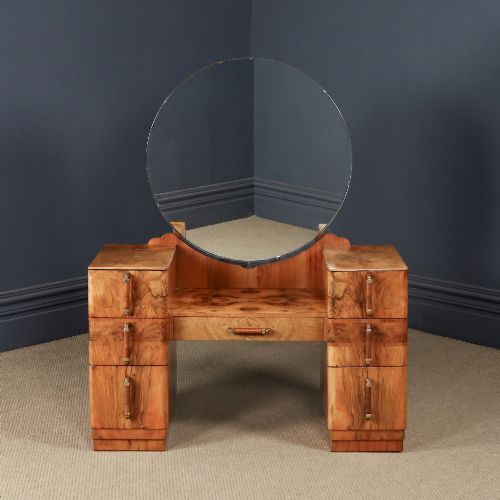
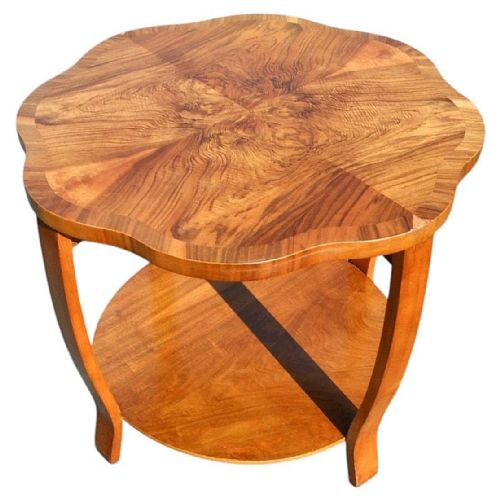
Makers constructed english art deco tables primarily using solid or veneered walnut, burr walnut, and occasional blonde oak or maple. Cabinetmakers laid contrasting wood veneers in geometric patterns across table tops to create visual depth without carving.
Metal components such as chrome and brass appear on supports and handles, introducing industrial brightness to domestic furniture. Glass tops and mirrored surfaces were integrated directly into wooden frames for smooth, reflective utility.
The majority of pieces date strictly to the nineteen thirties, reflecting interwar domestic design.
Distinctions in craftsmanship
Quality in english art deco tables rests upon the selection of timber veneers and the precision of the joinery. Finer examples display symmetrical burr walnut figuring across the entire top surface, whereas simpler versions rely on plain timber boards.
The integration of secondary materials like chrome plating or inset glass separates standard production items from workshop-made pieces. Solid construction without looseness in the tiered joints indicates higher original manufacture.
H L Epstein·Hille Furniture Company
The English Art Deco Tables Glossary
- Burr walnut
- A wood veneer taken from the warted growths on walnut trees, yielding swirling, organic patterns. Cabinetmakers prized this figure for central panels on table tops.
- Nest of tables
- A set of graduated tables designed to slide neatly beneath one another. This form saved floor space in smaller homes.
- Two tier table
- A surface featuring a main top plate plus a secondary lower shelf supported on vertical uprights. This design provided extra storage for books and tea items.
- Modernist
- A design philosophy focusing on function, clean lines, and minimal ornamentation. It stripped away historical revivalism in favour of geometric clarity.
English Art Deco Tables: Frequently Asked Questions
What rooms suit english art deco tables?
These tables fit comfortably into modern living spaces, serving as central coffee tables or side surfaces next to seating. Their low profiles and clean timber grains complement neutral or vintage interiors.
Smaller side tables and nests function well beside armchairs or as lamp stands, offering practical surfaces without dominating a room.
How do I care for walnut veneer surfaces?
Walnut surfaces respond best to dry dusting with a soft cloth and protection from direct sunlight and heat sources. Avoiding excess moisture prevents the timber and underlying glue from degrading over time.
Occasional application of appropriate furniture wax maintains the natural sheen of the wood without sealing it in modern synthetics.
Are nest tables stable when separated?
Well-made nests maintain stability across each individual table because the frames are proportioned to balance weight evenly. The smaller subsidiary tables rely on sturdy leg joints designed for regular pulling out and sliding back.
Heavier wood selection in the primary frame prevents tipping when items are placed on the outer edges.
How do chrome elements age on these tables?
Chrome plating on interwar furniture provides a durable metallic finish that resists tarnishing better than silver or brass. Gentle cleaning removes surface dust and preserves the reflective polish.
Pitting can occur if moisture remains on the metal over long periods, making dry storage important.