


Modernist Side Tables
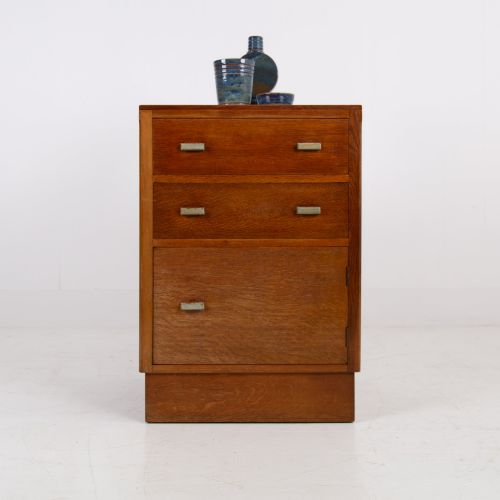
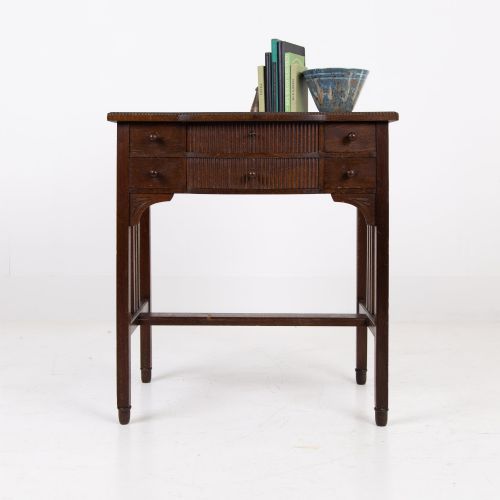
These modernist side tables bring clean architectural lines and functional design into contemporary rooms through striking period materials.
Modernist Side Tables
Modernist side tables encompass compact occasional furniture designed with geometric clarity, utilitarian purpose, and forward-looking aesthetics. When exploring modernist side tables on this page, the predominant forms emerge from the nineteen-twenties and nineteen-thirties, spanning oak, walnut, and occasional chrome or glass iterations.
Origins stretch across English, French, and American workshops, displaying distinct national interpretations of the modernist ethos. Buyers encounter everything from blonde oak utility pieces to luxurious rosewood and ebony macassar occasional tables.
Materials and construction methods
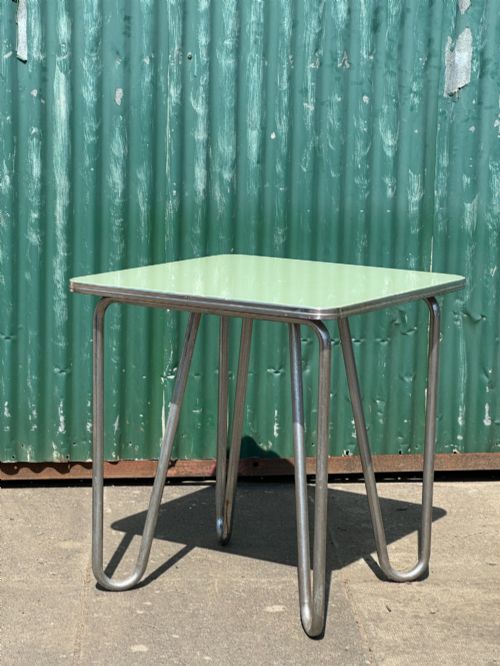
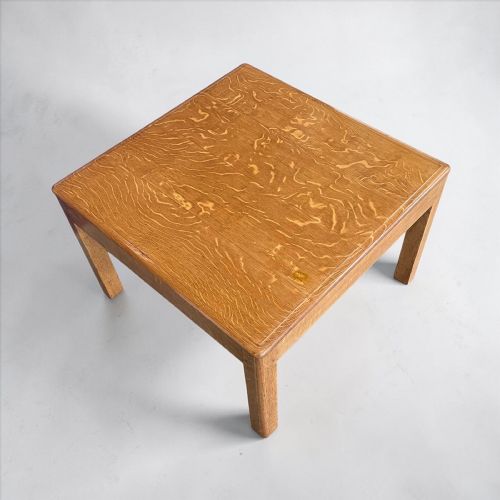
Makers utilised a combination of traditional hardwoods like oak, walnut, and rosewood alongside modern industrial elements such as tubular chrome and plate glass. Wood veneers were frequently applied to create striking geometric grain patterns across table tops and cabinet fronts.
Metal components, including nickel plating and brass trim, provided structural framing and decorative contrast against polished timber surfaces. Joinery methods balanced hidden internal reinforcement with the sleek, uninterrupted exterior lines demanded by the modernist aesthetic.
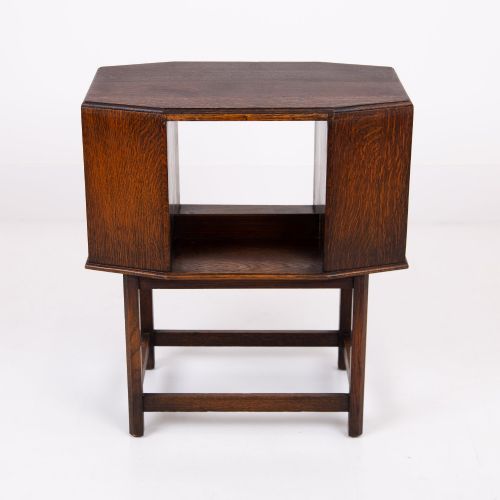
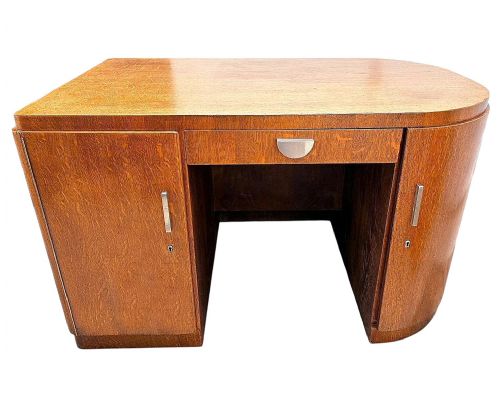
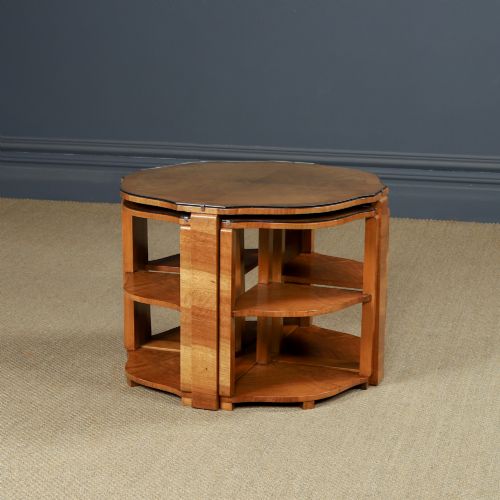
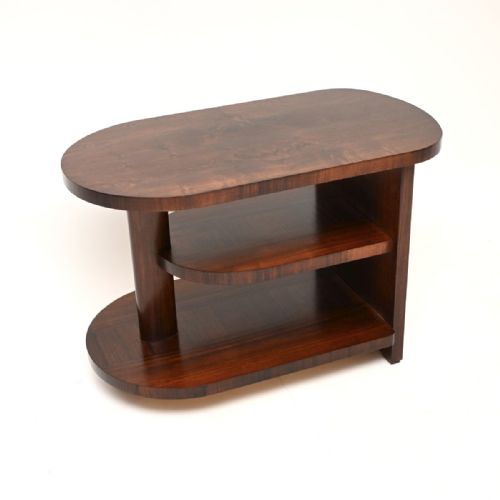
The listings here span oak, walnut, rosewood, chrome, and glass across side tables, desks, and nests.
Distinguishing quality in execution
The distinction between standard commercial output and superior craftsmanship rests upon the choice of timber selection and the precision of veneer matching. Finer examples display continuous grain across multiple drawers or tiers, demonstrating deliberate aesthetic planning by the maker.
Structural integrity reveals itself in the rigidity of metal frames, the smoothness of drawer operations, and the seamless integration of glass inserts within wooden or metallic chassis. Superior pieces maintain their geometric balance without visible sagging or loose joints over decades of use.
Gomme·Oliver Percy Bernard·Betty Joel·Gilbert Rohde·Hille·Michel Dufet
The Modernist Side Tables Glossary
- Art Deco
- A design style characterised by sleek geometric shapes, streamlined forms, and opulent materials popular during the interwar period. It heavily influenced the development of domestic modernist furniture.
- Veneer
- A thin layer of superior wood glued to a base of common timber to provide an decorative exterior surface. This technique allowed makers to utilise exotic woods efficiently.
- Gueridon
- A small French occasional table or stand, often round in shape, designed to hold lamps or decorative objects. These tables frequently served prominent roles in Parisian modernist interiors.
- Nest of tables
- A set of graduated tables designed to fit neatly beneath one another when not in use. They offer versatile surface space in compact modern living areas.
Modernist Side Tables: Frequently Asked Questions
What defines a modernist side table?
These tables are characterised by stripped-back geometric forms, functional utility, and an absence of excessive historical ornamentation. They prioritise clean lines and honest expression of materials.
Most examples date from the interwar period, reflecting the architectural shifts of the nineteen-twenties and nineteen-thirties.
How were nests of tables used?
Nests provided flexible surface space for entertaining without permanently cluttering smaller domestic rooms. Individual tables could be pulled out as needed for drinks or books.
They demonstrated clever spatial efficiency valued by modernist interior designers.
Are chrome and glass common?
Tubular chrome and plate glass appear frequently in pieces influenced by industrial manufacturing techniques. These materials offered a stark contrast to traditional dark woods.
They represent the technological optimism of the period.
How do I care for wood veneer?
Veneered surfaces require protection from excessive moisture and direct sunlight to prevent lifting and fading. Regular dusting with a soft cloth maintains the polished finish.
Avoid silicone-based polishes that can degrade historical surface coatings over time.