



English Aristocratic Portrait
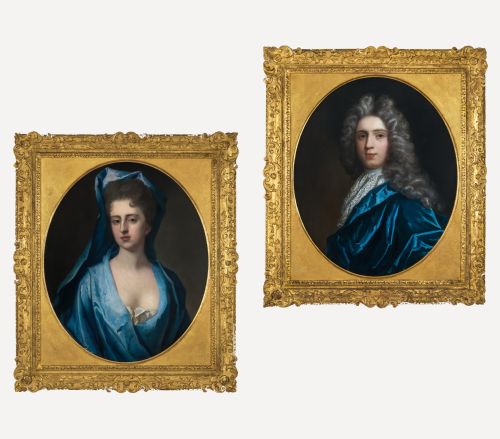
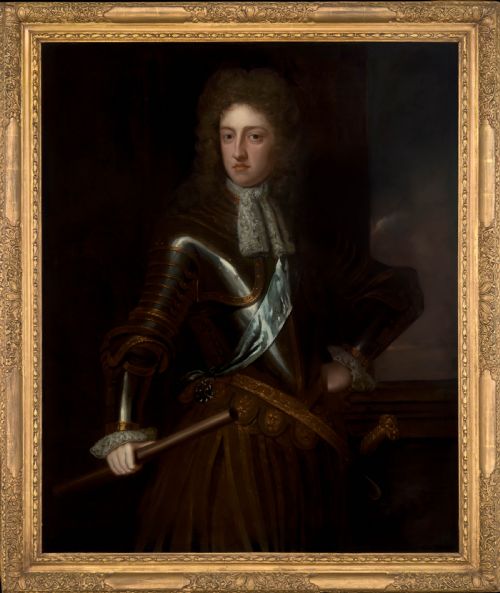
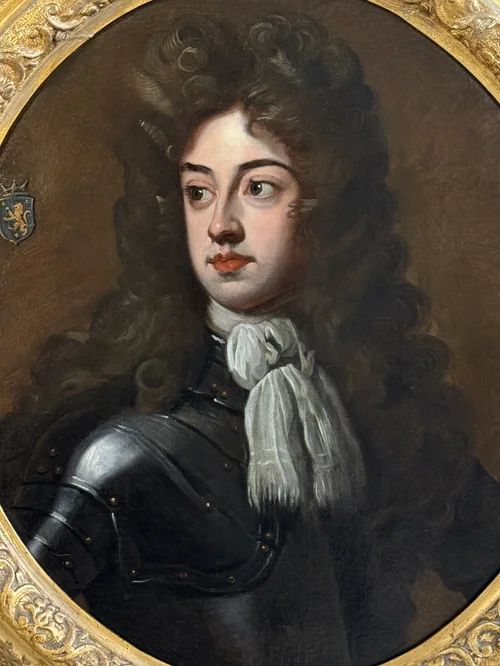
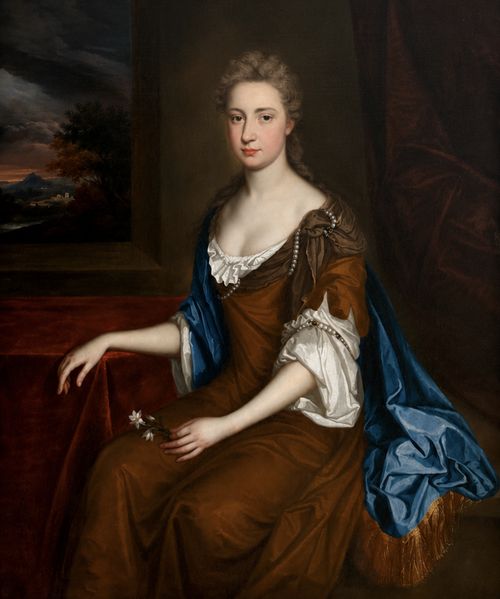
An english aristocratic portrait brings centuries of lineage and stately presence into a room through oil paint on canvas.
English Aristocratic Portrait
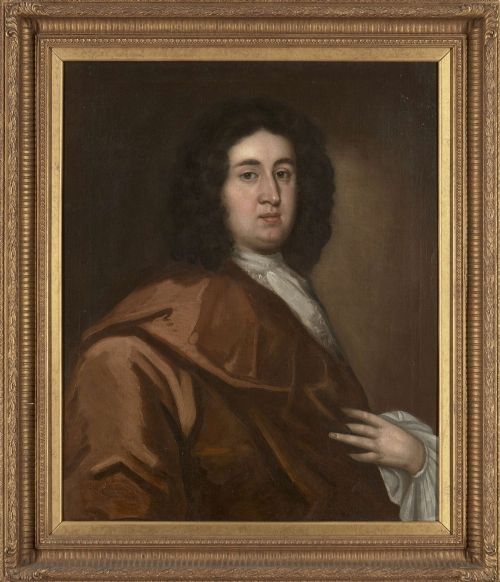
An english aristocratic portrait captures nobility, baronets, earls, and ladies in formal attire, often rendered during the seventeenth and eighteenth centuries. These works record lineage, status, and power through formal poses and detailed costume.
The pieces meeting this description span the seventeenth century, the eighteenth century, the nineteenth century, and the regency period. Buyers encounter oil paintings on canvas framed in gilded wood, alongside occasional pencil and watercolour works.
The subjects wear garments such as green silk gowns, ermine-trimmed cloaks, and garter robes, reflecting their standing in British society. Portraits range from depictions of single noblewomen and gentlemen to double portraits of aristocratic children and peers.
What varies in quality
Quality rests upon the skill with which the artist renders facial likeness, hands, and textile textures such as lace or velvet. Studio pieces often display more formulaic drapery execution compared to primary works by named masters.
The selection includes works attributed to major baroque and british baroque workshops alongside pieces created by the circle of mary beale and sir peter lely.
JOHN HAYLS·MICHAEL DAHL·THOMAS MURRAY·SIR GODFREY KNELLER·JOHN CLOSTERMAN·TRAJAN HUGHES·MARY BEALE·SIR PETER LELY·GEORGE PERFECT HARDING·SIR WILLIAM BEECHEY·JOHN MICHAEL WRIGHT·JOSEPH HIGHMORE
The English Aristocratic Portrait Glossary
- Circle of
- A term used when a painting originates from an unidentified artist working closely within the immediate sphere of a known master. The style closely mirrors the named painter without claiming direct authorship.
- Gilded wood
- Wood treated with a thin layer of gold leaf or metallic powder, commonly utilised for ornate picture frames during the baroque and regency eras.
- Garter robes
- Formal ceremonial vestments associated with the Order of the Garter, worn by high-ranking peers in grand scale portraiture.
- Studio of
- An indicator that a work was produced under the supervision of a master painter within their primary workshop, often incorporating input from assistants.
- Baroque
- An artistic style characterised by drama, rich colour, and grand scale, prominent in British portraiture during the seventeenth and early eighteenth centuries.
English Aristocratic Portrait: Frequently Asked Questions
What is an english aristocratic portrait?
An english aristocratic portrait is a historic painting depicting a member of the nobility, such as an earl, baronet, or lady, dressed in formal attire. These works served to document family lineage and social standing.
Created primarily in oil on canvas, these paintings document sitters from the seventeenth century through to the regency era. They often feature prominent figures associated with British history.
How were these portraits displayed?
Aristocratic portraits were traditionally hung in the galleries, halls, and reception rooms of country houses to project authority and ancestral depth. The heavy gilded wood frames were designed to complement neoclassical or baroque interiors.
Living with these pieces involves placing them in rooms with stable humidity and away from direct sunlight to protect the oil pigments. Proper wall anchoring is necessary due to the substantial weight of the canvas and wooden frames.
How do I tell periods apart?
Distinguishing periods relies on observing the sitter's costume, wig style, and the framing techniques of the canvas. Seventeenth-century portraits often feature stiff lace collars and dark backgrounds, while eighteenth-century works display softer drapery and brighter palettes.
Stylistic shifts from baroque grandeur to regency restraint provide clear visual markers. Examining the preparation of the canvas and the construction of the stretcher frame also aids in dating the object.
Who painted these portraits?
These works were produced by court painters, prominent portraitists, and their respective workshops or circles. Masters such as Sir Godfrey Kneller and Sir Peter Lely dominated much of the period.
Many paintings originate from the studio of a major artist or an associated circle rather than the master's own hand. Attribution is determined through stylistic comparison with documented works by these painters.