


English Arched Mirror
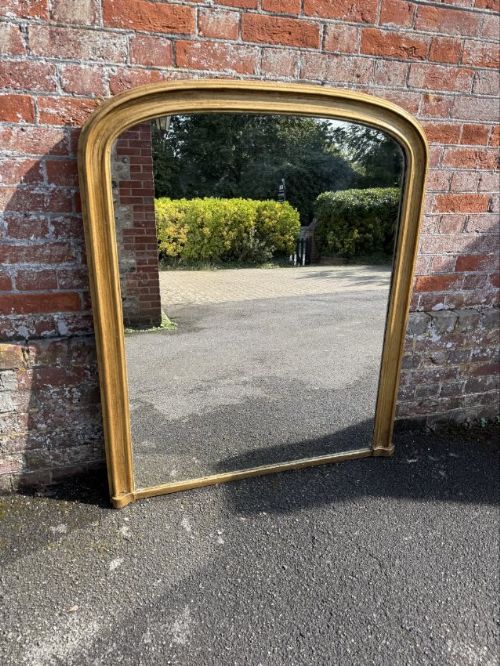
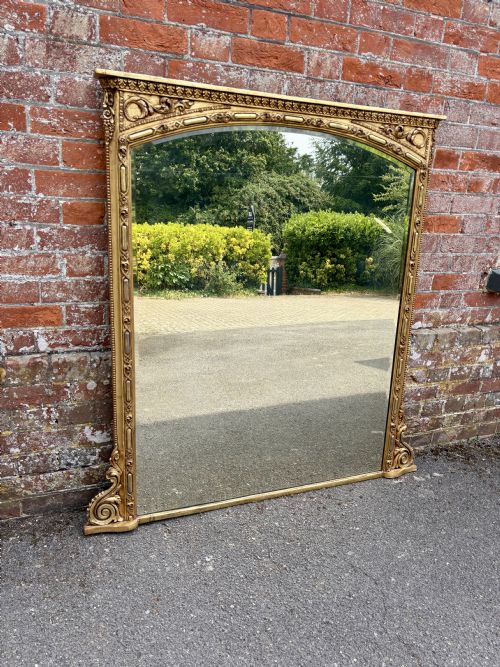
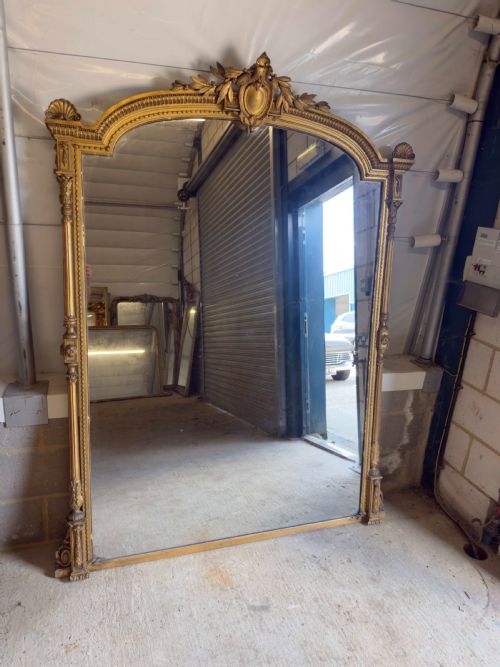
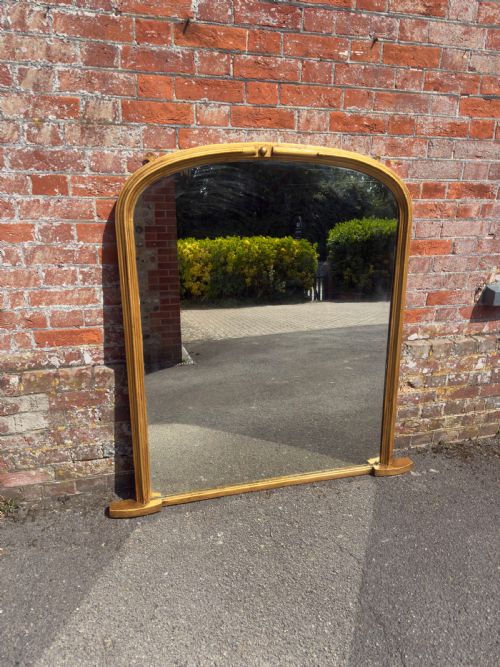
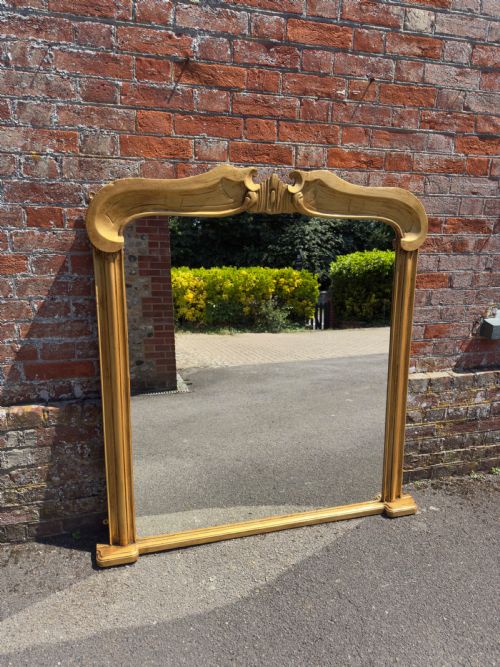
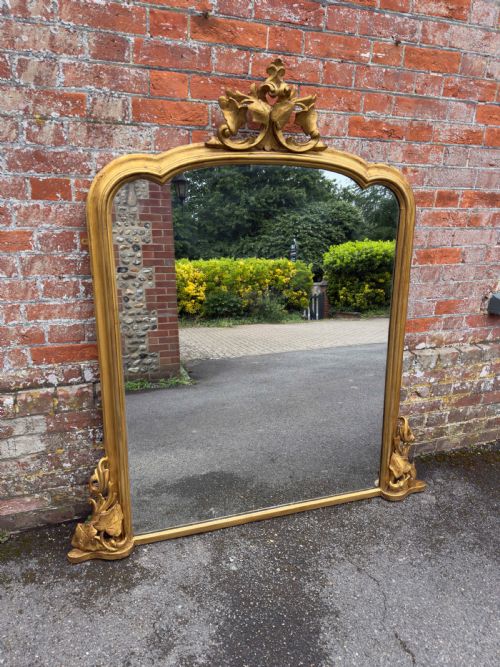
These substantial pieces define grand Victorian interiors, offering an english arched mirror to anchor a mantelpiece or reflect light across a room.
English Arched Mirror
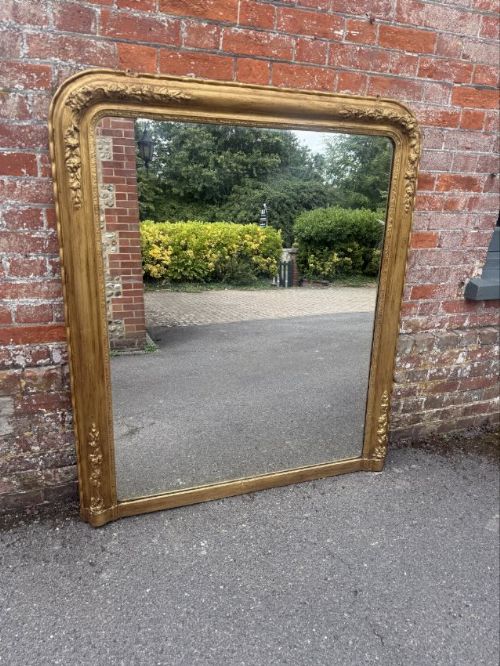
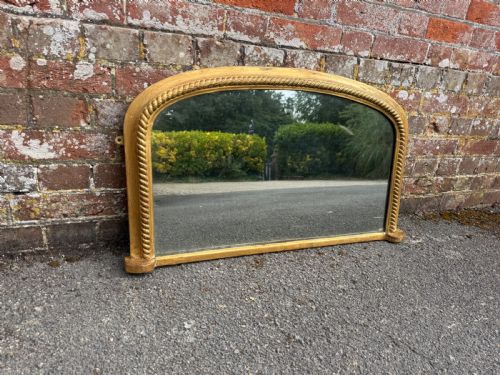
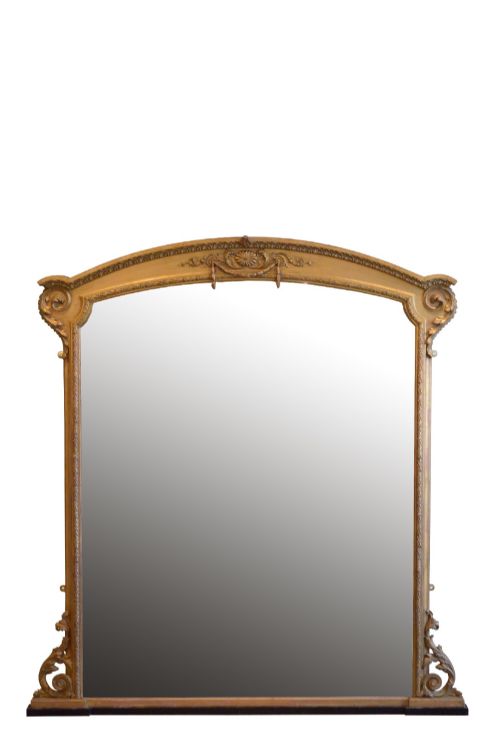
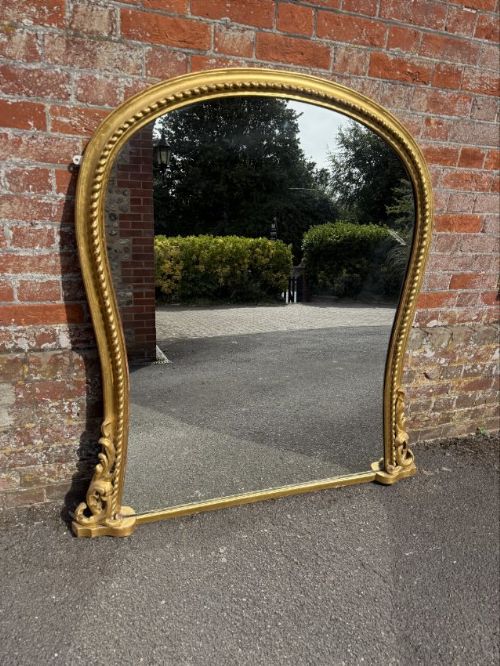
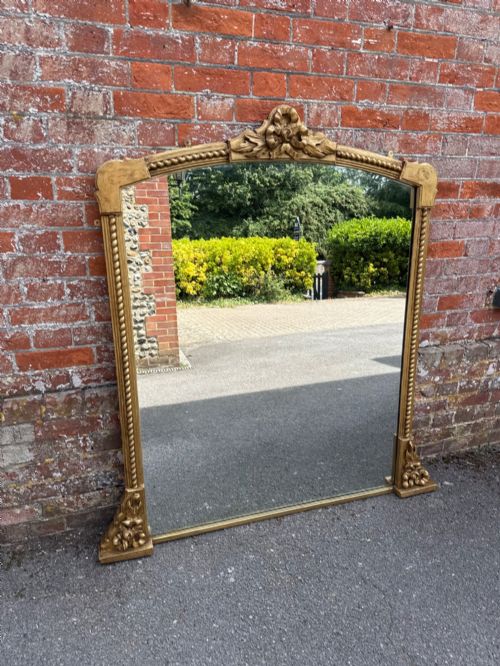
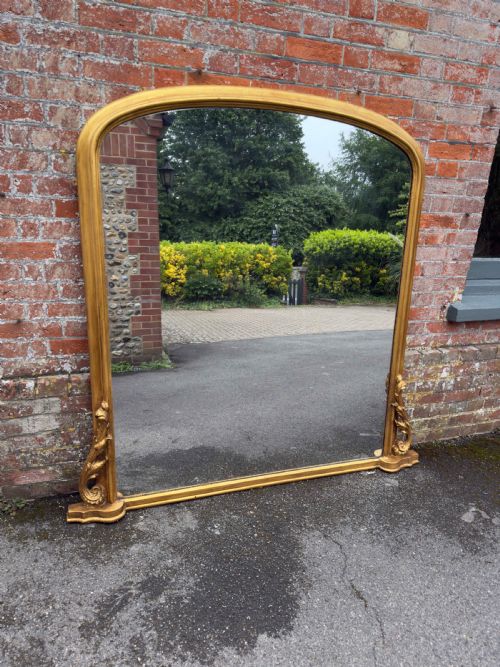
The search for an english arched mirror brings up heavy nineteenth-century furnishings designed primarily as overmantel mirrors for the principal rooms of townhouses and country homes. Most examples encountered here date from the Victorian period, spanning decades from eighteen fifty to eighteen ninety, shaped with distinctive curved tops to sit above fireplace surrounds.
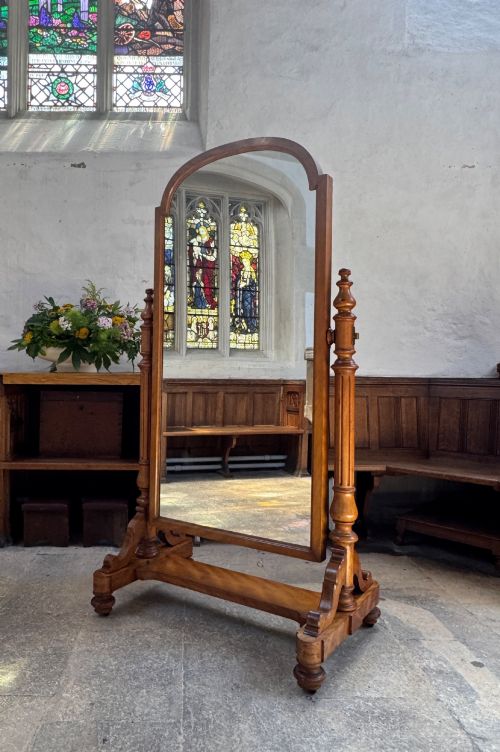
Beyond standard overmantels, the selection occasionally includes cheval mirrors and pier mirrors intended for specific architectural spaces. These objects combine utilitarian reflective glass with ornate wooden framing, functioning as focal points that expand perceived interior space.
Originating largely from nineteenth-century English workshops, these mirrors demonstrate the domestic scale and decorative ambitions of the era. Their proportions are generally large, built to command the horizontal expanse of a chimney breast.
How They Were Made
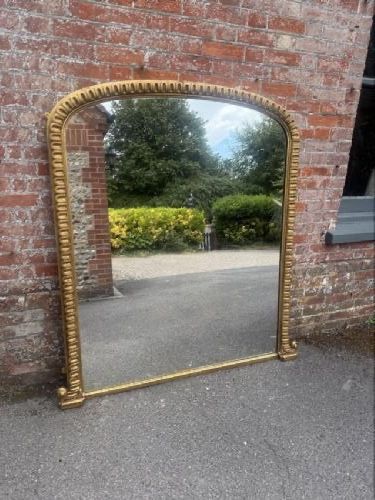
Framing relies on carved wood built up with layers of gesso to receive intricate surface ornament, including rope twist, laurel leaf, and ribbed column motifs. Artisans applied gold leaf or paint over the gesso base, frequently combining parcel gilding with ebonised or silvered finishes.
The mirror glass itself is fitted into substantial wooden rebates behind the decorative frame, secured to heavy backing boards that support the considerable weight of the assembly. Structural integrity depends on robust joinery within the wooden carcass to withstand the outward pressure of large glass plates.
Listings feature nineteenth-century English pieces utilising carved wood, gesso, gold leaf, and mirror glass within Victorian styles.
What Varies in Quality
Differentiation across the range rests on the crispness of the gesso moulding and the depth of the carved wood elements beneath. Superior examples display sharply defined ornament, such as deep rope twists or meticulously formed laurel leaves, whereas lesser pieces show softer, shallower relief work.
The preservation of original gilding and the integrity of the mirror glass contribute significantly to the standing of a piece. Retaining the original reflective plate and uncompromised gold leaf distinguishes the finest survivals from those subjected to later repainting or silvering.
The English Arched Mirror Glossary
- Overmantel Mirror
- A large mirror specifically designed to be hung or placed upon the mantelpiece above a fireplace. These pieces were often proportioned to match the width of the fireplace surround below.
- Gesso
- A plaster-like mixture applied to a wooden substrate to create a smooth surface for gilding or painting. It allows craftsmen to model intricate low-relief decorations before applying gold leaf.
- Giltwood
- Wood that has been decorated with gold leaf or gold paint applied to its surface. This finish provides a bright, reflective metallic sheen that catches interior candlelight or daylight.
- Cheval Mirror
- A freestanding, full-length mirror hung on a central vertical pivot between two upright posts. This form allows the glass to be tilted to various angles.
- Pier Mirror
- A tall mirror designed to be hung on the narrow section of wall between two windows, known as the pier. They often match the height of adjacent architectural joinery.
English Arched Mirror: Frequently Asked Questions
Where should an overmantel mirror be hung?
These mirrors traditionally sit directly upon the mantel shelf or are mounted to the wall just above the fireplace opening. Their horizontal proportions are engineered to anchor the visual weight of the hearth below.
Placing them at this height also allows the glass to reflect the opposite side of the room, distributing light naturally throughout the space.
What is a cheval mirror used for?
A cheval mirror provides a full-length reflection and stands independently on the floor rather than hanging on a wall. The pivoting frame allows the user to adjust the angle as needed.
Such pieces functioned historically as dressing mirrors in bedrooms and dressing rooms, requiring no permanent wall fixings.
How do I identify Victorian mirror frames?
Victorian frames typically combine carved wooden structures with thick layers of gesso moulded into architectural or botanical motifs. Common decorative elements include rope twists, tulip patterns, and laurel leaves.
The backing boards, construction methods, and materials like satin birch or ebonised wood further point toward nineteenth-century workshop practices.
Can these heavy mirrors be wall mounted?
Due to their substantial wooden frames and large glass plates, these pieces possess considerable weight. Secure wall mounting requires heavy-duty fixings anchored directly into structural wall studs or masonry.
Many overmantels were originally designed to rest part of their weight on the mantel shelf while being secured at the top against the wall.