

English Storage Chest
An english antique storage chest offers robust utility and storied timber, joining practical domestic holding space with centuries of skilled joinery.
English Storage Chest
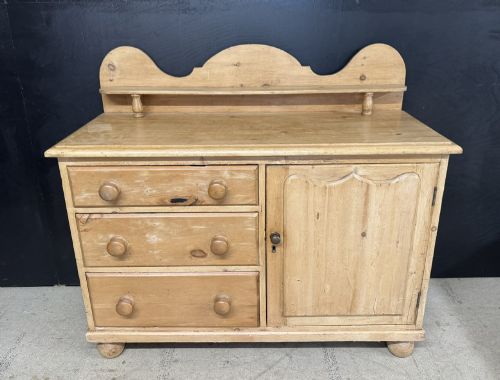
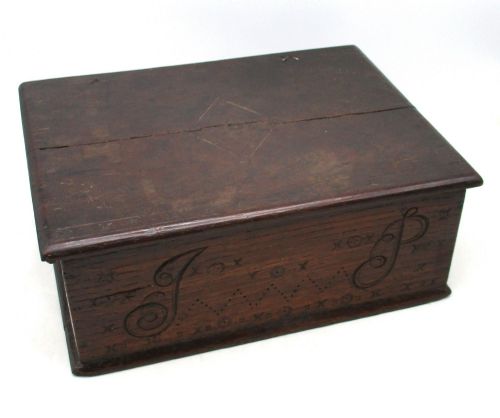
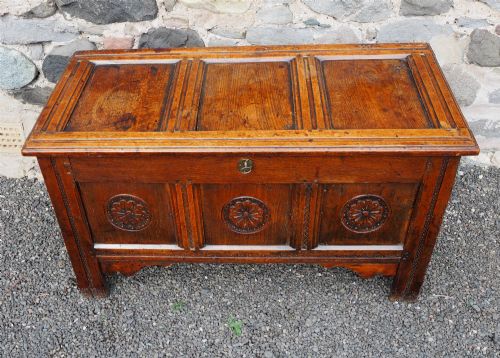
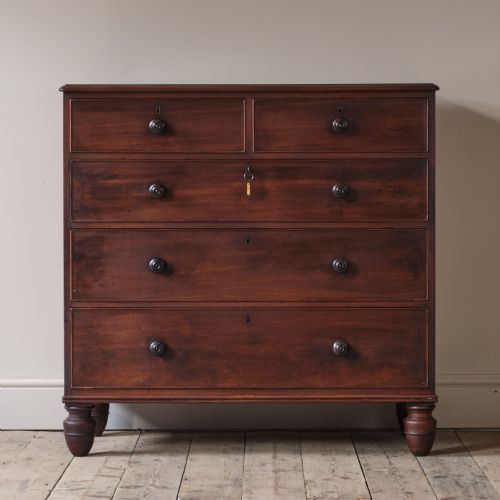
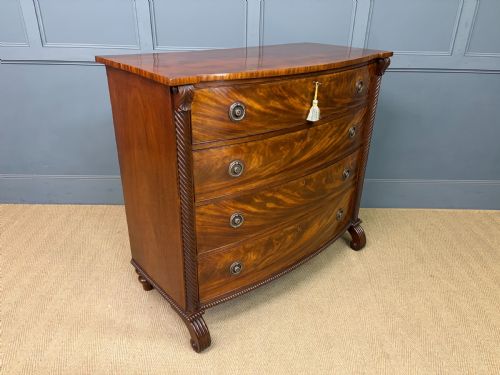
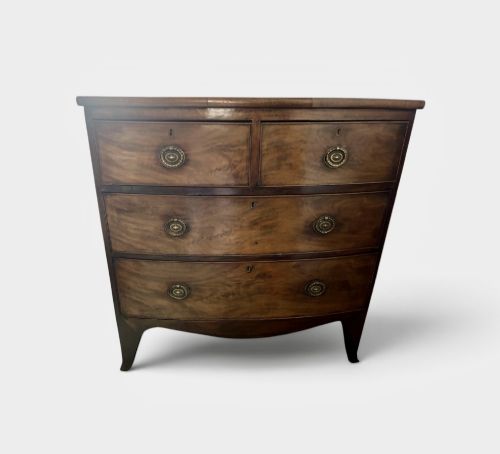
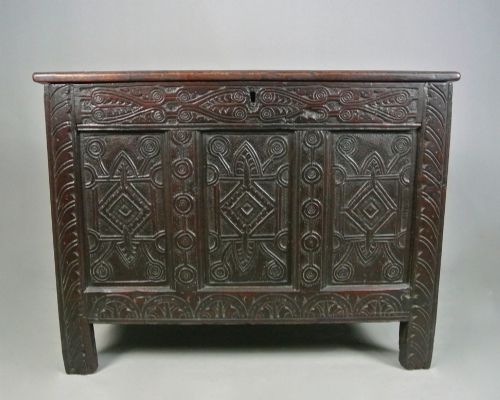
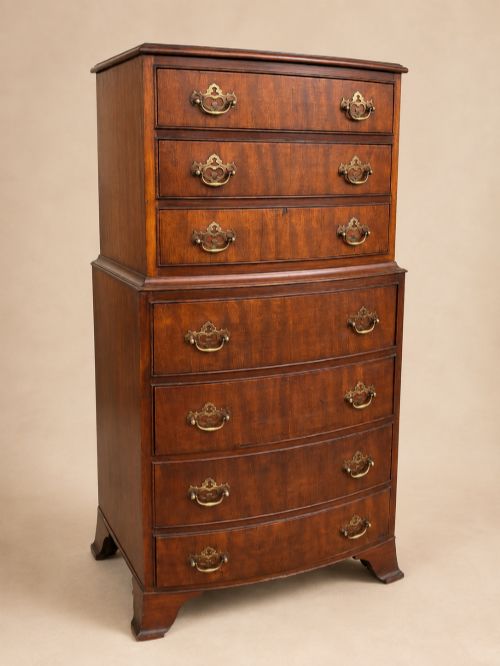
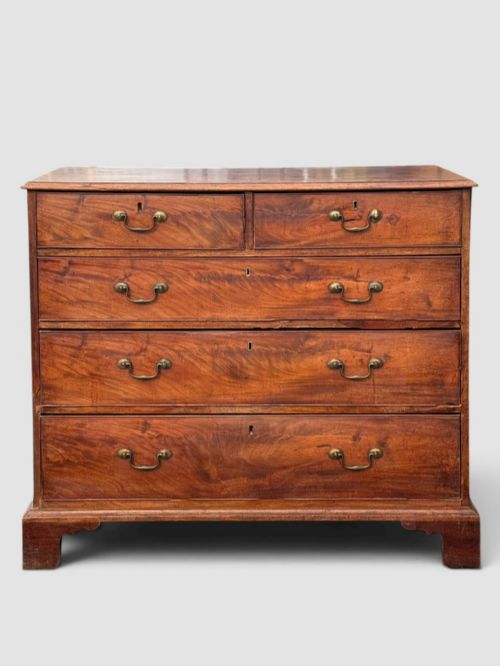
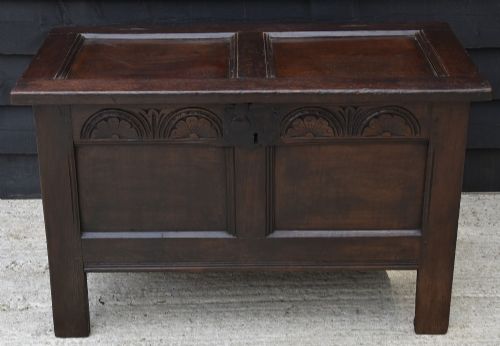
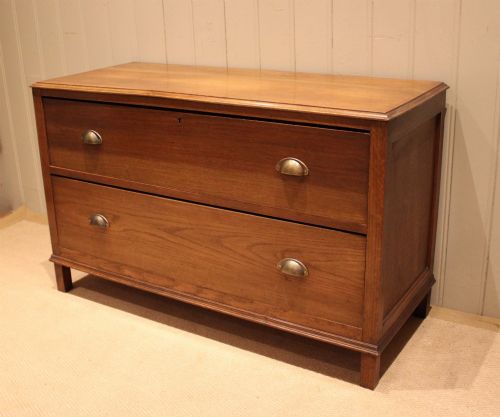
An english antique storage chest encompasses solid timber coffers, mule chests, and drawer-based forms designed to hold textiles, documents, and household goods. These utilitarian vessels range from early carved 17th-century oak boxes to polished Georgian and Victorian mahogany drawer units.
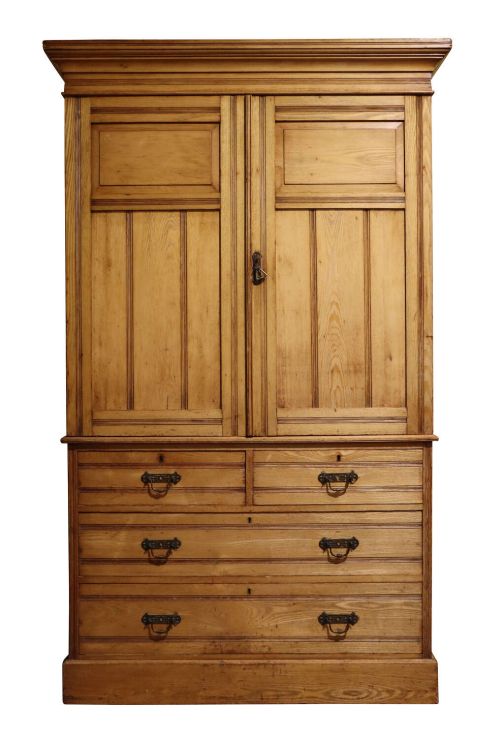
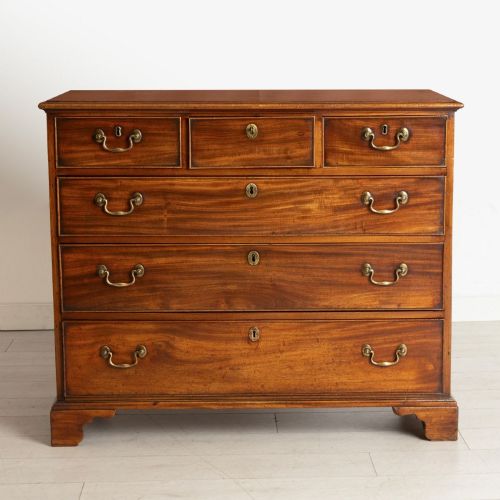
Buyers frequently encounter substantial oak coffers alongside refined mahogany chests of drawers and camphorwood campaign trunks. The selection spans humble country pine storage trunks to grand George III press cupboards and inlaid William and Mary designs.
Early periods rely heavily on pegged oak construction, while later centuries favour figured mahogany veneers and walnut finishes. Each piece reflects the domestic requirements of its era, shifting from simple lidded trunks to partitioned drawer configurations.
How They Were Made
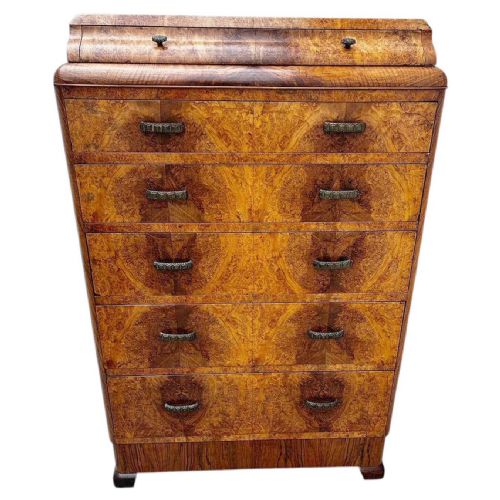
Cabinet makers built these pieces using durable native and imported woods, principally solid oak, mahogany, pine, and camphorwood. Surfaces often display flame mahogany veneer, burr walnut, or painted finishes applied over traditional joinery.
Metalwork played a structural and decorative role, incorporating iron hinges, brass handles, and occasional ironbound protective strapping. Panels were frequently joined by hand, utilising pegged mortise and tenon joints in earlier centuries and precision dovetailing in later drawer construction.
The inventory spans heavy 17th-century carved oak coffers to refined 19th-century mahogany campaign chests and pine storage trunks.
What Varies in Quality
The standard of timber selection and figuring dictates much of the visual appeal, moving from plain utility pine to highly figured burr walnut and flame mahogany. Superior examples retain original brass hardware, working locks, and untouched patination built up over generations.
Construction methods reveal the hand of the maker, distinguishing sturdy peg-joined rural coffers from finely drawer-lined urban pieces. Proportions and restrained carving set accomplished workshops apart from standard utilitarian carpentry.
T & G Seddon·Maple & Co
The English Storage Chest Glossary
- Coffer
- A large wooden chest traditionally used for holding valuables, linen, or documents. These sturdy lidded boxes often feature pegged joints and carved panels.
- Mule Chest
- A storage chest featuring one or two drawers beneath the main lidded compartment. They bridge the functional gap between traditional coffers and modern chests of drawers.
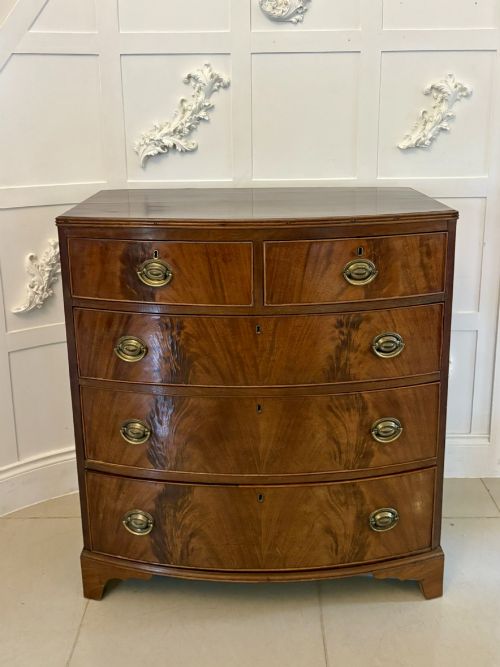
- Bow Front
- A convex curved cabinet or chest front popular during the Georgian and Regency periods. This curved profile softens the silhouette of heavy timber furniture.
- Campaign Chest
- A modular storage chest designed for military officers on the move, typically split into sections with recessed brass pulls. These portable trunks utilise sturdy woods like camphorwood or mahogany.
- Dovetail
- A joint formed by interlocking wedge-shaped fingers, widely used in drawer construction. Fine, tight dovetails indicate superior cabinet-making skill.
English Storage Chest: Frequently Asked Questions
What is the difference between a coffer and a chest of drawers?
A coffer is a traditional lidded storage box accessed from the top, often utilised for bulkier items like blankets and linens. A chest of drawers provides horizontal sliding compartments for organised clothing storage.
While coffers date back to medieval and seventeenth-century domestic life, drawer chests gained prominence in later centuries as interior joinery advanced.
How do I care for antique wood storage furniture?
Maintain these pieces by keeping them away from direct heat sources and dramatic humidity fluctuations, which can cause timber to split or warp. Regular dusting with a dry cloth preserves the finish.
Applying a traditional beeswax polish occasionally helps nourish dry wood and maintain the natural lustre of the surface.
Where were campaign chests used?
Campaign chests travelled with British military officers during active service campaigns across the empire. Their sectional design allowed easy dismantling and transport on horseback or ship.
Recessed brass handles and corner brackets protected the edges from heavy transit damage.
How can I tell a seventeenth-century oak chest from a later reproduction?
Early oak pieces exhibit hand-split timber, pegged joinery, and tool marks left by pit saws rather than modern machinery. Natural wear patterns and pegged construction points indicate authentic period assembly.
Analysing the interior drawer linings, backboards, and secondary woods helps confirm the true age of the piece.