
Compact Storage Chest
A compact storage chest offers small-scale practicality for modest rooms, combining historical timber and neat drawer arrangements.
Compact Storage Chest
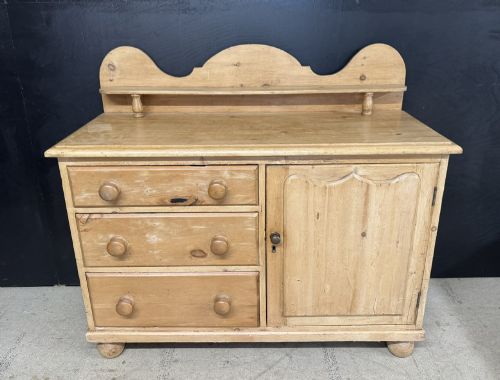
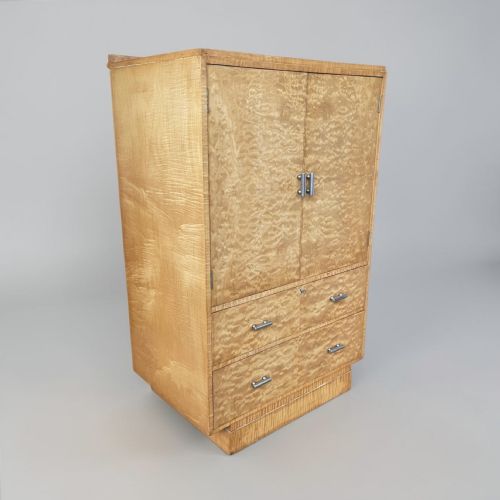
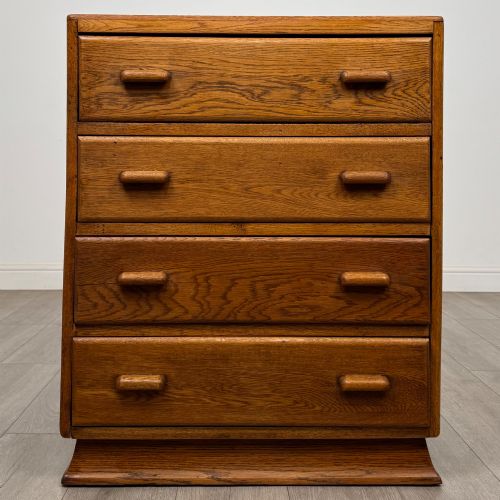
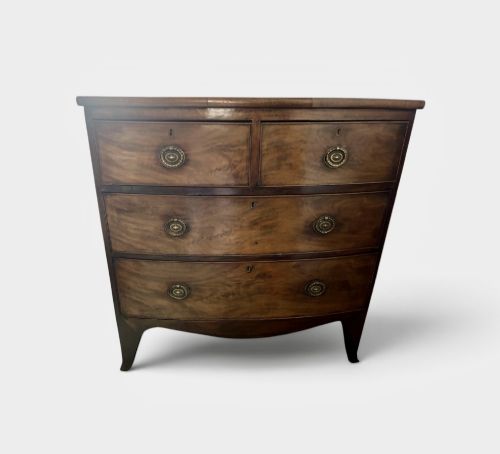
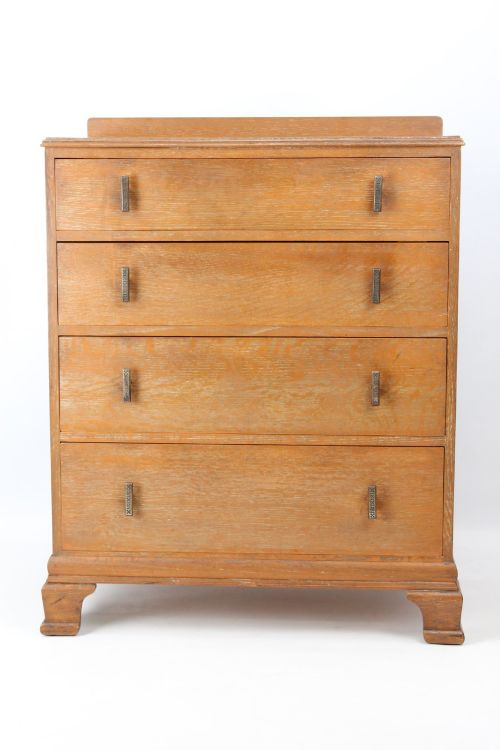
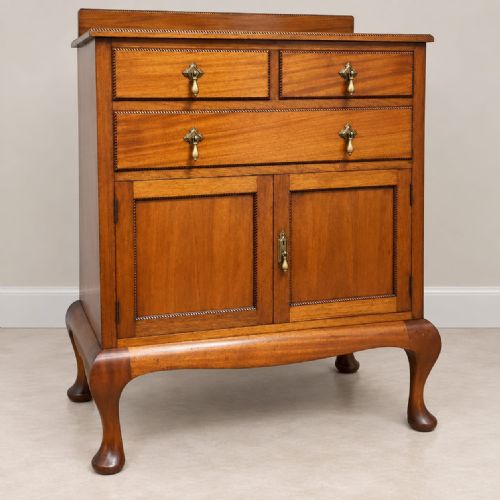
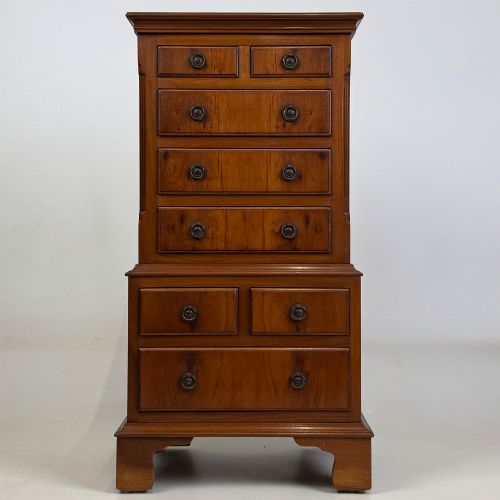
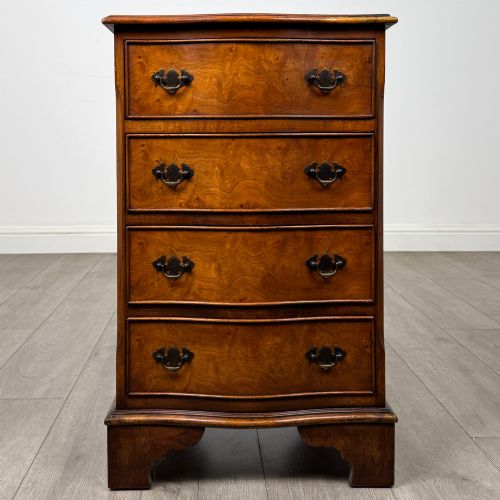
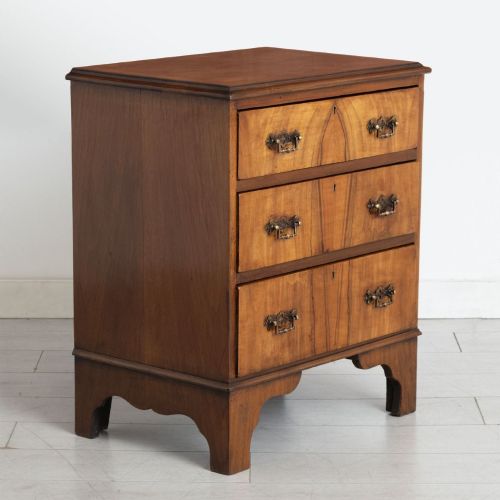
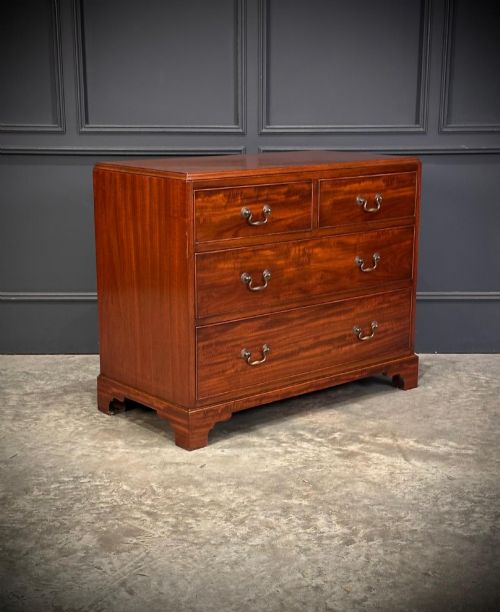
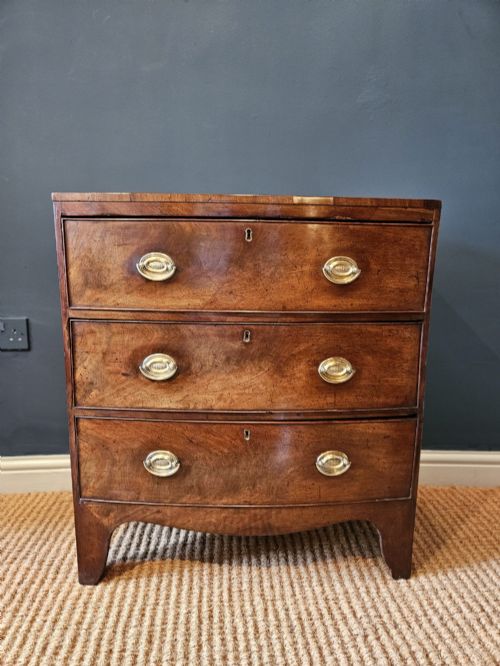
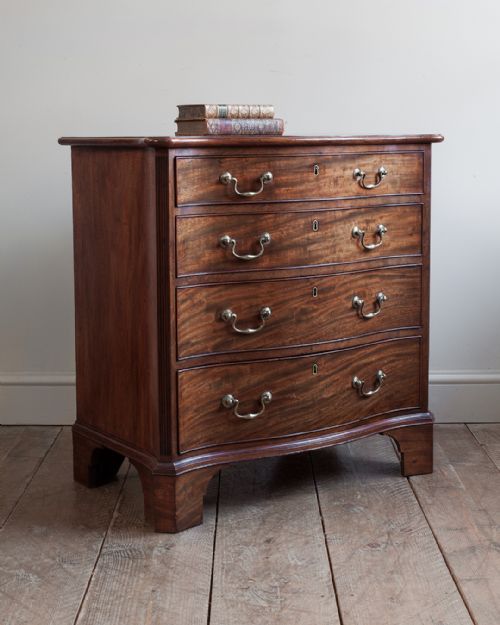
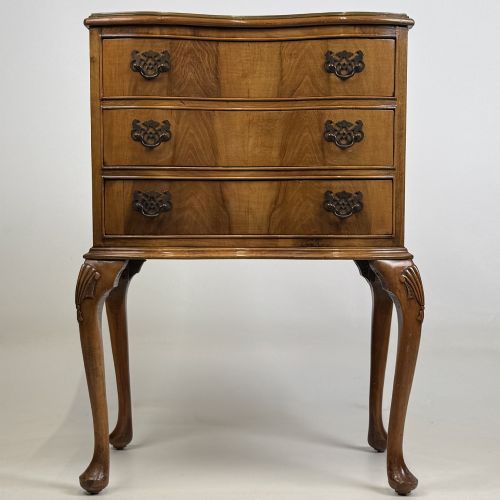
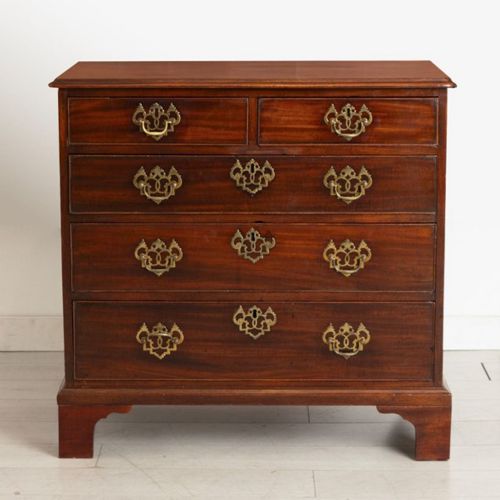
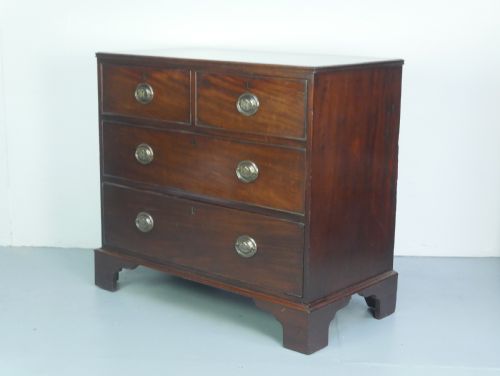
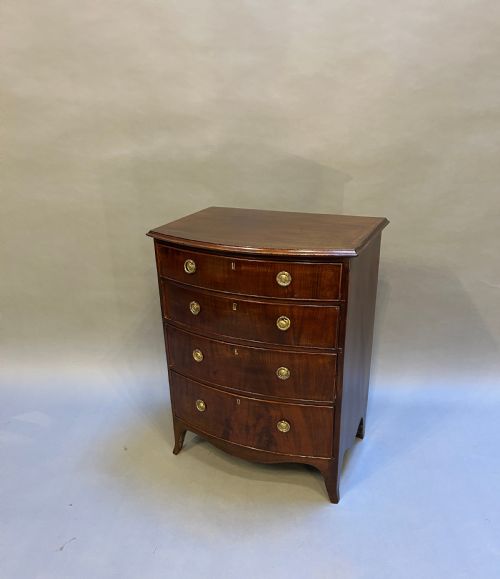
A compact storage chest is a smaller-than-usual drawer unit designed to fit restricted spaces without sacrificing internal capacity. When exploring this selection, buyers frequently encounter forms such as tallboys, bachelors chests, and narrow drawer banks originating from multiple periods.
The material palette spans traditional hardwoods like mahogany, oak, and walnut, alongside pine and exotic veneers such as burr walnut and birds eye maple. These pieces date across several centuries, running from seventeenth-century examples up through Georgian, Regency, Victorian, and Edwardian eras into the nineteen-thirties.
Origins vary from country house utility pieces to refined London workshop items, unified primarily by reduced proportions. Such forms provide practical utility for modern interiors requiring period character without heavy floor footprints.
Materials and Construction Techniques
Makers constructed these cabinets using solid native timbers like oak and pine for internal carcases, whilst applying figured mahogany, walnut, or yew veneers to primary exterior surfaces. Drawer construction typically relied on hand-cut dovetail joints to ensure structural strength under daily use.
Hardware additions commonly involved brass drop handles and escutcheons secured to drawer fronts, alongside specialised locking mechanisms found on pieces like Wellington chests. Surface finishes relied on traditional polish or paint applications, including scumble finishes on country house pieces.
Distinctions in Quality and Craftsmanship
Quality in these chests rests upon the selection of timber figure, such as highly figured mahogany or oyster olive wood, and the crispness of internal joinery like drawer dovetails. Superior examples retain original hardware, feet, and backing boards rather than later replacements.
Proportion and scale drive desirability, with pieces exhibiting particularly narrow widths or shallow depths commanding attention for their refined execution. The balance of drawer sizing and restrained decorative carving separates utilitarian items from master cabinetmaker productions.
Gillows of Lancaster
The Compact Storage Chest Glossary
- Bachelor's chest
- A small drawer unit traditionally featuring a fold-over top or sliding writing shelf. These versatile pieces served personal correspondence and domestic organisation.
- Wellington chest
- A tall, narrow chest of drawers secured by a hinged locking side pilaster. This design keeps all internal drawers locked with a single turn of a key.
- Tallboy
- A stacked chest of drawers consisting of a lower section base beneath an upper drawer unit. This vertical arrangement maximises storage within a minimal floor footprint.
- Serpentine chest
- A storage unit featuring a wavy, undulating front profile. The curved woodwork demands exceptional joinery skill from the maker.
- Bracket foot
- A structural foot shape resembling a simple architectural bracket supporting the corners of a chest. It elevates the carcase slightly off the floor.
- Scumble paint
- A decorative surface finish applied to create simulated wood grain or patterned textures. This technique was common on country house utility furniture.
Compact Storage Chest: Frequently Asked Questions
What defines a compact storage chest?
A compact storage chest is a scaled-down cabinet designed to offer high drawer capacity within a narrow or shallow footprint. These pieces accommodate smaller rooms while maintaining traditional period aesthetics.
Such units include bachelors chests, tallboys, and narrow drawer banks constructed from timbers like mahogany, oak, and walnut.
How were bachelors chests used originally?
Bachelors chests served as personal storage and writing surfaces for individuals living in compact quarters. The pull-out slide or folding top provided a desk facility alongside everyday drawer storage.
These versatile items combined workspace and clothes storage into a single neat piece of furniture.
How do I identify a Wellington chest?
A Wellington chest is identified by its tall, narrow proportions and a vertical locking bar on one side. Swinging this hinged pilaster open unlocks the entire stack of drawers at once.
This secure mechanism protected confidential papers and valuables in nineteenth-century bedrooms.
What periods do these chests cover?
The available selection spans from late seventeenth-century William and Mary examples through Georgian, Regency, Victorian, and Edwardian eras up to Art Deco pieces from the nineteen-thirties. Each period brings distinct hardware styles, timber preferences, and construction methods.
Earlier items often feature oak or walnut, while later nineteenth-century examples frequently showcase figured mahogany.
How do I care for antique drawer wood?
Maintain these chests by keeping them away from direct sunlight and sudden temperature shifts that can dry out vintage timbers. Regular dusting with a soft, dry cloth preserves the polished surface.
Avoid placing damp items directly onto wooden tops to protect historical finishes from water marking.