

English Spoon
An English antique spoon brings centuries of domestic metalwork to the table, valued for its weight in sterling silver or pewter.
English Spoon
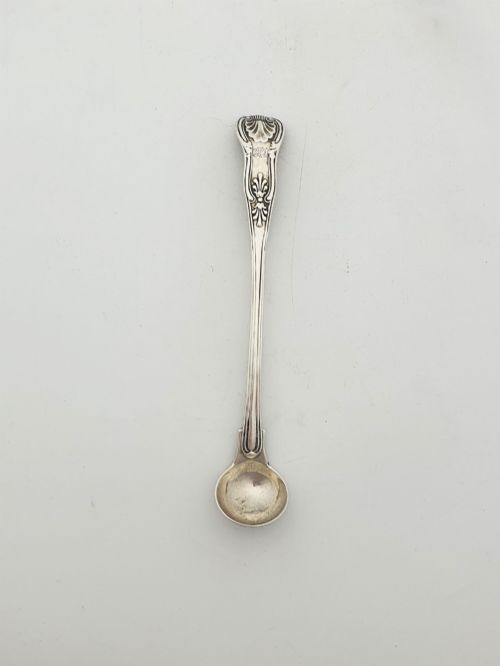
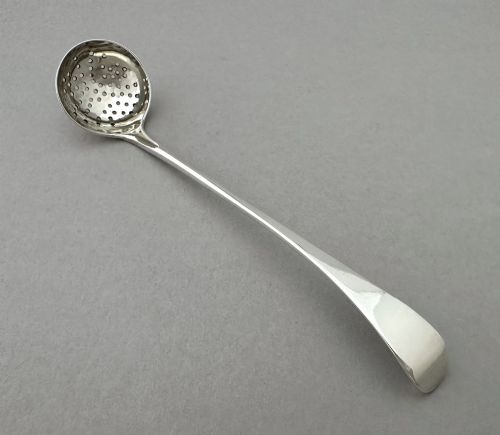
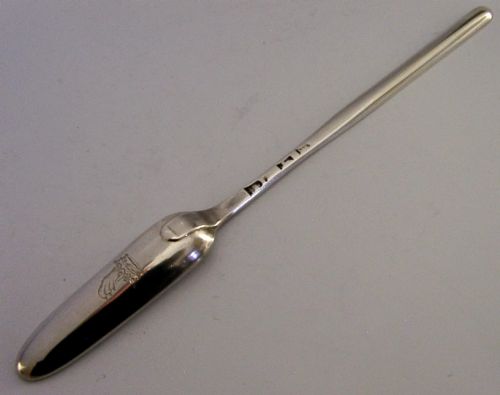
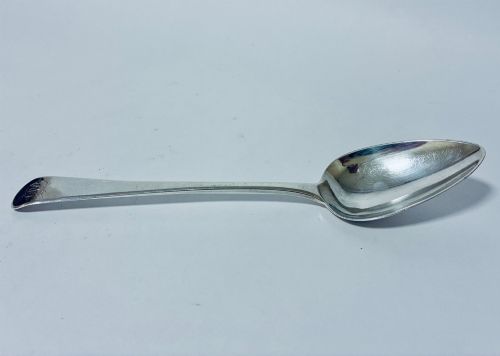
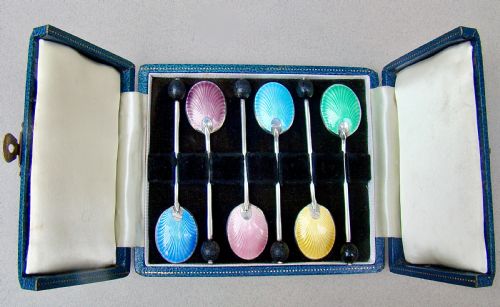
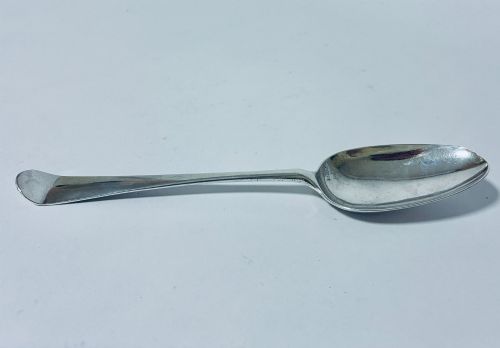
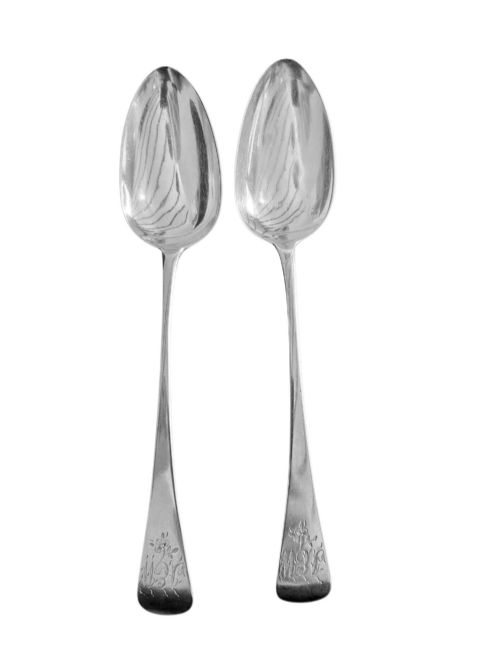
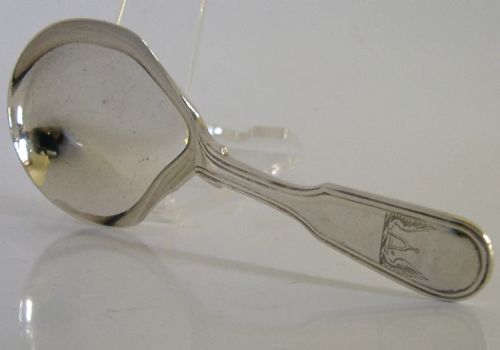
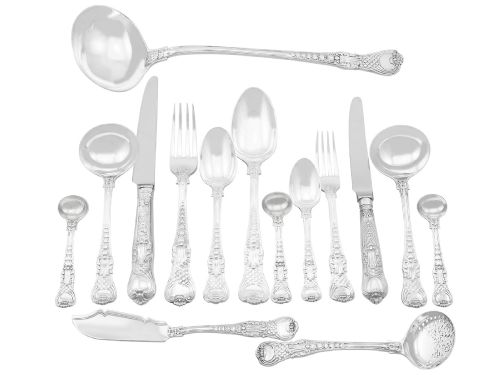
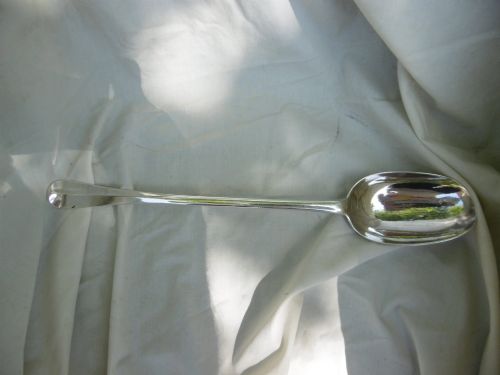
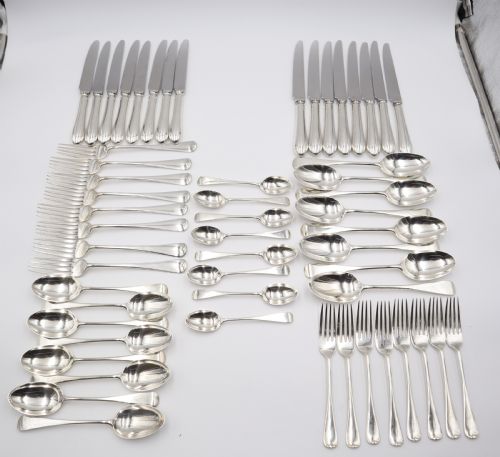
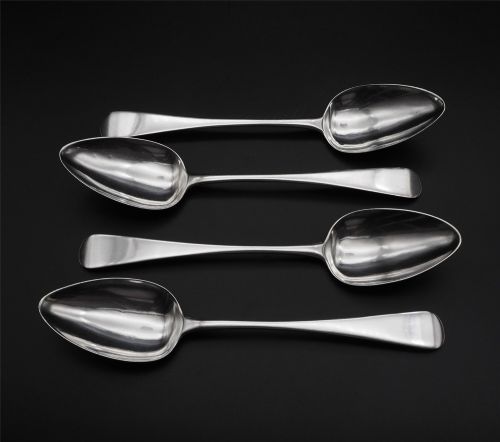
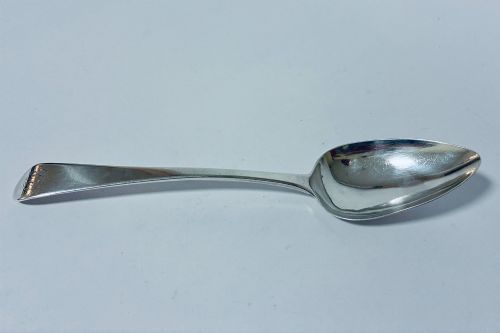
When you search for an english antique spoon, you encounter a range of eating and serving utensils spanning the seventeenth, eighteenth and nineteenth centuries. The pieces on this page include serving spoons, basting spoons, caddy spoons, marrow scoops and tablespoons produced during the Georgian and Victorian eras.
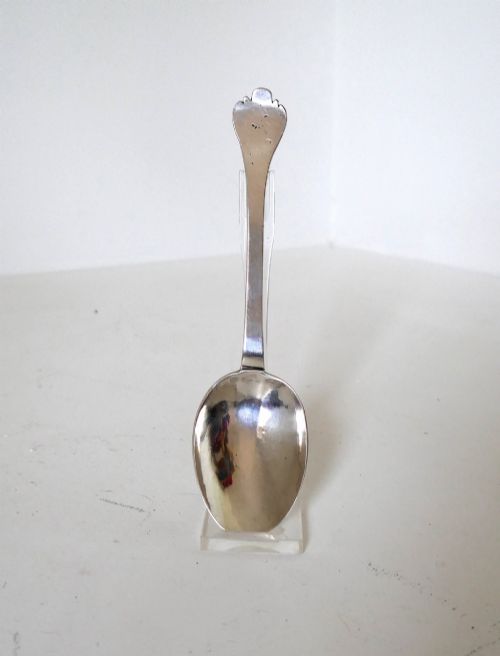
You are most likely to meet sterling silver examples bearing London or provincial hallmarks alongside occasional pewter forms. Styles run from early slip top and trefid designs to later Old English and fiddle patterns, reflecting the shifting tastes of English dining over hundreds of years.
How they were made
Silversmiths and pewterers shaped these objects using traditional hammering, casting and cutting techniques. Sterling silver pieces were beaten from ingots, while pewter items often relied on metal moulds to form the bowl and handle.
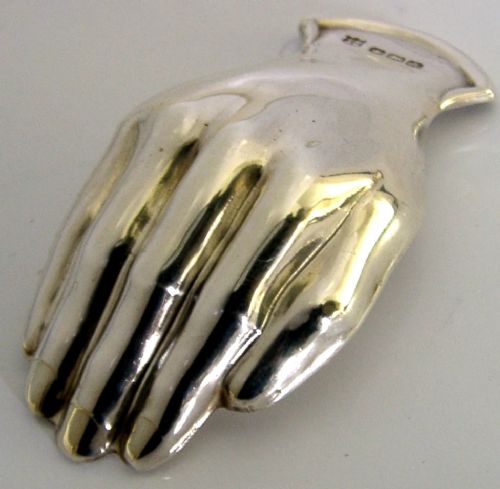
Makers applied punches to stamp town marks, date letters and maker's initials directly into the metal. Bowls were joined to stems or cast integrally, then finished with hand filing and polished surfaces.
English Spoon Retail Price Guide 2026
Typical asking prices for english spoon among the pieces listed under this phrase on Sellingantiques today, from the lower quarter to the upper quarter. They describe what is for sale here now, not the wider market.
Listings feature sterling silver and pewter materials across periods spanning the seventeenth century to the 1920s.
What varies in quality
The distinction between ordinary and exceptional examples rests upon the clarity of the hallmarks and the preservation of the original bowl shape. Pieces that retain their full metal thickness and sharp maker's stamps command greater interest than those worn down by generations of cleaning.
Design complexity also marks out the better specimens, from engraved family crests and intricate handle terminals to provincial rarities by notable makers.
John Lambe·Peter and Jonathan Bateman·Hester Bateman·Andrew Archer·Jonathan Hayne
The English Spoon Glossary
- Hallmark
- Official stamps applied to precious metals indicating the standard of purity, the assay office, and the date of manufacture. These marks allow collectors to trace the exact origin and maker of silver items.
- Marrow scoop
- A double-ended utensil with narrow troughs designed for extracting marrow from bones. These pieces date predominantly from the Georgian period.
- Basting spoon
- A large utensil used for ladling juices over meat during roasting. They frequently appear in eighteenth-century silver services.
- Slip top
- A style of spoon featuring a straight handle cut off at an oblique angle at the end. This early form dates back to the Tudor and Stuart periods.
English Spoon: Frequently Asked Questions
How do I date an english antique spoon?
You date these pieces by examining the stamped hallmarks and duty marks on the metal. Assay office letters and annual date codes provide the exact year of production.
Stylistic shifts in handle shapes, such as the transition from trefid to Old English patterns, also help narrow down the manufacturing period.
What is a marrow scoop used for?
A marrow scoop served a practical dining function during the seventeenth and eighteenth centuries. The double-ended trough design allowed diners to extract marrow from animal bones at the table.
Today, collectors prize these slender silver implements as specialised examples of Georgian cutlery.
Are pewter spoons older than silver ones?
Pewter pieces on this page date from the seventeenth and eighteenth centuries, running parallel to many silver examples. Early domestic metalware often utilised pewter as an accessible alternative to precious metals.
Both materials survived side by side in English households, though silver items were more frequently preserved for special occasions.
How should I clean antique silver spoons?
You should clean antique silver with a soft cloth and minimal intervention to preserve the original patina and hallmark stamps. Avoid harsh abrasive dips that strip away the surface character accumulated over centuries.
Store them in a dry environment away from direct sunlight and humidity to prevent tarnish.