


English Secretary Desk
An english antique secretary desk brings rich walnut and mahogany timber together with clever fall-front writing compartments for the home.
English Secretary Desk
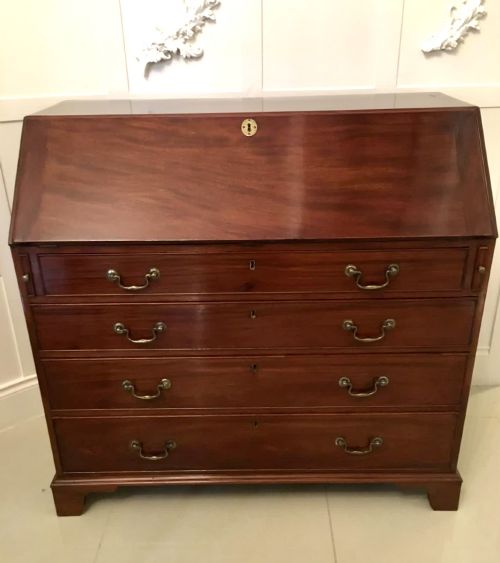
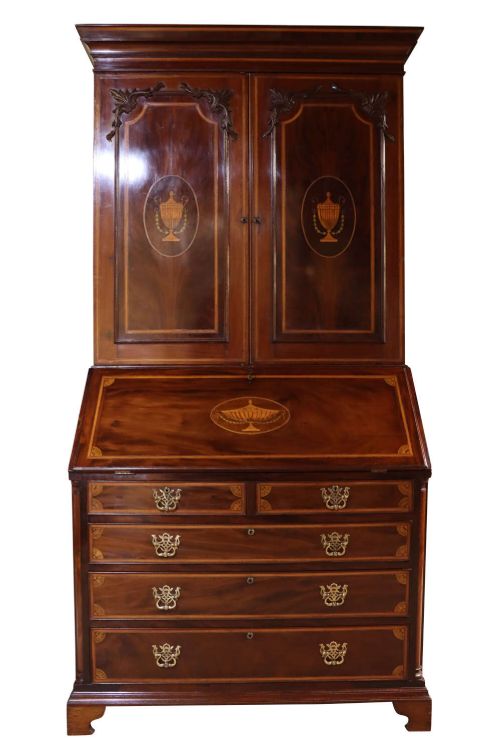
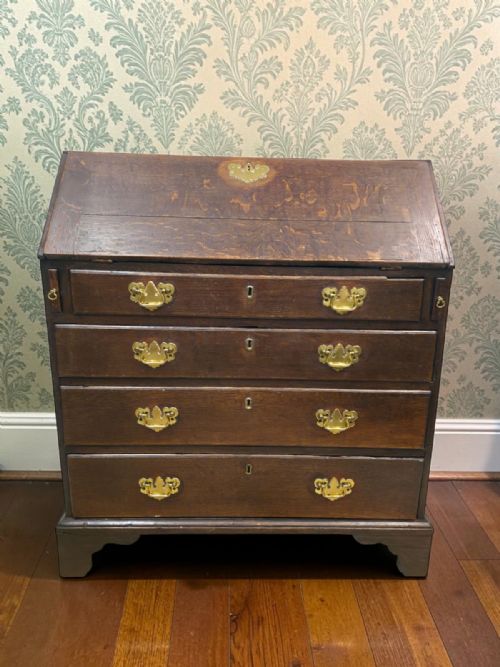
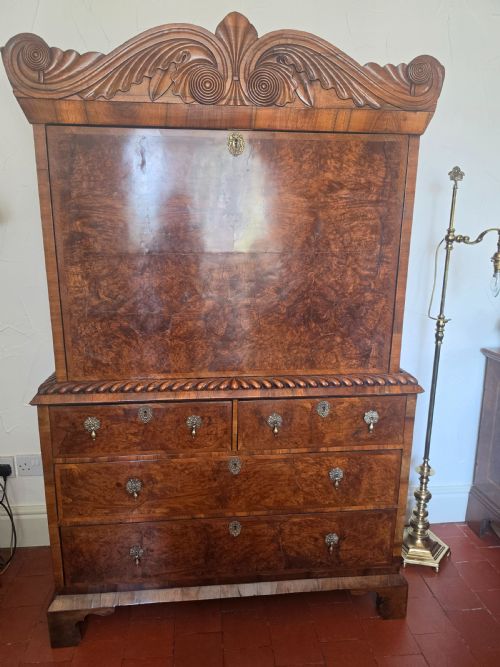
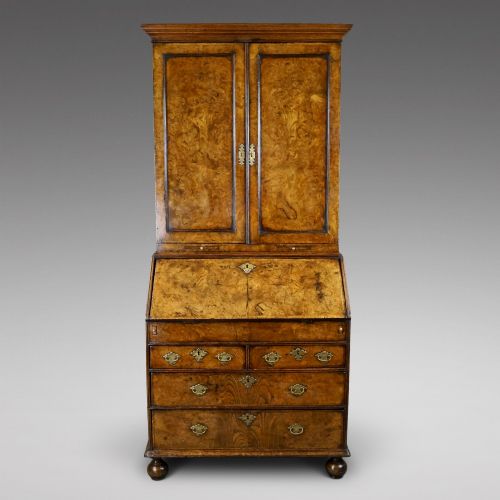
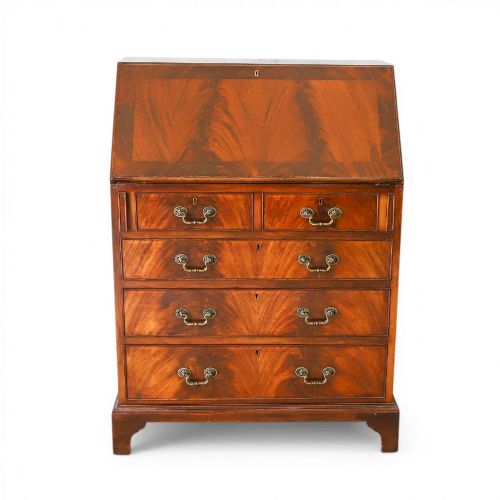
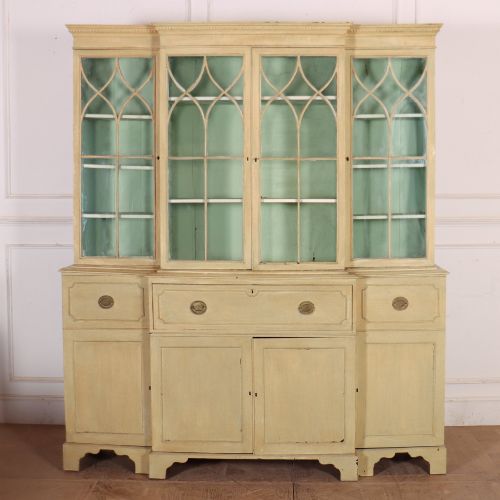
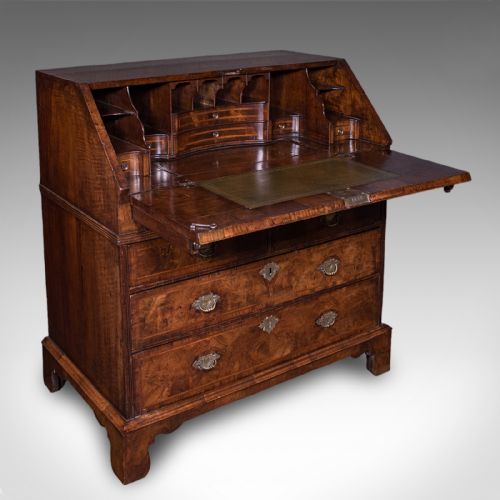
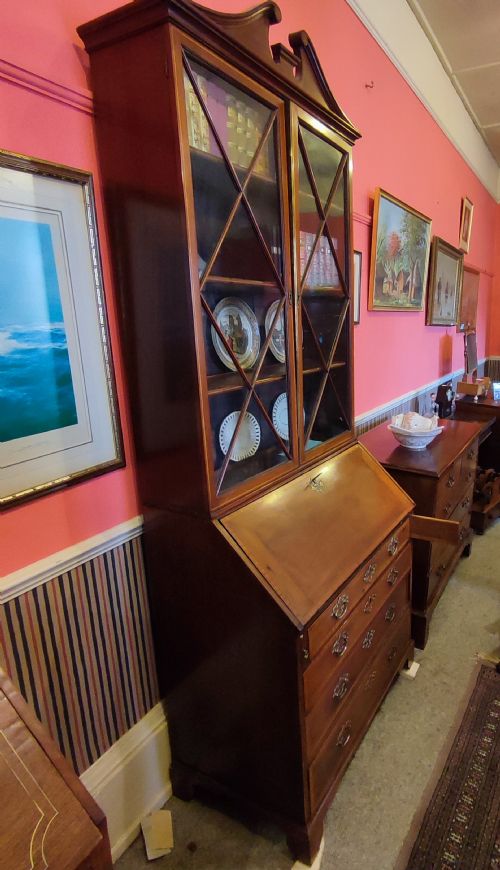
An english antique secretary desk combines a practical writing surface with concealed drawers and pigeonholes behind a sloping fall-front or drop-down panel. Buyers exploring this page will encounter various forms, ranging from compact fall-front writing bureaux to grand bureau bookcases fitted with upper shelving cabinets.
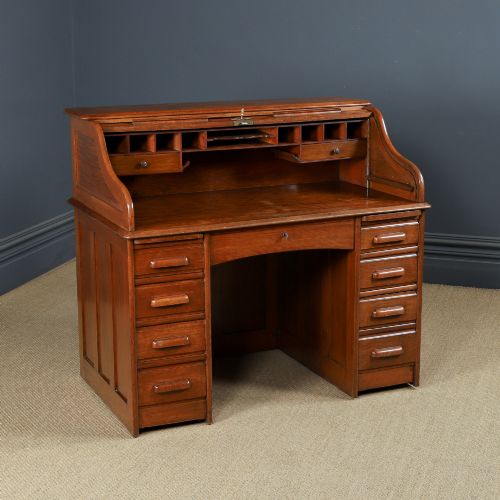
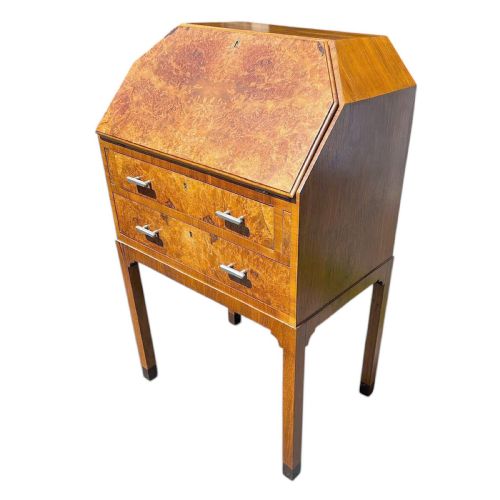
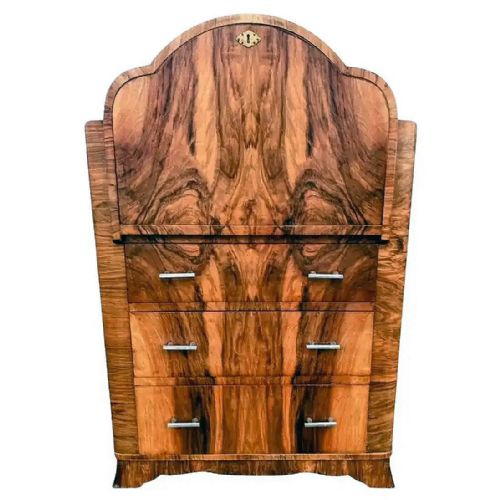
The pieces on this page span several centuries of British cabinet-making, with significant representation from the Georgian and eighteenth-century periods. Walnut and mahogany dominate the offerings, appearing alongside earlier oak examples and later Edwardian or art deco variations.
Materials and construction
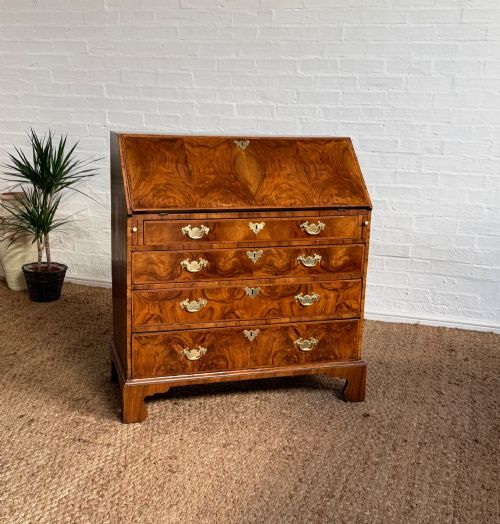
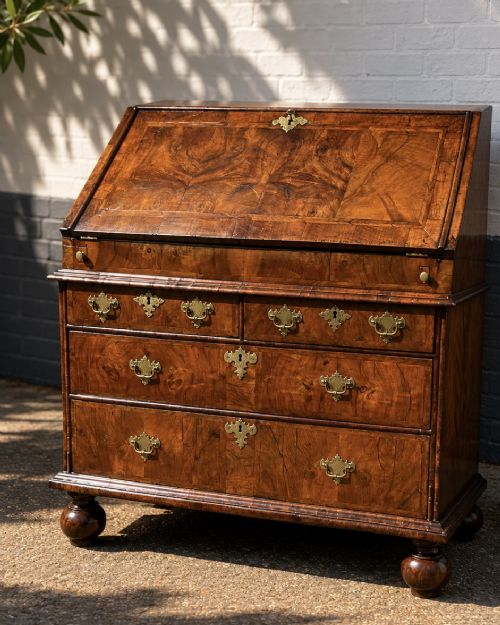
Cabinet-makers constructed these desks using native and imported hardwoods like oak, mahogany, and walnut, frequently applying figured veneers or burr walnut to create striking grain patterns on the fall-fronts. Joinery methods relied on dovetailed drawer construction and solid timber framing to support the heavy internal writing compartments.
Brass hardware such as batwing handles, escutcheons, and hinges complemented the timber, while leather writing inserts occasionally provided a smooth surface on the fall-front flap. Craftsmen also utilised specialised techniques like japanning, lacquer, and intricate string inlay depending on the prevailing style of the period.
The listings span from seventeenth-century William and Mary pieces up to twentieth-century art deco designs, showcasing shifts from oak to walnut and mahogany.
Judging quality
Quality in an english antique secretary desk rests upon the choice of timber figurations and the precision of the cabinet-maker's veneering. Pieces displaying highly figured walnut or flame mahogany across the primary surfaces command attention for their visual depth.
The interior arrangement significantly influences the standing of a piece, as master craftsmen invested greater artistry into secret compartments, pigeonholes, and small drawers. Original brassware, patination, and the integrity of the fall-front hinges further distinguish superior examples from standard workshop production.
Robert Mouseman Thompson
The English Secretary Desk Glossary
- Bureau
- A writing cabinet featuring a sloping fall-front lid that opens to reveal internal compartments and drawers. This term is frequently used interchangeably with secretary desk in British antique furniture.
- Secretaire bookcase
- A tall piece of furniture combining a lower writing cabinet with an upper glazed or panelled bookcase section. The desk portion typically includes a drop-down drawer front rather than a sloping lid.
- Fall-front
- A hinged writing flap that pulls down into a horizontal position for correspondence. It closes upright to conceal the fitted interior.
- Escritoire
- An early form of writing cabinet, often standing on a table base or frame, featuring a drop-down writing surface. These pieces date predominantly to the seventeenth and eighteenth centuries.
- Burr walnut
- Timber taken from the warted growths on walnut trees, yielding intricate, swirling grain patterns. Cabinet-makers prized this veneer for high-status furniture fronts.
English Secretary Desk: Frequently Asked Questions
What is an english antique secretary desk?
An english antique secretary desk is a dual-purpose furniture piece designed for writing and storage, incorporating a hinged flap that conceals small drawers and pigeonholes.
These desks evolved from simple oak and walnut writing boxes into sophisticated bureau bookcases and fall-front cabinets over several centuries.
How do I use a bureau in a modern room?
A bureau serves well as a compact workspace because the fall-front closes shut to hide laptops, papers, and stationery when not in use.
The internal compartments provide practical organisation for letters and small items while occupying minimal floor space in a living room or study.
How can I tell a Georgian desk from a later piece?
Georgian desks typically exhibit solid timber construction with hand-cut dovetails, older secondary woods like oak or pine inside drawers, and period-specific brass hardware.
Later Victorian and Edwardian reproductions or adaptations often show machine-made elements, standardised screws, and different veneer thicknesses.
Did these desks come with bookcases attached?
Many examples on this page are bureau bookcases, featuring glazed or panelled upper doors designed for displaying books above the desk.
These taller combination pieces were popular in wealthy households to consolidate a library and a writing station into one item.