



English Planter
An english antique planter brings interior spaces and gardens together, housing plants in earthenware, copper, or porcelain vessels shaped over centuries.
English Planter
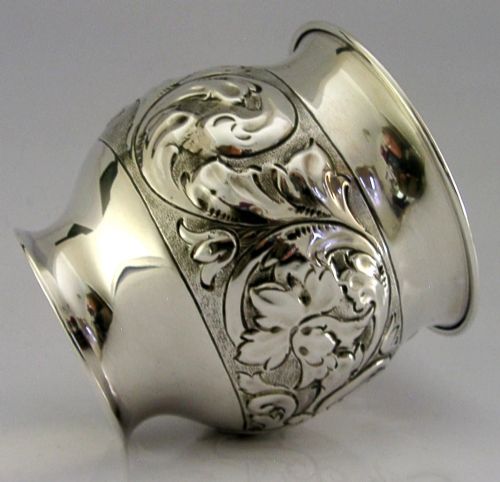
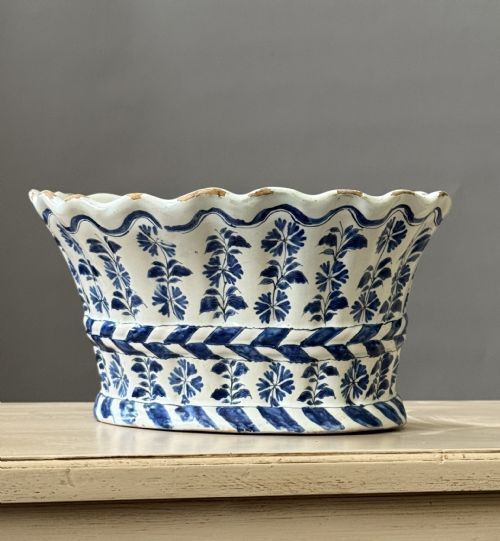
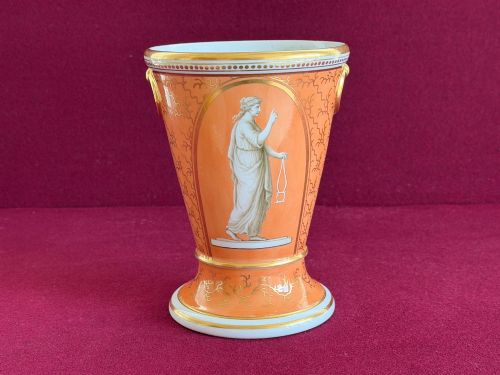
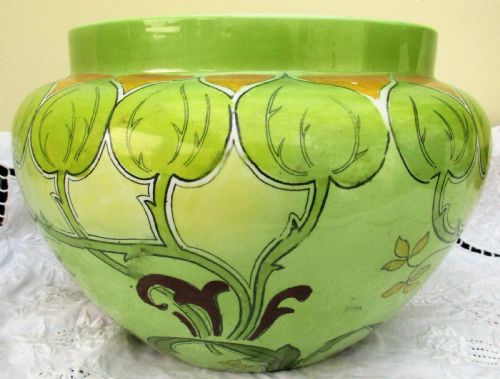
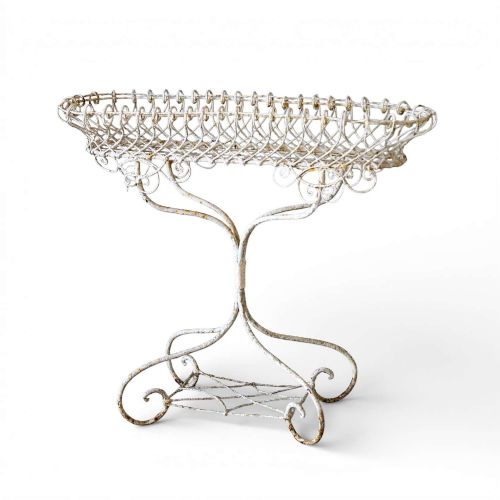
An english antique planter encompasses a diverse range of vessels designed to display foliage, flowers, and greenery within domestic interiors or gardens. The pieces on this page span from the eighteenth century through the early twentieth century, taking the form of ceramic jardinieres, copper buckets, stone troughs, and iron plant stands.
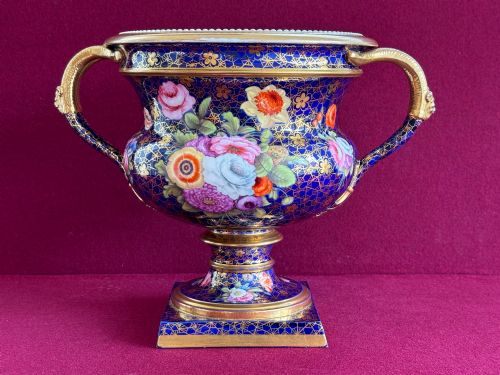
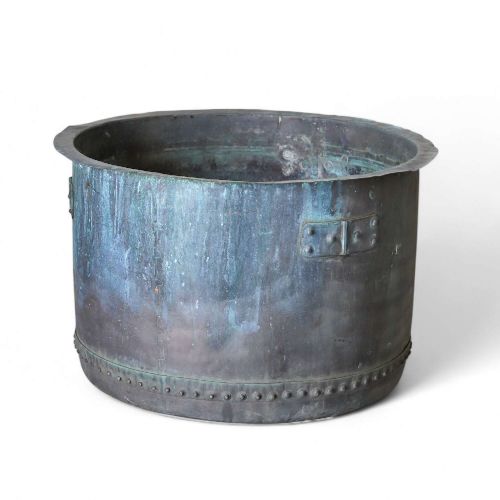
Buyers encounter ceramic vessels such as porcelain jardiniere vases from manufacturers like Worcester and Spode alongside robust copper containers and coopered oak stands. Forms vary from small porcelain table urns to large stone garden troughs and wrought iron display stands.
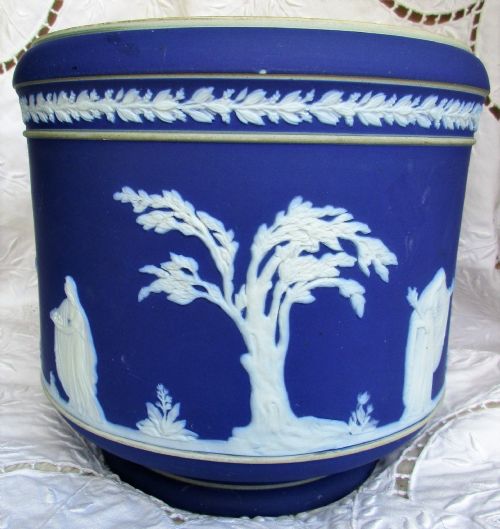
The selection reflects both formal indoor display pieces, including majolica and jasper ware, and utilitarian garden or fireside items adapted for planting. These objects demonstrate how functional vessels evolved into decorative furnishings across Georgian, Victorian, and Edwardian periods.
How they were made
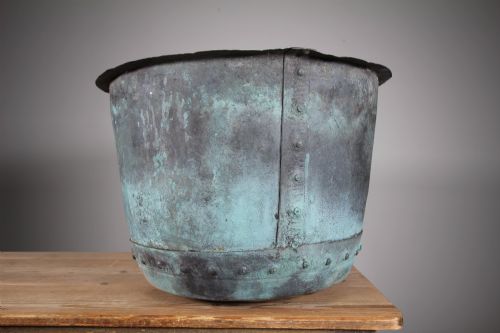
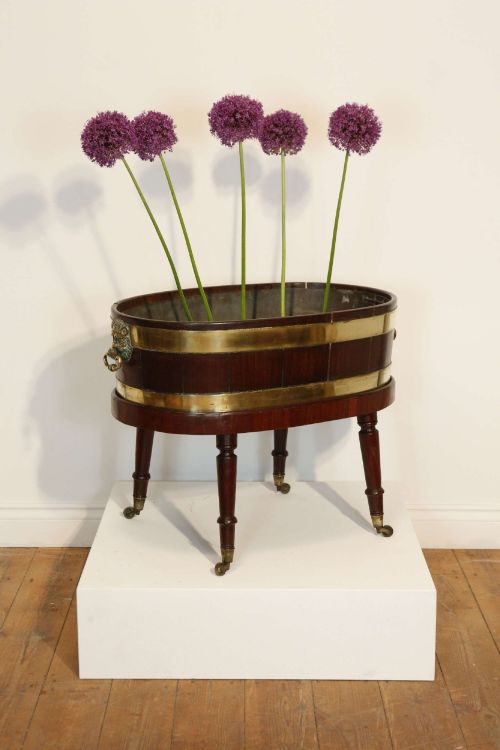
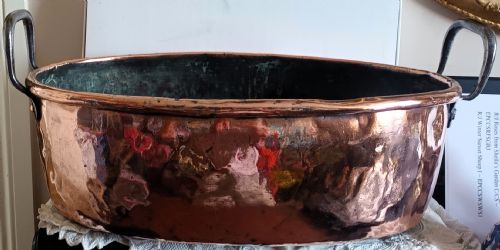
Makers utilised traditional construction methods suited to each medium, employing hand-riveting for heavy copper sheets and cooperative woodworking techniques for oak barrels and plant stands. Metal items often feature handbeaten surfaces, rolled rims, and applied brass bands.
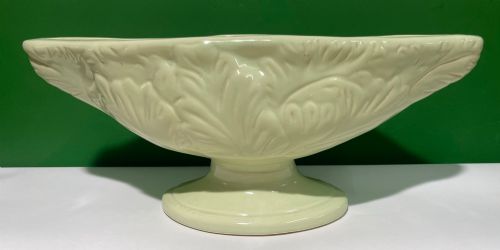
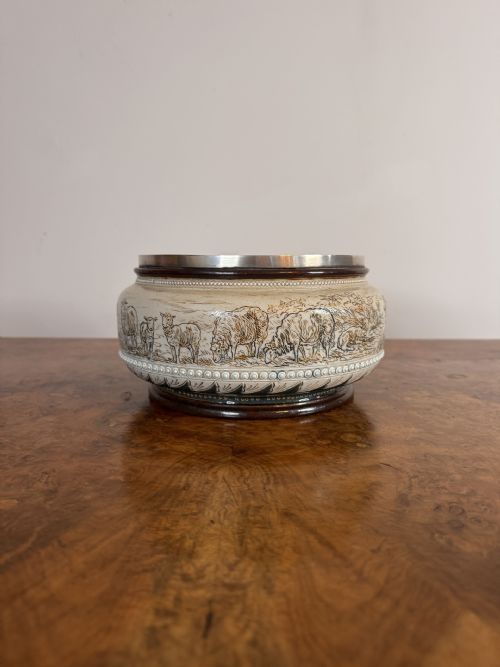
Ceramic pieces rely on porcelain, earthenware, or majolica bodies shaped on wheels or in moulds, finished with detailed glazes, transfer printing, or hand-painted decoration. Stone and iron examples involve masonry carving or blacksmithing with scrollwork and lattice framing.
English Planter Retail Price Guide 2026
Typical asking prices for english planter among the pieces listed under this phrase on Sellingantiques today, from the lower quarter to the upper quarter. They describe what is for sale here now, not the wider market.
Several copper vessels double as cream setting pans, proving historic dairy work made excellent floral displays.
What varies in quality
The standard of an english antique planter depends upon the crispness of its moulding, the weight of its metal, and the integrity of its original surface patination. Hand-riveted copper vessels show greater artisanal skill through precise joinery, whereas ceramics gain distinction from complex glazes and well-preserved transfer designs.
Design sophistication also separates standard utilitarian items from exhibition pieces, particularly in cast iron stands featuring detailed scrollwork or porcelain jardinieres bearing named factory marks.
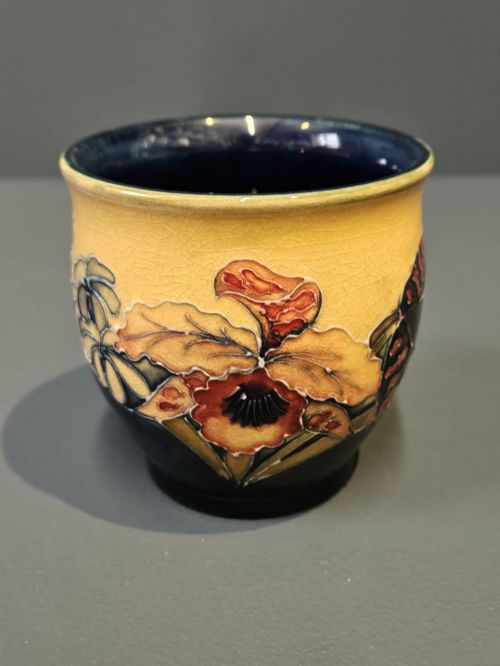
Spode·Flight & Barr Worcester·Barr Flight & Barr·William Adams & Sons·W.A. Adderley·Doulton Burslem·Royal Worcester·Minton·Macintyre & Co·William Moorcroft·Liberty & Co
The English Planter Glossary
- Jardiniere
- A large ornamental pot or stand designed to hold growing plants or flowers. These vessels often sit on dedicated stands or floor surfaces inside reception rooms.
- Coopered
- Built from wooden staves bound together with metal hoops, much like a barrel. This technique appears in oak planters and log buckets.
- Majolica
- A type of earthenware covered with an opaque tin-glaze and painted with bright metallic oxide colours. It gained popularity during the Victorian era for garden and indoor ornaments.
- Jasper ware
- A fine-grained, unglazed stoneware developed by Josiah Wedgwood, commonly featuring white relief figures against a coloured blue ground. It provides a distinct matte finish.
- Torcheres
- Tall stands originally intended to hold candles or lamps, frequently repurposed as planter or urn supports in nineteenth-century interiors.
English Planter: Frequently Asked Questions
How were these planters used historically?
Historically, these pieces served multiple domestic and garden functions, from housing indoor ferns in formal reception rooms to holding fuel by the fireplace. Larger stone troughs and iron stands were placed in orangeries, patios, and gardens.
Many ceramic vessels acted as table centerpieces or decorative cachepots designed to conceal plain growing pots.
How do I care for a metal planter?
Metal planters made from copper, brass, or iron benefit from gentle cleaning to preserve their natural patination without stripping historic surfaces. Avoid harsh chemical polishes that remove aged character.
Using a plastic liner inside metal vessels protects the historic interior from moisture and soil erosion.
How can I tell the period of a planter?
Dating relies on observing material composition, manufacturing marks, and stylistic indicators such as Art Nouveau curves or Georgian proportions. Factory stamps on ceramics provide clear chronological markers.
Construction techniques, such as hand-riveted copper seams versus machine manufacturing, also help identify the era of production.