


English Pedestals
English antique pedestals span centuries of craftsmanship, offering sturdy support and refined proportion to rooms that value history.
English Pedestals
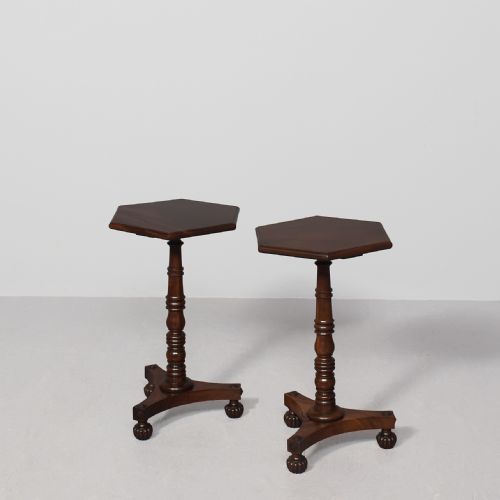
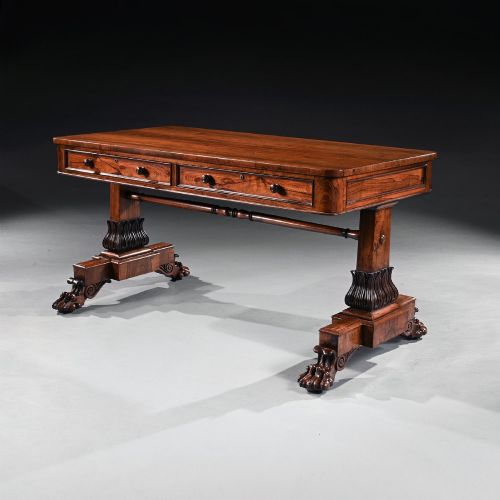
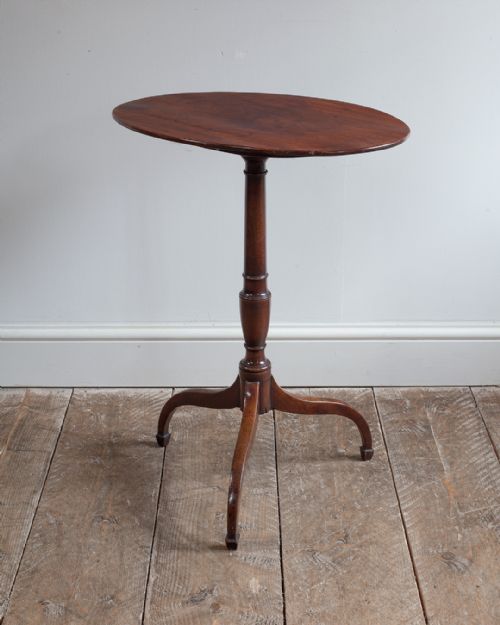
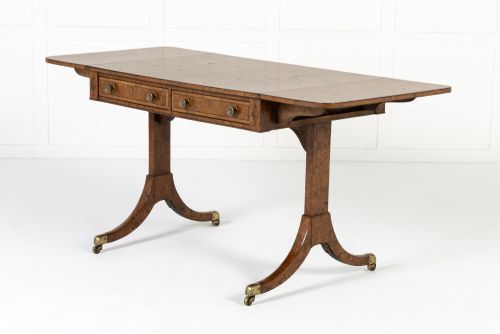
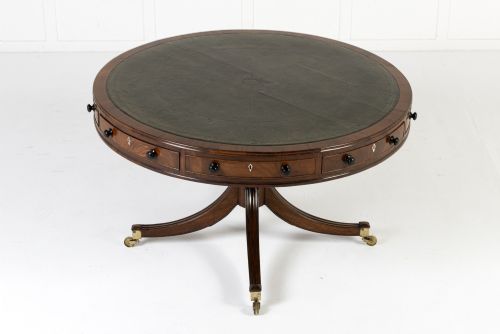
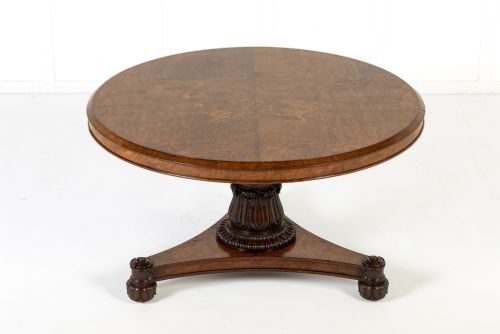
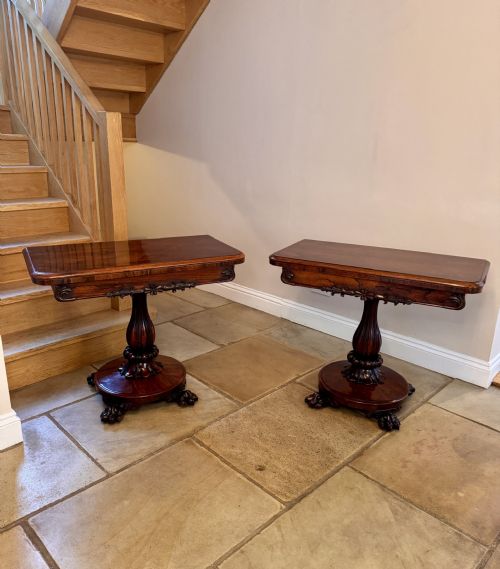
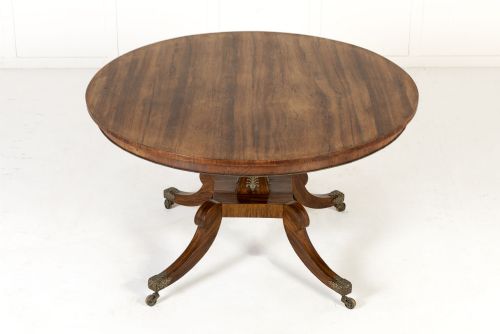
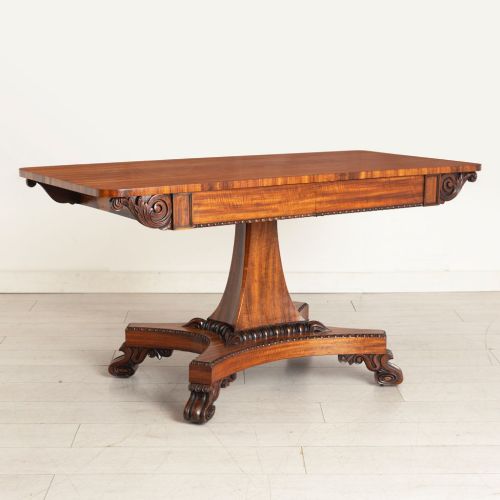
English antique pedestals encompass a variety of raised supports and pedestal-based furnishings, including writing desks, library tables, and occasional lamp tables. When buyers search for English antique pedestals, they encounter forms rooted in Georgian, Regency, and Victorian design traditions.
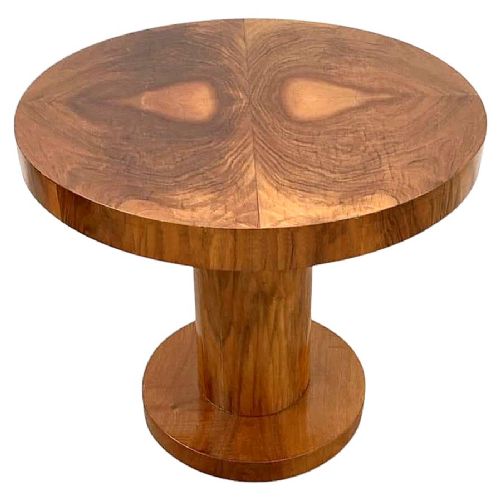
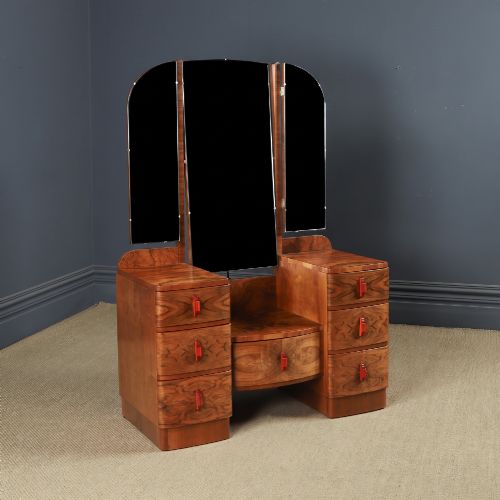
The pieces appearing on this page range from modest yew wood wine tables and satinwood bedside cupboards to substantial mahogany partner desks and multi-pedestal dining tables. Art Deco interpretations in walnut and burr elm also emerge from the nineteen-thirties.
Makers utilised architectural inspiration and functional cabinetry to elevate single-column or multi-pillar supports into central decorative elements for studies, libraries, and drawing rooms.
Materials and Construction
Cabinetmakers constructed these supports primarily in dense timbers such as mahogany, walnut, oak, and rosewood, often selecting figured veneers and exotic hardwoods like gonçalo alves or birdseye maple for visible surfaces. Brass inlays, leather writing inserts, and turned wooden columns provided structural integrity alongside decorative contrast.
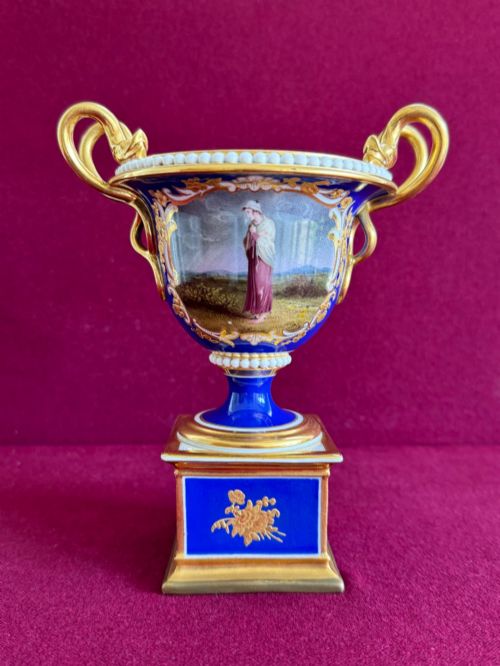
Joinery techniques relied on traditional dovetails, secure tenons, and weighted tripod bases designed to balance heavy tabletops or display vessels safely. Turned fairground columns and carved pedestals demonstrate lathe work and hand-chiselling executed by period artisans.
English Pedestals Retail Price Guide 2026
Typical asking prices for english pedestals among the pieces listed under this phrase on Sellingantiques today, from the lower quarter to the upper quarter. They describe what is for sale here now, not the wider market.
Among the architectural timberwork are cheerful fairground carousel columns waiting to bring vintage carnival energy indoors.
Factors Determining Quality
Quality rests upon the selection of timber figure, the precision of brass or marquetry inlay, and the retention of original surfaces. Pieces displaying matched burr walnut veneers or figured pollard oak demonstrate superior material choice by the original cabinetmaker.
Proportion and stability separate standard utility pieces from exceptional examples. A pedestal table with crisp carving on the tripod legs and a heavy, unwarped top maintains structural balance and aesthetic harmony far better than a hastily assembled equivalent.
Flight Barr And Barr·Liberty And Co·Oliver Baker·Spode
The English Pedestals Glossary
- Pedestal
- A structural support or column beneath a table, desk, or decorative bowl. It elevates the main body and often rests on splayed legs.
- Tripod Table
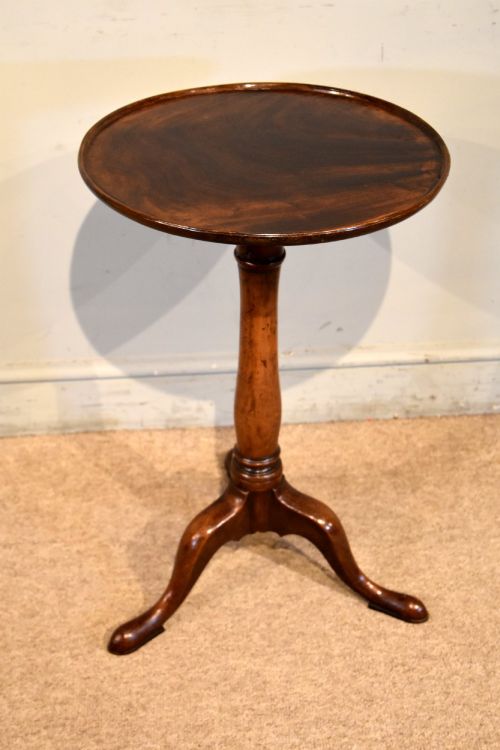
- A small occasional table supported by a central pillar resting on three legs. This form gained popularity during the Georgian period.
- Partners Desk
- A large double-sided desk designed for two people to work opposite one another. These frequently feature pedestal banks of drawers on both sides.
- Veneer
- A thin layer of figured wood applied to a secondary timber base. This technique allowed makers to utilise expensive grain patterns efficiently.
English Pedestals: Frequently Asked Questions
What defines a pedestal desk?
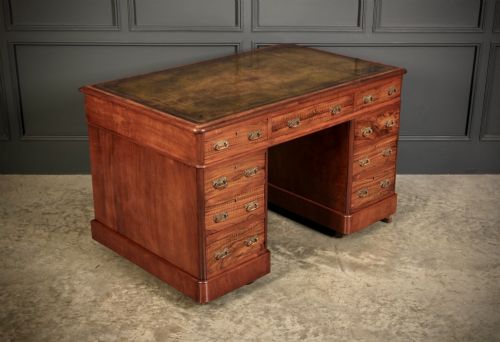
A pedestal desk consists of a rectangular writing surface supported by two independent banks of drawers or cupboards. The top rests directly upon these pedestals, creating a substantial and organised workspace.
Cabinetmakers built these for libraries and studies using mahogany, walnut, or oak, often incorporating leather writing inserts into the upper surface.
How do I date a wooden pedestal table?
Dating relies on observing the secondary timbers, the style of the leg turning, and the construction methods used in the underframe. Georgian examples frequently feature slender tripod legs, while Victorian pieces tend to be heavier and more heavily carved.
Examining the grain and the tools marks inside drawer linings also helps narrow down the period of manufacture.
Where should I place a pedestal table?
Tripod and occasional pedestal tables suit corners, hallways, and beside armchairs where a small surface is needed without blocking walkway space. Larger library and centre tables work best positioned centrally in a room.
Keeping them away from direct heat sources prevents the timber from drying out and the veneer from lifting.