

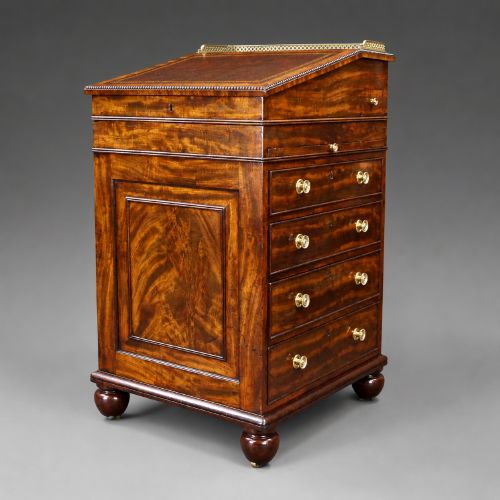
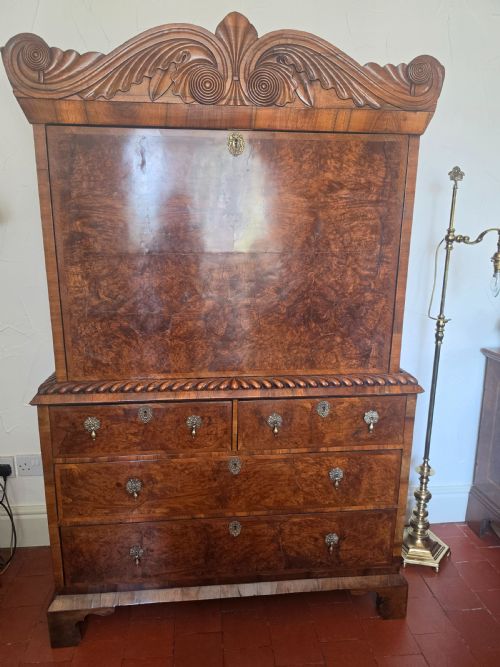
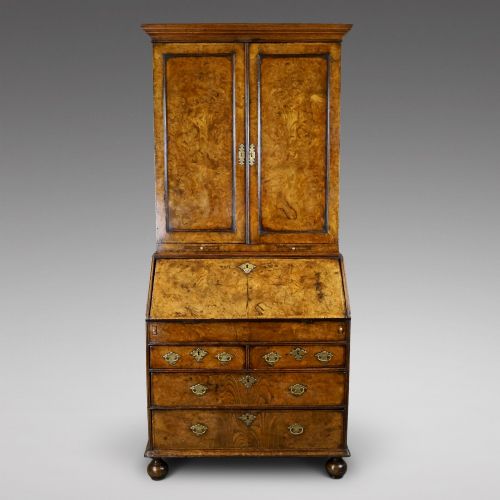
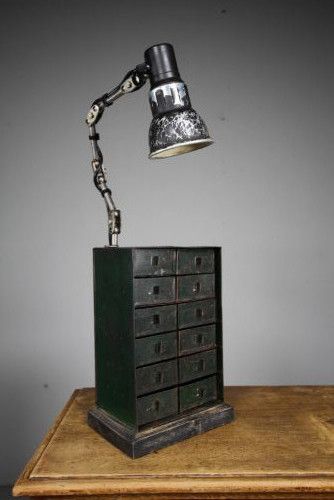
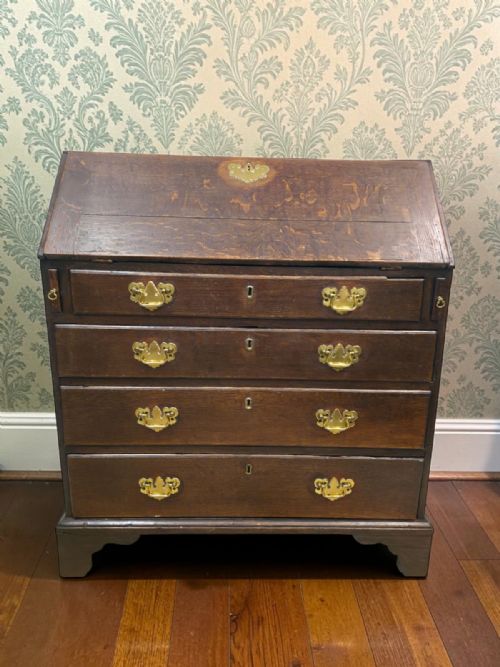
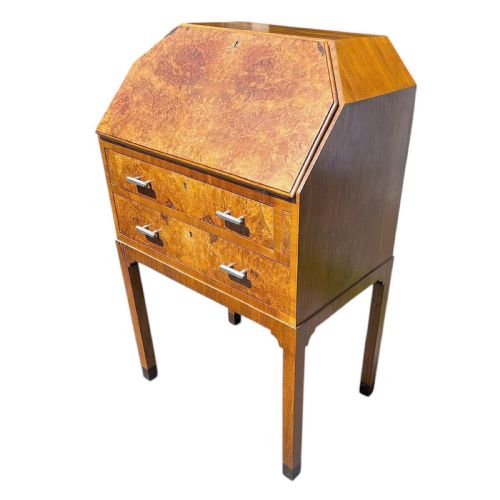
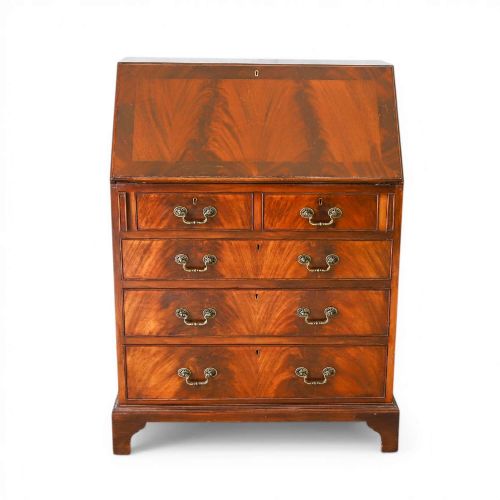
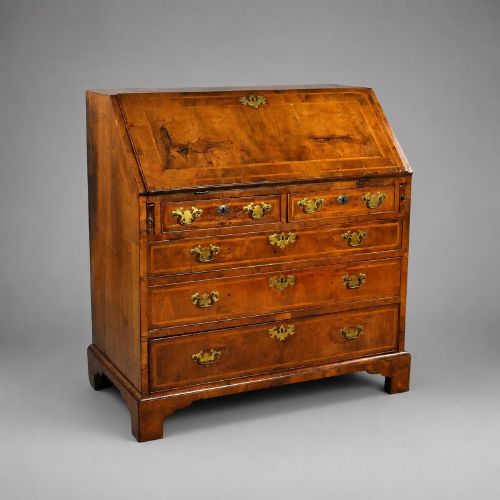
English Desk Cabinet
An English antique desk cabinet combines a compact workspace with fitted internal compartments, offering practical storage for correspondence and documents.
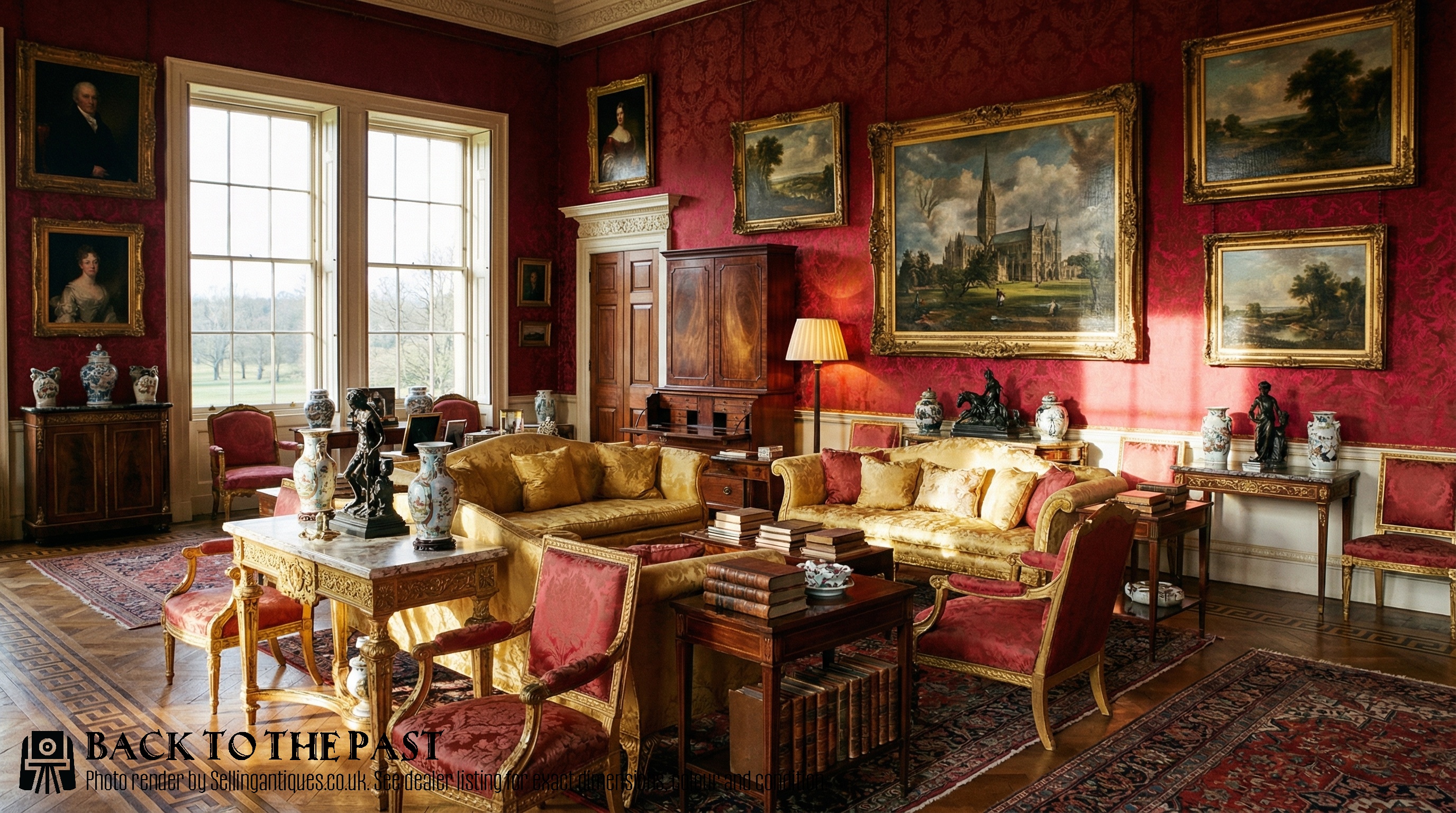
English Desk Cabinet
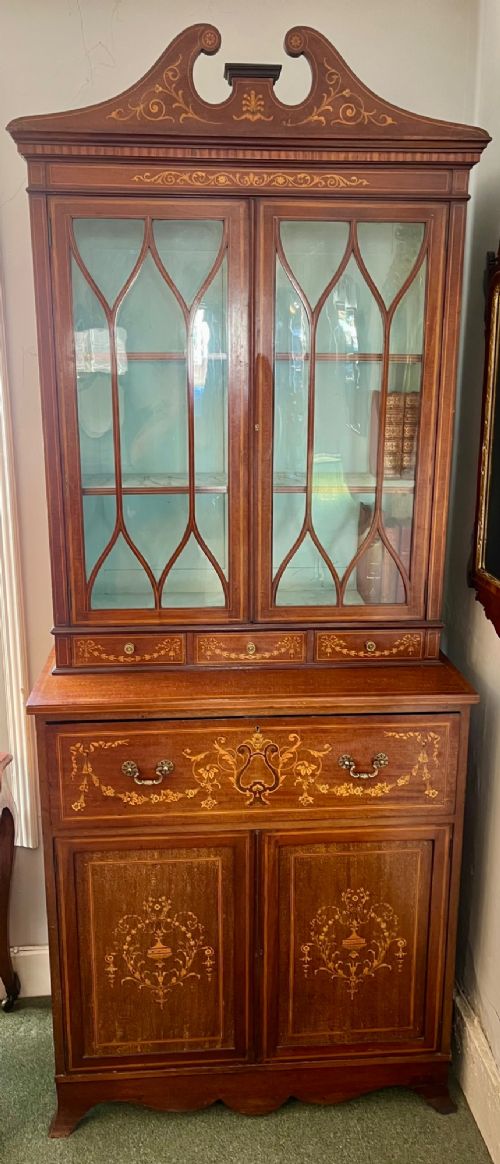
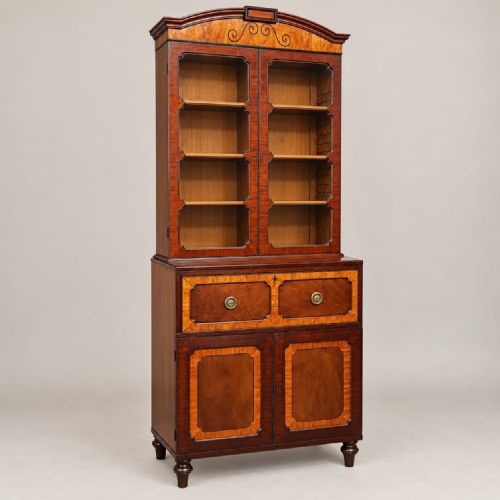
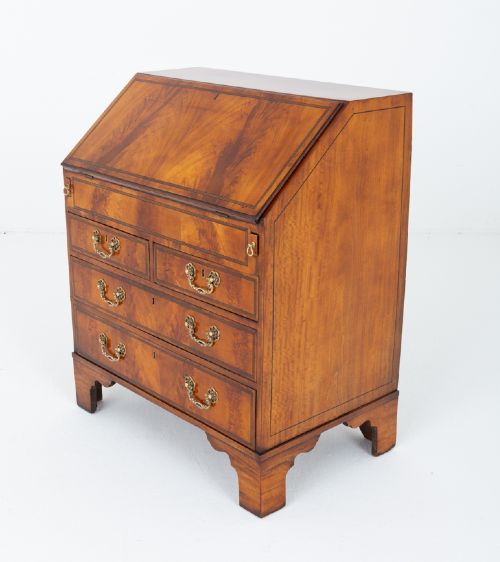
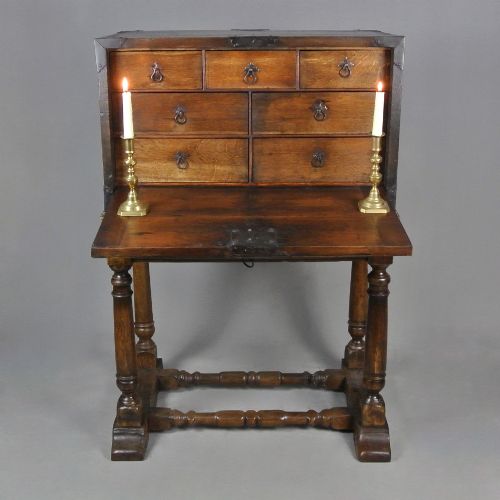
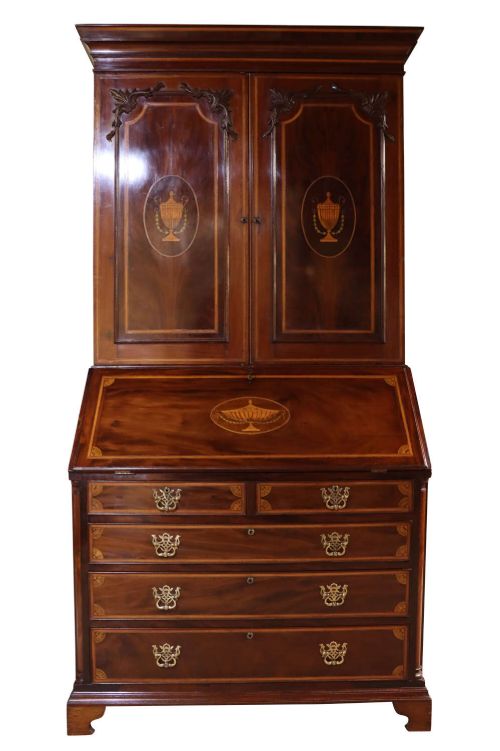
When searching for an english antique desk cabinet, buyers encounter a diverse selection of centuries-old writing furniture designed for domestic study. These pieces range from substantial bureau bookcases to drop-front writing cabinets and smaller desktop accessories.
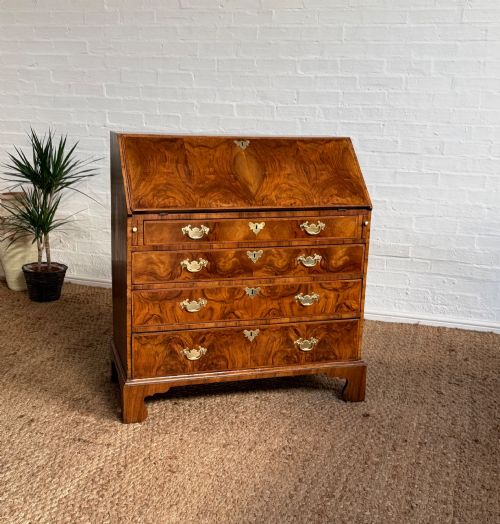
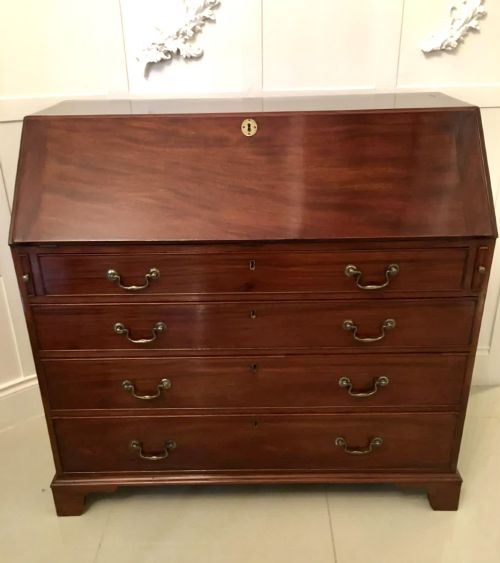
The most frequent examples found on this page date from the Georgian and Victorian periods, constructed primarily in mahogany or walnut. Many incorporate upper shelving sections or pigeonholes behind hinged slopes, reflecting the administrative needs of past households.
Earlier pieces from the seventeenth century often utilise solid oak with simple panel construction, while later nineteenth-century iterations lean toward refined veneers and glazed upper display doors.
Materials and Construction
Cabinet makers relied heavily on native timbers such as oak and elm during the seventeenth century, shifting toward richly figured mahogany and burr walnut as trade expanded. These woods were typically applied as veneers over sturdy secondary pine or oak carcases to display decorative grain patterns.
Internal drawer linings frequently feature hand-cut dovetail joints, indicating traditional bench joinery. Brass hardware, including drop handles and escutcheons, was cast and fitted by hand, while writing surfaces often incorporated inset leather or baize.
English Desk Cabinet Retail Price Guide 2026
Typical asking prices for english desk cabinet among the pieces listed under this phrase on Sellingantiques today, from the lower quarter to the upper quarter. They describe what is for sale here now, not the wider market.
One notable Edwardian smoke cabinet includes fitted compartments specifically designed for storing pipes and tobacco alongside writing stationery.
Assessing Standard and Integrity
Quality in these writing cabinets rests largely on the consistency of the timber selection and the precision of the internal partitioning. Superior examples display symmetrical veneer matching across the fall front and drawer faces, along with original working locks and hinges.
The structural integrity of the fall-front hinges and the smoothness of the internal sliding mechanisms distinguish master craftsmanship from utilitarian workshop production. Preserved surface finishes and minimal timber replacement further elevate the standing of a piece.
Gillows·Stanley Webb Davies·Robert Mouseman Thompson
The English Desk Cabinet Glossary
- Bureau
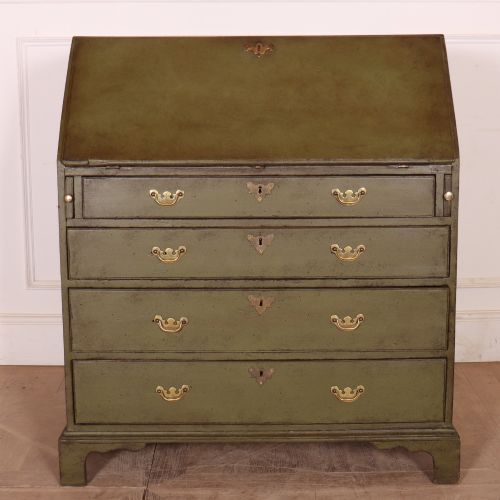
- A writing desk featuring a sloping hinged lid that opens to reveal a fitted interior of small drawers and pigeonholes. This term frequently overlaps with escutcheon-fronted writing cabinets.
- Fall Front
- A hinged writing flap that drops into a horizontal position to serve as a desk surface. When closed, it conceals the inner stationery compartments.
- Escritoire
- A tall writing cabinet or desk containing a writing drawer or drop-front writing surface. These pieces often feature upper cupboard doors or bookcase sections.
- Secrétaire
- A cabinet or bookcase incorporating a pull-out drawer with a folding front that acts as a writing desk. It conceals a cluster of small internal compartments.
- Pigeonhole
- A small, open compartment fitted inside a desk interior for sorting letters and documents. They form an integral part of the fitted bureau layout.
English Desk Cabinet: Frequently Asked Questions
How do I clean a walnut desk cabinet?
Dust the exterior regularly with a soft, dry cloth to prevent particulate buildup. Apply a quality beeswax periodically to nourish the timber and maintain the natural sheen without damaging the historic finish.
Avoid placing the cabinet near direct heat sources or strong sunlight, which can dry out walnut veneers and cause splitting. Use mild leather cleaners only if the writing surface insert requires treatment.
Are these desks suitable for daily use?
Many antique writing cabinets remain entirely functional for modern laptop use or letter writing. The fall-front mechanism provides a stable surface when supported by proper internal stays or pull-out lopers.
Care should be taken not to overload historical writing flaps with excessive weight. Treat the antique hinges and support brackets with gentle handling during daily operation.
How can I tell a Georgian bureau from a Victorian one?
Georgian bureaus generally display proportioned bracket feet, solid mahogany or walnut construction, and hand-cut dovetailing with oak secondary woods. The interior layouts often feature secret compartments or stepped drawer arrangements.
Victorian pieces frequently utilise machine-sawn secondary timbers, bolder mouldings, and sometimes factory-cast brasses. The interior configurations tend to be simpler and lack the concealed spring-loaded compartments found in earlier work.
What is a bureau bookcase?
A bureau bookcase is a dual-purpose piece of furniture combining a lower writing desk with an upper shelving or cabinet section enclosed by wooden or glazed doors. This form served as both a working station and a library storage unit in past homes.
The upper section typically houses adjustable shelves for books, while the lower bureau provides a concealed drop-front writing area above banks of drawers.