




Engine Turned Cigarette Box
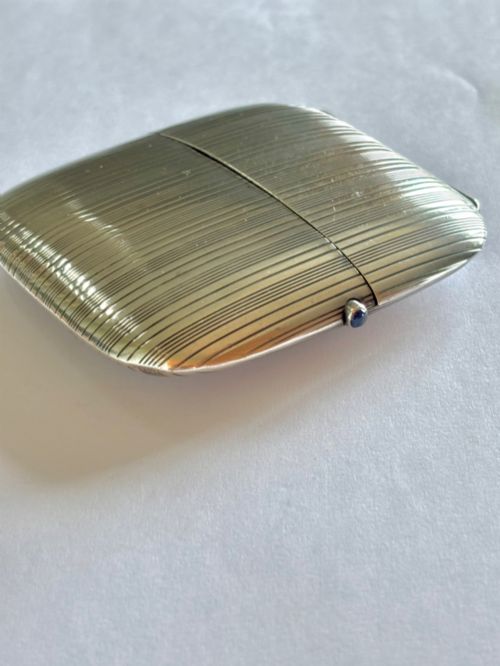
An engine turned cigarette box is a small silver vessel designed to hold tobacco, prized for its tactile geometric patterns.
Engine Turned Cigarette Box
When searching for an engine turned cigarette box, you are looking at solid silver or sterling silver receptacles designed for tobacco storage, often doubling as trinket boxes. These pieces span from the Victorian period through the Edwardian era into the Art Deco and Mid-Century Modern movements.
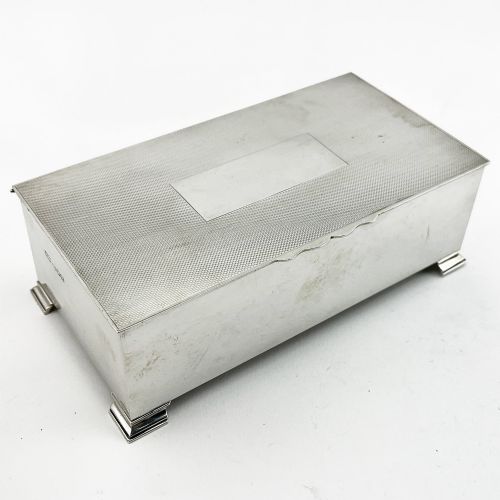
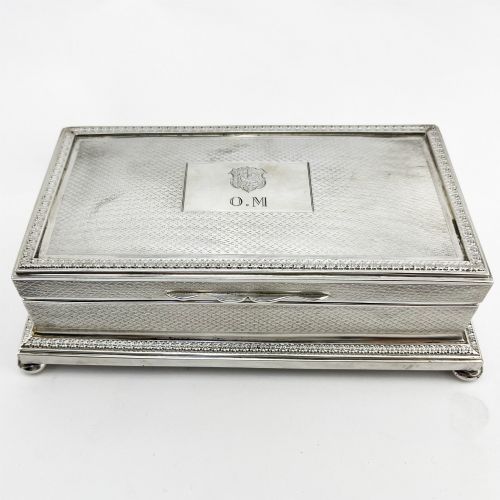
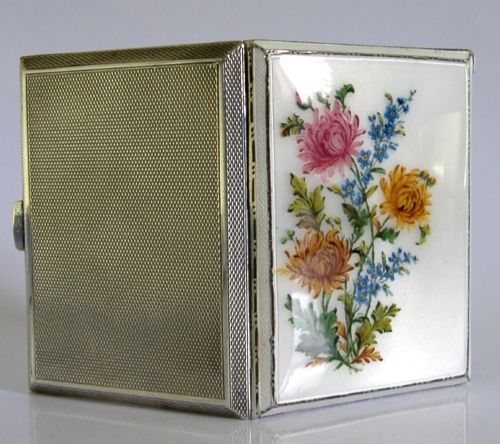
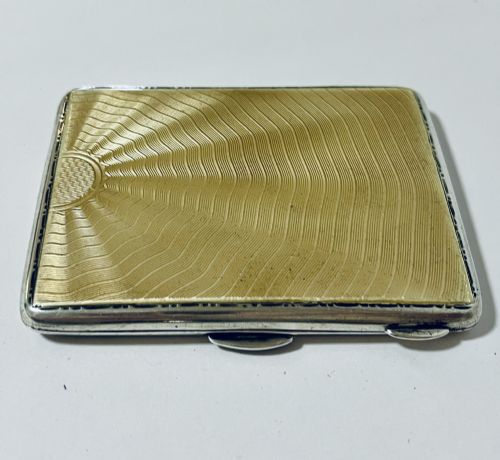
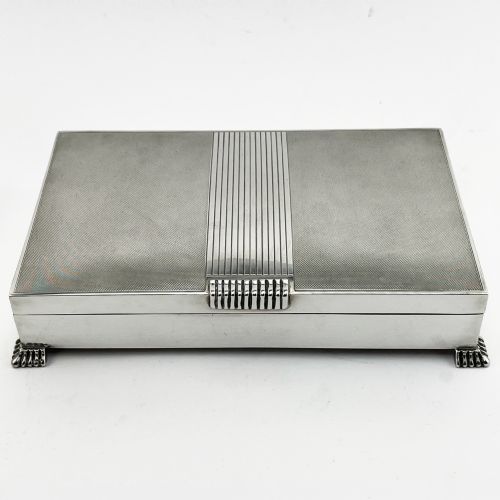
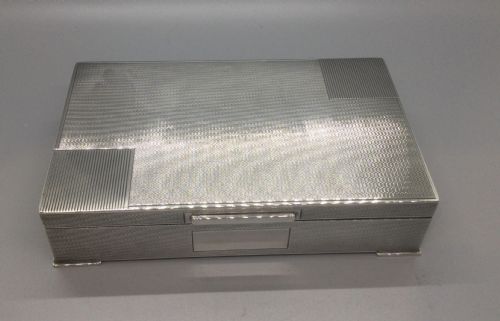
The version you are most likely to meet on this page is the Art Deco table box or case, frequently dating from the nineteen thirties or nineteen forties. These geometric forms display precise mechanical decoration across the lid, sometimes accented with enamel or floral motifs.
Beyond the standard table box, the selection includes larger cigar boxes, travel boxes, and smaller cases intended for pocket use. Cedar lining appears in certain table boxes to keep the contents fresh, while others remain unlined sterling silver throughout.
How they were made
The distinctive surface pattern on an engine turned cigarette box is achieved using a mechanical lathe, specifically a rose engine or straight-line engine, which cuts precise geometric incisions into the metal. This technique creates regular repeating lines that catch the light from different angles.
Sterling silver forms the primary structural material, worked into boxes with hinged lids and sometimes paired with wood such as cedar for interior linings. Enamel work and hand-painted floral details occasionally supplement the engraved metal surface.
Some boxes retain the faint, lingering scent of cedar wood after nearly a century of holding tobacco.
What varies in quality
The distinction between standard examples and finer pieces rests upon the crispness of the engine turned pattern and the gauge of the silver used in construction. Deeper, sharper incisions on the lid indicate superior mechanical execution and better preservation over decades of handling.
Maker attribution and hallmarks also differentiate the pieces, with items originating from established silversmiths commanding greater interest. The integration of secondary materials, such as clean cedar linings or well-preserved hand-painted enamel, elevates the overall execution of the box.
Mappin and Webb·Jane Brownett Alexander Jones·Hermes
The Engine Turned Cigarette Box Glossary
- Engine turning
- A mechanical decoration technique that etches precise, intricate geometric patterns into metal surfaces using a specialised lathe. This method provides both visual texture and a tactile grip.
- Sterling silver
- An alloy consisting of ninety-two point five percent silver and seven point five percent other metals, usually copper, chosen for durability in tableware and decorative objects. It forms the standard metal for these boxes.
- Art Deco
- A design style prevalent during the nineteen twenties and nineteen thirties characterised by sleek geometric shapes, streamlined forms, and modern industrial motifs. Many pieces on this page reflect this aesthetic.
- Cedar lined
- An interior wooden fitting made from cedar wood intended to preserve the moisture and aroma of cigars or cigarettes. This lining is found in various table boxes.
- Hallmark
- A stamp or series of marks applied to precious metals indicating the standard of purity, the maker, and the year of assay. These marks help verify the origin of the silver.
Engine Turned Cigarette Box: Frequently Asked Questions
What is an engine turned cigarette box?
An engine turned cigarette box is a lidded container made from sterling silver, featuring geometric patterns incised by a specialised lathe. They were designed to hold cigarettes or cigars on a table or desk.
Over time, many of these boxes have transitioned into general trinket boxes used for storing small personal items. Their solid silver construction ensures durability through decades of use.
How do I date a silver cigarette box?
Dating a silver cigarette box relies primarily on the hallmarks stamped into the metal, which indicate the assay office and the year of manufacture. Stylistic clues such as Art Deco geometry or Victorian flourishes also help narrow down the period.
Matching the hallmarks against historical records provides the exact year the piece was tested and marked. Maker marks further clarify the timeline of production.
Were these boxes lined with wood?
Many table cigarette boxes feature interior linings made of cedar wood to keep the tobacco fresh. Other examples remain entirely in silver without wooden inserts.
The presence of wood depends on the intended use for cigars versus cigarettes and the specific design chosen by the maker.
How should I clean a silver cigarette box?
Cleaning a silver box requires a soft cloth and a specialised silver polish to remove tarnish without harming the engraved engine turned pattern. Gentle care prevents the mechanical cuts from wearing down over time.
Harsh abrasives should be avoided, particularly on pieces with enamel work or delicate painted details. Regular dusting helps maintain the surface shine.