




Engraved Silver Trinket Casket
An engraved silver trinket casket is a small, precious receptacle for keepsakes, combining intricate surface pattern with the lustre of precious metal.
Engraved Silver Trinket Casket
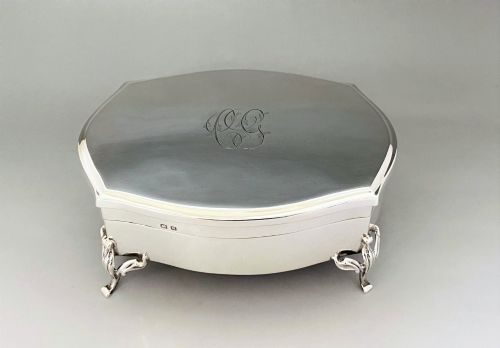
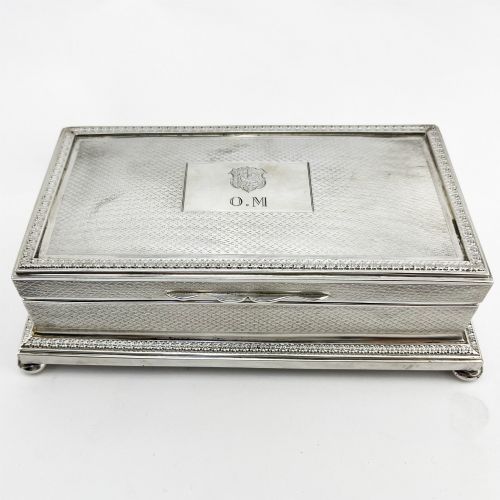
When you search for an engraved silver trinket casket, you are looking at small receptacles designed to hold jewellery, cufflinks, or personal mementoes upon a dressing table. The pieces on this page span the Victorian and Edwardian eras through to the early twentieth century, taking forms such as jewellery caskets, cigar boxes, and crystal containers with silver mounts.
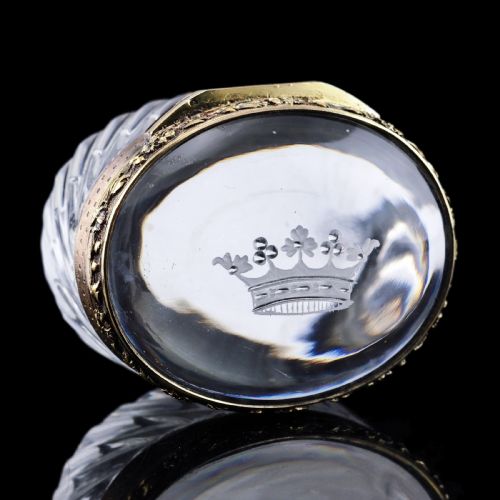
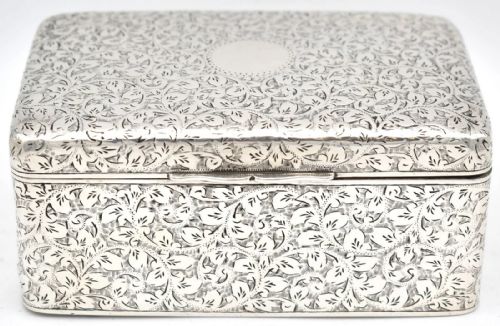
You are most likely to meet sterling silver and silverplated examples carrying floral scrolls, or French nineteenth-century crystal boxes fitted with silver gilt mounts. Origins range from English workshops in London to continental Europe and Siam, demonstrating diverse regional interpretations of decorative metalwork.
The styles shift from Victorian Rococo Revival and Arts and Crafts to Art Nouveau and traditional Thai niello work. These boxes served a practical domestic purpose while displaying the owner's taste through detailed surface ornamentation.
How they were made
Silversmiths utilised sterling silver, silverplate, and silver gilt, frequently mounting these metals upon cut crystal bodies or lining the interiors with rich materials. The metal surfaces were then hand-engraved with floral scrolls and decorative patterns using sharp gravers.
Specialised techniques such as niello work involved contrasting dark metallic sulphides inlaid into engraved silver channels to produce striking two-tone geometric or pictorial designs. Other pieces combined organic elements like tortoiseshell with metal mounts to achieve textural contrast.
Maker workshops employed techniques ranging from traditional British silversmithing to continental gilding and Siamese niello craft, ensuring structural durability alongside ornamental refinement.
Listings feature sterling silver, silver gilt, and niello across periods from Victorian to 1920.
What varies in quality
The distinction between standard commercial pieces and finer examples rests upon the crispness and depth of the hand-engraving. Sharp, cleanly cut floral scrolls indicate a skilled hand, whereas shallow or worn markings suggest mass production.
Material combination and structural integrity dictate the standing of a piece. Substantial sterling silver gauges, well-fitted hinges, intact crystal bodies, and the inclusion of precious details like silver gilt or niello separate exceptional boxes from ordinary ones.
Jane Brownett Alexander Jones·A & J Zimmerman Ltd
The Engraved Silver Trinket Casket Glossary
- Sterling silver
- A silver alloy containing 92.5 percent pure silver and 7.5 percent other metals, usually copper, chosen for strength while maintaining purity.
- Silver gilt
- Silver that has been coated with a thin layer of gold on its surface, often used internally or on decorative mounts to provide a rich two-tone effect.
- Niello
- A black metallic alloy of sulphur, silver, lead, and copper used as an inlay on engraved metal surfaces to highlight patterns.
- Tortoiseshell
- The mottled brown shell of certain turtle species utilised as a decorative veneer on boxes and vanity items during the Victorian and Edwardian periods.
Engraved Silver Trinket Casket: Frequently Asked Questions
What were silver trinket caskets used for?
These boxes served as secure, elegant receptacles for valuable personal items such as rings, brooches, and keepsakes. They sat prominently upon dressing tables or desks as both decorative objects and practical storage.
Over time, their uses expanded to include holding cigarettes, cigars, or small accessories, reflecting the changing habits of their owners through the Victorian and Edwardian periods.
How do I distinguish Victorian from Edwardian boxes?
Victorian pieces often display heavier ornamentation, drawing on Rococo Revival styles with dense floral scrolls and robust proportions. They typically carry nineteenth-century hallmarks that help date the exact year of manufacture.
Edwardian boxes tend to show lighter, more restrained designs influenced by Arts and Crafts or early twentieth-century aesthetics, often featuring cleaner lines and brighter finishes.
What is the difference between silver and silverplate?
Solid silver pieces, such as sterling silver, consist of precious metal all the way through and carry official hallmarks indicating their purity standard. They possess an enduring substance and retain their intrinsic material value.
Silverplated items feature a thin layer of silver bonded to a base metal core. While they offer the visual appeal of silver, the underlying metal may become visible if the surface layer wears down through heavy cleaning.
How should I care for an antique silver box?
Keep silver boxes in a stable environment away from high humidity and direct sunlight, particularly if the piece incorporates organic materials like tortoiseshell or crystal bodies. Dust them gently with a soft cloth to prevent surface grime from settling into engraved crevices.
Polishing should be done sparingly using a mild, non-abrasive silver cloth to avoid wearing away delicate hand-engraved details or thin silver gilt layers over time.