


Enamel Pocket Case
An enamel pocket case brings together portable utility and miniature vitreous artistry across the nineteenth and twentieth centuries.
Enamel Pocket Case
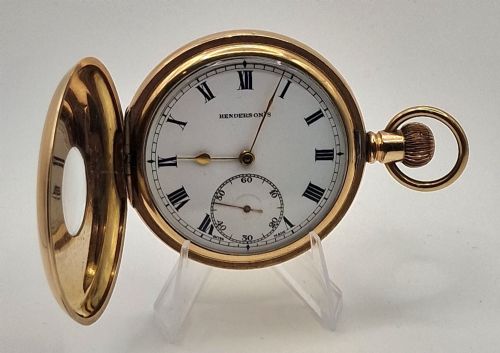
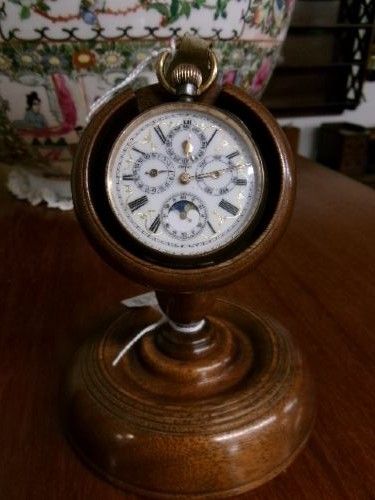
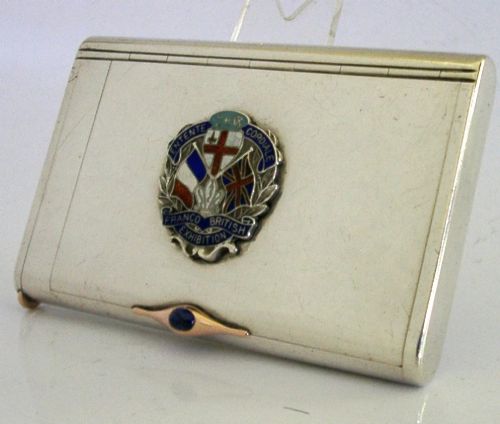
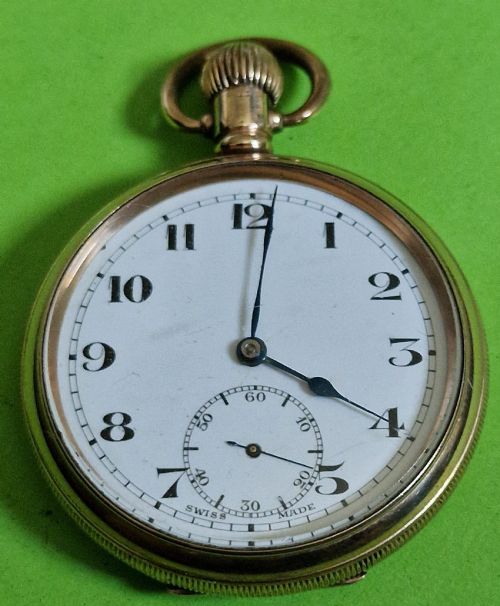
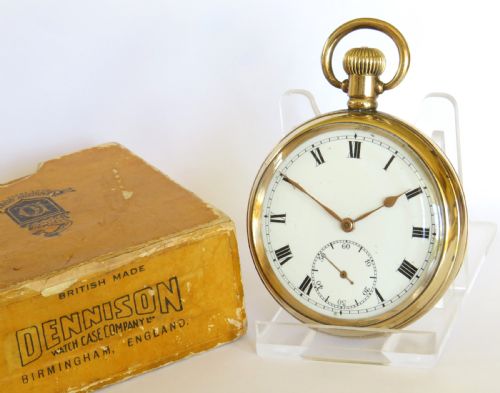
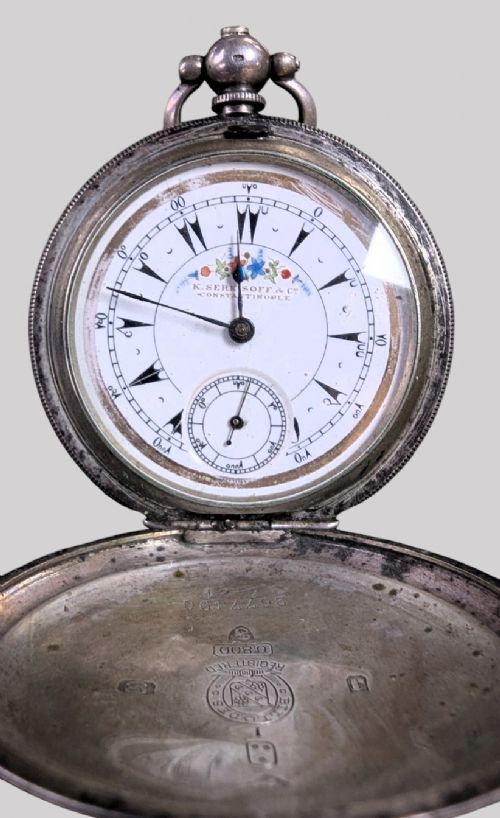
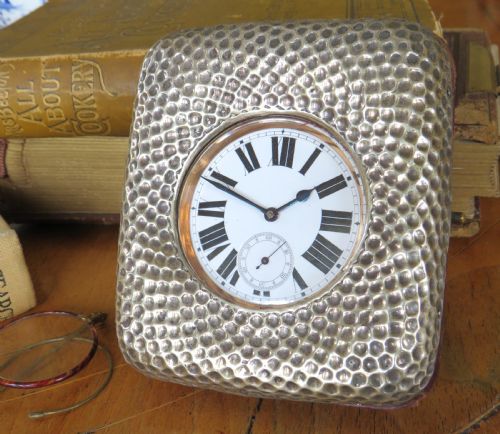
When you search for an enamel pocket case, you encounter small personal containers and housings created to hold matches, cards, cigarettes, or timepieces. These items span Victorian, Edwardian, and Art Deco periods, encompassing forms such as vesta cases, cigarette cases, card cases, and watch cases.
The objects frequently combine precious metals with applied vitreous decoration, reflecting the shifting tastes of the nineteenth century through the mid-twentieth century. The selection includes British sterling silver items alongside Continental brass, gilt metal, and French pieces.
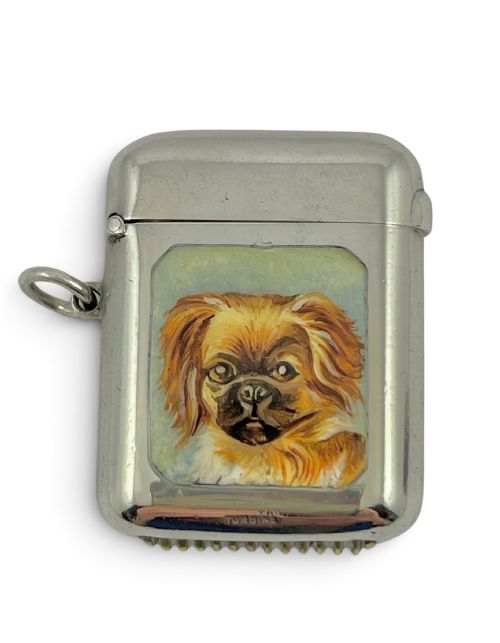
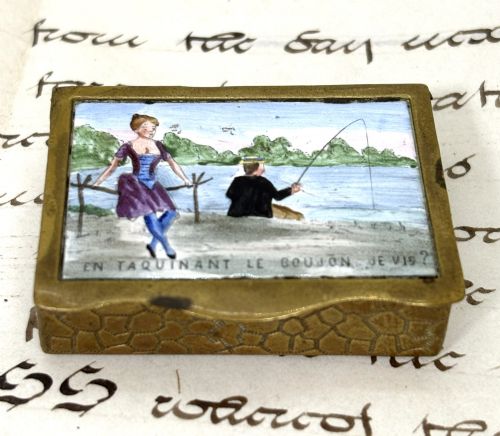
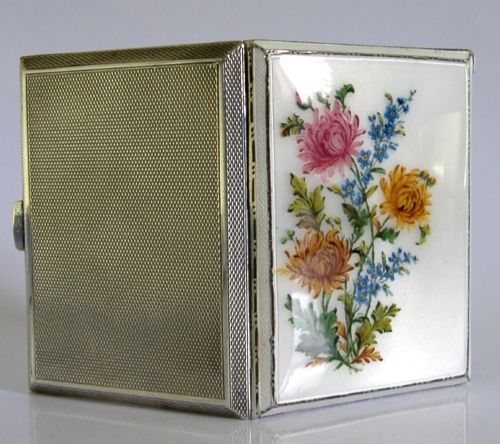
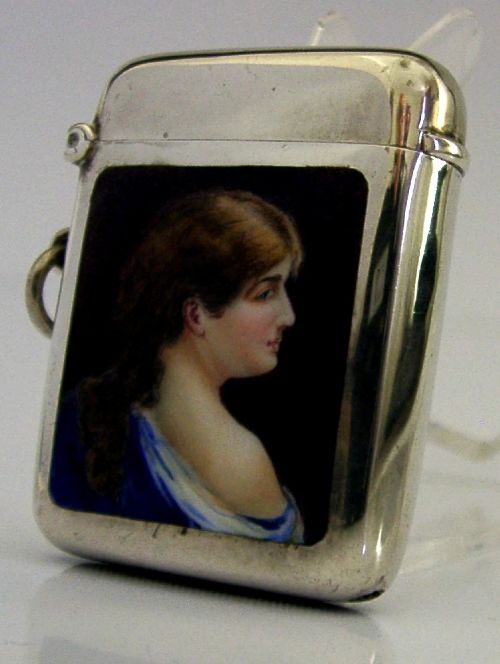
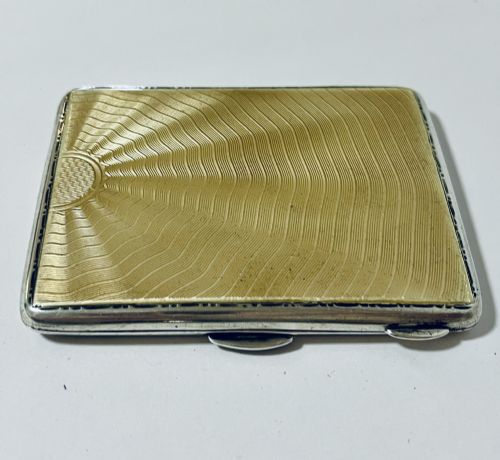
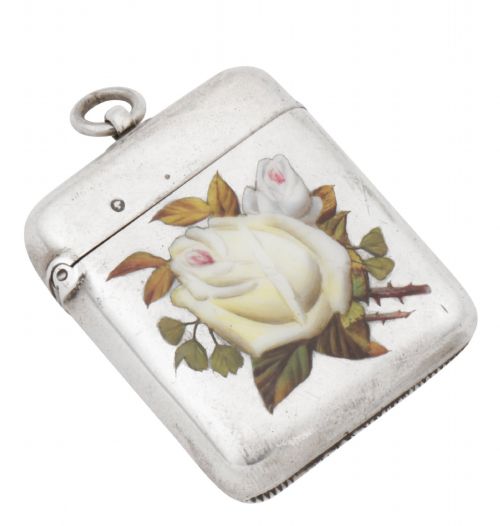
Vesta cases and cigarette cases dominate the current range, often featuring hand-painted floral motifs, figurative subjects, or geometric guilloche patterns. These pocket pieces served everyday social functions while displaying decorative refinement.
How they were made
Maker's workshops utilised sterling silver, brass, gun metal, and gold plate as the structural foundation for these small vessels. Artisans applied vitreous enamel by fusing powdered glass to metal surfaces under high heat.
Techniques such as hand painting and engine turning created intricate surface patterns beneath translucent enamel layers. Craftsmen shaped metal casings to house delicate mechanisms or dry goods safely in the pocket.
What varies in quality
Quality rests upon the precision of the metalwork and the clarity of the enamel surface. Superior examples demonstrate crisp hand painting, secure hinges, and well-preserved vitreous layers free from extensive cracking.
The integration of the enamel into the metal chassis distinguishes standard utilitarian boxes from finer artistic productions. Maker attribution and the complexity of the decorative subject further elevate individual pieces.
William Neale·Sampson Mordan·Liberty and Co·Tiffany and Co·John Walker
The Enamel Pocket Case Glossary
- Vesta case
- A small pocket container designed to hold matches and keep them dry. These items typically feature a striking surface on the base.
- Guilloche
- An ornamental technique in which a precise, intricate pattern is mechanically engraved into a metal surface. Enamel is frequently applied over this texture to create translucent depth.
- Vitreous enamel
- A material made by fusing powdered glass to a substrate by firing. This produces a durable, glossy coloured surface.
- Full hunter
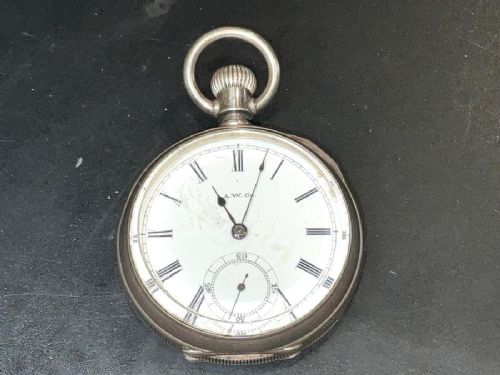
- A pocket watch featuring a spring-cover metal lid designed to protect the dial. The cover opens via a button wind mechanism.
Enamel Pocket Case: Frequently Asked Questions
What fits inside an enamel pocket case?
These cases accommodated specific daily necessities depending on their designated form. Common contents included matches, visiting cards, cigarettes, or portable timepieces.
The interior dimensions match the compact nature of Victorian and Edwardian pocket accessories, keeping personal items protected during transit.
How do I date an enamel pocket case?
Dating relies heavily on hallmarks stamped into the silver or metal frames. British pieces carry assay office marks and date letters that pinpoint the exact year of manufacture.
Stylistic indicators such as Art Deco geometry or Victorian floral painting also help assign pieces to broad production eras.
Are these cases meant for daily use?
While originally built for daily utility in the pocket or handbag, surviving pieces require careful handling today. Vitreous enamel can chip or crack if subjected to sharp impacts against modern items like keys.
Collectors generally treat them as display objects or carry them with deliberate caution.
What is the difference between a vesta and a card case?
A vesta case is a small box built specifically to hold matches, featuring a rough striker on the exterior. Card cases are flatter, wider receptacles designed to hold calling cards without bending.
Both utilise enamel decoration but serve entirely different functions in nineteenth-century etiquette.