

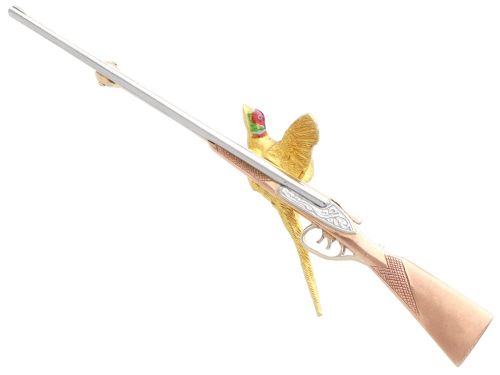
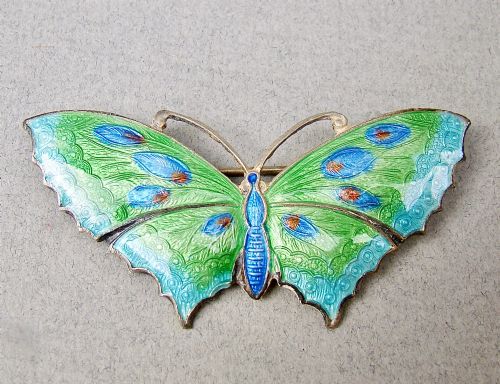
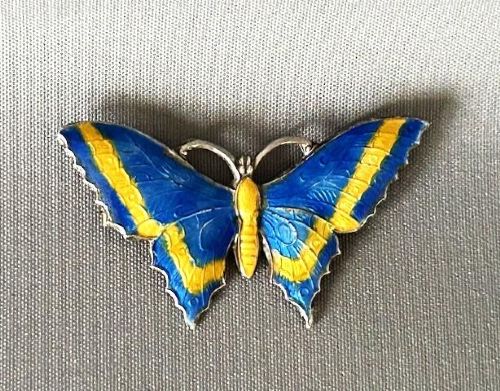
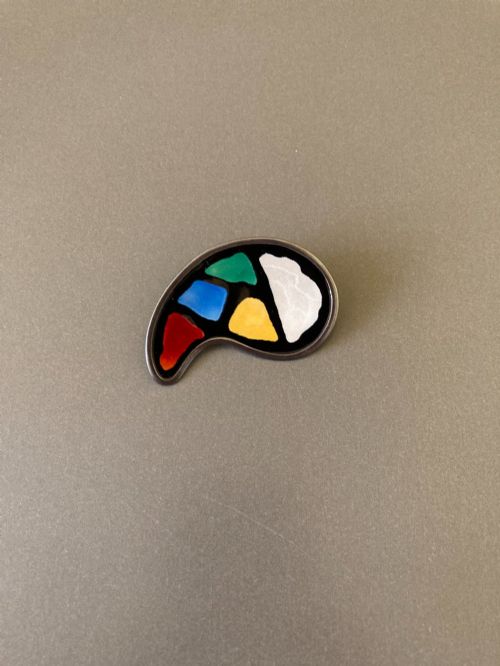

Enamel Jewellery Pin
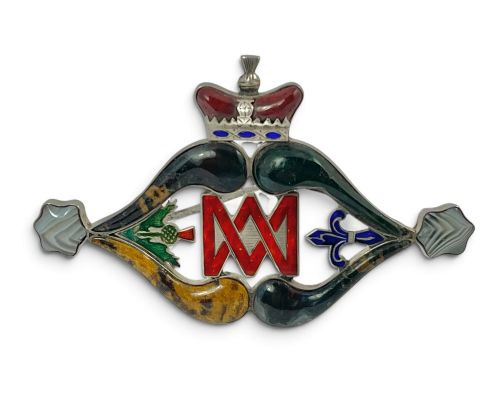
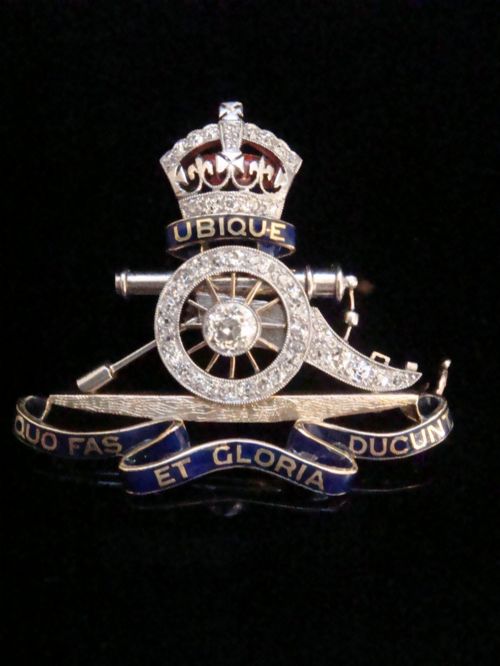
An enamel jewellery pin brings colour and metalwork together in wearable forms spanning Victorian, Edwardian, and mid-century designs.
Enamel Jewellery Pin
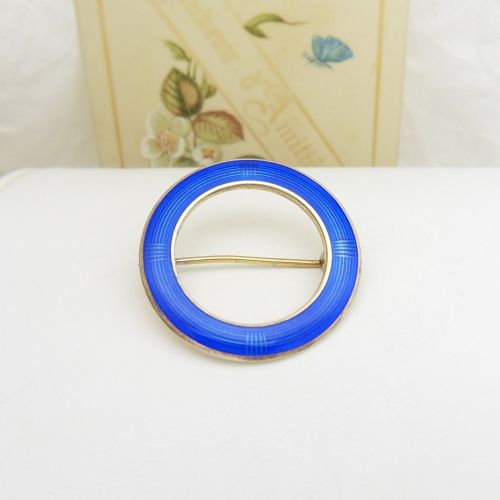
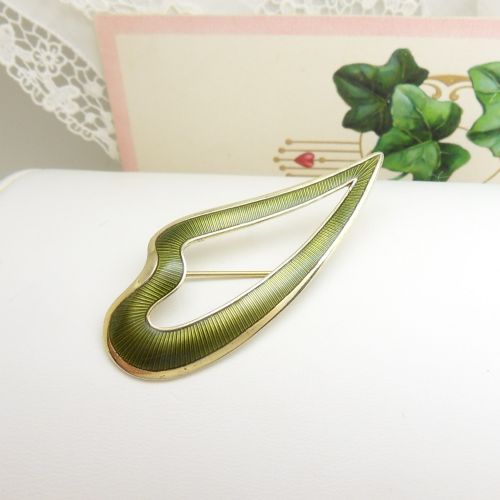
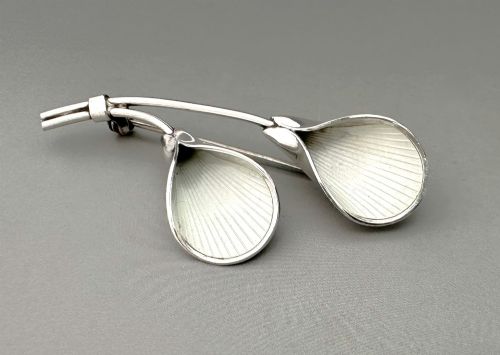
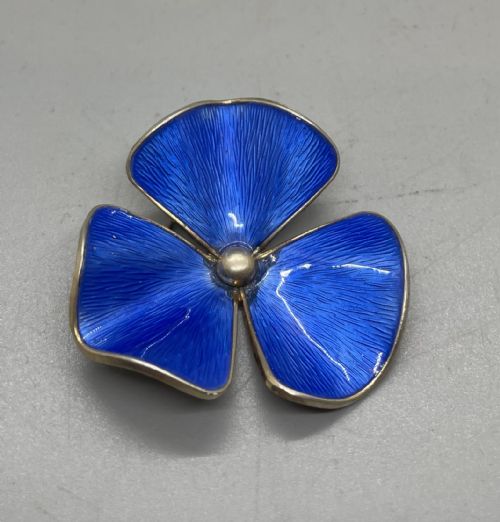
Scandinavian workshops, particularly from Norway, dominate the mid-century selections with silver gilt and guilloche enamel works. Alongside these, British and continental makers contribute pieces featuring silver, gold, and platinum set with diamonds, pearls, and garnets.
How they were made
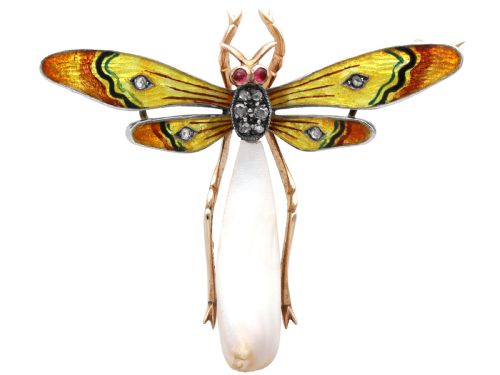
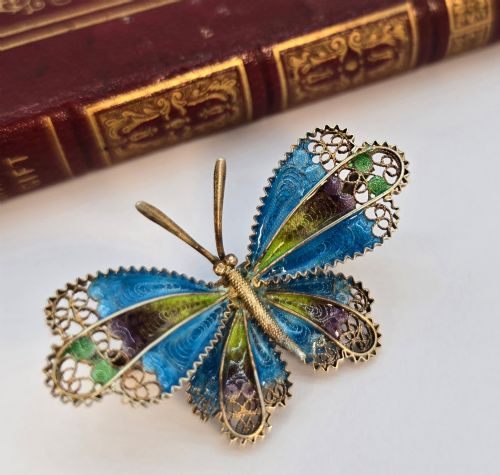
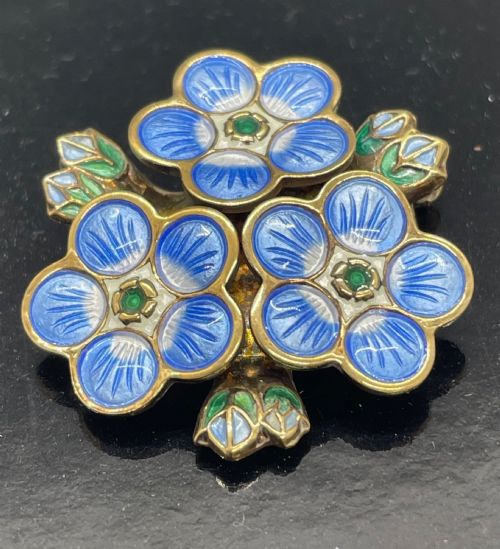
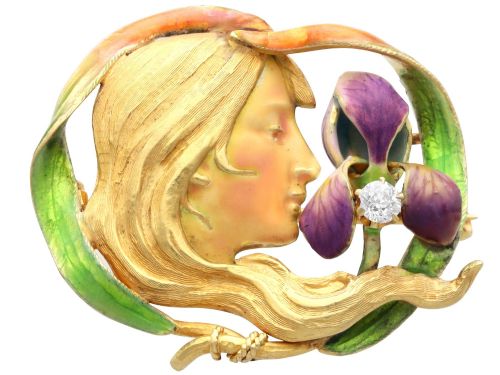
Silversmiths and goldsmiths formed the base structures in silver, sterling silver, silver gilt, platinum, and yellow gold, often employing filigree techniques. Vitreous enamel, guilloche enamel, and translucent plique-à-jour were then applied to the metal surfaces to create rich colour.
Gems such as diamonds, pearls, rubies, garnets, moonstones, and agates were hand-set into the metal frames alongside the enamel work to accent floral, animal, and abstract designs.
Enamel Jewellery Pin Retail Price Guide 2026
Typical asking prices for enamel jewellery pin among the pieces listed under this phrase on Sellingantiques today, from the lower quarter to the upper quarter. They describe what is for sale here now, not the wider market.
Listings span periods from the Georgian era through Victorian, Edwardian, and Art Deco, up to mid-century Scandinavian modernist workshops.
What varies in quality
The distinction between standard output and finer examples rests on the precision of the metalwork and the depth of the enamel. Master workshops achieved crisp guilloche engine-turning beneath translucent glazes and intricate filigree that holds its geometry under close inspection.
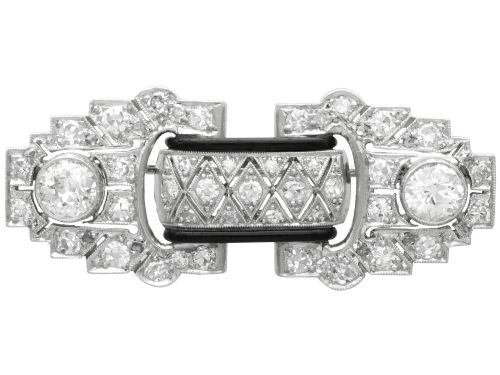
Material combination and attribution elevate certain pieces, such as platinum-topped gold settings housing certified diamonds or identifiable Scandinavian workshop signatures. The harmony between the enamel colour and the surrounding precious metal defines the visual success of the piece.
K A Rasmussen·Aksel Holmsen·Garrard and Co·David Andersen·Hroar Prydz·A H Darby and Son·Levinger and Bissinger
The Enamel Jewellery Pin Glossary
- Guilloche enamel
- A decorative technique where a metal surface is mechanically engraved with intricate repetitive patterns beneath a translucent enamel layer. This allows light to reflect through the coloured glass.
- Vitreous enamel
- Glass fused to a metal substrate through high-temperature firing. It provides a durable, glossy coloured surface that resists fading over decades.
- Plique-a-jour
- An enamelling technique resembling miniature stained glass, where the enamel is fired without a backing metal, allowing light to shine directly through the transparent colours.
- Silver gilt
- Sterling silver or fine silver coated with a thin layer of gold. This finish gives the warmth of gold while maintaining a silver base.
- Filigree
- Delicate jewellery metalwork formed from fine twisted wires soldered together in openwork patterns. It creates a lacy, lightweight structure often seen in butterfly and floral brooches.
Enamel Jewellery Pin: Frequently Asked Questions
How do I tell Art Deco enamel from Victorian enamel?
Art Deco pieces from the 1920s and 1930s favour geometric shapes, high-contrast colours like black and white, and platinum or white metal settings. Victorian examples tend towards naturalistic motifs, sentimental themes, and warmer yellow gold or silver.
Look at the overall styling and motifs to determine the era, as Victorian makers preferred romantic symbolism while Art Deco designers embraced modernism.
What is guilloche enamel?
Guilloche is an engraved pattern cut into the metal base before a translucent enamel coating is applied. The geometric engraving shows through the coloured glass, creating depth and shimmering light effects.
This technique appears frequently on Scandinavian mid-century butterfly and floral brooches.
Are these pins meant to be worn daily?
Enamel jewellery can be worn regularly if treated with care, though delicate pieces with plique-à-jour or fine filigree suit special occasions better. Secure the pin fastening properly to avoid loss during movement.
Consider the age and fragility of the materials when deciding how often to wear an antique piece.