





Enamel Dragon Vase
An enamel dragon vase brings the fierce mythic energy of the East right onto a mantelpiece, cast in bronze or shaped in porcelain.
Enamel Dragon Vase
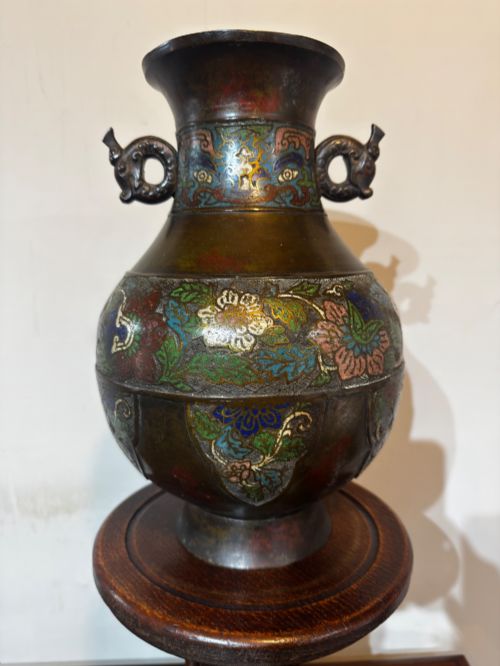
When you search for an enamel dragon vase, you encounter decorative vessels shaped by skilled hands across the nineteenth and early twentieth centuries. These pieces emerge from Chinese and Japanese workshops, spanning periods like the Meiji era and the late Qing dynasty.
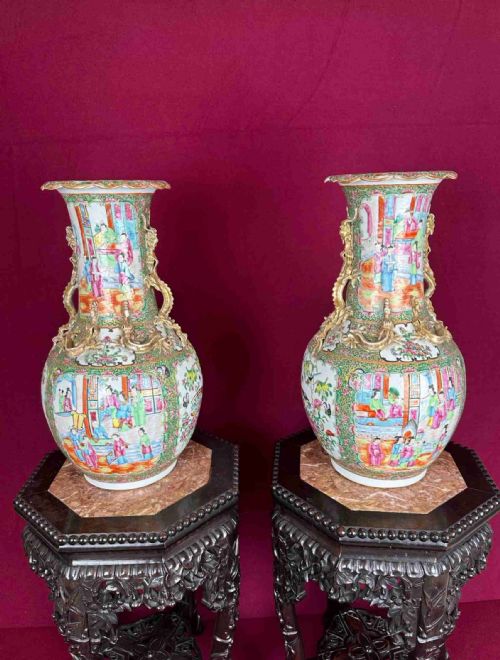
Stylistic influences range from Chinese Canton Famille Rose to Japanese champlevé and cloisonné techniques. Each object captures a specific historical moment of Asian antique craftsmanship, blending utility with symbolic imagery.
How they were made
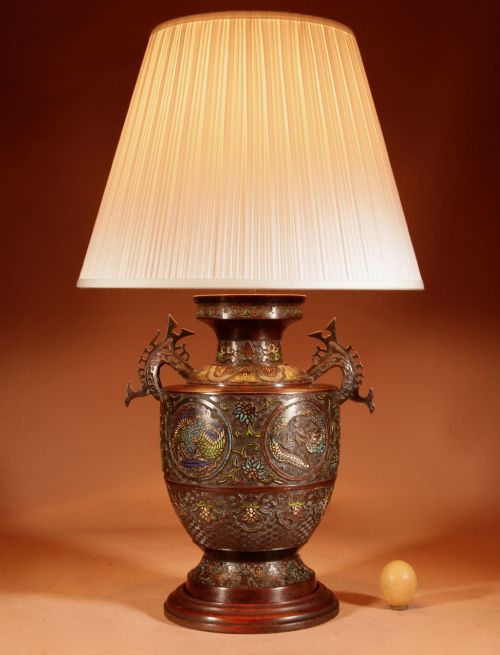
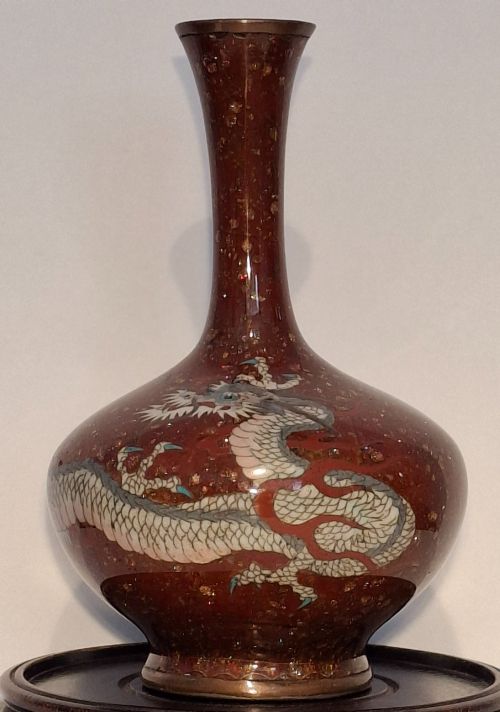
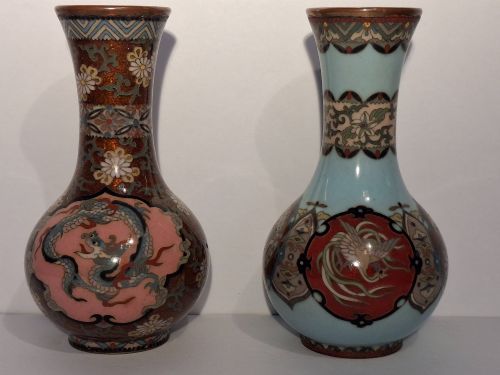
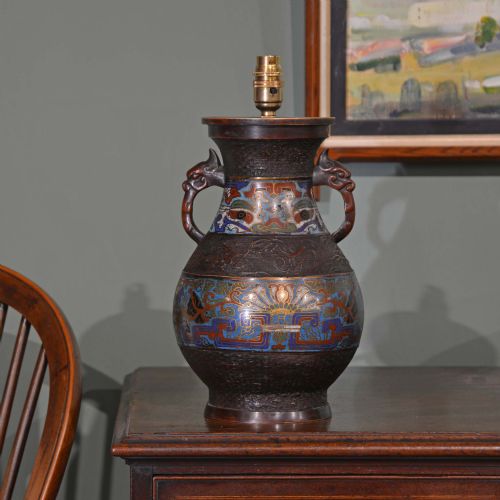
Artisans built cloisonné and champlevé pieces by soldering thin wire strips or carving depressions into bronze bases to form the outlines of dragons and floral patterns. Coloured glass pastes filled these compartments before the entire vessel underwent high-firing and polishing.
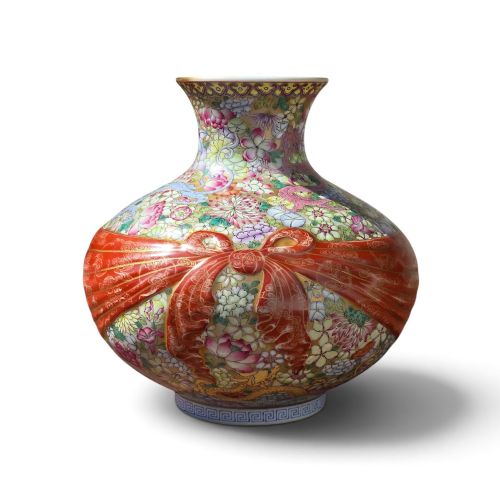
Porcelain variants relied on precise brushwork, utilising iron-red, millefleurs, and doucai enamel palettes to paint five-claw dragons directly onto the clay body. Gold leaf and gilt bronze accents often highlighted specific details across both metal and ceramic surfaces.
Enamel Dragon Vase Retail Price Guide 2026
Typical asking prices for enamel dragon vase among the pieces listed under this phrase on Sellingantiques today, from the lower quarter to the upper quarter. They describe what is for sale here now, not the wider market.
What varies in quality
The crispness of the wirework and the depth of the enamel colour separation dictate the visual standard of metalwork pieces. Superior examples display tightly controlled glass pastes without pitting, alongside finely chased bronze components that feel substantial to the touch.
Porcelain versions depend on the delicacy of the brush and the vibrancy of the iron-red or doucai pigments. Master-level execution shows in the fluid, purposeful movement of the dragon scales and the balanced integration of secondary motifs like ribbon wraps.
The Enamel Dragon Vase Glossary
- Champlevé
- An enamelling technique where troughs are gouged into a metal base and filled with enamel paste before firing. This method creates bold, raised metal outlines around the decorative motifs.
- Cloisonné
- A technique involving thin metal wires soldered to a metal body to create cells that hold coloured enamel pastes. Subsequent firing and polishing yield a smooth, patterned surface.
- Famille Rose
- A palette of opaque rose-pink and other soft enamel colours introduced in Chinese ceramics during the eighteenth century. It remains prominent on Canton export wares.
- Doucai
- A Chinese ceramic technique combining underglaze blue outlines with overglaze enamels in contrasting colours. The method requires multiple firings to achieve its layered effect.
- Totai Shippo
- A Japanese technique where the body of the vessel is etched away or left thin, often resembling tree bark, beneath the cloisonné enamel. It produces a textured, unconventional finish.
Enamel Dragon Vase: Frequently Asked Questions
How do I clean an enamel dragon vase?
Dust the surface gently with a soft, dry cloth to remove everyday particles without disturbing the delicate metal wires or painted enamel.
Avoid using liquid cleaners, abrasive pads, or chemical solvents, as these substances can strip the gilt bronze, damage the porcelain glaze, or discolour the old enamel paste.
Were these vases made for export?
Many nineteenth-century pieces originated in workshops specifically producing goods for Western markets, blending traditional Asian motifs with shapes that appealed to European and American collectors.
Items like Canton Famille Rose and champlevé bronze lamps frequently reflect this cross-cultural exchange, adapting decorative dragon designs into functional household objects.
What does a five-claw dragon signify?
In traditional Chinese symbolism, the five-clawed dragon represented imperial authority and celestial power. Its presence on a jar or vessel often denotes a higher tier of craftsmanship associated with official patronage.
Imperial imagery was carefully regulated, though nineteenth-century export pieces adopted these powerful motifs freely for decorative appeal.
How can I tell Japanese work from Chinese work?
Japanese pieces from the Meiji period often employ distinct technical variations like totai shippo or incorporate highly naturalistic flora alongside the dragon. The bronze casting and patination also tend to follow specific Japanese aesthetic traditions.
Chinese examples frequently lean towards established dynastic styles, utilising specific porcelain palettes like doucai or the heavy gilding characteristic of Canton export wares.