
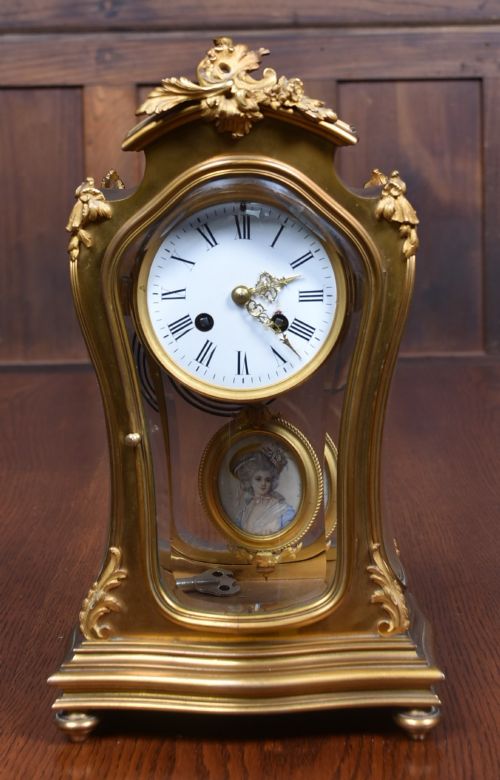


Empire Style Mantel Clock
An empire style mantel clock brings neoclassical weight and gilded bronze into a room, anchoring the mantelpiece with nineteenth-century proportion.
Empire Style Mantel Clock
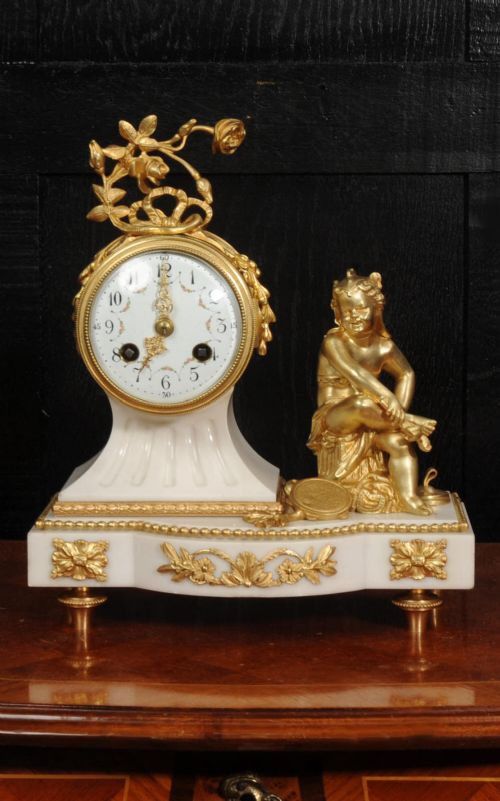
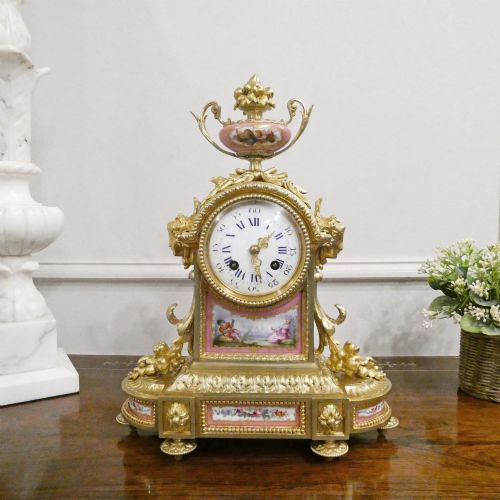
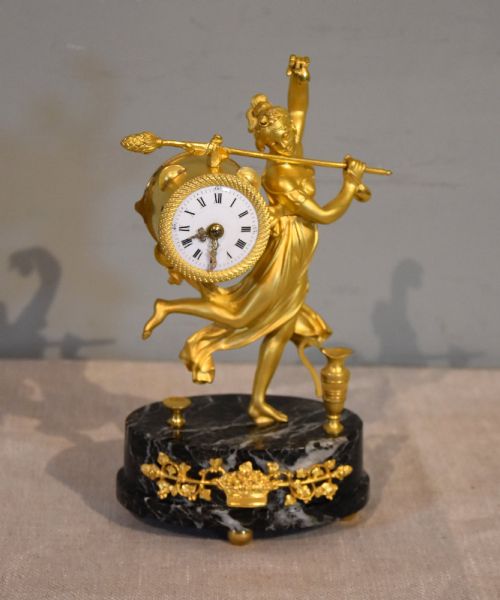
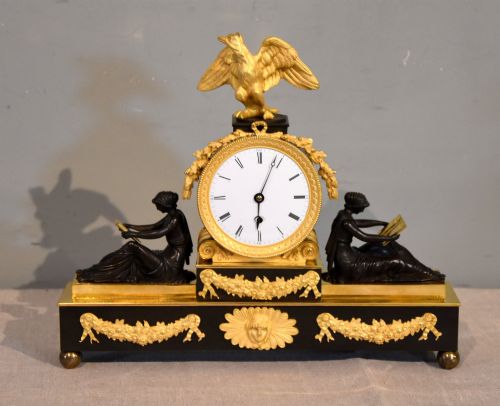
When searching for an empire style mantel clock, collectors encounter architectural nineteenth-century pieces that draw heavily on French design, neoclassical motifs, and Regency influences. The version met most frequently on this page is a French ormolu and marble clock, often paired with matching side garnitures or cast with figural details.
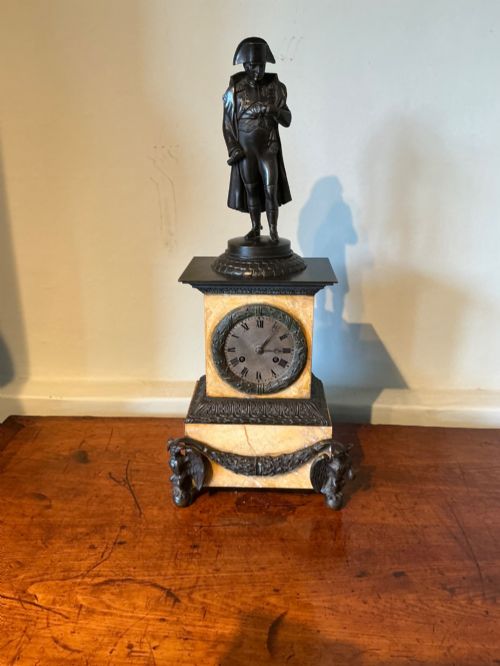
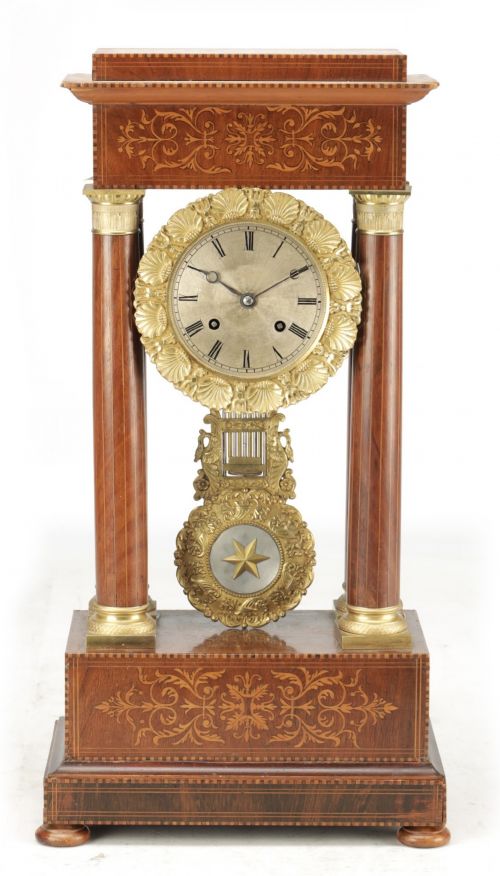
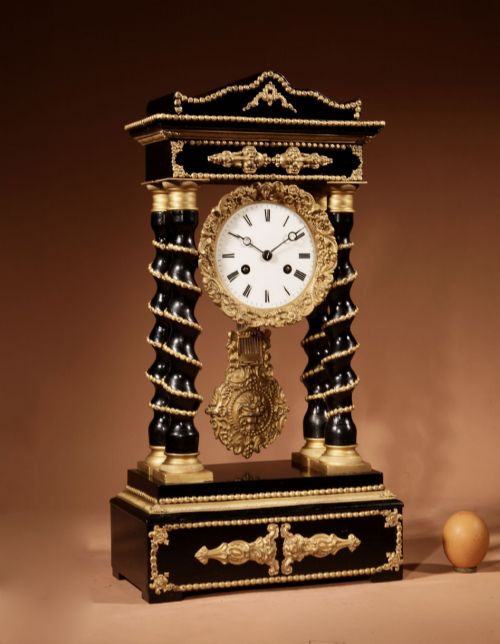
These timepieces span the nineteenth century, including Victorian adaptations and Regency examples, taking forms that range from heavy portico structures to compact mantel timepieces. Architectural cases utilise white, green, rouge, or siena marble alongside patinated and gilt bronze, creating a commanding presence on a shelf or sideboard.
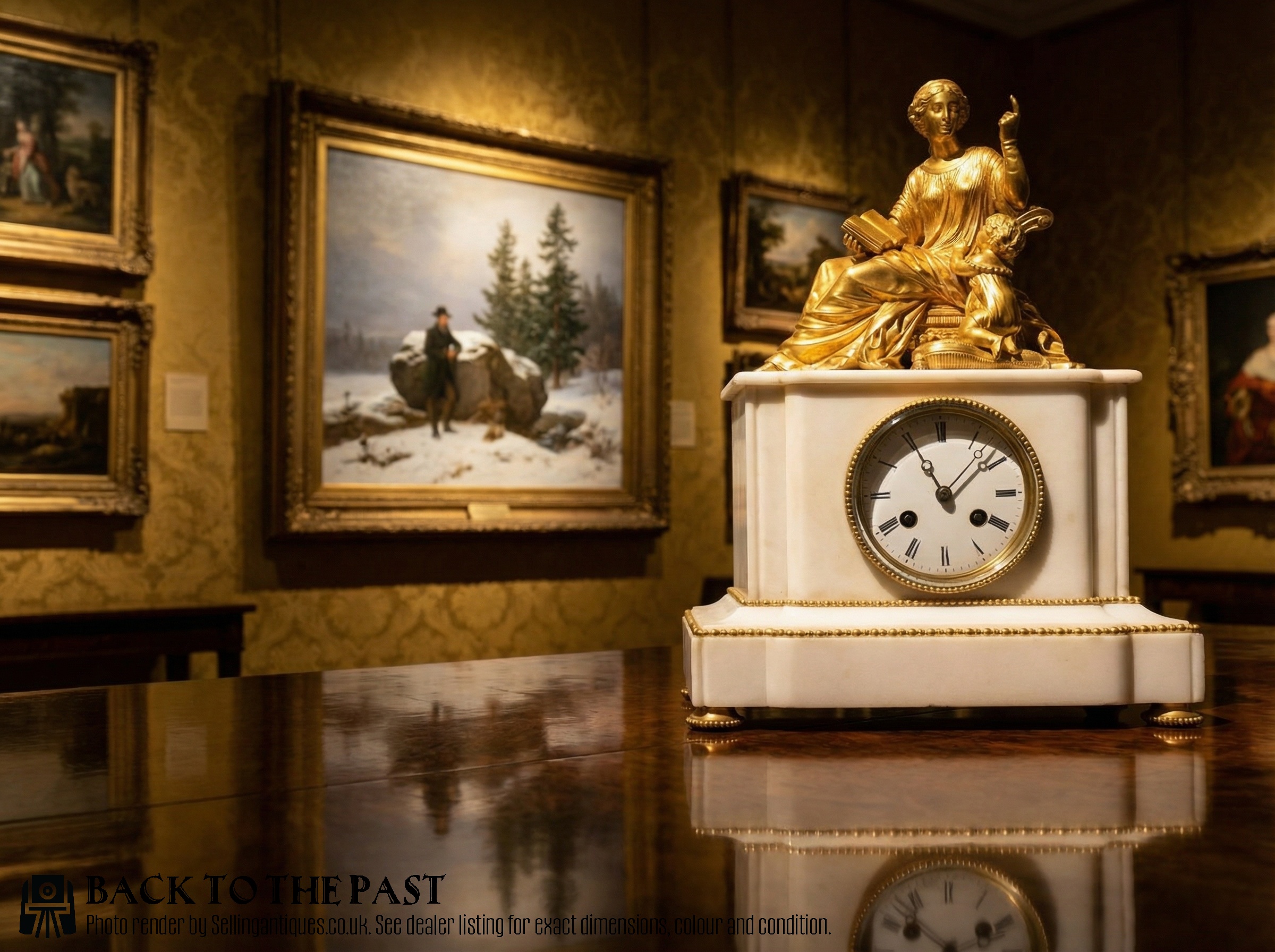
Materials and Construction
Maker workshops constructed these clocks using heavy stone bases of marble and onyx, mounted with cast ormolu, gilt bronze, and brass elements. Gilding techniques applied gold to bronze surfaces, while dial faces incorporated painted enamel or porcelain plates protected by bevelled glass.
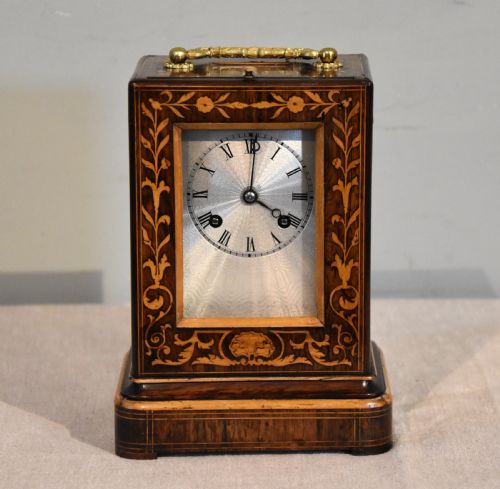
Movements within these heavy cases relied on mechanical eight-day gear systems, sometimes featuring single chain fusee mechanisms or striking capabilities. Cabinets combined turned wooden carcases, rosewood, or ebonised timber with cast metal appliqués and glazed portico columns.
Empire Style Mantel Clock Retail Price Guide 2026
Typical asking prices for empire style mantel clock among the pieces listed under this phrase on Sellingantiques today, from the lower quarter to the upper quarter. They describe what is for sale here now, not the wider market.
Listings feature nineteenth-century French and English horology, combining marble, ormolu, and bronze across portico and architectural mantel formats.
Judging Quality and Execution
Quality reveals itself in the crispness of the bronze chasing and the depth of the fire-gilding, where superior examples retain sharp relief in figures like lions or cherubs. Lesser pieces show softer casting lines and plated finishes that wear thin over time.
The integrity of the marble case and the originality of the movement also separate ordinary production from finer studio work. Signed movements by notable makers and complete garniture sets indicate a higher tier of original manufacture.
Japy Freres·Vincenti of Paris·Baetens London·Rodier·Baltazart·Bellenot Paris
The Empire Style Mantel Clock Glossary
- Ormolu
- Finely chopped gold amalgamated with mercury and applied to bronze through heat, creating a durable golden surface. This process was largely superseded by electroplating later in the nineteenth century.
- Portico Clock
- An architectural clock design featuring a flat entablature supported by two or four slender columns. The pendulum often swings openly within the central opening between the pillars.
- Garniture
- A set consisting of a central clock flanked by matching decorative objects such as urns or candelabra. These matched suites were designed to balance a mantelpiece or console table.
- Fusee
- A conical pulley used in clock movements to maintain an even pull on the gear train as the mainspring unwinds. This mechanism improves timekeeping accuracy across the power reserve.
- Dial
- The face of the clock where hours and minutes are marked on enamel, porcelain, or metal. Signed dials often bear the name of the retailer or horologist.
Empire Style Mantel Clock: Frequently Asked Questions
How do I wind an empire style mantel clock?
Most mechanical models use a winding key inserted into holes on the enamel dial to tension the internal springs.
Care must be taken not to overwind the mechanism, stopping as soon as resistance is felt.
What is a clock garniture set?
A garniture comprises a central mantel timepiece accompanied by two matching side ornaments, typically urns or vases.
Placed together on a fireplace, they created a balanced decorative arrangement popular in nineteenth-century interiors.
How do I distinguish Regency from Victorian periods?
Regency pieces generally date from the early nineteenth century, displaying restrained neoclassical lines and distinct fusee movements.
Victorian examples span later decades, often embracing busier ornamentation and revival styles like Louis XVI or Rococo.
Where should I place a heavy marble clock?
These clocks require a sturdy, level surface capable of supporting considerable weight from stone and bronze components.
Mantelpieces and heavy sideboards provide the stable foundation needed for accurate pendulum operation.