


Empire Gilt Bronze Lamps
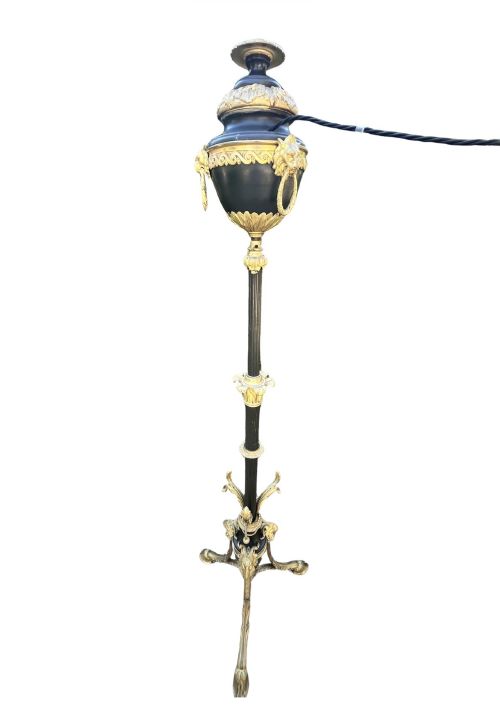
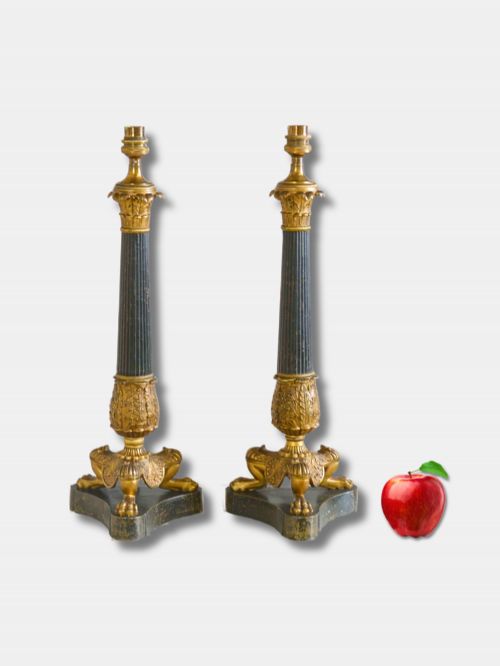
These empire gilt bronze lamps bring classical French grandeur into a room, cast in heavy metal and finished in rich gold tones.
Empire Gilt Bronze Lamps
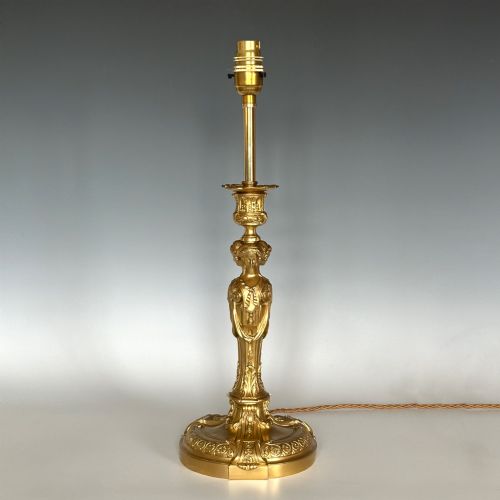
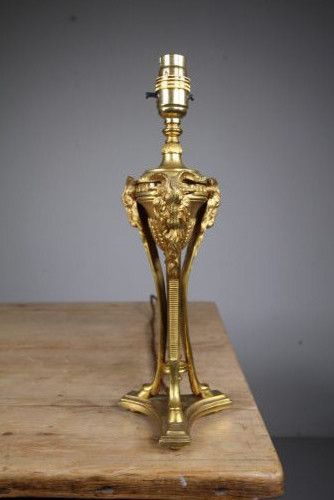
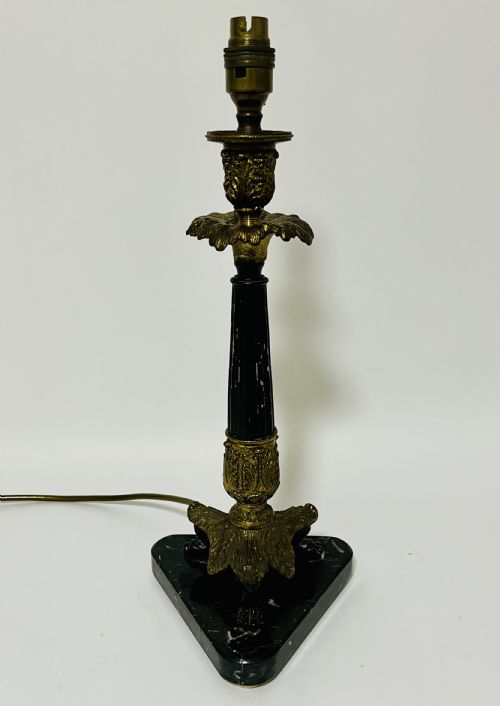
Empire gilt bronze lamps combine classical motifs with the heavy metal casting of the nineteenth century, drawing heavily on French Neoclassical and Louis XVI design traditions. You will most frequently encounter table lamps and column forms paired with marble bases or classical figures.
The selections span the nineteenth century and into the early twentieth century, capturing revivals from the French Empire and Regency periods. Many pieces incorporate patinated bronze alongside polished ormolu, creating strong contrasts in tone and texture.
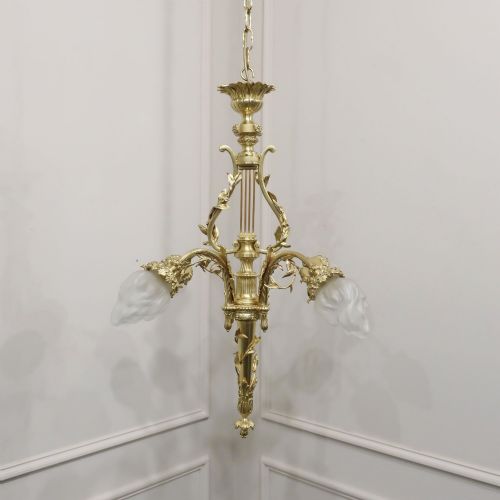
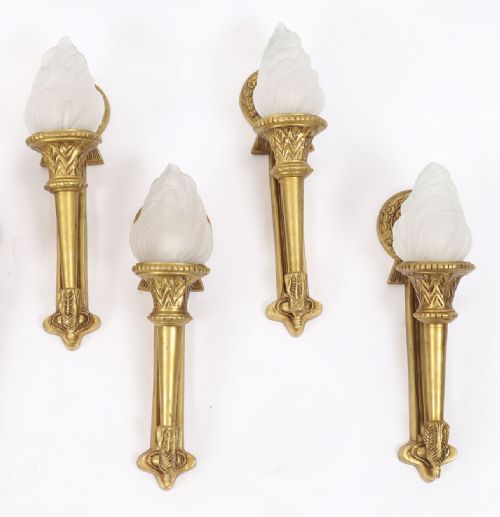
Beyond standard table lamps, the available items extend to wall lights, chandeliers, and standard lamps sharing the same bronze and ormolu vocabulary. These lighting options suit formal rooms where traditional metalwork anchors the interior scheme.
Evaluating the Metalwork
Quality rests in the crispness of the chasing on the bronze surface, where sharp lines and deep relief separate fine sculptural castings from soft, worn production. The preservation of the original ormolu plating dictates much of the visual weight and historical integrity.
Substantial marble bases and heavy gauge metal signify superior construction over lighter, later adaptations. The integration of figural elements, such as cherubs or classical figures, demands careful anatomical proportion and secure mounting to achieve distinction.
Materials appearing across the current inventory include ormolu, patinated bronze, marble, fabric, and crystal.
François-Christophe-Armand Toussaint·Jean-Démosthène Dugourc
The Empire Gilt Bronze Lamps Glossary
- Ormolu
- A gilded bronze technique utilising a mercury-gold mixture applied to cast brass or bronze. This process creates a lasting, brilliant gold surface characteristic of French decorative arts.
- Patinated Bronze
- Bronze treated with chemicals or heat to produce a dark, stable surface colour. It contrasts effectively against the bright finish of adjacent ormolu mounts.
- Neoclassical
- A revival style drawing inspiration from classical antiquity, prominent in eighteenth and nineteenth-century design. It employs symmetrical forms, urns, and column structures.
- Gueridon
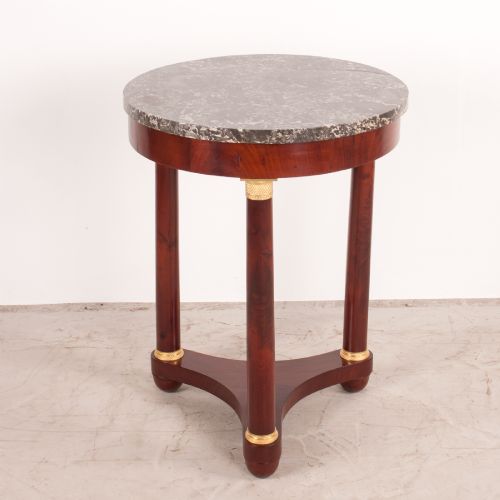
- A small occasional table supported by one or more central columns or figural pillars. These tables often share design motifs with contemporary lighting fixtures.
Empire Gilt Bronze Lamps: Frequently Asked Questions
How do I date these lamps?
Dating relies on examining the casting methods, the composition of the bronze, and the style of any accompanying marble plinths or mounts. Nineteenth-century pieces typically display heavier bronze work and hand-chased details compared to later revivals.
Comparing the decorative vocabulary to known periods like the French Empire or Regency helps narrow the timeframe. Makers often reproduced earlier models, making material wear and construction techniques essential clues.
Were these originally electric?
Most of these pieces began life as oil lamps, candlesticks, or colza hanging lights before later conversion to electricity. The original burners or candle nozzles were adapted to house wiring during the twentieth century.
Buyers should inspect the wiring and interior fitting to ensure safety while preserving the historic bronze body. Professional rewiring lets these antique fixtures function safely in modern homes.
What is patinated bronze?
Patinated bronze refers to metal treated to achieve a dark brown, green, or black surface colour. This dark finish highlights the bright, reflective quality of adjacent ormolu or gilt details.
The patina forms either through natural oxidation over time or via chemical treatments applied during manufacture. Preserving this surface maintains the intended visual contrast of the piece.