




Emerald Green Wine Goblet
An emerald green wine goblet brings rich colour to the table, and these glassware pieces offer striking hues shaped by Georgian, Victorian, and later hands.
Emerald Green Wine Goblet
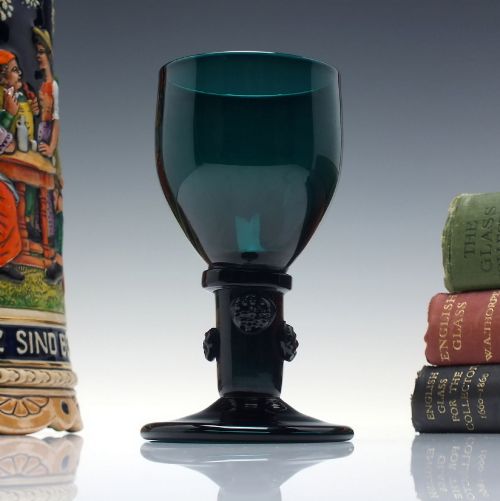
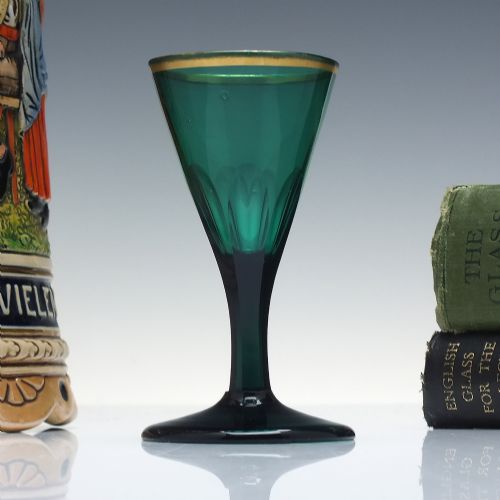
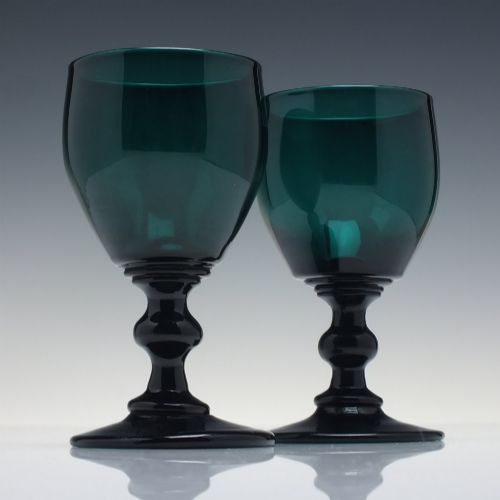
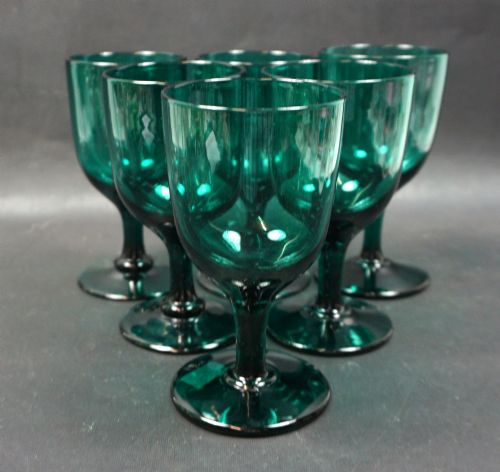
An emerald green wine goblet encompasses drinking vessels designed for wine, hock, or drams, fashioned primarily in shades of green glass. The selections here range from Georgian and Regency items to Victorian, Biedermeier, and early twentieth-century examples.
The forms span individual stems, pairs, and larger sets including tulip shapes, bucket bowls, and roemer styles. English, French, and continental origins appear across the glassware, uniting utility with deep green tones.
How they were made
Makers utilised lead glass, lead crystal, and coloured glass, frequently forming vessels through hand-blowing techniques. Cased glass methods appear alongside traditional blowing, layering hues to achieve depth.
Gilding and glass cutting decorate certain surfaces, adding tactile facets and metallic highlights to the emerald bodies.
Emerald Green Wine Goblet Retail Price Guide 2026
Typical asking prices for emerald green wine goblet among the pieces listed under this phrase on Sellingantiques today, from the lower quarter to the upper quarter. They describe what is for sale here now, not the wider market.
Listings feature periods spanning the Georgian era through the 1930s, utilising hand-blown glass, lead crystal, and cased glass.
What varies in quality
The depth and consistency of the green colouration set finer examples apart from simpler work, alongside the precision of the hand-blown or cut facets. Clarity within the lead glass or crystal also distinguishes the upper tier of pieces.
Proportion and the grace of the stem relative to the bowl dictate the aesthetic success of each goblet, reflecting the skill of the original glasshouse.
The Emerald Green Wine Goblet Glossary
- Lead glass
- Glass containing lead oxide, which increases brilliance and weight. This material allows for crisper cutting and a clearer ring when struck.
- Cased glass
- Glass made of two or more distinct layers of different colours. The outer layer is often cut through to reveal the contrasting glass beneath.
- Roemer
- A traditional continental European drinking vessel with a large bowl resting on a decorated cylindrical stem. These pieces frequently feature raspberry prunts for grip.
- Hock glass
- A tall wine glass traditionally used for German white wines or hock. The bowls are often coloured and sit atop long stems.
Emerald Green Wine Goblet: Frequently Asked Questions
Can I still drink wine from these goblets?
Many collectors use these glasses for special occasions or quiet evenings. The lead glass and crystal are robust enough for careful dining use.
Take care with modern dishware and store them safely on sturdy shelving to prevent accidental knocks.
How do I identify a Georgian green wine glass?
Examine the weight, pontil mark on the underside, and the character of the hand-blown glass. Georgian pieces often display minor bubbles and tool marks from production.
Compare the silhouette and stem formation with known regional styles from English and continental glasshouses.
What is the difference between lead glass and crystal?
Lead crystal is a specific type of lead glass that meets higher standards for density and refractive index. Both materials offer enhanced clarity compared to standard soda-lime glass.
Pieces made from lead crystal generally feel heavier and refract light more sharply.