

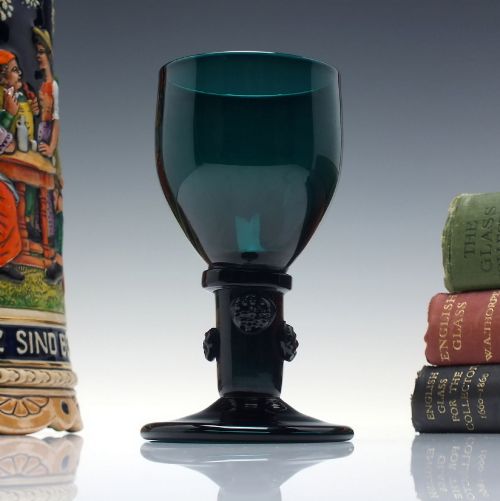
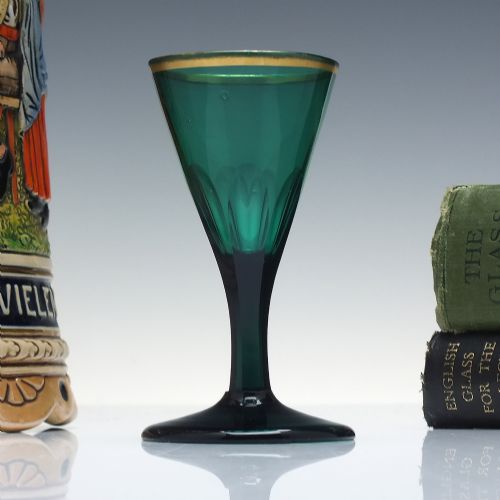
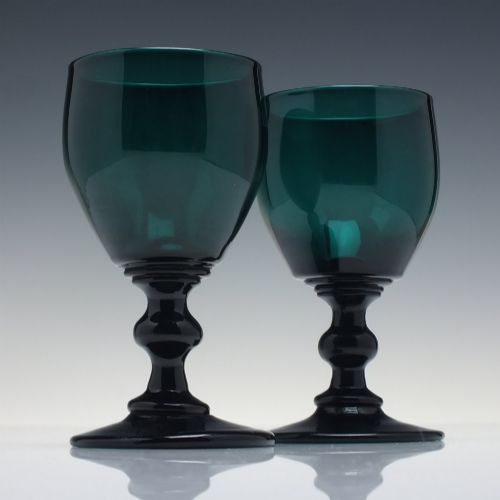
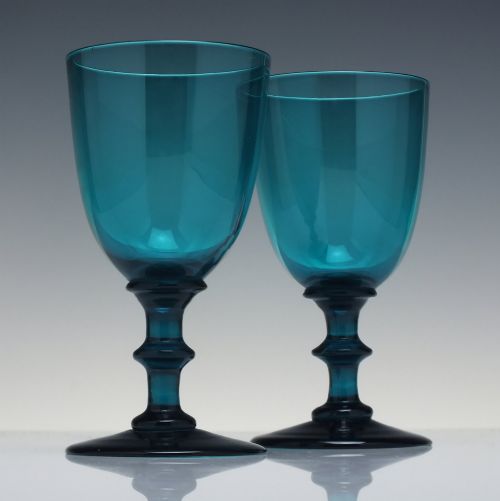

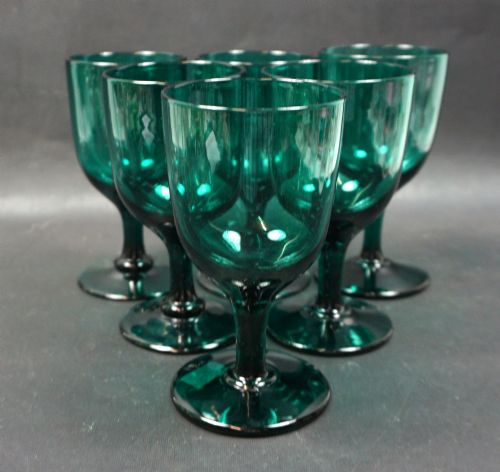


Emerald Glass Goblet
These emerald glass goblet pieces bring rich tone and historic form to any table, offering vibrant colour from Georgian to Art Deco eras.
Emerald Glass Goblet
When you search for emerald glass goblet, you encounter drinking vessels and stemware spanning Georgian, Victorian, and later periods.
The most common forms on this page include wine glasses, dram glasses, and hock glasses rendered in shades of green.
Originating from English, French, and Biedermeier workshops, these pieces combine deep coloration with historic glassware shapes.
How they were made
Glassmakers utilised hand-blown glass and lead glass techniques to shape bowls, stems, and feet.
Methods such as cased glass and cut crystal created layered colour effects and precise geometric facets.
Some examples incorporate gilding on the rim or bowl to accent the green body.
Emerald Glass Goblet Retail Price Guide 2026
Typical asking prices for emerald glass goblet among the pieces listed under this phrase on Sellingantiques today, from the lower quarter to the upper quarter. They describe what is for sale here now, not the wider market.
Raise a green glass to history, where every dram poured channels centuries of toast-making.
What varies in quality
The depth and saturation of the green colouration distinguish standard production from exceptional examples.
Clarity of the lead glass and crispness of the cut crystal facets indicate the skill of the original workshop.
Baccarat·St Louis Massenet
The Emerald Glass Goblet Glossary
- Cased glass
- Glass formed of two or more distinct layers of different colours, often cut through to reveal the base layer.
- Roemer
- A traditional European drinking vessel with a large rounded bowl and a wide ribbed stem.
- Hock glass
- A tall-stemmed wine glass traditionally used for German white wine, frequently produced in coloured glass.
- Dram glass
- A small historic drinking glass designed for serving spirits.
Emerald Glass Goblet: Frequently Asked Questions
How do I date an emerald glass goblet?
Dating relies on examining the manufacturing technique, pontil marks, bowl shapes, and stylistic traits associated with periods like Georgian or Victorian.
Comparing the cut patterns and weight of the glass against documented examples helps narrow the decade of production.
Are these glasses safe to use?
Many buyers enjoy using antique stemware for special occasions, provided they receive careful hand washing.
Historic lead glass requires gentle handling to preserve the surface and any applied gilding.
What styles are common?
The selection includes Georgian bucket bowls, Victorian cut designs, Biedermeier forms, and later Edwardian or Art Deco pieces.
Each style reflects the prevailing decorative tastes of its manufacturing period.