



Embossed Silver Table Box
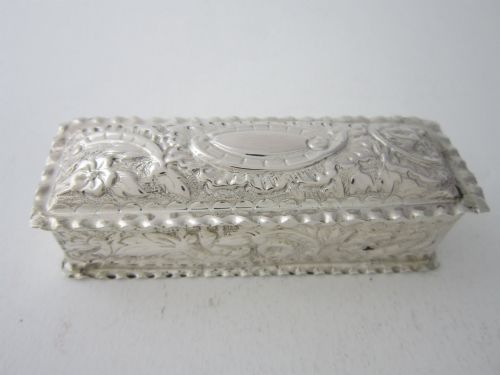
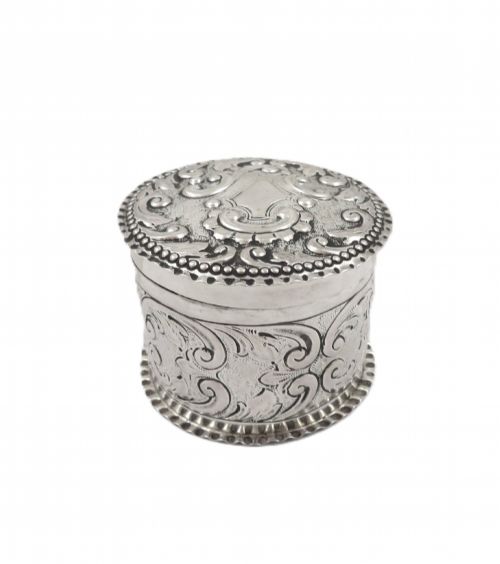
An embossed silver table box delivers heavy repoussé work and refined storage for the dressing room or desk.
Embossed Silver Table Box
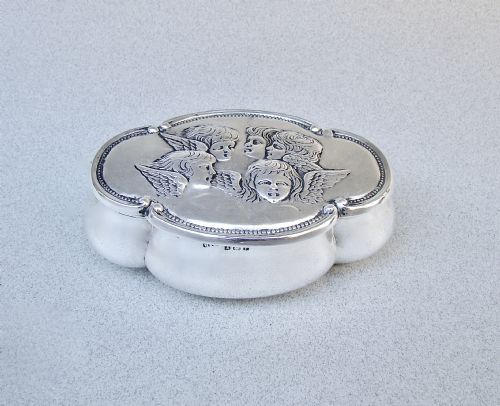
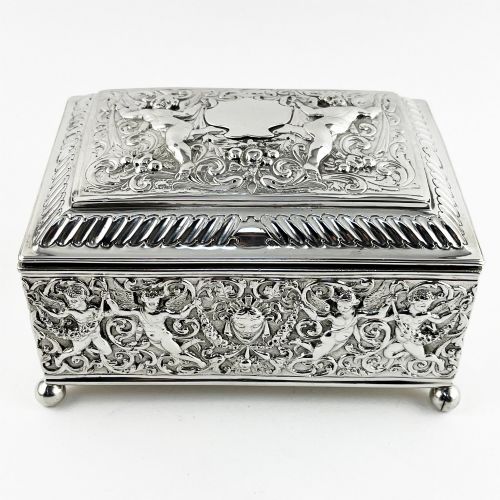
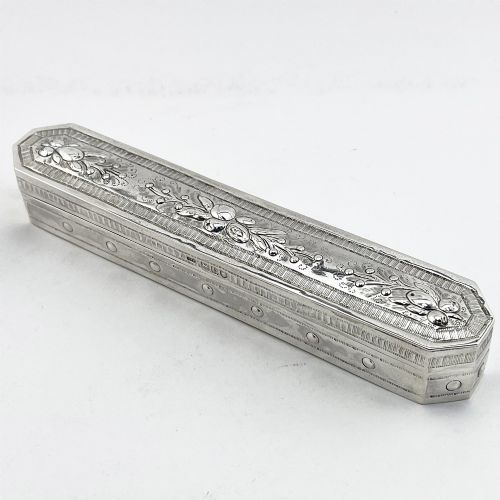
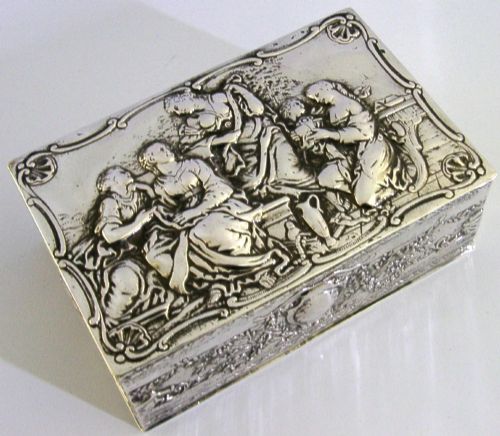
An embossed silver table box serves as a functional receptacle for trinkets, jewellery, snuff, or correspondence, shaped by Victorian and Edwardian makers. These pieces emerge in various forms, from heart-shaped trinket containers and dressing table jars to substantial German Hanau desk boxes and Dutch silver caskets. Collectors seek an embossed silver table box to display intricate decorative motifs and house small personal valuables upon a surface.
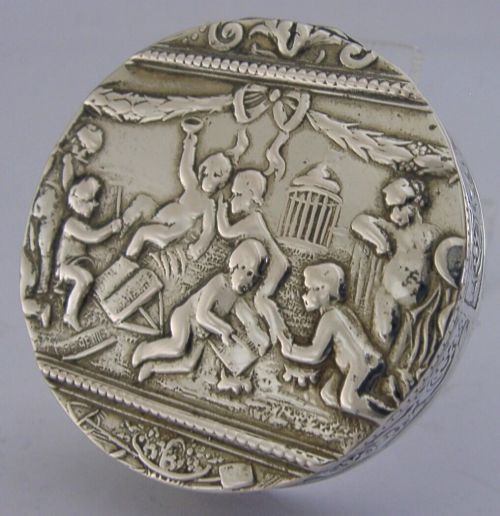
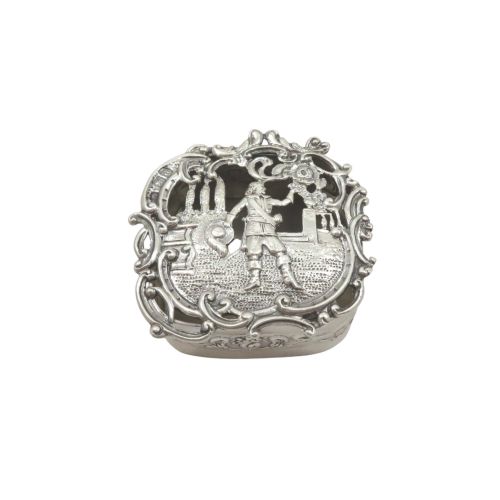
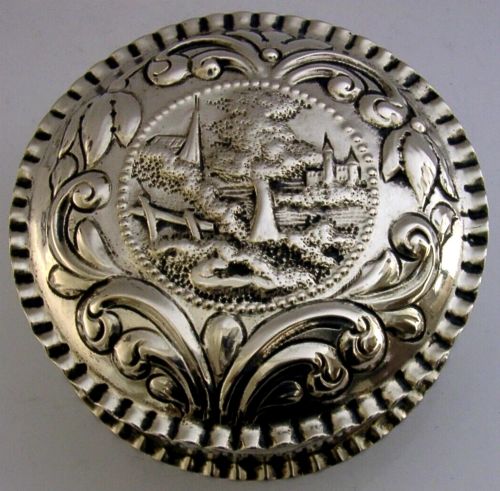
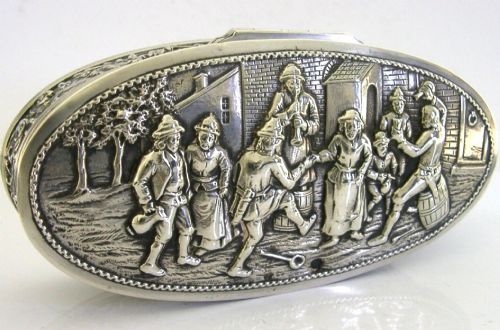
The selection here encompasses Victorian and Edwardian examples alongside Continental pieces from around nineteen hundred. Forms range from small vanity pots and pill containers to heavy cigarette boxes and picture castle top table pieces. Each embossed silver table box reflects the prevailing tastes of its period, shifting from Rococo Revival and Neo-Rococo curves to fluid Art Nouveau lines and Dutch traditional scenes.
Materials and construction
Makers fashioned each embossed silver table box using sterling silver or solid silver, often applying hammer and punch to raise the detailed relief decoration from the reverse side in the repoussé technique. Continental pieces frequently utilise German Hanau or Dutch silver standards, while domestic examples bear hallmarks from assay offices in Birmingham and Chester.
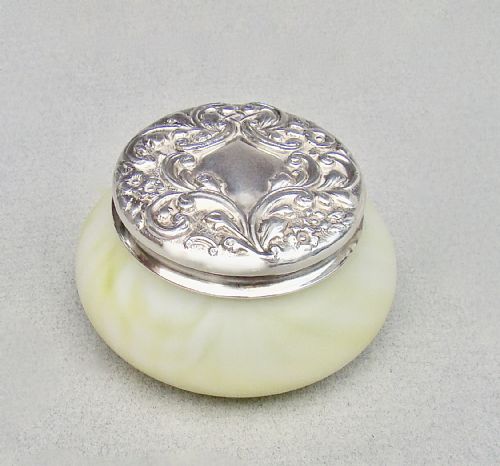
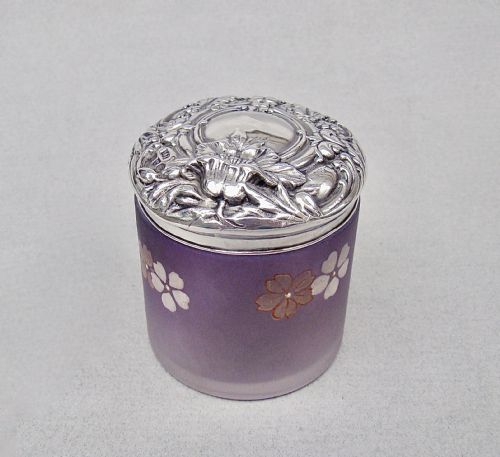
Many boxes incorporate contrasting elements, pairing the chased silver lids with bodies formed from cut glass, satin glass, frosted glass, or lined interiors fitted with velvet, silk, or satin. Heavier table boxes utilise sturdy gauge metal to support figural cherub scenes, architectural castle tops, or floral and foliage arrangements.
Embossed Silver Table Box Retail Price Guide 2026
Typical asking prices for embossed silver table box among the pieces listed under this phrase on Sellingantiques today, from the lower quarter to the upper quarter. They describe what is for sale here now, not the wider market.
Cherubs peer out from chased silver lids, silently presiding over centuries of misplaced buttons and secret notes.
Evaluating quality and execution
The distinction between standard containers and superior pieces rests upon the crispness of the chasing and the weight of the metal. Higher quality examples display deep, manually worked relief rather than shallow mechanical pressing, with defined figural faces, architectural details, and crisp hallmarks confirming the maker and standard.
The integration of materials dictates the standing of a box, where thick cut glass bases or intact silk and velvet linings complement heavy gauge silver lids. Pieces by notable workshops or specific Continental import hubs maintain a stronger presence through substantial gram weights and deliberate artistic styling.
A. Bromet & Co·William Hutton·William Comyns·William Comyns & Sons·William Neale & Sons
The Embossed Silver Table Box Glossary
- Repoussé
- A metalworking technique where the artisan hammers the design from the reverse side to create raised ornamentation on the surface. This method defines the primary decoration of an embossed silver table box.
- Hallmark
- An official stamp applied by an assay office indicating the purity of the metal, the maker, and the year of production. British pieces typically show standard marks alongside city assay symbols.
- Hanau silver
- Silverware produced in the German town of Hanau, known historically for creating intricate antique novelty boxes and revival pieces. These items often emulate earlier styles to satisfy international collectors.
- Casket
- A larger, often footed box designed for jewellery or precious keepsakes rather than small pocket items. They frequently feature hinged lids and fitted interior linings of velvet or silk.
- Castle top
- A decorative style featuring a detailed architectural engraving or repoussé scene of a specific building on the lid. These scenic panels are particularly sought after on heavy table boxes.
Embossed Silver Table Box: Frequently Asked Questions
What is an embossed silver table box used for?
These boxes served multiple domestic purposes, holding vanity items, visiting cards, postage stamps, or personal jewellery on a desk or dressing table. Snuff boxes and smaller trinket containers kept personal accessories secure within easy reach.
Today, owners utilise them in similar fashion to store small modern trinkets while displaying period craftsmanship in a room setting.
How do I clean an embossed silver table box?
Cleaning requires a soft microfibre cloth and a mild, non-abrasive silver polish formulated to protect antique metalwork. Avoid applying liquid dips directly onto boxes with glass bases, textile linings, or delicate velvet interiors.
Gentle wiping preserves the darker recessed areas of the repoussé work, which provide essential visual depth to the embossed decoration.
How do I identify Victorian and Edwardian examples?
British pieces carry hallmarks indicating the specific assay office, such as Birmingham or Chester, alongside date letters corresponding to Victorian or Edwardian years. Style also guides identification, as the late nineteenth century favoured heavy Rococo Revival curves while the early twentieth century brought Art Nouveau fluidity.
Continental imports often feature alternative control marks rather than British assay stamps, pointing to origins in Germany or the Netherlands.
What distinguishes German Hanau silver boxes?
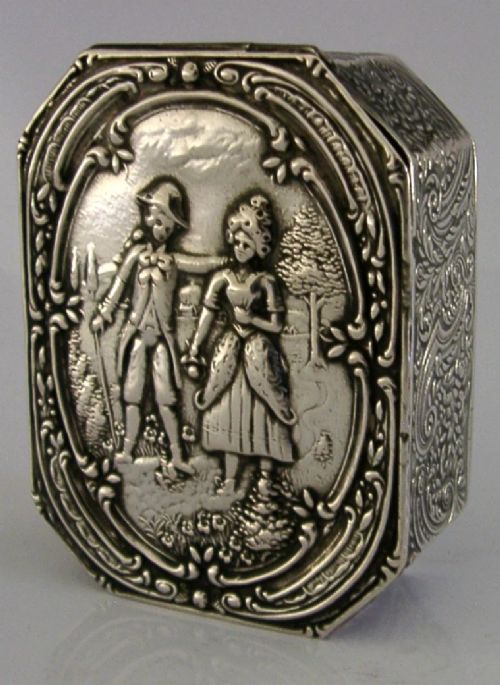
German Hanau pieces often display exceptionally deep figural scenes, cherubs, or traditional Dutch pastoral motifs worked across heavy gauge solid silver surfaces. Workshops in this region specialised in decorative table boxes intended for the export market.
They frequently carry pseudo-marks or importer marks rather than standard British hallmarks, reflecting their Continental manufacture around nineteen hundred.