
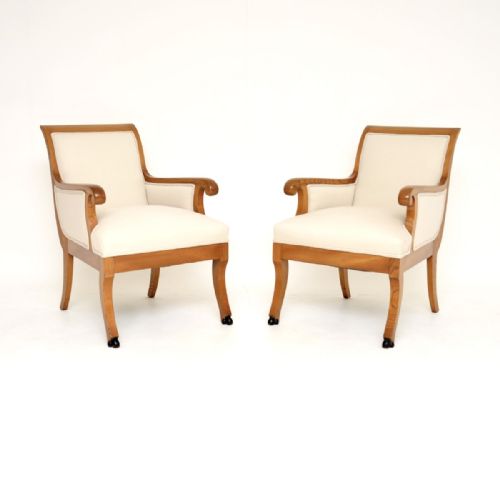
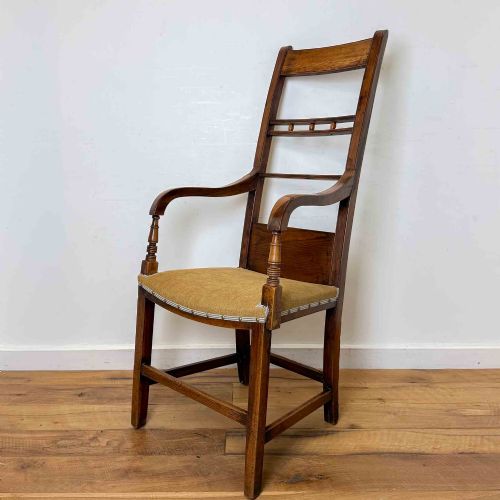


Elm Wood Accent Chair
An elm wood accent chair brings organic grain and sturdy vernacular character into a room, spanning rustic English Windsors and carved Chinese forms.
Elm Wood Accent Chair
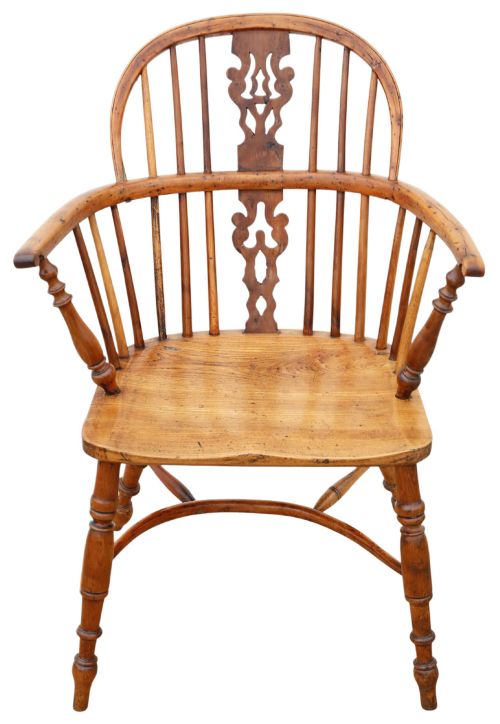
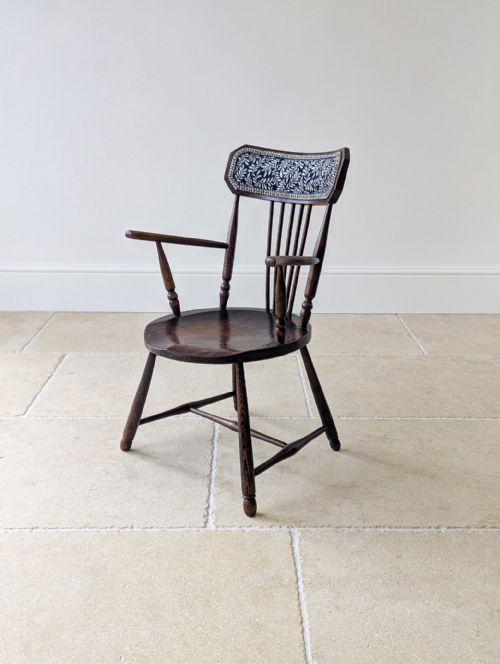
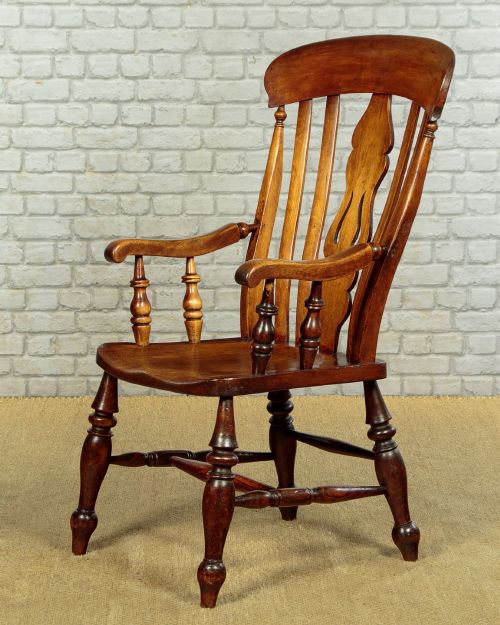
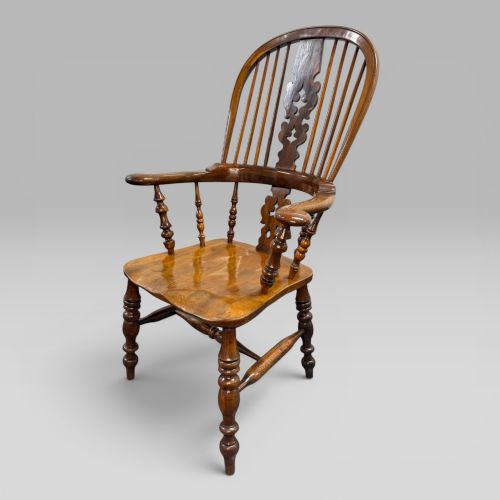
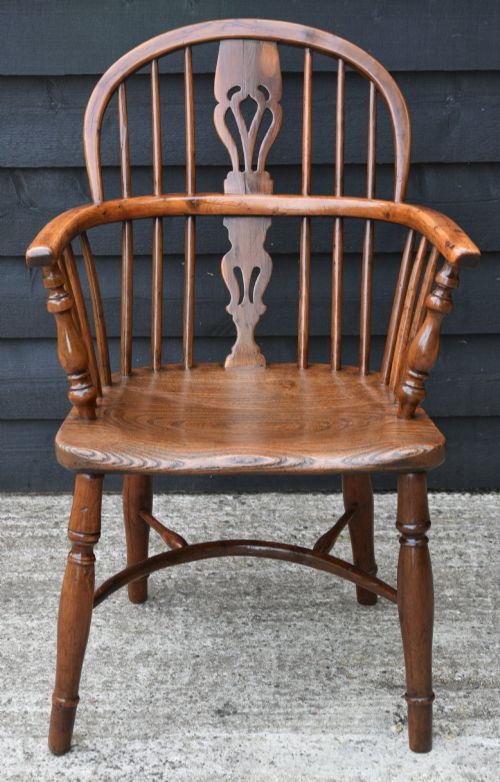
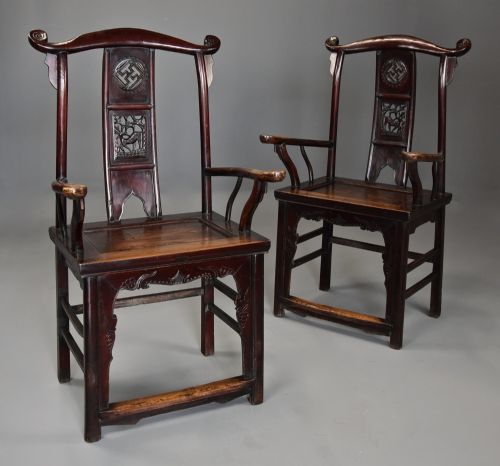
An elm wood accent chair encompasses robust seating forms designed for occasional use, drawing primarily from English country vernacular traditions and traditional Chinese seating. When searching for an elm wood accent chair, buyers frequently encounter regional Windsor armchairs alongside Chinese yokeback, horseshoe, and lamp hanger designs.
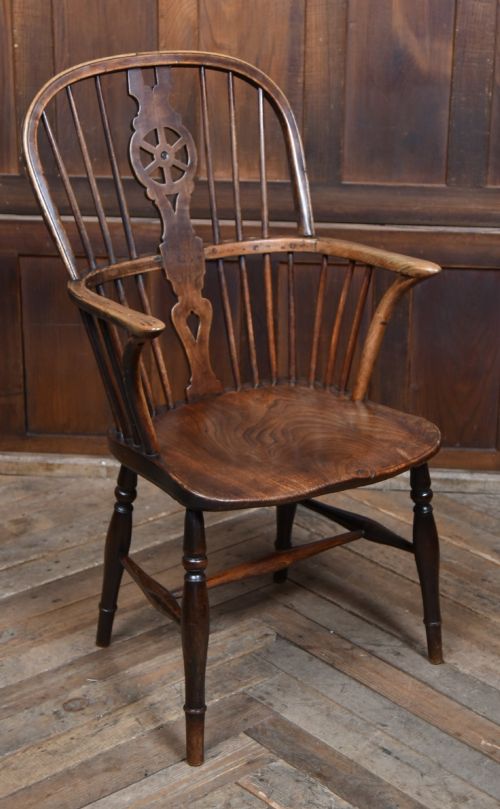
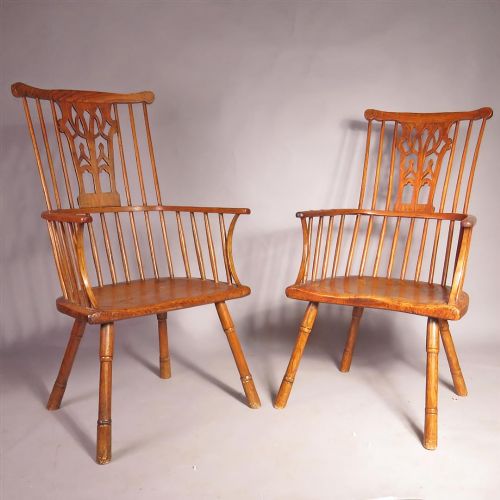
The selection ranges from eighteenth-century comb-back and cabriole-leg Windsors to nineteenth-century wheel-back and ladderback farmhouse chairs, as well as twentieth-century Art Deco lounge pieces. These accent chairs serve functional seating roles while displaying rich, figured timber grains within domestic interiors.
How they were made
Cabinet makers and bodgers utilised solid elm for its tough, interlocked grain that resisted splitting under stress, frequently combining it with yew, ash, beech, or birch for structural spindles, legs, and bentwood components. Traditional Windsor construction involved seating carved from a single solid slab of elm into which turned legs and back spindles were wedged.
Chinese workshops shaped elm into sweeping crestrails and horseshoe arms using mortise and tenon joinery, occasionally finishing the timber with original red lacquer or pickled treatments. European vernacular makers relied on steam-bending for high-back crests and wheel-back splats, securing rush or solid timber seats to support everyday household utility.
Listings feature elm wood accent chairs spanning the Georgian, Victorian, and Art Deco periods, alongside Chinese vernacular items.
What varies in quality
The distinction between ordinary and superior examples rests upon the depth of the timber's natural patina, the crispness of turned spindles, and the preservation of original surface finishes such as early red lacquer or polished wax. Master makers selected highly figured elm planks for seats, ensuring distinct grain patterns that heighten the visual weight of the chair.
Structural integrity and harmonious proportions separate utilitarian workshop output from finer country and urban commissions, particularly where comb-back or wheelchair splats meet the main seat. Originality of components, such as matching yew wood bows and unreplaced stretchers, dictates the enduring character of each piece.
Fred Walker
The Elm Wood Accent Chair Glossary
- Windsor chair
- A wooden chair built with a solid sculpted seat into which the legs and back-bow are separately inserted. These chairs rely on a heavy undercarriage for rigid support.
- Yokeback chair
- A traditional Chinese armchair featuring a top rail that resembles a yoke, often curving outward and upward for arm and head support. The design balances austere geometric lines with ergonomic comfort.
- Patina
- The surface sheen and mellowed tone developed by wood through decades of handling, exposure to light, and waxing. A deep patina indicates age and regular use.
- Rush seat
- A woven seating surface constructed from dried marsh rushes twisted into cord and patterned across the chair frame. It provides a flexible and traditional seat base.
- Horseshoe chair
- A Chinese chair style characterised by a continuous curved top rail that sweeps down to form the armrests. This form requires advanced timber-bending techniques.
Elm Wood Accent Chair: Frequently Asked Questions
How do I date an antique elm chair?
Dating relies on examining construction methods, tool marks beneath the seat, and the wear patterns on the foot ring or legs. Georgian and eighteenth-century examples often feature broader saddle seats and simpler turned undercarriages.
Later Victorian and Arts and Crafts pieces introduce steam-bent components and varied secondary woods like beech or ash. Comparing the joinery style to known period pieces helps narrow the manufacturing decade.
Are elm chairs comfortable for daily use?
Elm chairs designed with sculpted saddle seats and supportive high backs or curved arms offer surprising ergonomic support for reading or relaxing. The natural give of timber combined with deep-dished seats accommodates long periods of sitting.
Placing a cushion on the seat can increase comfort for everyday lounging while preserving the structural integrity of the timber. Their sturdy build ensures they withstand daily domestic demands.
How do I care for antique elm furniture?
Maintenance involves applying a quality beeswax periodically to nourish the dry timber and preserve the natural patina. Avoid placing elm chairs near direct heat sources or rapid temperature shifts that cause wood to split.
Dusting with a soft, dry cloth prevents particulate accumulation on carved details and lacquer surfaces. Gentle care maintains the historic finish without stripping away character.