
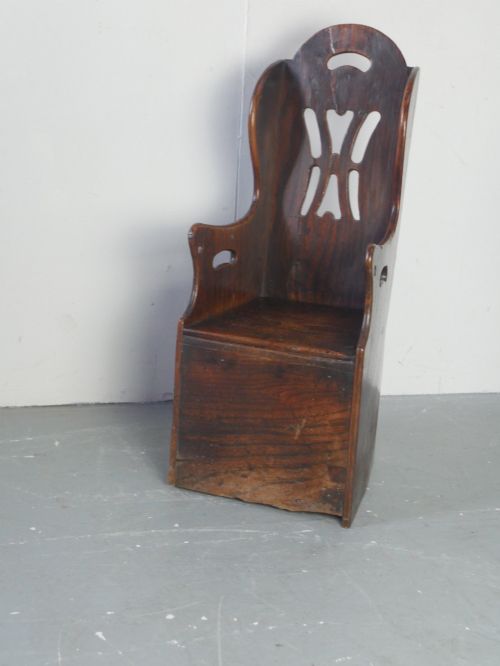
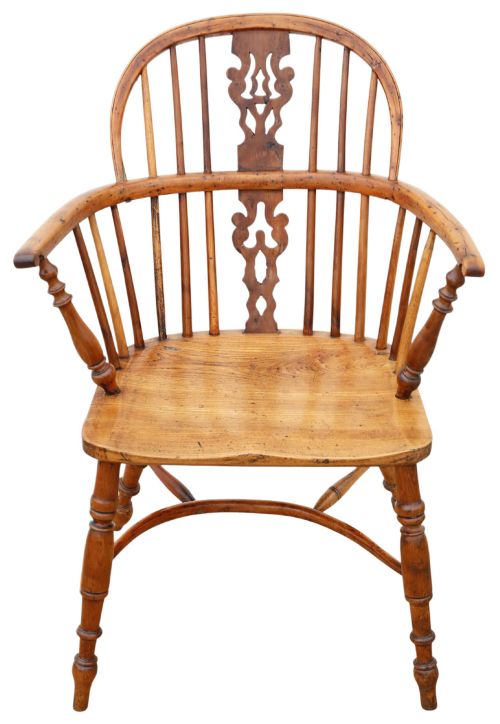
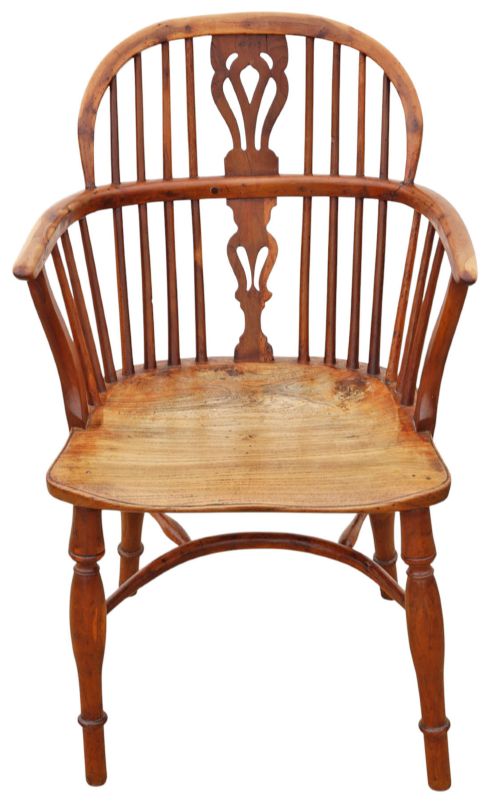
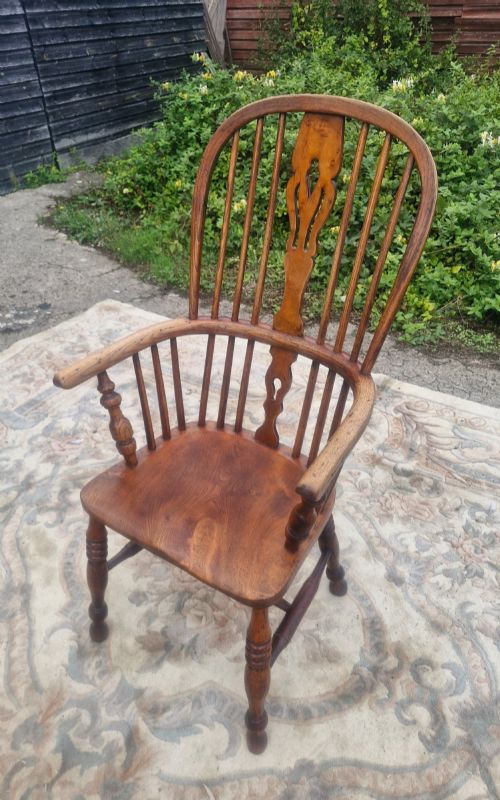


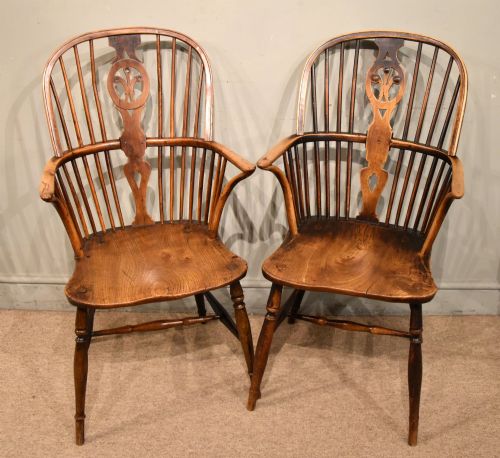
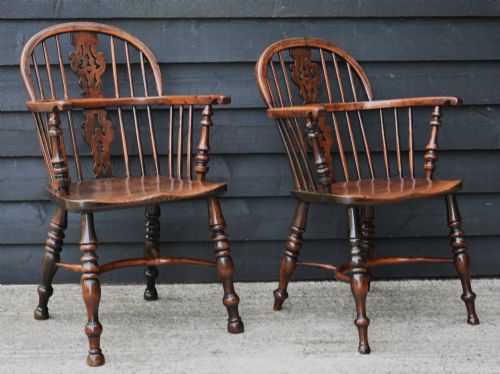
Elm Seat Country Armchair
An elm seat country armchair brings the practical utility and vernacular tradition of rural workshops directly into a modern interior.
Elm Seat Country Armchair
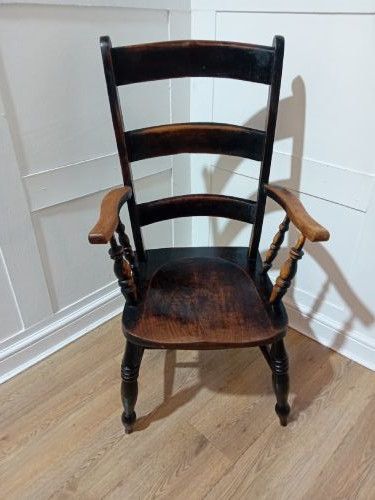
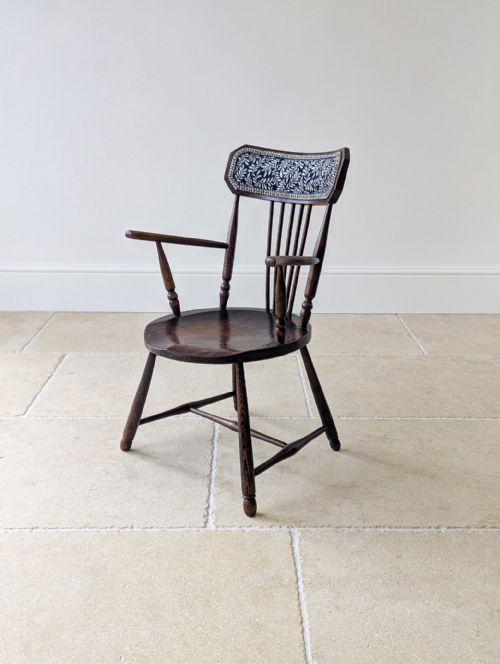
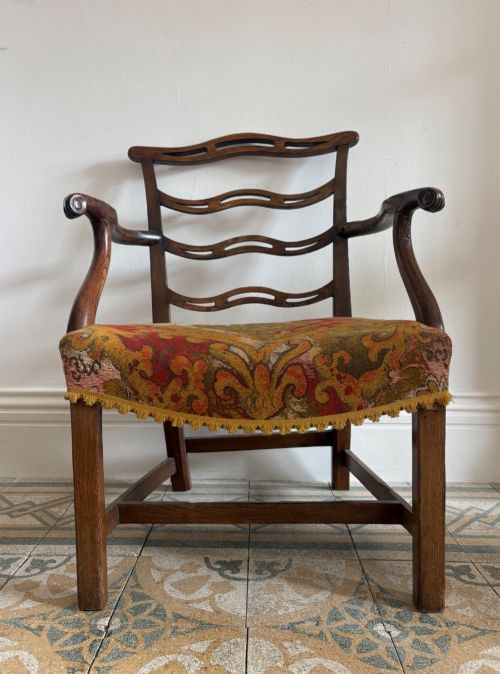
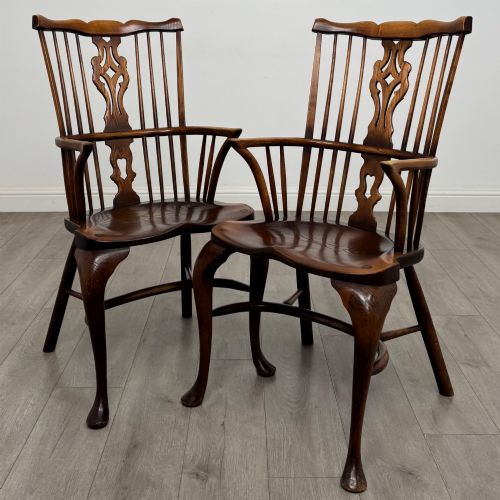
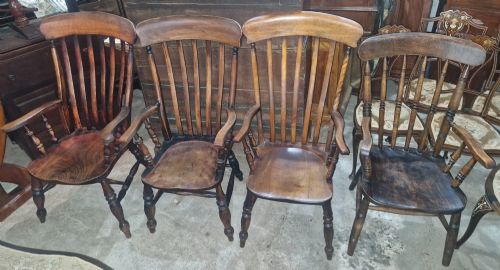
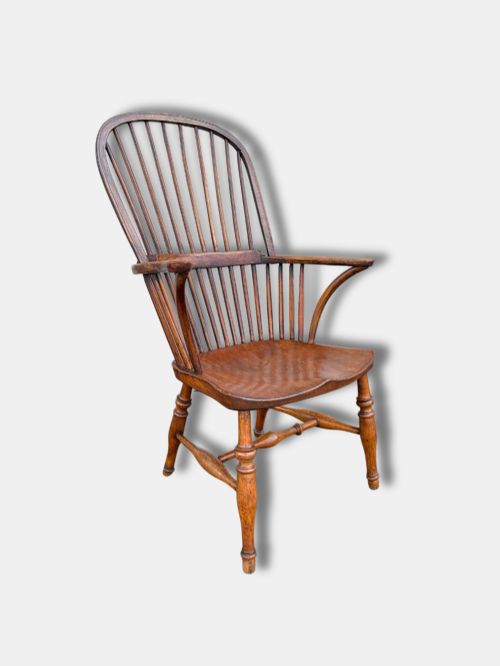
An elm seat country armchair is a traditional domestic seating form rooted in regional British joinery and vernacular craft. When searching for an elm seat country armchair, buyers encounter robust Windsor variations, ladderbacks, and spindle-backed designs spanning the eighteenth, nineteenth, and early twentieth centuries.
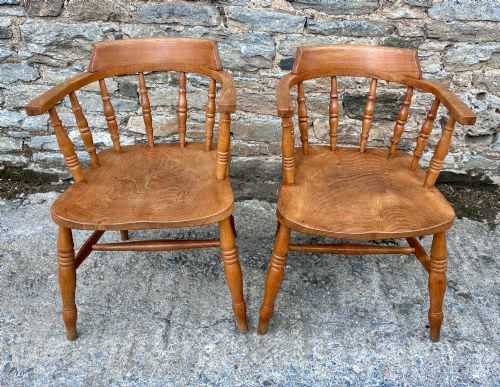
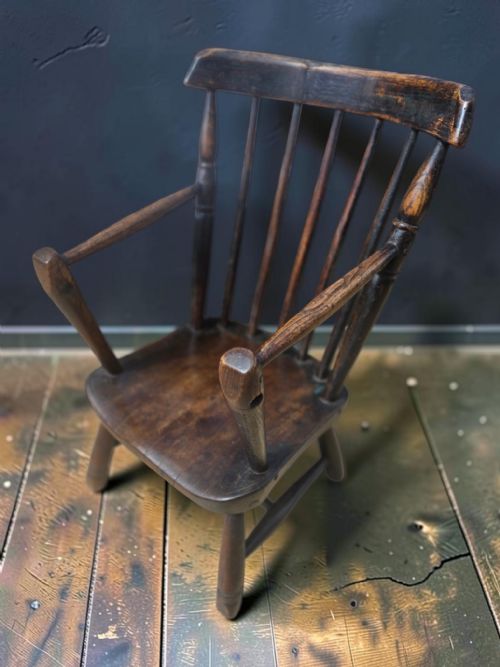
The selections on this page draw heavily from English country traditions, including Thames Valley, Lancashire, and West Country origins. Forms range from high-back and low-back Windsors to smokers bows, child chairs, and rush-seated ladderbacks.
Makers working in rural areas prioritised functional comfort and local timber availability over rigid stylistic conformity. This utilitarian approach generated sturdy seating intended for farmhouse kitchens, cottages, and vernacular interiors.
What Varies in Quality
Quality rests in the proportional harmony of the turning, the comfort of the sculpted seat saddle, and the integrity of the wedged joints. Superior examples exhibit well-balanced splats, refined bow bendings, and crisp joinery that withstands centuries of daily use.
Timber selection dictates visual depth, where contrasting grains between yew wood or ash superstructures and figured elm seats elevate a piece. Original surface finishes and honest patination carry substantial weight, distinguishing untouched vernacular pieces from heavily restored examples.
Many nineteenth-century country chairs bear subtle carpenter's marks beneath the seat, recording the maker's tally with simple knife strokes.
The Elm Seat Country Armchair Glossary
- Windsor chair
- A wooden chair constructed with a thick solid seat into which the legs and back spindles are separately inserted. This design originated in rural England before evolving into numerous regional forms.
- Smokers bow
- A low-backed Windsor variant often found in domestic parlours and public houses, featuring a rounded continuous arm rail. These chairs provide compact, sturdy support.
- Comb back
- A Windsor chair variation where the top rail resembles the spine of a comb, with vertical spindles rising through a horizontal arm bow. This style appeared frequently during the eighteenth century.
- Rush seat
- A seating surface woven from dried marsh rushes stretched over an internal wooden frame. This technique is common in Lancashire and regional ladderback armchairs.
- Carver
- A traditional term for an armchair, often used to describe elbow chairs designed to sit at the head of a dining table. They complement matching sets of single dining chairs.
Elm Seat Country Armchair: Frequently Asked Questions
What is an elm seat country armchair?
An elm seat country armchair is a traditional wooden seating form built by regional vernacular makers using native British hardwoods. These chairs combine solid, sculpted elm seats with turned ash, beech, or yew frameworks.
They represent centuries of rural woodworking traditions, encompassing diverse regional styles from Thames Valley Windsors to Lancashire rush-seated ladderbacks.
How do I identify the age of these chairs?
Dating relies on observing construction methods, tool marks, timber shrinkage, and stylistic evolution within regional forms. Eighteenth-century examples often feature distinct comb backs or panel backs, whereas Victorian pieces frequently display steam-bent hoops or wheelbacks.
Changes in turning profiles and assembly techniques also help distinguish Georgian origins from later nineteenth-century interpretations.
Where were these chairs originally made?
These armchairs were produced across various rural British counties by local wheelwrights, joiners, and specialised chair bodgers. Specific regions developed distinct characteristics, such as the Thames Valley Windsor tradition or the ladderbacks of Lancashire and Macclesfield.
Local timber availability dictated material choices, pairing elm seats with regional woods like ash, fruitwood, and yew.
How should I live with a country armchair?
These robust chairs suit daily domestic use in modern dining rooms, studies, or living spaces. Keeping them away from direct heat sources and extreme humidity protects the historic timbers and prevents joint shrinkage.
Routine dusting and occasional application of appropriate furniture wax help preserve the natural patination of the wood surface.