


Elm Bureau Desk
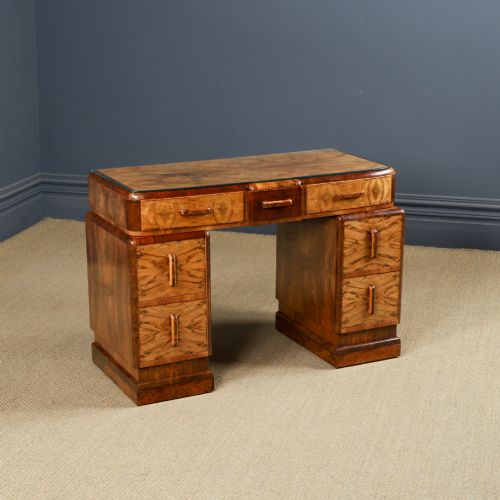
An elm bureau desk gives a room a warm figured grain and a practical writing surface, whether you choose a compact George II example or a 1930s pedestal piece.
Elm Bureau Desk
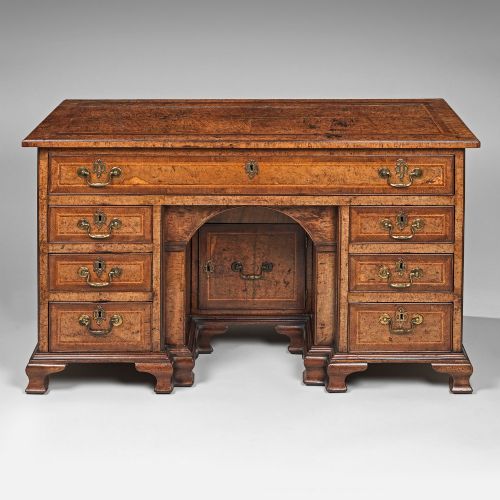
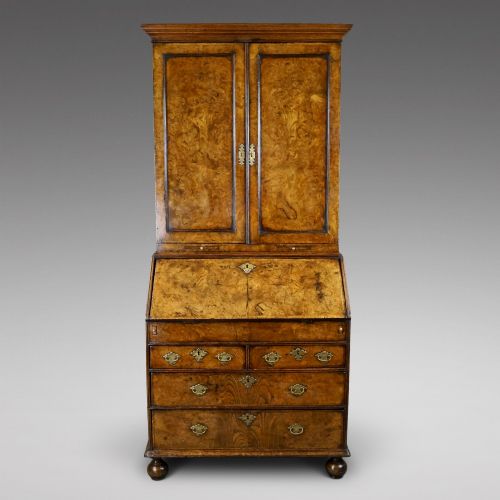
An elm bureau desk is a writing cabinet with a fall front that opens to reveal internal compartments, pigeonholes and small drawers. These pieces range from substantial 17th Century bureau bookcases and 18th Century Georgian kneehole desks to compact tabletop versions and early 20th Century walnut and elm hybrids.
The most likely version to meet on this page is an 18th Century or Georgian elm bureau, often featuring figured burr timber and fitted interiors. You will also encounter George II forms, William and Mary bookcase combinations, and later Art Deco or Victorian interpretations incorporating elm alongside walnut and yew.
Buyers look for these items to combine storage with a dedicated writing space in a home study or living room. The strong native timber gives each desk a distinct character that sets it apart from standard mahogany or oak alternatives.
How they were made
Cabinetmakers constructed these desks primarily using solid elm and burr elm veneers, often pairing the native timber with oak for drawer linings and walnut for contrasting crossbanding. Brass handles, key escutcheons and hinges provided functional and decorative hardware across the periods.
Techniques relied on traditional joinery, dovetailing drawer construction and the careful selection of figured burr timber for the fall fronts and drawer facades. Leather inserts appeared on later writing surfaces, while glass featured in the upper doors of bureau bookcases.
Early cabinetmakers built secret compartments inside bureau interiors, rewarding curious owners with hidden miniature drawers.
What varies in quality
The quality of an elm bureau desk depends largely on the selection of the timber and the complexity of the interior fittings. Pieces utilising highly figured burr elm veneers show greater ambition from the cabinetmaker than plain timber examples.
Construction standards differ in the precision of the dovetails, the retention of original brass hardware and the complexity of the pigeonholes and secret drawers hidden behind the fall front. Retaining original feet, handles and interior doors elevates a piece above those with replaced elements.
The Elm Bureau Desk Glossary
- Burr elm
- A growth deformity in the elm tree that produces swirling, highly decorative grain patterns prized by cabinetmakers. It is typically sliced into veneers for drawer fronts and fall flaps.
- Fall front
- The hinged writing flap on a bureau that drops down to create a horizontal desk surface. It conceals the internal compartments and pigeonholes when closed.
- Kneehole desk
- A compact desk featuring a central recess for the user's knees, flanked by pedestals of small drawers. This form became popular during the Georgian period.
- Bureau bookcase
- A tall two-part furniture form combining a bureau desk base with an upper glazed or panelled bookcase section. Examples span from the 17th Century onwards.
- Davenport
- A small compact writing desk with a sloping top and drawers accessing the side. The evidence shows this form executed in burr elm during the 19th Century.
Elm Bureau Desk: Frequently Asked Questions
What is an elm bureau desk?
An elm bureau desk is a traditional writing cabinet featuring a sloping fall front that opens to reveal internal drawers and compartments. These pieces utilise native British timber, often showcasing rich figuring or burr patterns.
They combine practical desk space with concealed storage, making them versatile furniture items for studies and living spaces. Styles range from early 18th Century Georgian forms to later 20th Century interpretations.
How do I date an elm bureau desk?
Dating relies on examining the construction methods, hardware, timber selection and overall style of the piece. Earlier 17th Century and 18th Century examples often feature solid construction, complex internal fittings and bracket or bun feet.
Later pieces from the 19th and early 20th centuries may incorporate different secondary woods, machine-cut dovetails or design influences such as Art Deco or Queen Anne Revival. Comparing the drawer linings and brass fixings to known period styles helps narrow down the decade.
Where were elm bureau desks used?
These desks served as functional writing and storage furniture in domestic parlours, libraries and private studies. Their compartmentalised interiors were designed for storing correspondence, account books and writing materials.
In larger houses, they provided a private space for household administration. Today, they function well as working writing desks or decorative focal points in residential rooms.
What is burr elm timber?
Burr elm is a specialised wood harvested from excrescences on elm trees where the grain has grown in a turbulent, swirling pattern. Cabinetmakers slice this timber into thin veneers to highlight the dramatic natural figures on prominent surfaces like fall flaps.
Because of its decorative appeal, burr elm is typically reserved for the primary visible facades of high-status furniture. It offers a striking contrast to straight-grained native timbers.
How do I care for an antique elm desk?
Maintaining an antique elm bureau involves keeping the wood away from direct heat sources and fluctuating humidity to prevent timber movement. Regular dusting with a soft, dry cloth preserves the finish without building up heavy wax residues.
Leather writing surfaces benefit from occasional specialist conditioning to prevent drying and cracking. Checking stability gently ensures that joints and hinges remain secure over time.