



Electroplated Silver Holder
These electroplated silver holder pieces bring functional elegance to the table, offering durable metal frames designed for lighting, dining, and desk use.
Electroplated Silver Holder
When you search for an electroplated silver holder, you encounter a diverse array of utilitarian and decorative domestic objects spanning the nineteenth and early twentieth centuries. These pieces encompass lighting supports, dining vessels, and desk accessories created during the Victorian and Edwardian eras.
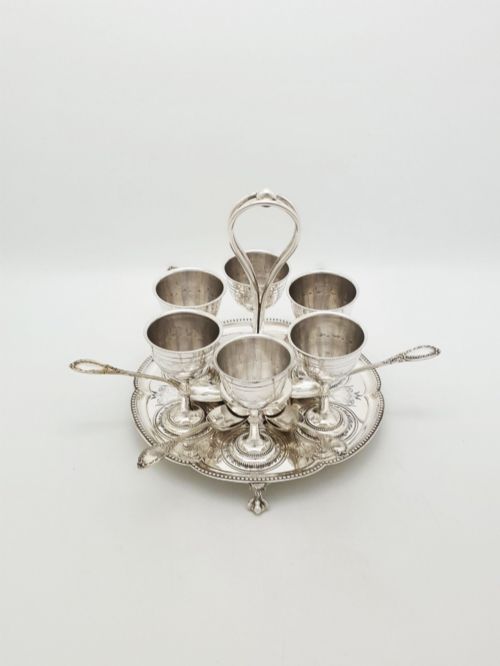
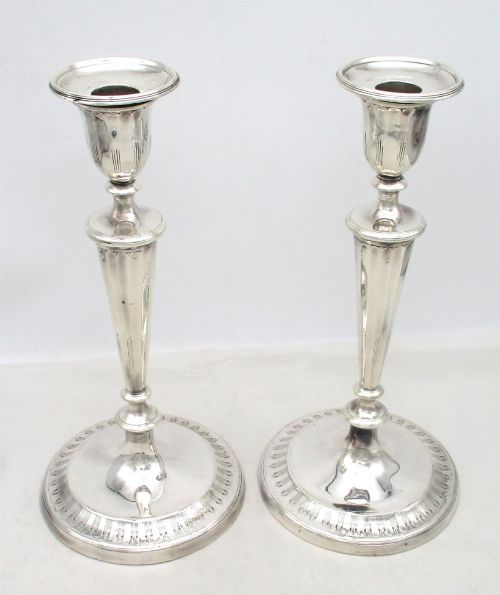
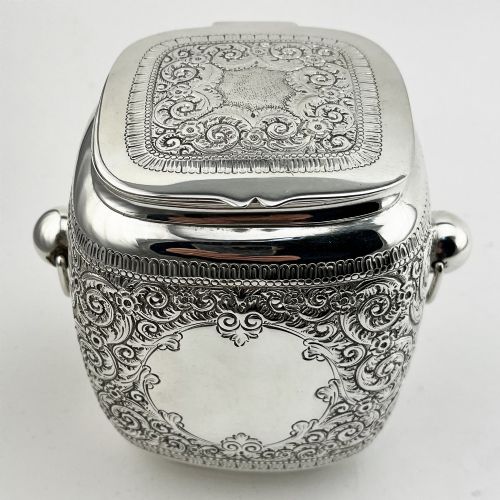
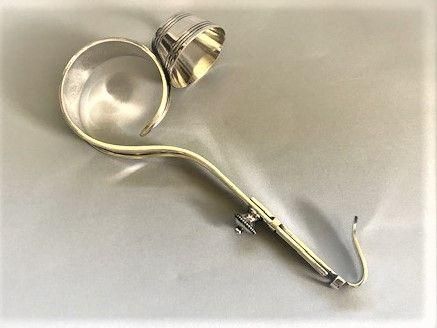
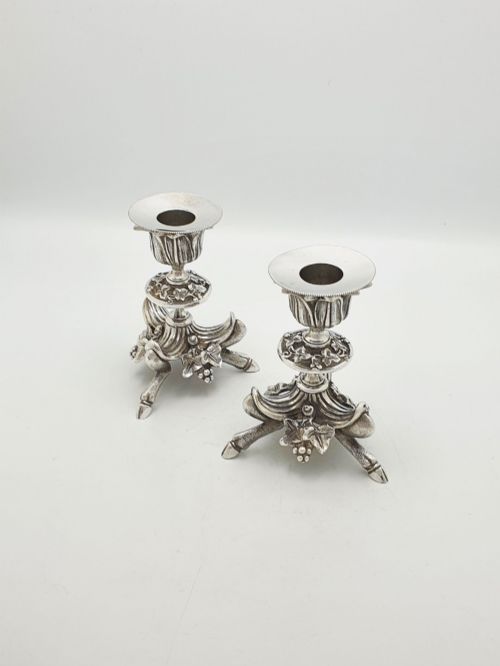
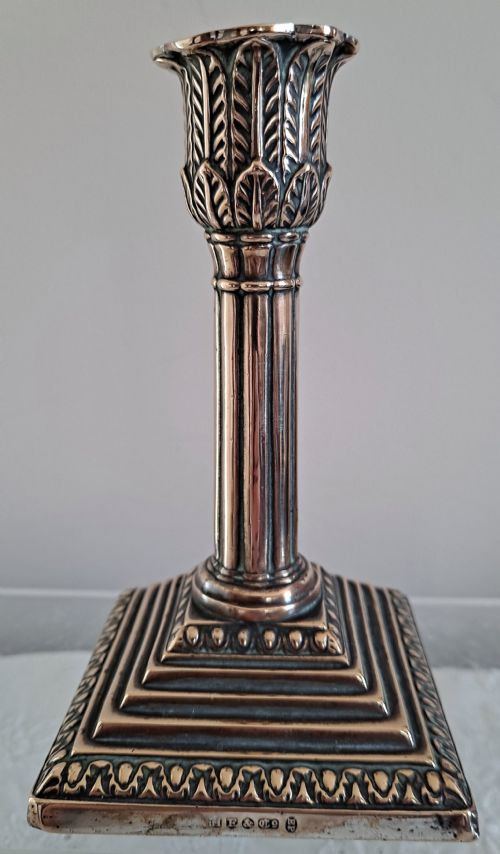
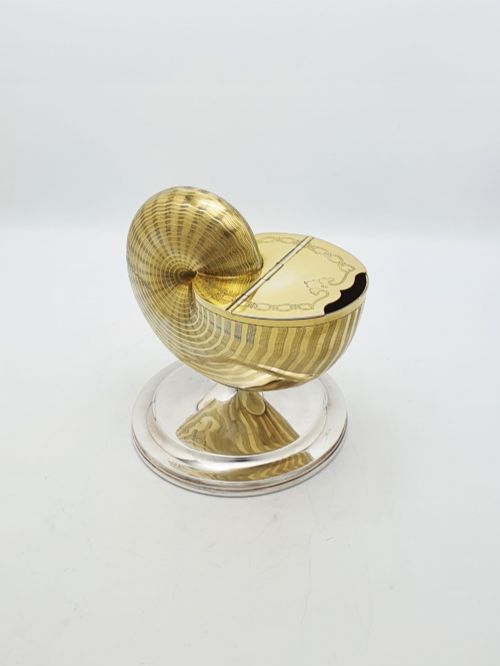
The most frequently encountered versions on this page are candlesticks and candelabras, alongside specialised tabletop items such as spoon warmers, tea caddies, and bottle holders. They reflect the period's demand for refined table settings achieved through accessible plating techniques over base metals.
How they were made
Makers formed these items using base metals, copper, and electroplated nickel silver, commonly known as EPNS. The application of silver plate over these stronger foundation metals allowed workshops to produce substantial decorative objects at a lower cost than solid silver.
Craftsmen utilised techniques including casting, stamping, and gilding to achieve elaborate Victorian neoclassical, rococo revival, and naturalistic styles. Individual components were then assembled and finished with surface plating.
Electroplated Silver Holder Retail Price Guide 2026
Typical asking prices for electroplated silver holder among the pieces listed under this phrase on Sellingantiques today, from the lower quarter to the upper quarter. They describe what is for sale here now, not the wider market.
Victorian dining culture produced wonderfully eccentric spoon warmers shaped like marine buoys, shoes, and palm trees.
What varies in quality
The distinction between standard domestic items and top-tier pieces rests on the weight of the base metal and the crispness of the chased or cast ornamentation. Finer examples display deep relief work in styles like Adam or Victorian naturalism without softening of detail.
Makership also dictates value, with signed works from established plating firms demonstrating superior durability of the silver layer and more robust structural engineering in joints and sconces.
Martin Hall And Co·Smith And Sissons And Co·Elkington
The Electroplated Silver Holder Glossary
- EPNS
- Electroplated nickel silver, a strong alloy core beneath a thin coating of silver. It provides the structural backbone for many nineteenth-century domestic items.
- Spoon Warmer
- A specialised Victorian vessel designed to hold hot water and keep dining spoons warm. They frequently take imaginative novelty forms like marine buoys or shoes.
- Candelabra
- A branched lighting fixture holding multiple candles. These examples often feature removable sconces for cleaning.
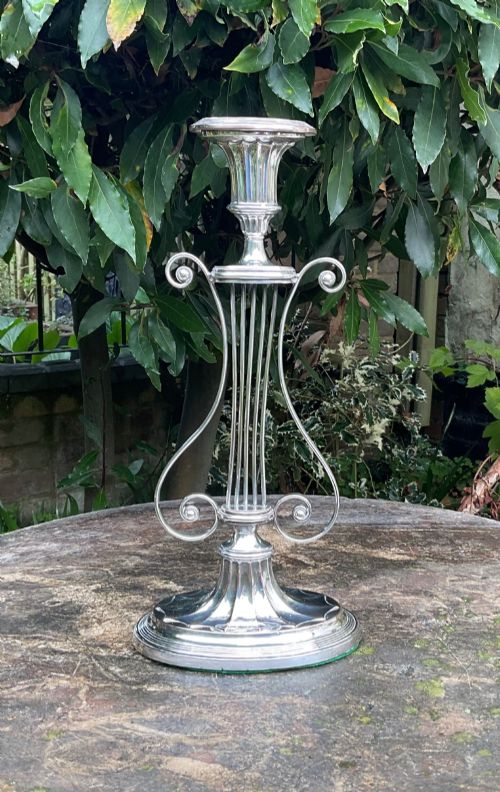
- Lyre Candlestick
- A lighting support incorporating the symmetrical, stringed-instrument motif associated with neoclassical and Adam design revivals.
Electroplated Silver Holder: Frequently Asked Questions
What is an electroplated silver holder?
It is a domestic metal object coated in a thin layer of silver through an electrolytic process. These items range from lighting supports to dining service accessories.
They provide the appearance and utility of solid silver while utilising sturdier or more economical base metals underneath.
How do I date a silver plated holder?
Dating relies on stylistic clues such as Victorian revival motifs, Edwardian restraint, or Georgian influences. Maker marks and registration numbers stamped into the base also provide specific production years.
Examining the weight and construction methods helps place the piece within the nineteenth or early twentieth century.
How were spoon warmers used?
Victorian diners filled these hollow vessels with hot water to warm table spoons before serving soup. They sat prominently on the sideboard as both a practical dining tool and a decorative conversation piece.
Many examples take unusual novelty shapes, including marine objects and footwear.
How do I care for silver plate?
Gentle cleaning with a non-abrasive silver cloth preserves the thin plated layer over the base metal or copper. Avoid harsh dips that can strip the electroplated surface.
Regular, light dusting prevents tarnish build-up in the intricate recesses of neoclassical and rococo designs.