



Eighteenth Century Mahogany Table
An eighteenth century mahogany table brings deep timber grain and formal grace to a room, offering sturdy utility through centuries of daily service.
Eighteenth Century Mahogany Table
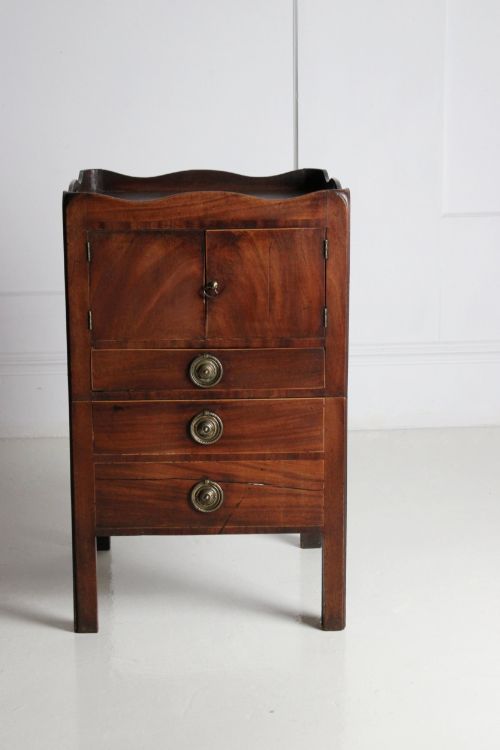
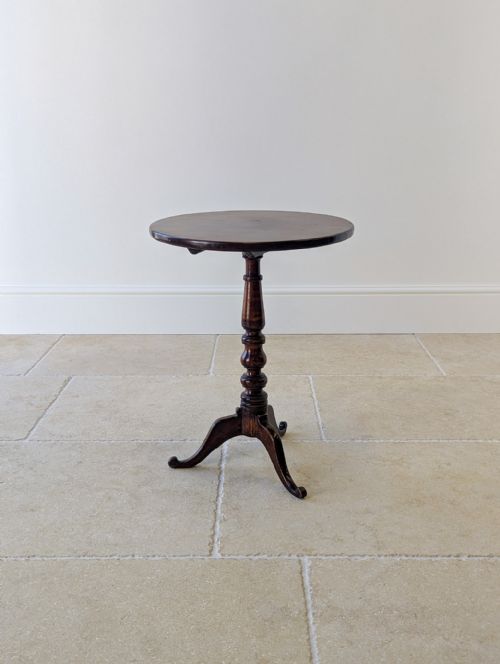
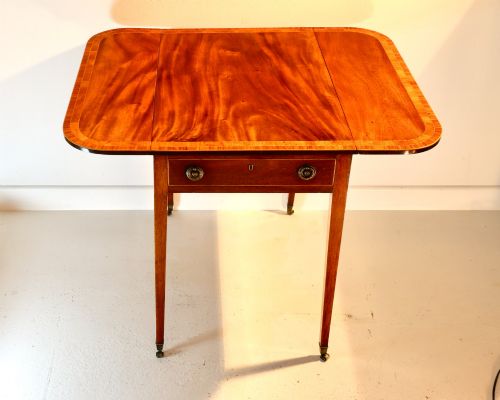
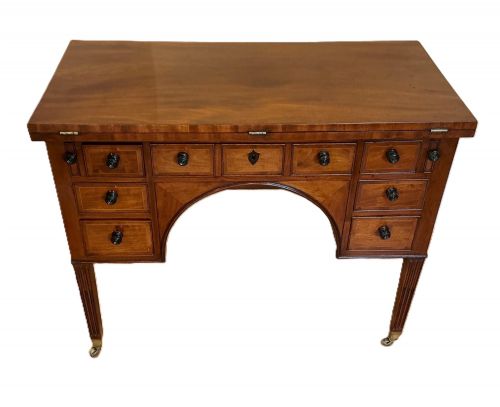
An eighteenth century mahogany table encompasses diverse forms ranging from tilt-top wine tables and Pembroke breakfast pieces to expansive sideboards and writing desks.
Georgian and George III examples dominate the selection, bringing classical proportions and disciplined lines into domestic spaces.
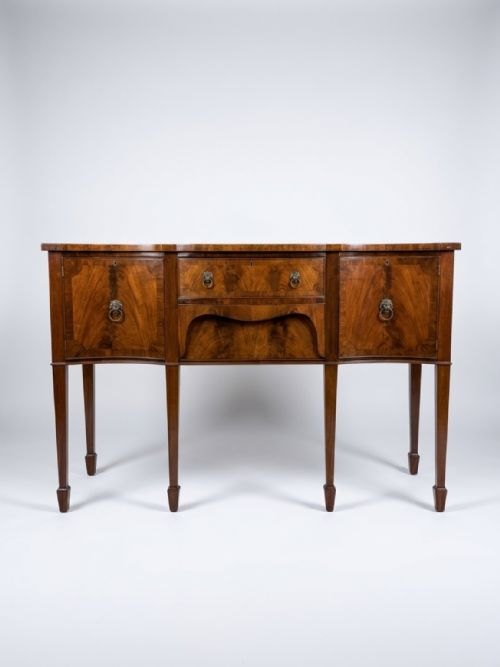
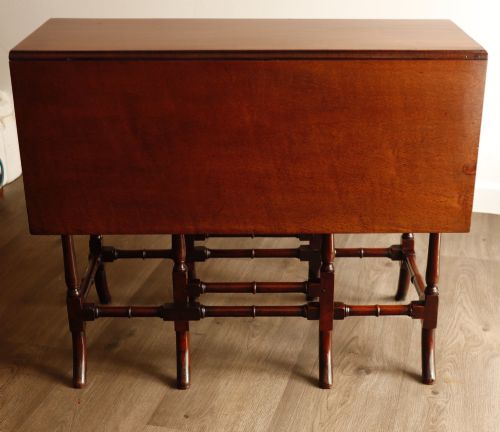
Makers utilised versatile designs such as drop-leaf tea tables and serpentine sideboards to suit the shifting demands of dining and entertaining.
Materials and Construction
Cabinetmakers worked primarily in solid mahogany and flame mahogany veneer, frequently enriching surfaces with delicate boxwood and satinwood inlay.
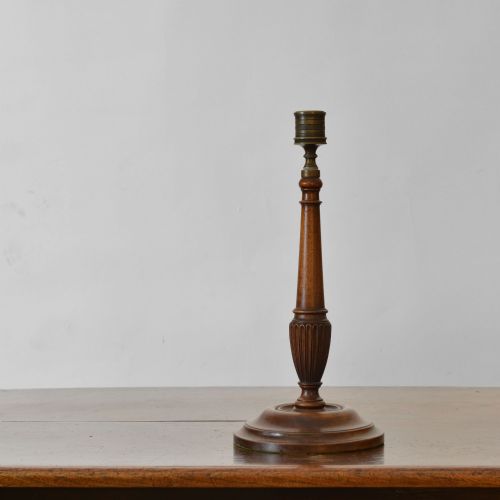
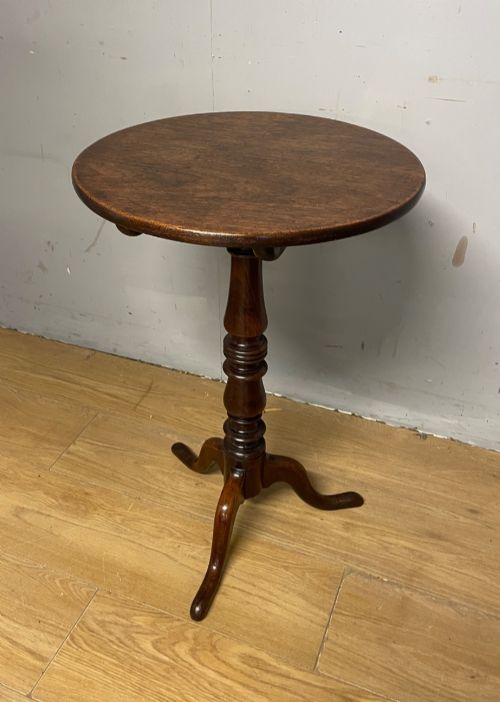
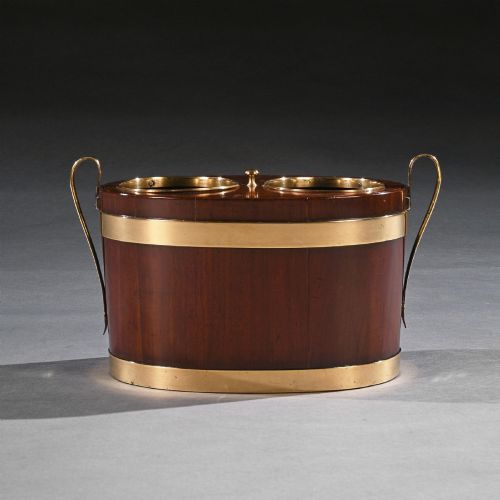
Functional metalwork relied on brass for handles, castors and binding, while tripod bases and spider legs provided structural support for tilt-top mechanisms.
Listings feature mahogany, satinwood, and boxwood across periods spanning Georgian styles to later revivals.
Proportion and Timber
Superior examples distinguish themselves through the choice of figured timber, where rich grain patterns and skilful matching elevate a simple side table.
The finesse of inlaid borders, precise carving on tripod legs, and the retention of original brass hardware separate workshop masterpieces from utilitarian pieces.
Gamichon A Paris
The Eighteenth Century Mahogany Table Glossary
- Pembroke table
- A small occasional table featuring two folding flaps on opposite sides, supported by hinged brackets.
- Tripod table
- A freestanding small table standing on a central pillar supported by three radiating feet, frequently designed to tilt.
- Demi-lune
- Half-moon shape, commonly utilised for card and tea tables designed to stand flat against a wall.
- Lowboy
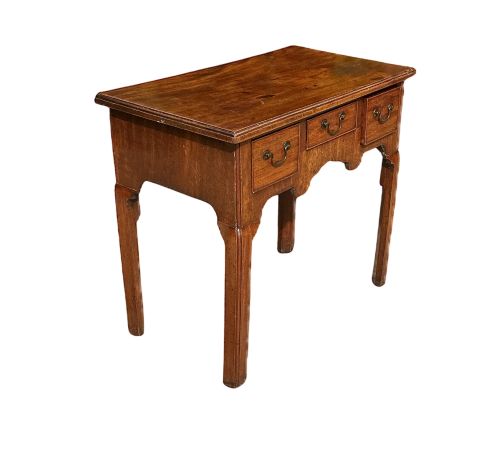
- A small side table or dressing table featuring one or more rows of drawers beneath the top surface.
Eighteenth Century Mahogany Table: Frequently Asked Questions
How do I identify a genuine eighteenth century table?
Examine the timber closely for the rich patina and dense grain characteristic of period mahogany. Check the construction methods underneath for hand-cut joints and timber movement consistent with age.
Look for signs of wear around the feet and handles that reflect generations of use. Compare the proportions against established Georgian design standards.
Where should I place a pembroke table?
A pembroke table fits easily beside a sofa or chair where the drop leaves can remain down to save space. When guests arrive, raise the flaps to create a convenient surface for drinks or books.
Keep the piece away from direct sunlight and heat sources to protect the delicate wood veneer and satinwood inlay.
What is the difference between a tea table and a wine table?
Tea tables generally feature fold-over tops or rectangular leaves designed to hold porcelain sets during social gatherings. They often stand against walls when not in active use.
Wine tables are smaller, circular tripod pieces built to hold a single bottle and glass close to a seated guest. Their tilt-top mechanism allowed easy storage in corners.
How do I care for antique mahogany surfaces?
Dust the timber regularly with a soft, dry cloth to prevent grit accumulation on the polished finish. Avoid modern silicone sprays that can damage the underlying polish over time.
Apply a traditional beeswax polish sparingly once or twice a year to nourish the dry wood. Maintain a stable room temperature to prevent the timber from splitting.