
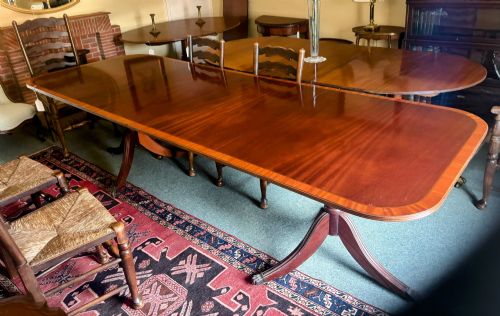
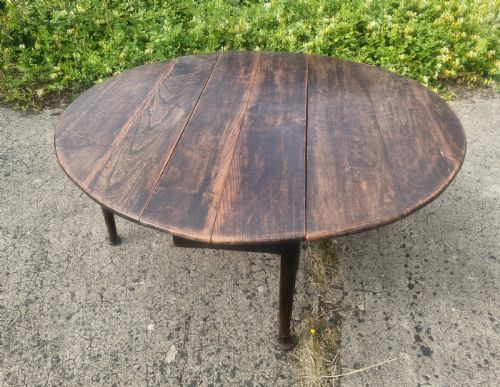
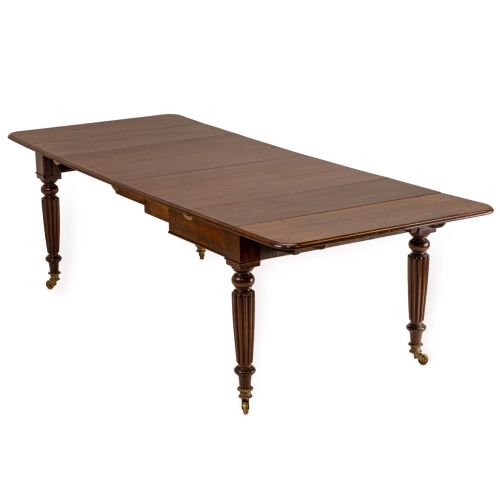


Eight Seater Dining Table
An eight seater dining table brings people together for long suppers, and the right timber changes the whole room.
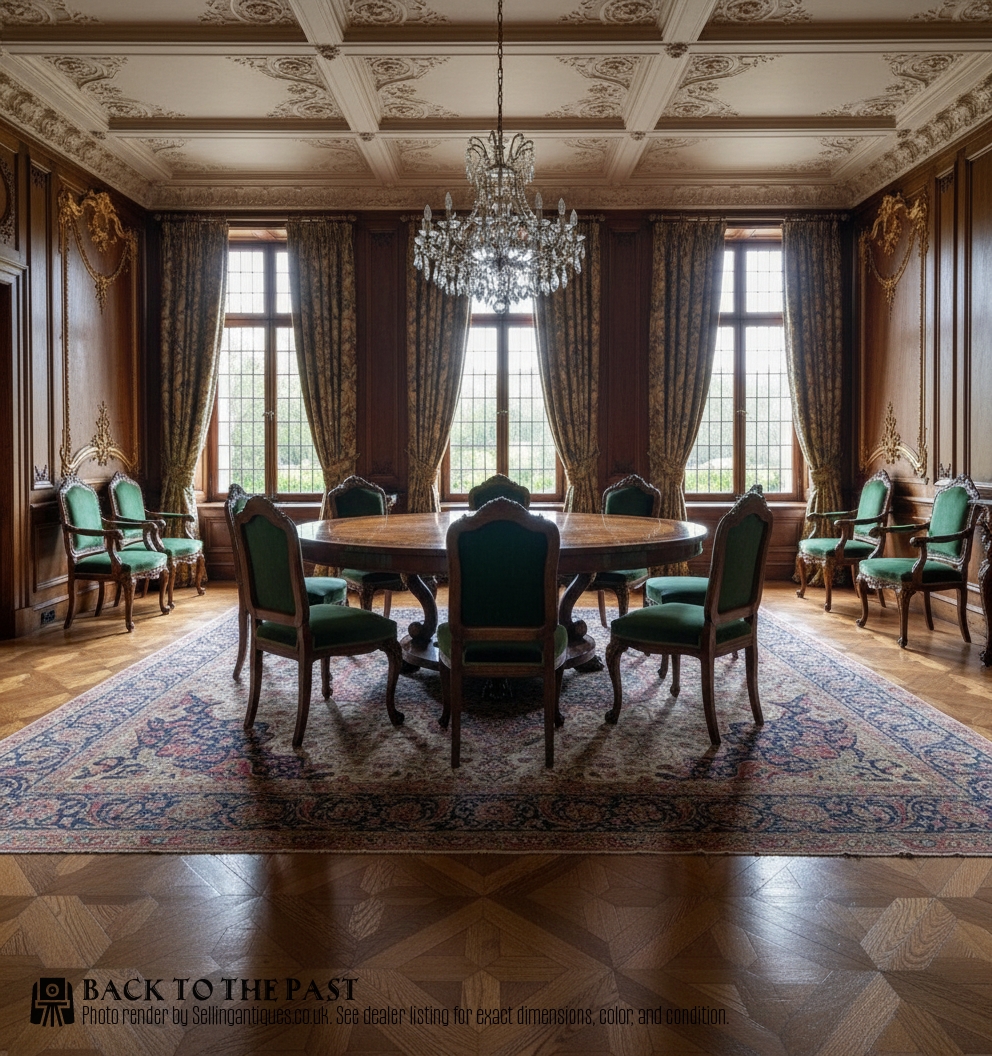
Eight Seater Dining Table
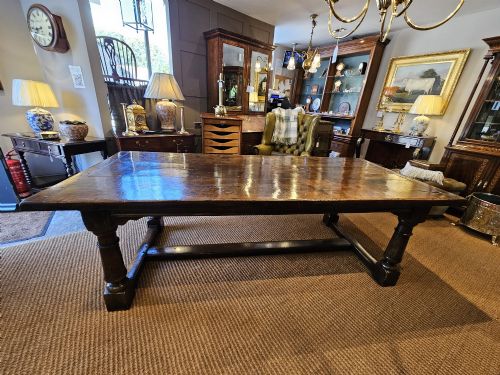
An eight seater dining table is a substantial piece designed to accommodate larger gatherings for meals. When searching for an eight seater dining table, buyers encounter formats ranging from sturdy refectory and farmhouse boards to formal pedestal designs.
The pieces seen here span centuries of British craftsmanship, drawing on Georgian, Victorian, and Edwardian periods. Solid oak and rich mahogany dominate the offerings, often constructed as wind-out extending tables, dropleaves, or refectory boards.
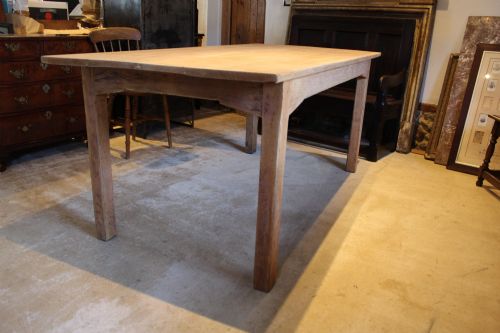
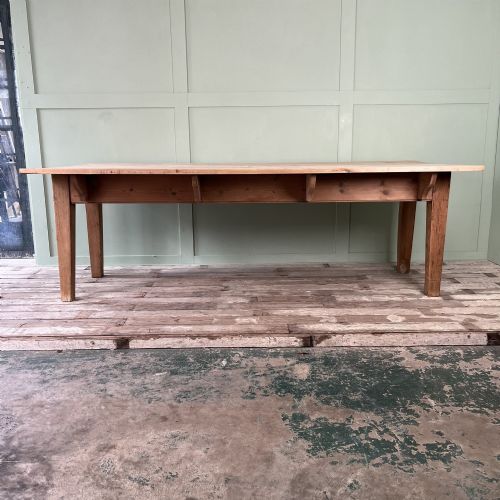
Country pieces in elm and pine sit alongside formal mahogany twin pillar tables and elaborate burr walnut examples. Each form reflects the dining habits of its era, from farmhouse kitchens to formal dining rooms.
How they were made
Cabinet makers relied primarily on dense timbers like oak and mahogany, complemented by secondary woods such as pine and elm. Tables often incorporate clever engineering, utilising mechanical wind-out systems with removable leaves or drop-leaf action to expand surface area.
Surface decoration ranges from simple waxed finishes to marquetry inlay and parcel-gilt details on grander walnut examples. Joinery techniques like mortise and tenon ensure that these large frames support daily use without losing stability.
Eight Seater Dining Table Retail Price Guide 2026
Typical asking prices for eight seater dining table among the pieces listed under this phrase on Sellingantiques today, from the lower quarter to the upper quarter. They describe what is for sale here now, not the wider market.
Some nineteenth century tables hide winding handles inside secret drawers beneath the top.
What varies in quality
Quality rests in the selection of timber and the precision of the mechanism where applicable. Tables featuring figured burr walnut, intricate marquetry, or dense old-growth mahogany stand at the upper end of the scale.
Construction details differentiate standard workshop output from exceptional furniture, visible in the weight of the timber, the integration of original leaves, and the fluidity of extending mechanisms.
The Eight Seater Dining Table Glossary
- Refectory table
- A long, narrow dining table traditionally used in communal dining halls. These sturdy boards usually feature thick legs connected by stretchers for added strength.
- Wind-out table
- An extending dining table operated by a detachable crank handle that turns internal screws. This mechanism parts the halves smoothly to insert additional leaves.
- Drop leaf
- A table with a fixed centre section and hinged flaps on either side that drop down. These folding leaves are supported by swing legs when raised.
- Twin pedestal
- A table base consisting of two separate pillars, often carved with feet and rising from a central column. This arrangement provides stability while leaving legroom unobstructed.
- Marquetry inlay
- Decorative veneer applied to furniture in mosaic patterns using various woods. Craftsmen cut contrasting timbers to form intricate pictorial or geometric designs.
Eight Seater Dining Table: Frequently Asked Questions
How much space do I need for an eight seater dining table?
An eight seater dining table requires a generous room to allow chairs to pull out comfortably on all sides. Plan for at least ninety centimetres of clearance around the perimeter of the furniture.
Allowing sufficient floor space ensures guests can sit and rise easily without crowding walls or sideboard cabinets.
How do wind-out extending tables operate?
Wind-out tables use an internal metal screw mechanism activated by a crank handle inserted into the side girdle. Turning the handle separates the table ends smoothly.
Once the frame extends to the required length, matching wooden leaves drop into the central gap to create a continuous surface.
What is the difference between refectory and pedestal tables?
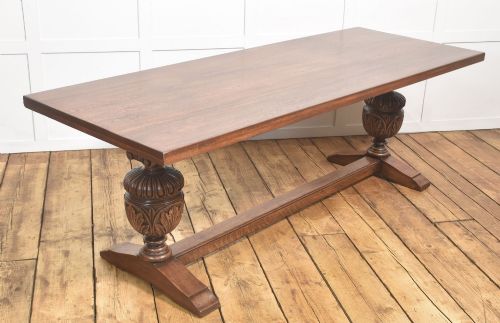
Refectory tables feature long planks supported by four corner legs or trestles, often linked by horizontal foot stretchers. They present a robust, traditional aesthetic.
Pedestal tables rest on heavy central columns rather than corner legs. This construction allows diners to sit around the perimeter without encountering obstructive table legs.
How should I care for antique timber surfaces?
Antique timber responds best to regular dusting with a soft, dry cloth and occasional application of traditional beeswax. Avoid modern silicone sprays that build up residue over time.
Keeping tables away from direct heat sources and strong sunlight preserves the natural moisture in the wood and prevents the finish from drying.