

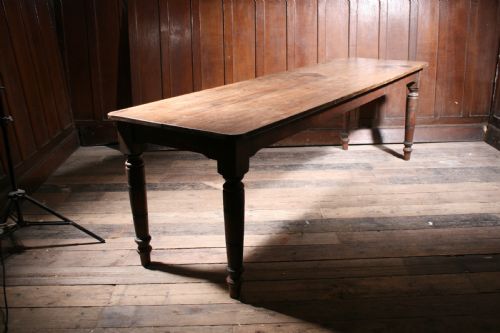
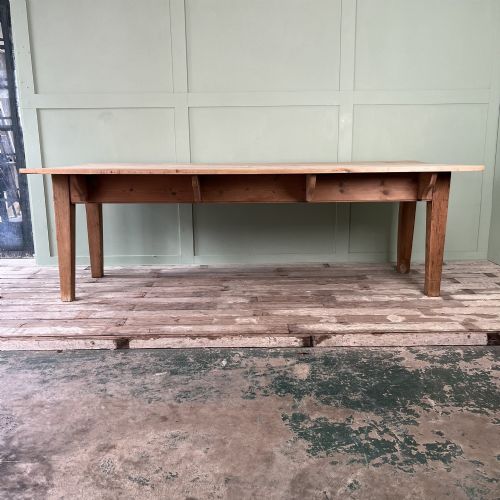
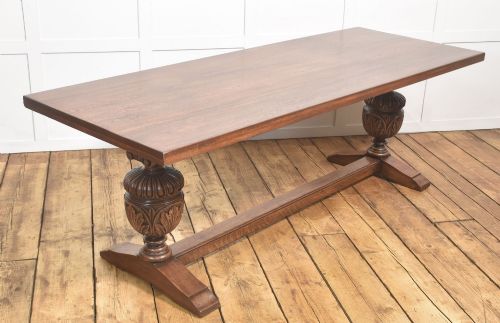
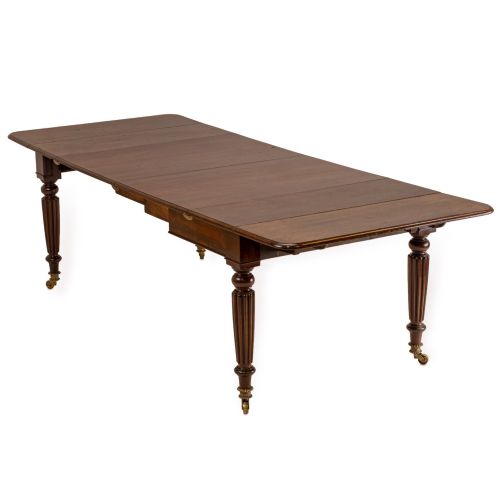


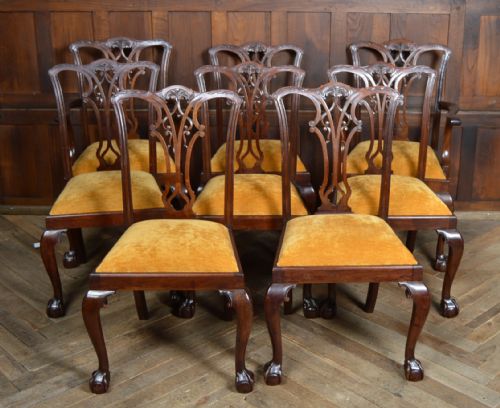
Eight Leg Dining Table
An eight leg dining table provides exceptional stability and presence for large gatherings, uniting guests around time-honoured timber construction.
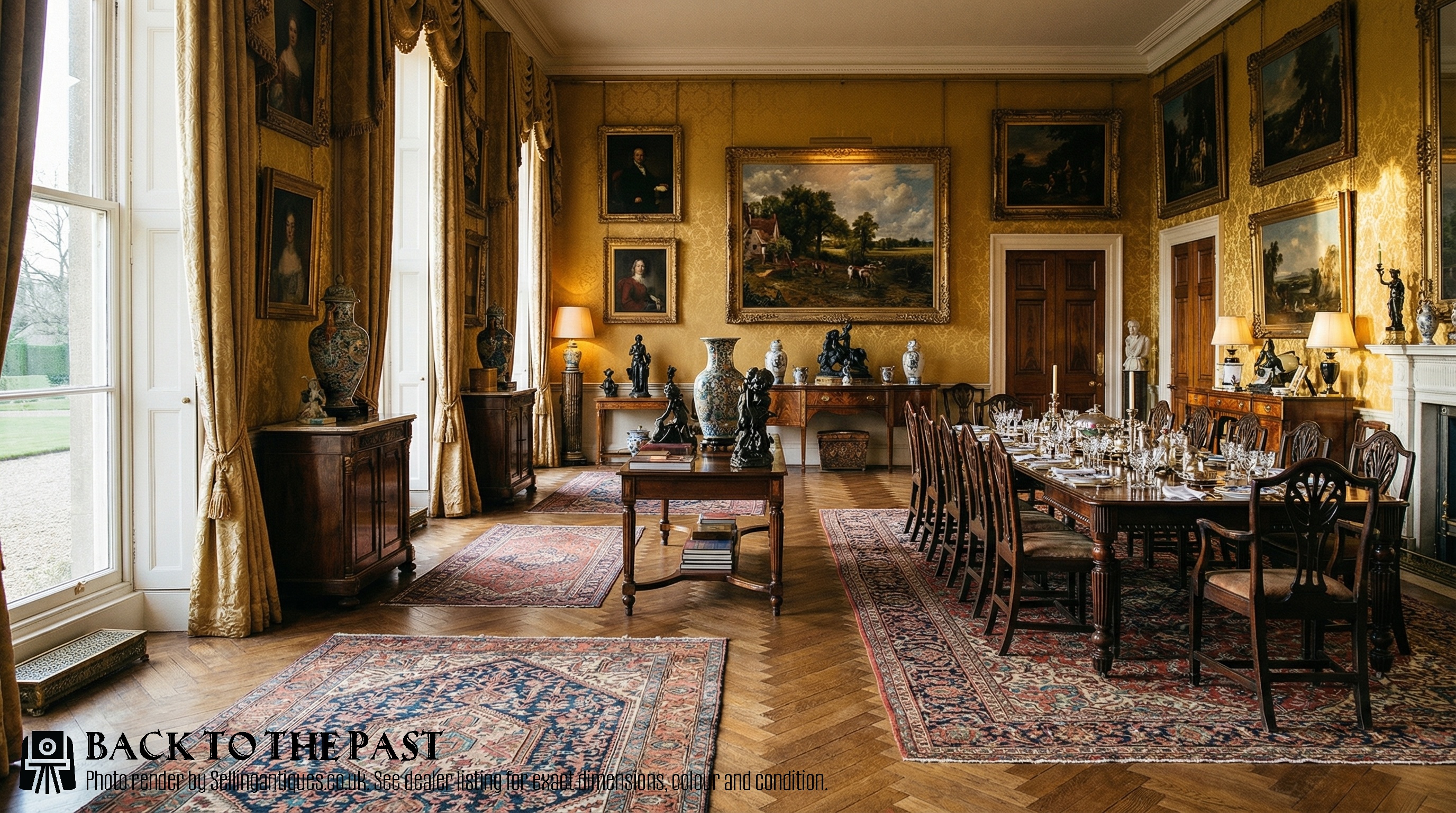
Eight Leg Dining Table
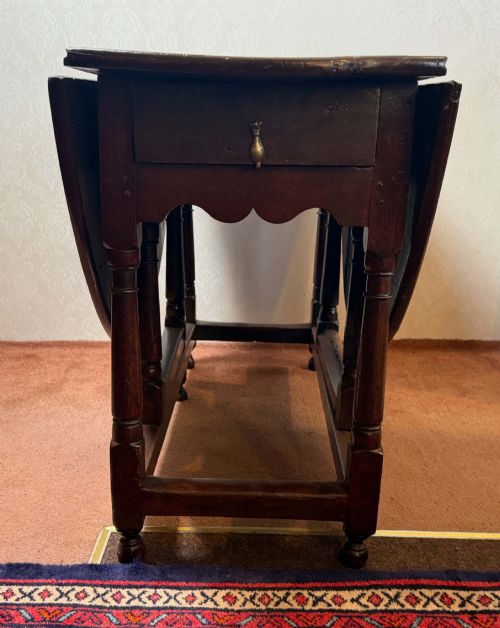
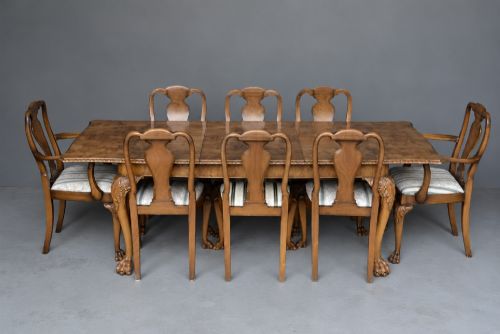
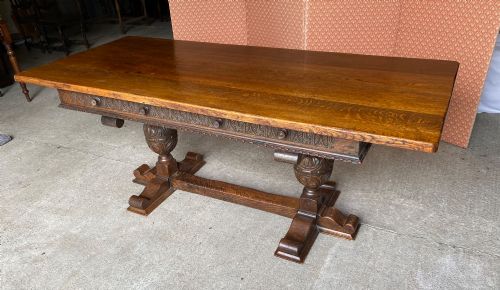
When searching for an eight leg dining table, you encounter substantial furniture designed to accommodate eight or more people comfortably. The selection spans robust oak gateleg and refectory forms as well as extended mahogany formats.
The pieces appearing on this page originate from periods such as the Georgian, Victorian, and Edwardian eras, alongside rustic farmhouse expressions. Buyers are most likely to meet substantial oak gateleg tables or extended mahogany designs suited for dining spaces.
Forms vary significantly, encompassing dropleaf mechanisms, wind out systems, and fixed refectory structures. Each variant serves the primary purpose of gathering large households or dinner parties.
How they were made
Makers utilised dense timbers such as mahogany, oak, and pine to construct these large frames, ensuring the structural integrity needed for multiple legs and leaves. Brass components often reinforced extending mechanisms and castors.
Joinery techniques included gateleg pivots, drop leaves, and pull out extension tracks designed to support extra leaves. Surfaces received polished finishes on formal hardwoods or simpler scrubbed treatments on rustic country pieces.
Eight Leg Dining Table Retail Price Guide 2026
Typical asking prices for eight leg dining table among the pieces listed under this phrase on Sellingantiques today, from the lower quarter to the upper quarter. They describe what is for sale here now, not the wider market.
Listings feature oak, mahogany, and pine construction across Georgian, Victorian, Edwardian, and Regency periods.
What varies in quality
The distinction between tiers rests upon timber selection and the sophistication of the extending mechanism. Superior examples feature well-figured mahogany or aged oak paired with smoothly operating wind out systems and original leaves.
Proportion and stability define the upper end of the scale, where additional legs integrate seamlessly to support extended lengths without sagging. Lesser examples might display utilitarian pine construction or replacement components.
Gillows
The Eight Leg Dining Table Glossary
- Gateleg table
- A table with hinged leaves supported by legs that swing outward like gates. This design allows the surface area to expand or contract significantly.
- Wind out table
- An extending dining table operated by a detachable handle and internal screw mechanism. It separates the top evenly to insert extra leaves.
- Drop leaf
- A table top configuration featuring a fixed central section and hinged flaps on either side. These flaps drop down when not in use.
- Pedestal table
- A table supported by a central pillar or multiple columns rather than four corner legs. This style maximises legroom around the perimeter.
Eight Leg Dining Table: Frequently Asked Questions
How do wind out tables work?
A detachable metal handle inserts into a socket beneath the rim, turning an internal screw thread. This action draws the table halves apart evenly to accommodate additional timber leaves.
Once fully extended, the leaves drop into place and the mechanism locks tightly to create a stable, continuous surface for diners.
How do I seat eight people comfortably?
Tables designed for eight typically measure around six to eight feet in length, or incorporate extension leaves. Leg placement and table width determine how easily chairs fit underneath.
Gateleg and pedestal formats offer flexible leg configurations, whereas refectory styles require consideration of fixed underframes and stretchers.
Where should an eight leg table go?
These large pieces require substantial dining rooms or open plan kitchens with ample clearance on all sides. Allow at least three feet of surrounding space for pulling out chairs.
Positioning the table away from direct heat sources protects the antique timber and mechanism from warping or splitting over time.
How do I date a wooden dining table?
Dating relies on examining construction marks, timber species, hardware, and leg styles such as cabriole or tapered supports. Georgian and Victorian pieces exhibit specific joinery traits.
Tool marks left by hand saws and the type of fixings used provide further clues regarding the period of manufacture.