


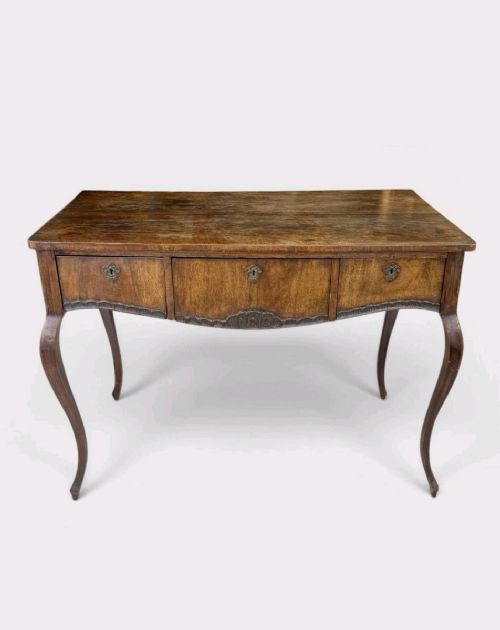
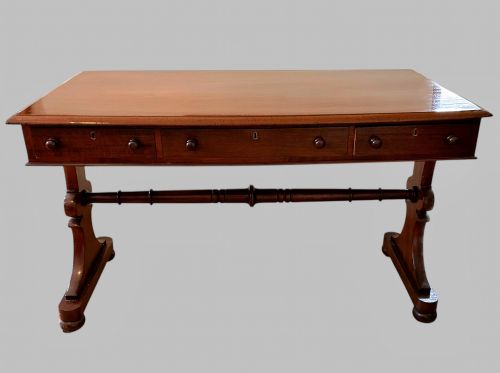
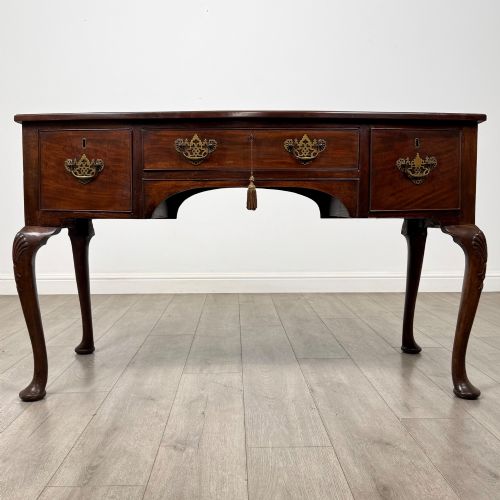
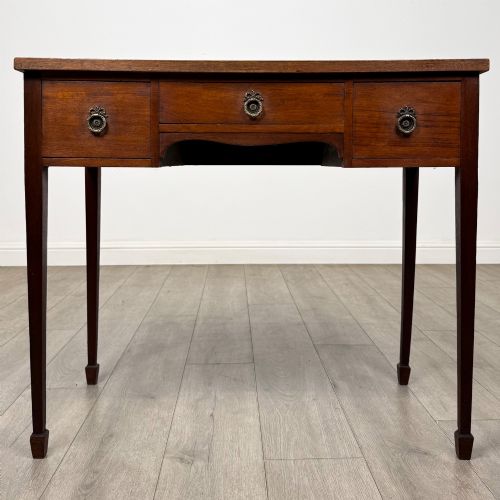
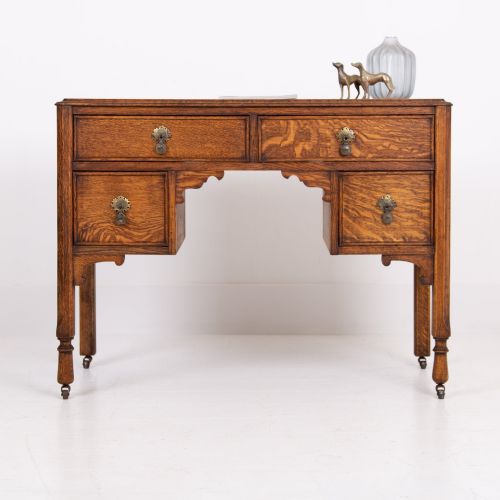
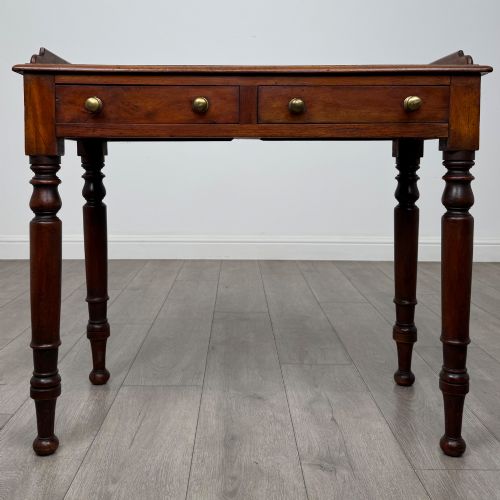
Edwardian Writing Console
An edwardian writing console brings practical surface space and refined proportions to a room, combining a dedicated writing surface with compact storage.
Edwardian Writing Console
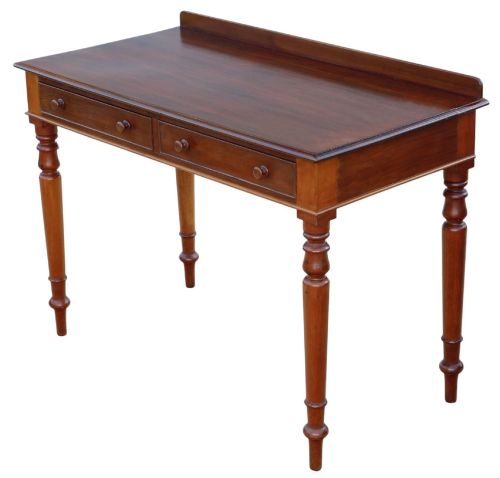
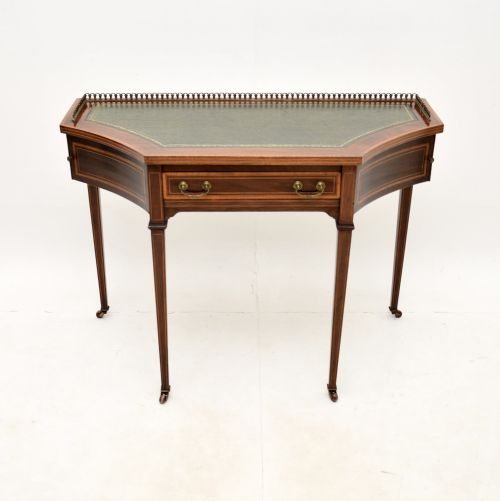
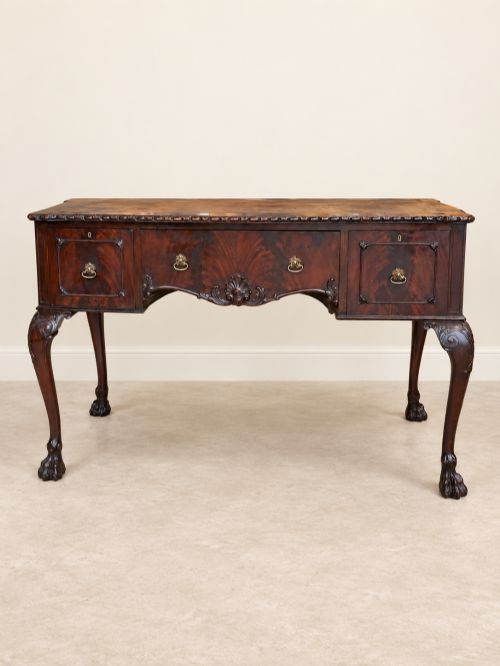
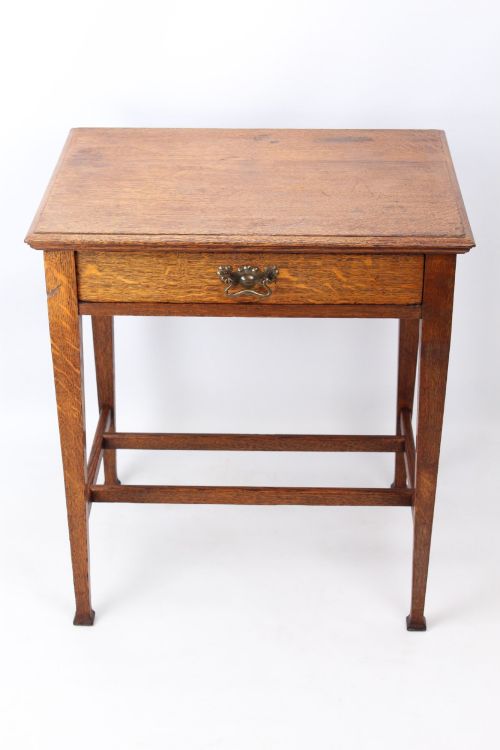
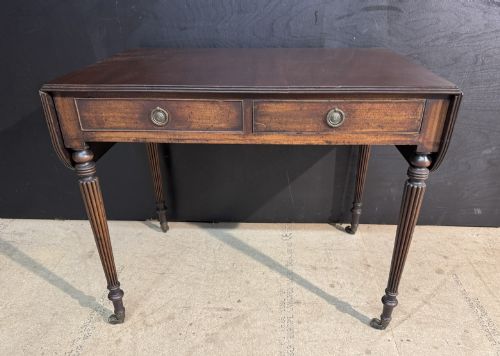
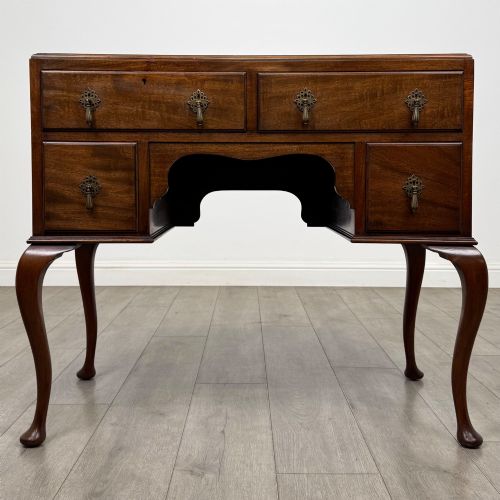
An edwardian writing console encompasses versatile working surfaces and occasional tables designed for writing and display, typically meeting the eye as compact mahogany or oak pieces with integrated drawers. These items bridge the gap between a formal desk and a side table, frequently incorporating slender legs and decorative inlay characteristic of the period.
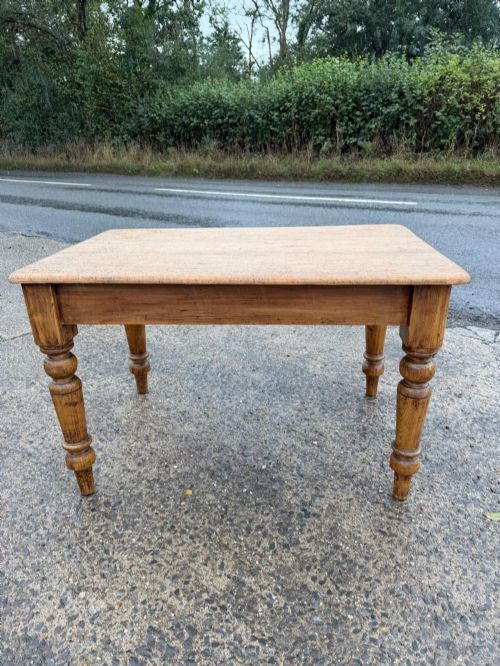
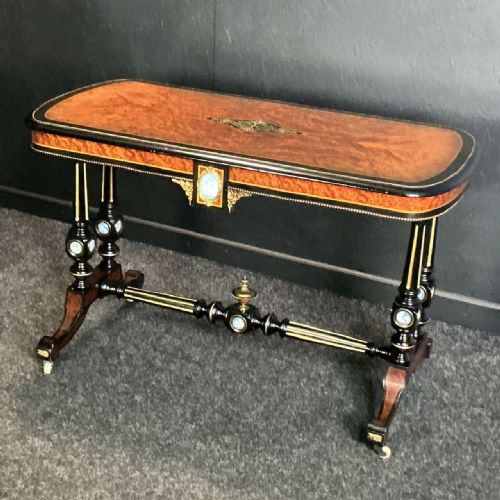
The pieces listed on this page span the Edwardian era alongside nineteenth century and Victorian variants, reflecting how cabinet makers adapted earlier forms into lighter domestic furniture. While the search centres on Edwardian examples, buyers regularly encounter related side tables, sofa tables and desks sharing similar forms.
Makers of the period utilised durable timbers and practical configurations to create furniture suited for drawing rooms, bedrooms and studies alike. The resulting selection provides functional writing surfaces equipped with single or multiple drawers, brass handles and occasionally leather-lined tops.
What varies in quality
The standard of timber selection and grain matching distinguishes finer pieces from simpler utilitarian variants, with figured mahogany and detailed satinwood inlay indicating higher workshop ambition. Superior examples display crisp joinery, well-fitted drawers that run smoothly, and original brass fittings.
Proportion and decorative restraint also separate standard production items from finer craftsmanship. Pieces retaining their original polished surfaces, leather writing inserts and balanced proportions command greater appreciation among collectors.
Some Edwardian writing consoles include hidden compartments within their small drawers, designed long ago for private correspondence and secret stamps.
Heal and Son·Gillows
The Edwardian Writing Console Glossary
- Inlay
- A decorative technique where contrasting woods or other materials are set flush into the surface of the primary timber to create patterns.
- Frieze
- The horizontal band or section situated directly beneath the tabletop, frequently housing one or more drawers in writing tables and consoles.
- Satinwood
- A durable, light-coloured hardwood valued for its natural golden sheen and smooth grain, often utilised for decorative banding and fine furniture.
- Sofa Table
- A rectangular drop-leaf table traditionally placed in front of a sofa, sharing similar proportions and stretcher arrangements with many writing consoles.
- Bonheur Du Jour
- A light lady's writing desk featuring a small cabinet or set of pigeonholes built upon the tabletop, popular during the Edwardian period.
Edwardian Writing Console: Frequently Asked Questions
What is an Edwardian writing console?
An Edwardian writing console is a compact table designed primarily for correspondence and light administrative tasks, typically featuring a flat top and one or more drawers.
These pieces were made to fit comfortably in smaller domestic spaces such as drawing rooms or bedrooms, offering a practical writing surface without dominating the room.
How do I identify an Edwardian piece?
Edwardian furniture generally exhibits lighter proportions, simpler lines than Victorian designs, and frequently incorporates mahogany timber with subtle string inlay.
Examining the construction methods, handles and secondary woods helps confirm the period of manufacture alongside stylistic cues.
Where should I place a writing console?
These versatile tables function well against a hallway wall, in a sitting room as an occasional surface, or positioned behind a sofa.
Because many examples feature finished backs or freestanding capability, they can sit centrally within a room just as easily as against a wall.
How do I care for mahogany furniture?
Mahogany surfaces benefit from regular dusting with a soft, dry cloth and occasional application of appropriate beeswax to nourish the timber.
Keeping the wood away from direct sunlight and excessive heat sources prevents the finish from fading and protects the natural grain over time.