


Edwardian Wooden Standard Lamp
An edwardian wooden standard lamp brings upright height and warm illumination to a corner, combining period timber work with traditional floor-standing lighting.
Edwardian Wooden Standard Lamp
An edwardian wooden standard lamp is a tall floor-standing light fixture designed to illuminate a room from a vertical timber column. Buyers seeking an edwardian wooden standard lamp encounter tall floor lighting produced across the Edwardian era, Victorian period, and interwar decades.
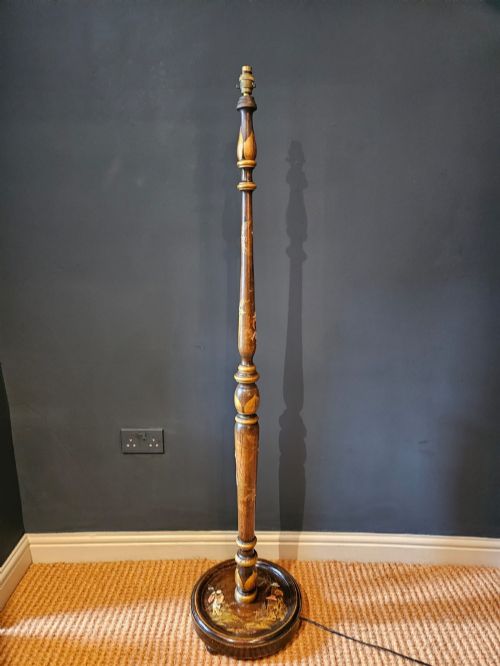
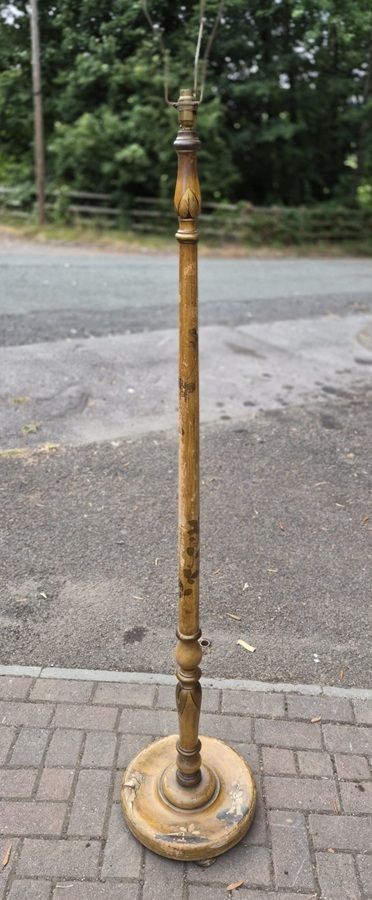
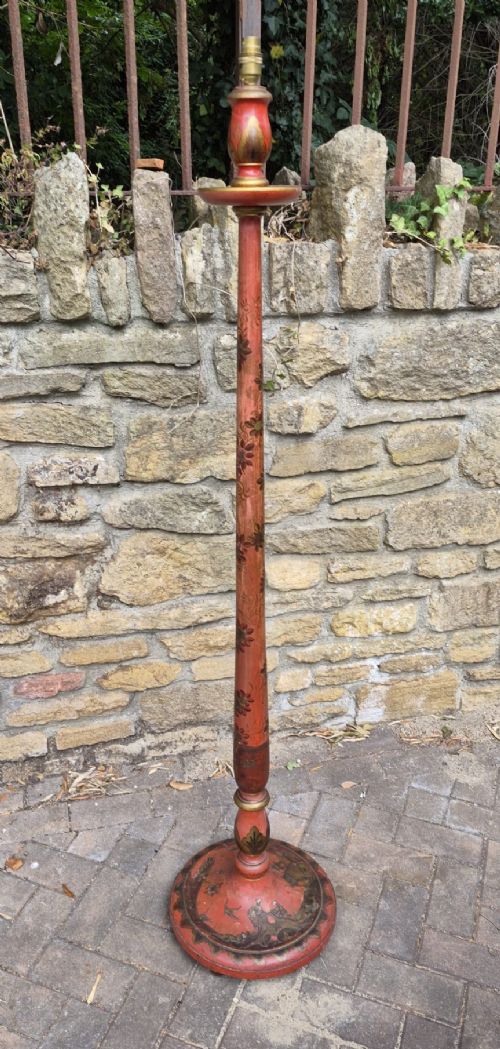
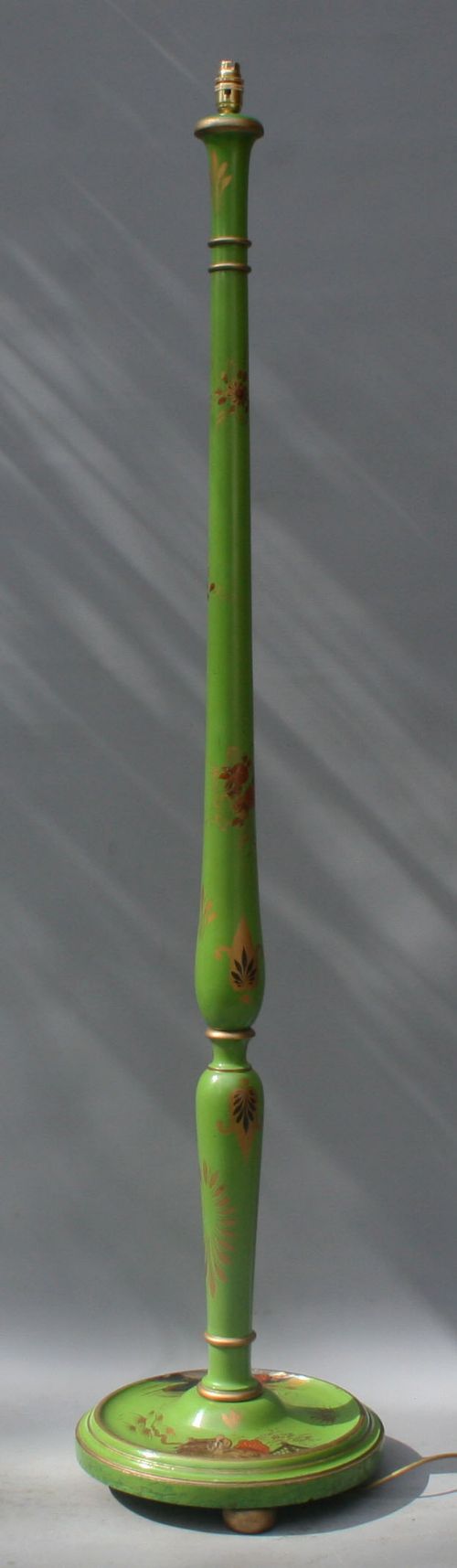
The selections available include turned beech, carved oak, mahogany, walnut, and padouk woods. Many examples feature applied lacquer and painted finishes in Chinoiserie styles alongside plain timber constructions.
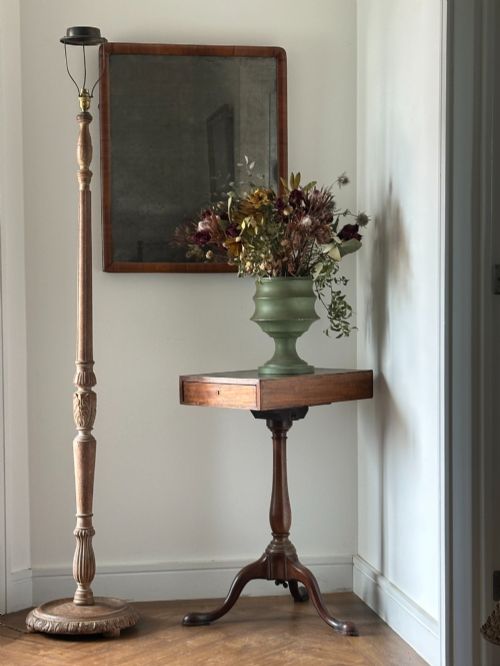
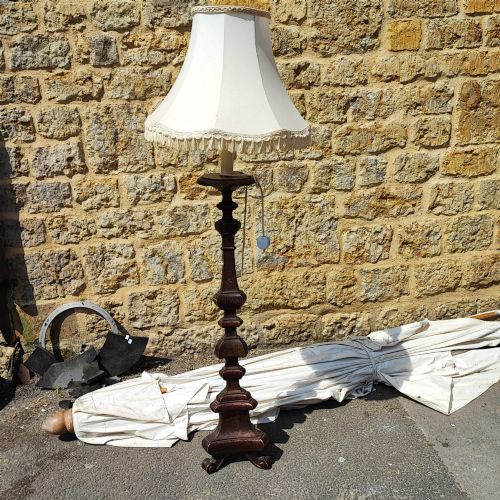
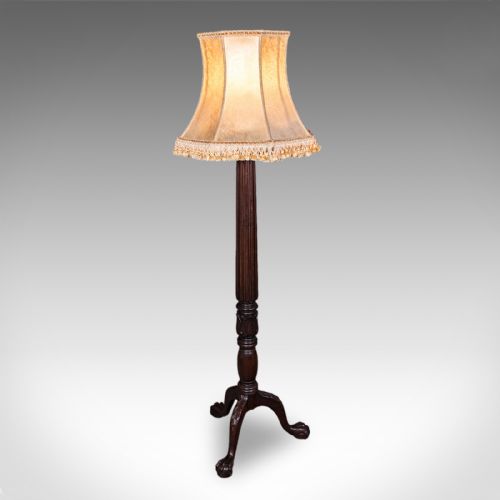
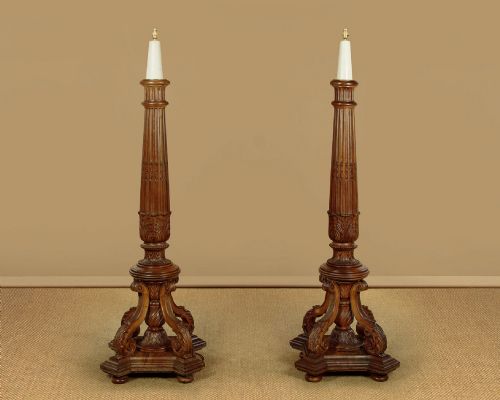
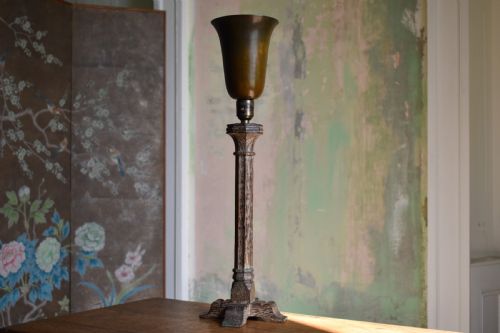
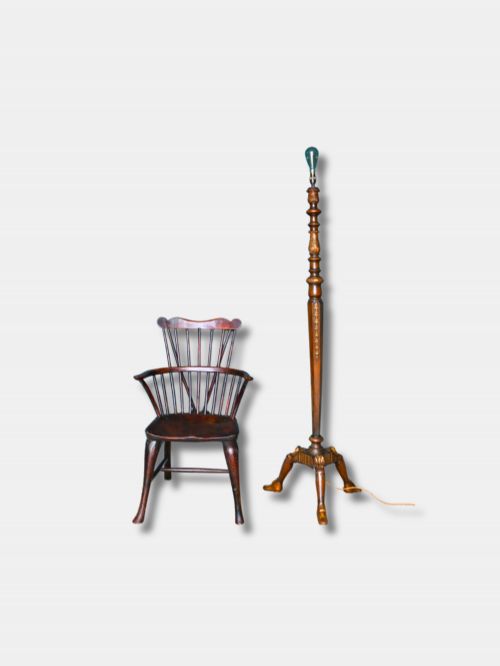
Forms range from simple stepped bases to tripod supports and carved columnar shafts. These pieces operate primarily as floor lights and standard lamps within traditional domestic settings.
How they were made
Woodworking forms the core of construction, utilising timbers such as oak, mahogany, walnut, beech, and padouk shaped by turning, carving, and joining. Cabinet makers formed the tall shafts on lathes and joined them to sturdy circular or tripod bases for stability.
Surface decoration relies on applied paint, lacquer, and gilt details, particularly on Chinoiserie pieces that display intricate orientalist motifs. Brass elements often accent the timber poles and fittings, while fabric shades complete the assembly.
Listings feature woods including oak, mahogany, walnut, beech, and padouk, alongside fabrics and brass fittings.
What varies in quality
Quality rests in the depth and crispness of the timber carving, whether in the turned reeding of a beech column or the elaborate motifs of a Kashmiri or Chinoiserie surface. Superior examples demonstrate thoughtful proportion across the stepped or tripod base and the main shaft.
The choice of dense timbers like walnut and padouk, or carefully limed oak, distinguishes finer commissions from standard utility pieces. Preservation of original painted lacquer surfaces and structural rigidity in the tall shaft dictate the standing of an individual lamp.
The Edwardian Wooden Standard Lamp Glossary
- Standard lamp
- A tall floor-standing lamp designed to sit upon the floor rather than a piece of furniture. These provide ambient room lighting.
- Chinoiserie
- European decorative style employing oriental motifs, often featuring hand-painted lacquer and gilt imagery on wood. It became popular during the Edwardian period.
- Limed oak
- Timber treated with a specialised finish that leaves a white pigment in the grain pores. This technique lightens the overall colour of the oak.
- Tripod base
- A three-legged support structure underneath the tall central column. This design offers stability for a tall floor lamp.
Edwardian Wooden Standard Lamp: Frequently Asked Questions
Where did these lamps stand?
These lamps stood in corners or beside seating furniture in sitting rooms and libraries, providing ambient illumination at height.
Their tall shafts allowed light to cast downward over reading chairs without occupying table space.
How do I clean the wood?
Dust the timber regularly with a soft, dry cloth to prevent dirt accumulation on the carved surfaces and turned columns.
Avoid liquid polishes on painted or lacquered Chinoiserie finishes to protect the delicate decorative layers.
Are standard lamps stable?
Standard lamps utilise weighted or wide bases, such as stepped timbers or tripod legs, to maintain upright balance on floorboards and carpets.
The height of the wooden shaft requires a solid foundation to prevent tipping during everyday movement.
How do I identify Edwardian work?
Edwardian wooden lighting typically exhibits slender turned columns, lighter timber tones, or painted decorative schemes reflecting Arts and Crafts or revival preferences.
Construction methods and timber selection align with early twentieth-century domestic interior styles.