

Edwardian Wooden Lamp Tables
Edwardian wooden lamp tables bring compact utility to a room, offering sturdy surfaces for lighting and small objects through polished mahogany, oak and walnut.
Edwardian Wooden Lamp Tables
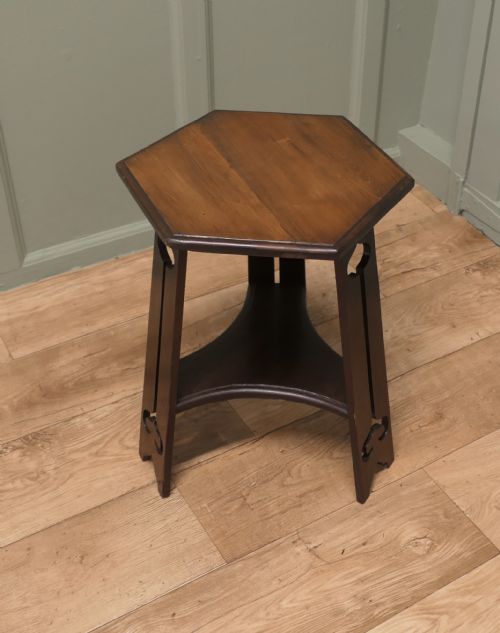
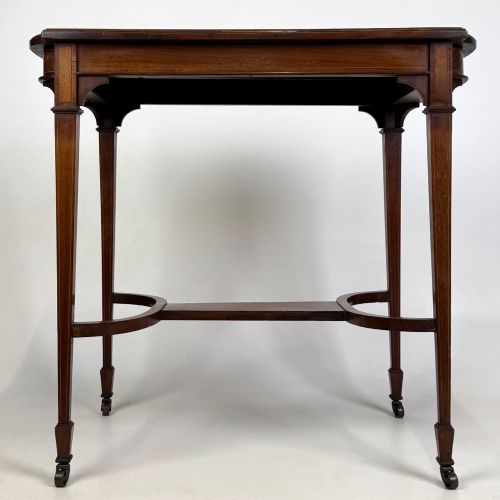
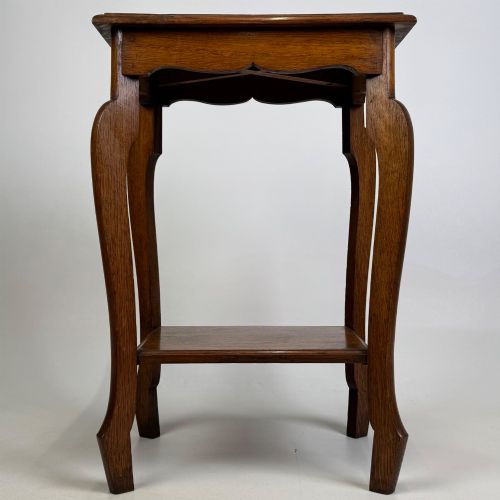
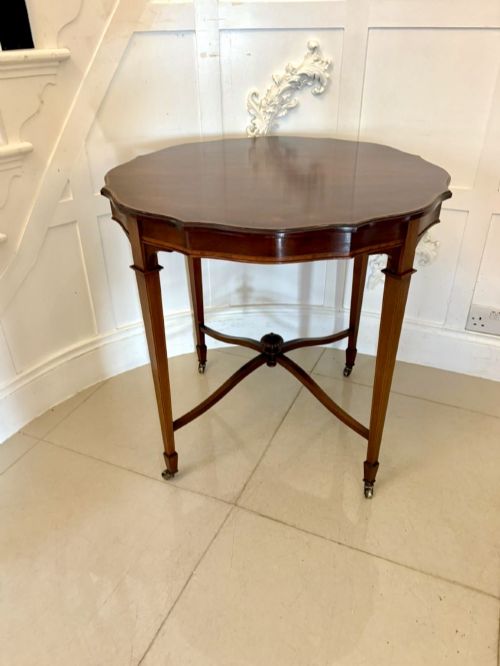
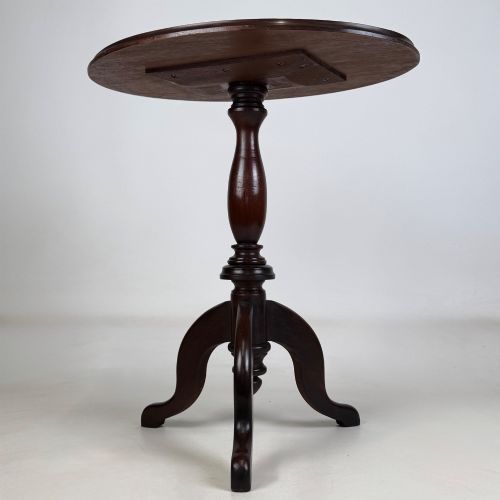
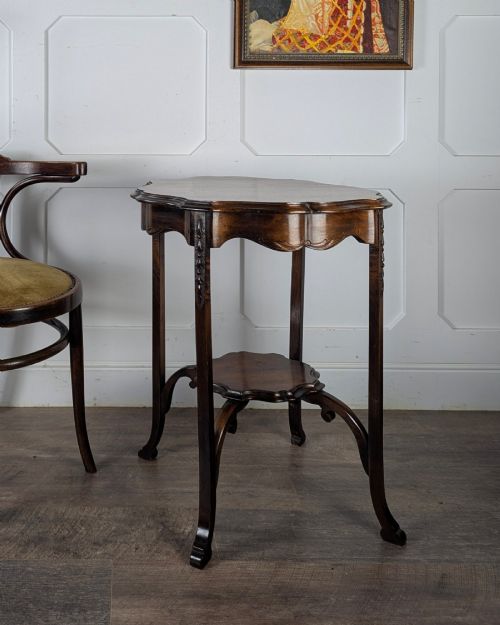
Edwardian wooden lamp tables arrive primarily from the early decades of the twentieth century, accompanied by related nineteenth-century examples and later interpretations up to the nineteen-thirties. Buyers seeking edwardian wooden lamp tables will find frequent side tables, occasional tables and plant stands configured for domestic placement.
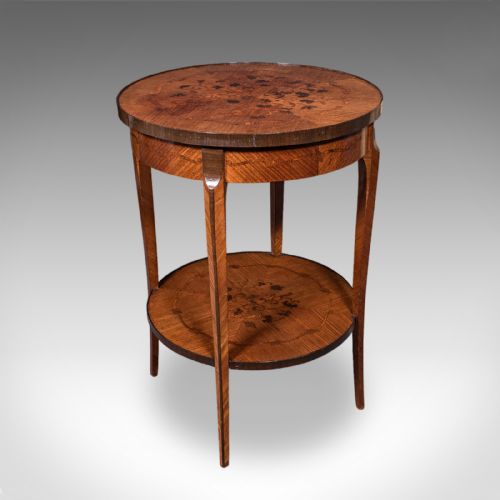
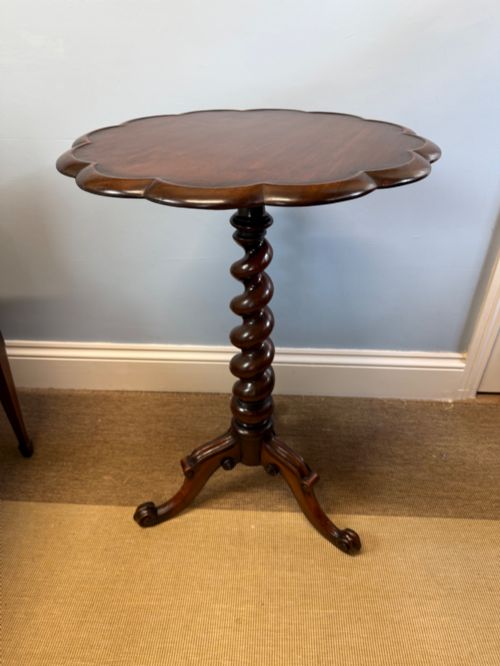
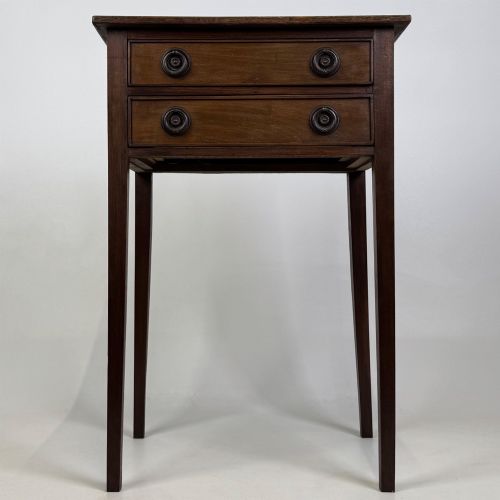
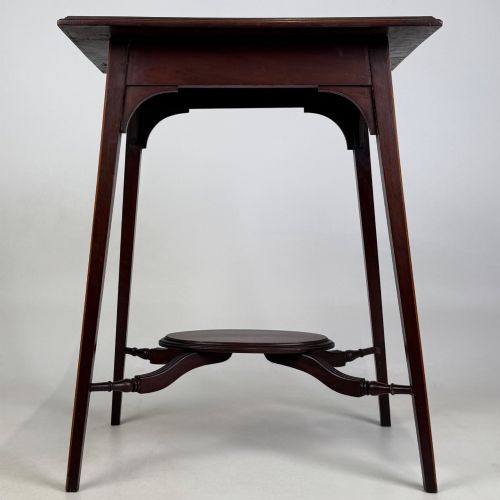
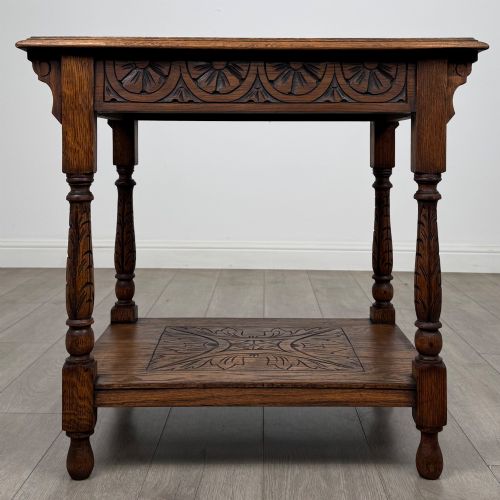
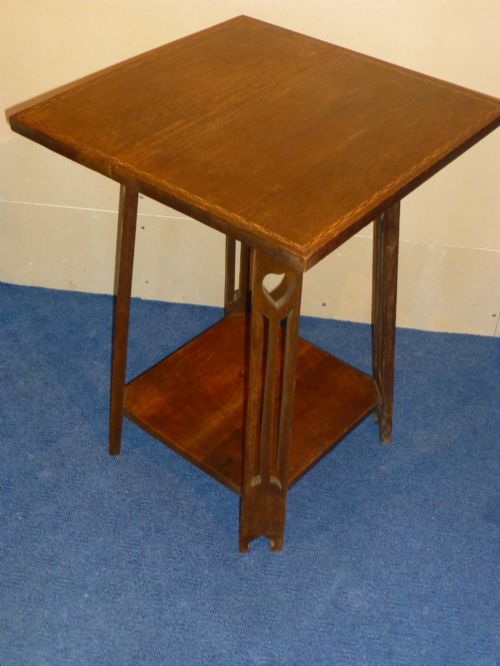
The construction embraces oval, octagonal and rectangular tops, sometimes supported by two tiers or raised on bobbin legs and barley twist columns. Many pieces function equally as bedside tables, small side cabinets or nests of tables depending on the specific room layout.
Materials and Construction
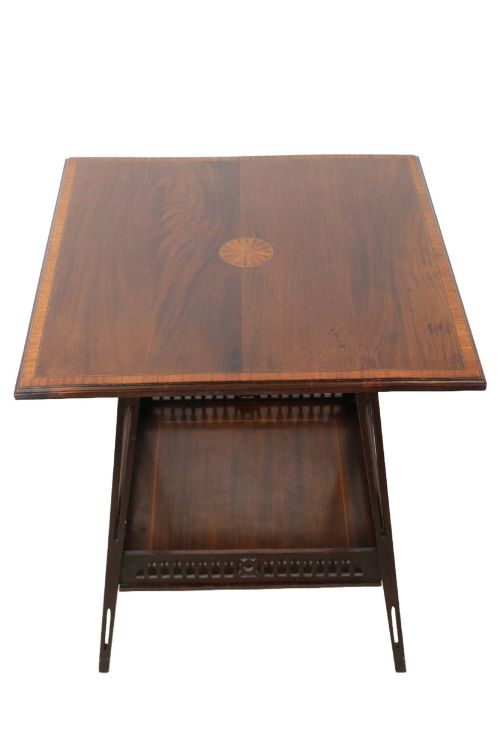
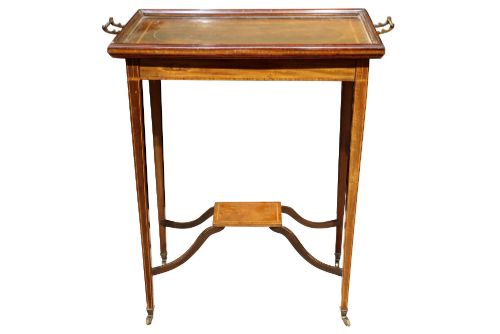
Cabinetmakers utilised solid timbers and veneers of mahogany, oak, walnut, satinwood and kingwood, frequently incorporating boxwood stringing and wood inlay to decorate the surfaces. Tray tops and carved details appear alongside simpler turned legs.
Workshops applied brass handles and mounts where drawers or tiers are present, while auxiliary materials like beech or deal often form the secondary framing timbers beneath the polished show woods.
The listings span the Edwardian era alongside late Victorian and nineteen-twenties pieces, executed in mahogany, oak, walnut and satinwood.
Execution and Detail
The standard of timber selection and the precision of the wood inlay establish the grade of a piece, separating straightforward utilitarian items from more ambitious cabinetwork. Crisp carving and balanced proportions indicate greater workshop care.
Condition of the polish, stability of the joints and originality of the brass fittings further distinguish the better examples from those that have sustained heavy domestic alterations or surface degradation.
Trevor Page and Co·Liberty and Co·William Birch·Baillie Scott·Druce and Co London·Shapland and Petter
The Edwardian Wooden Lamp Tables Glossary
- Tray top
- A table surface finished with a raised moulded rim designed to prevent items from sliding off. This feature appears frequently on occasional and lamp tables of the period.
- Stringing
- Thin lines of contrasting wood inlay used to outline table edges and panels. Boxwood is a common choice for this linear decoration.
- Occasional table
- A small, movable stand designed for temporary use around a reception room. These pieces double readily as lamp or plant tables.
Edwardian Wooden Lamp Tables: Frequently Asked Questions
Where do I place an edwardian wooden lamp table?
These compact pieces fit easily beside armchairs, sofas or beds where surface space is required for reading lamps and small objects. Their modest footprint allows them to occupy awkward corners or empty wall spaces without crowding the room.
Larger octagonal or oval variants also function as central display surfaces for table lamps or decorative plants, provided the surrounding floor clearance remains adequate.
How do I care for polished mahogany and oak?
Keep wooden surfaces away from direct heat sources and strong sunlight to prevent the timber and veneer from drying out or splitting. Routine dusting with a dry lint-free cloth maintains the finish without needing heavy chemical polishes.
Occasional application of traditional beeswax feeds the grain and preserves the patina. Avoid placing damp items directly onto the polished wood to prevent water rings.
What styles accompany edwardian wooden lamp tables?
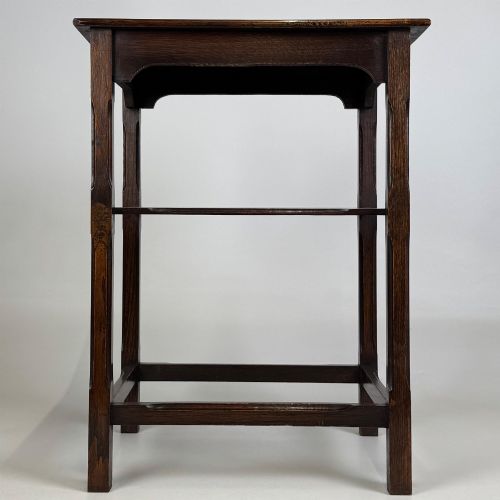
The selections encompass straightforward Edwardian designs alongside Arts and Crafts pieces characterised by plainer joinery and honest materials. Occasional items show influences from Georgian Revival forms and French stylistic preferences.
Late Victorian production methods also feed into the inventory, bringing darker walnut timbers and bobbin-turned legs into the mix alongside lighter satinwood-inlaid pieces.
How do I identify a genuine period table?
Examine the construction methods beneath the top and around the legs for traditional joinery, tool marks and appropriate secondary timbers. Age shows in the natural oxidation of the wood and the wear patterns around handles and lower stretchers.
Styles, wood choices and hardware should align with early twentieth-century manufacturing practices rather than modern replication techniques.