


Edwardian Wooden Carver Chair
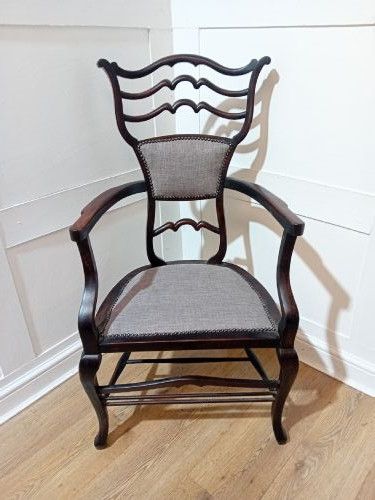
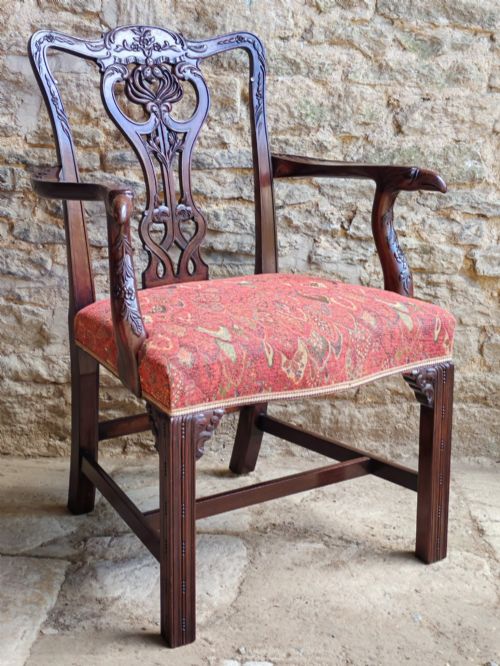
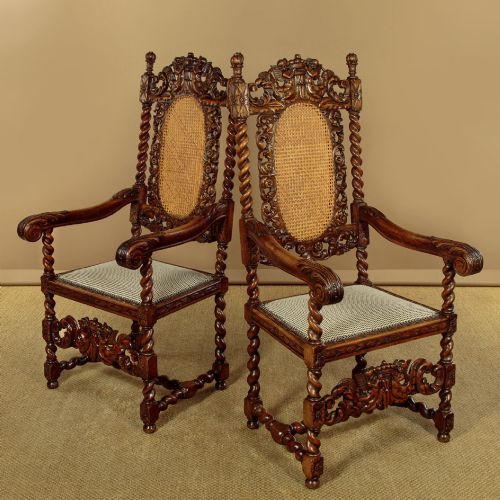
When you search for an edwardian wooden carver chair, you enter a field defined by robust timbers and generous proportions designed for the head of a dining table.
Edwardian Wooden Carver Chair
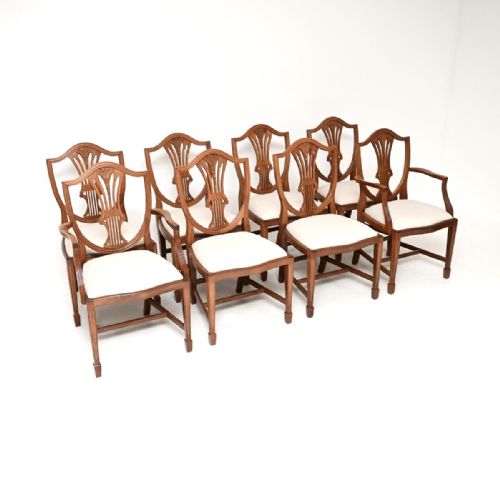
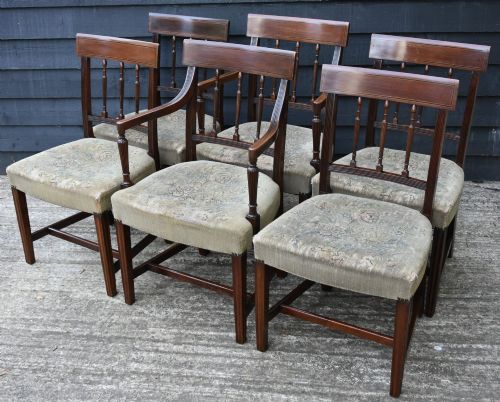
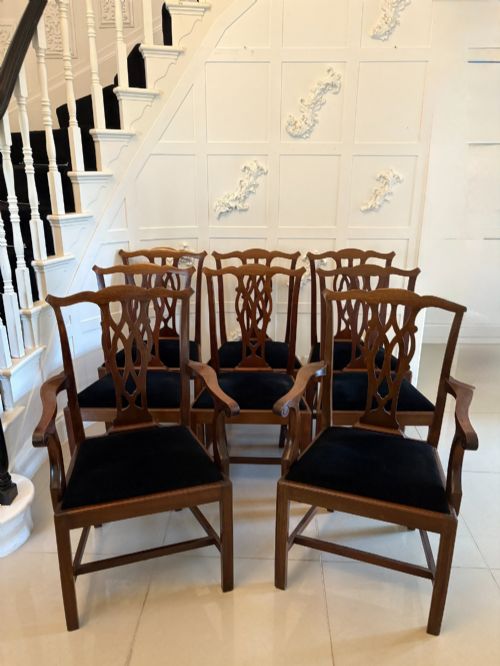
An edwardian wooden carver chair combines the architectural confidence of earlier revival periods with the domestic requirements of the early twentieth century. You will encounter individual armchairs alongside dining sets that pair a set of side chairs with matching carvers for the table ends.
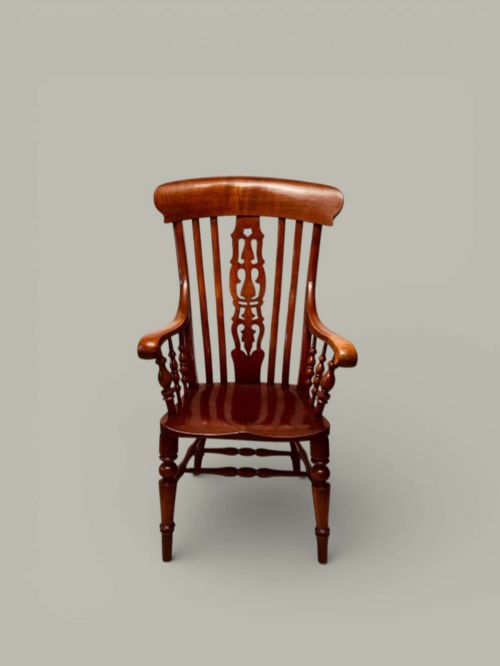
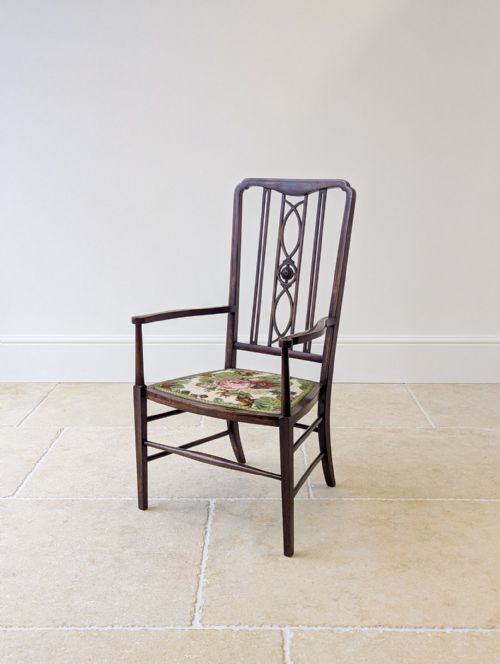
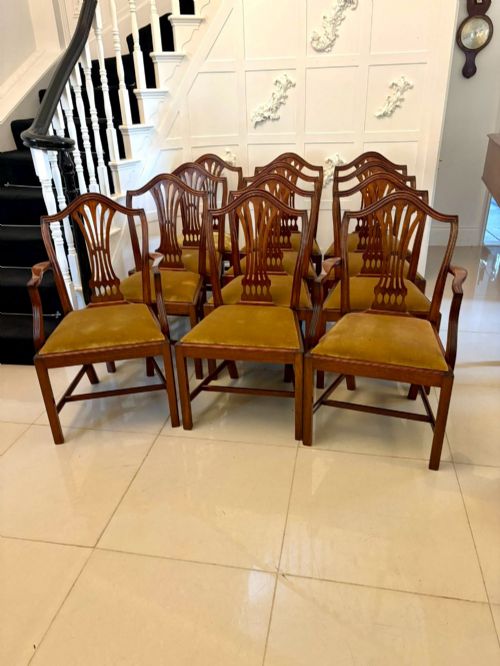
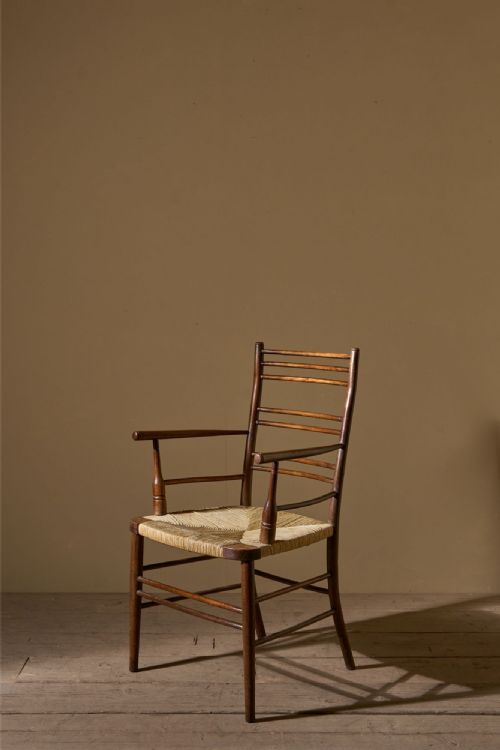
Makers of the period drew heavily on eighteenth-century vocabulary, producing pieces that reference Chippendale, Hepplewhite, and Sheraton designs. Alongside these formal mahogany styles, the evidence shows robust English country versions in oak, elm, and ash, often featuring spindle backs or rush seats.
The term carver itself denotes an armchair with structural arms, built to sit alongside standard dining chairs without arms. These pieces bridge the gap between formal reception room seating and practical dining furniture.
Materials and Construction
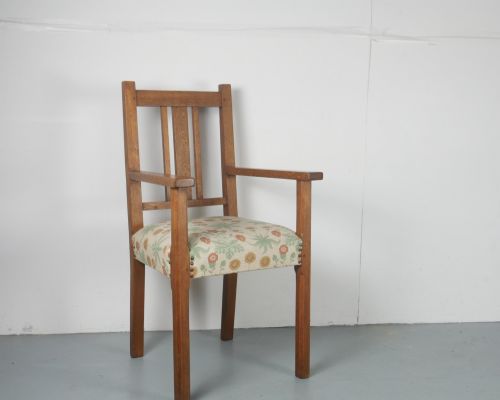
Timbers selected for these chairs depend heavily on the intended style, with dense mahogany dominating formal revival pieces while oak, elm, and ash support the country and Arts and Crafts traditions. Workshops utilised traditional joinery, integrating mortise and tenon joints to secure the arms and back to the main frame.
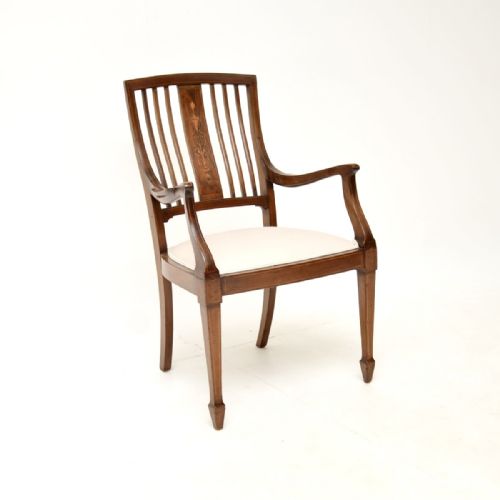
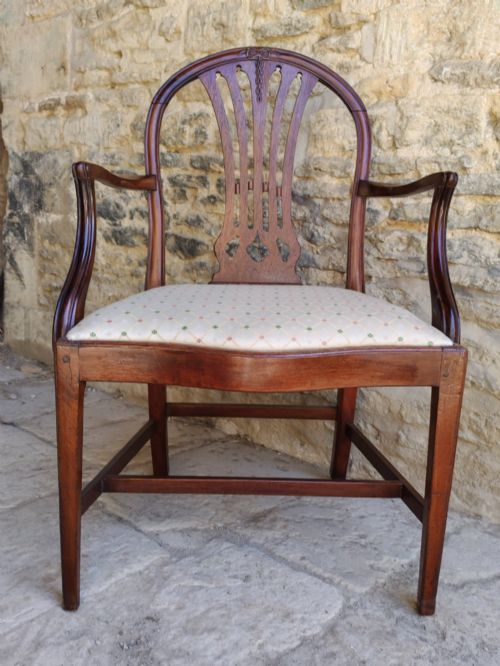
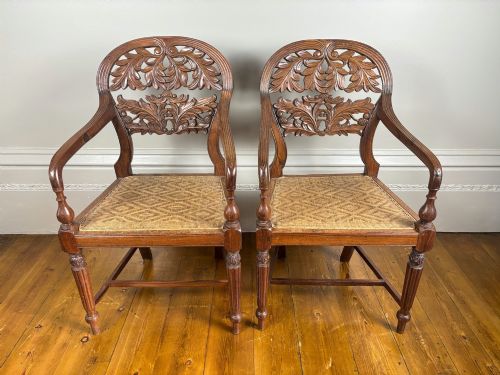
Seating methods vary according to the design, incorporating drop-in upholstery frames covered in fabric, woven rush seats, or solid wooden planks shaped for comfort. Decorative elements often include inlaid satinwood, carved splats, and turned spindle supports rather than applied ornamentation.
Edwardian Wooden Carver Chair Retail Price Guide 2026
Typical asking prices for edwardian wooden carver chair among the pieces listed under this phrase on Sellingantiques today, from the lower quarter to the upper quarter. They describe what is for sale here now, not the wider market.
Listings demonstrate a strong division between formal mahogany revival dining chairs and country oak or elm farmhouse seating.
Assessing Quality
Quality in these chairs rests upon the integrity of the timber selection and the precision of the joinery where the arms join the uprights. Heavier, denser woods and crisp, hand-carved details elevate a piece above standard factory production.
The distinction between a top-tier chair and a simpler example lies in the depth of the carving, the tightness of the frame construction, and whether secondary timbers are used judiciously out of sight.
Howard and Sons·Liberty Morris and Co
The Edwardian Wooden Carver Chair Glossary
- Carver chair
- An armchair designed to match a set of dining chairs, traditionally placed at the head of the table. These feature structural armrests integrated into the frame.
- Hepplewhite revival
- A style reproducing the light, elegant aesthetic of George Hepplewhite's eighteenth-century designs. It frequently incorporates shield-shaped backs and tapered legs.
- Rush seat
- A seating surface woven from dried marsh rushes or split reeds. This technique appears frequently on country and Arts and Crafts examples.
- Spindle back
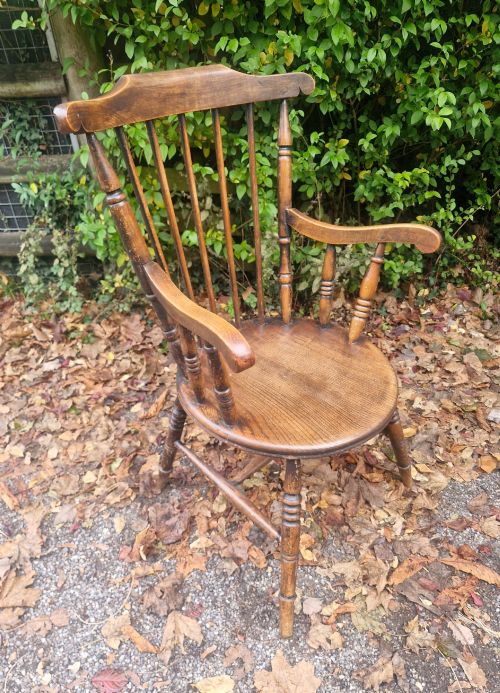
- A chair back constructed from a series of slender turned wooden rods. These provide vertical support while keeping the upper frame visually light.
- Inlay
- A decorative technique where contrasting woods or light satinwood are set flush into the primary timber surface. This creates geometric or botanical patterns.
Edwardian Wooden Carver Chair: Frequently Asked Questions
What is an edwardian wooden carver chair?
An edwardian wooden carver chair is an armchair produced in the early twentieth century, typically designed to sit at the head of a dining table.
These pieces frequently draw inspiration from earlier Georgian and revival styles while utilising woods like mahogany and oak.
How do you style an edwardian carver?
These armchairs function naturally as head-of-table seating in a dining room or as standalone reading chairs in a study.
Their substantial arms and supportive backs allow them to anchor a seating arrangement while mixing easily with different table designs.
How do I spot a revival style?
Revival pieces borrow the decorative motifs and silhouette proportions of eighteenth-century makers like Chippendale or Hepplewhite. Examining the timber age and construction joints helps separate these later interpretations from genuine period pieces.
The evidence shows numerous dining sets combining these revival carvers with matching side chairs.
What woods were used for these chairs?
Makers relied on mahogany for formal, polished dining chairs intended for smart reception rooms and formal dining spaces.
Country and Arts and Crafts workshops preferred native timbers such as oak, elm, ash, and beech, frequently pairing them with rush seats or simpler ladder backs.