


Edwardian Wall Plaque
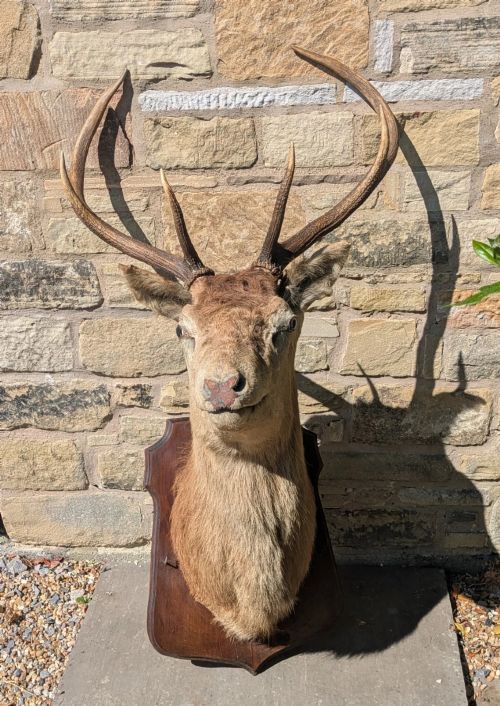
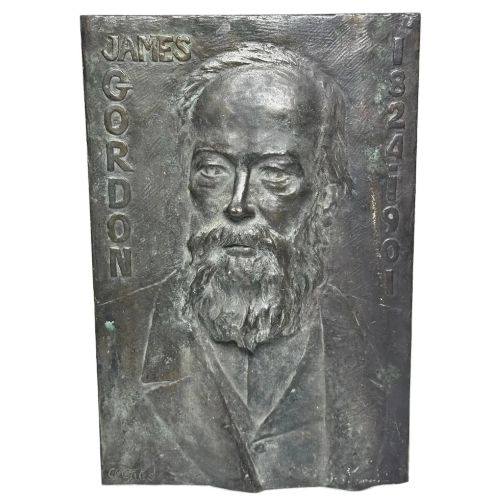
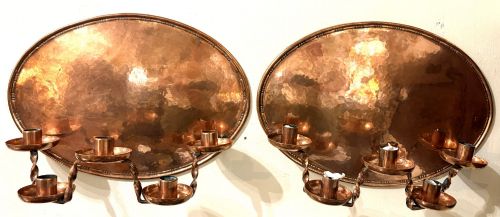
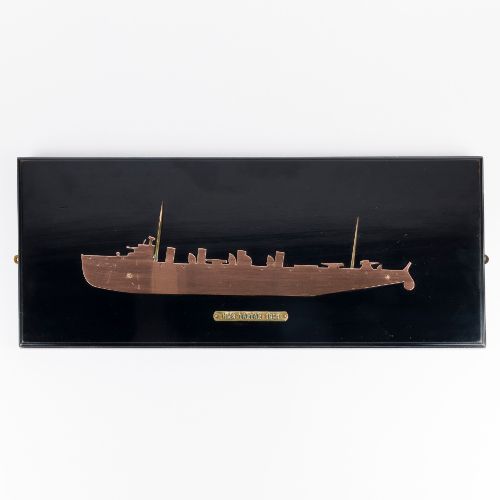
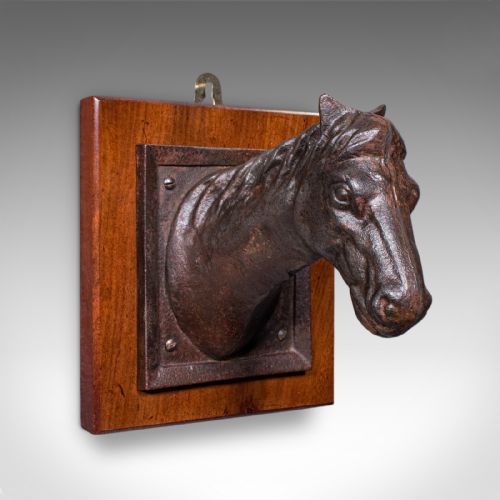
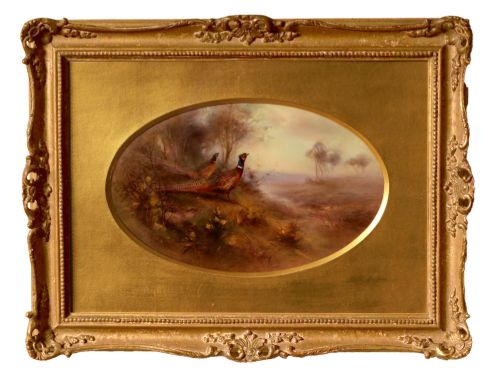
These pieces range from taxidermy mounts and hand-painted porcelain to beaten copper panels and enamel signs, offering a diverse array of wall art for interior display.
Edwardian Wall Plaque
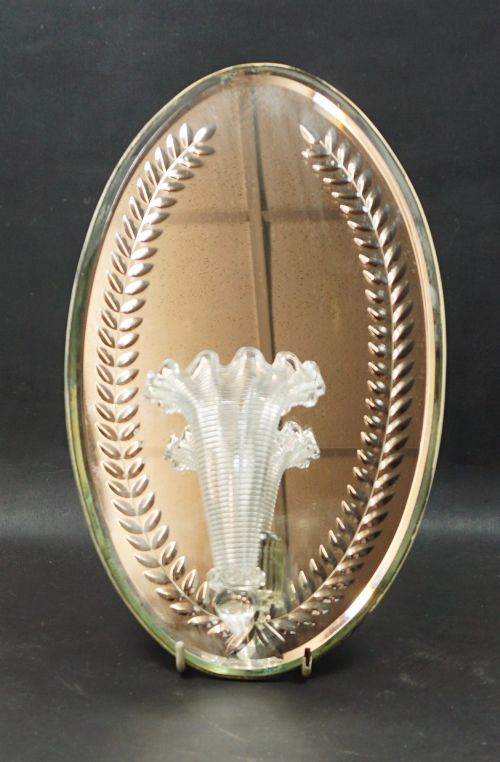
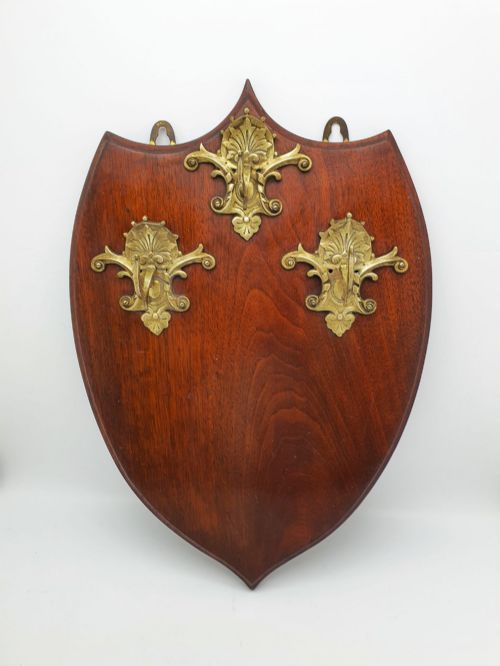
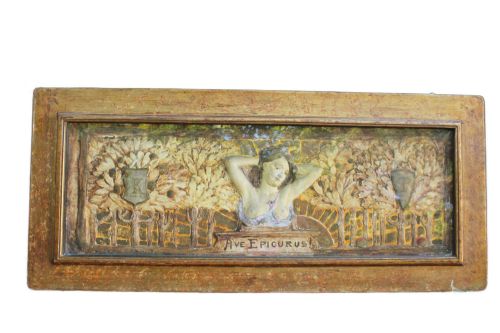
An edwardian wall plaque encompasses a broad spectrum of decorative and commemorative wall-hung objects, spanning carved timber, ceramic tiles, metal coats of arms, and framed reliefs. When exploring this selection, one encounters items produced across the late nineteenth and early twentieth centuries, reflecting the eclectic tastes of the period.
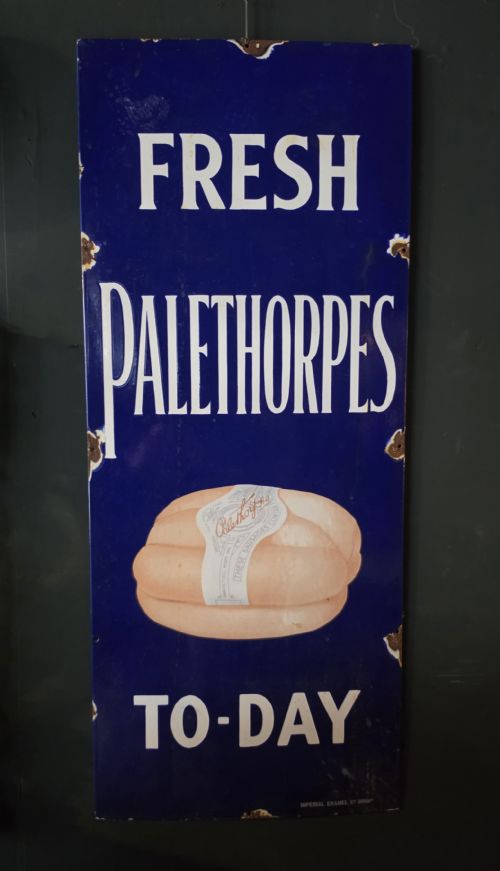
The assortment includes utilitarian advertising signs alongside finely worked porcelain plates, cast iron insignia, and taxidermy trophies. Pieces bridge domestic utility with purely decorative ambition, demonstrating how walls served as surfaces for both corporate identity and artistic expression.
Origins vary from English workshops and railway offices to continental potteries and specialised taxidermy studios. This variety ensures that surviving examples retain distinct regional and functional characteristics tied to their original contexts.
Materials and methods
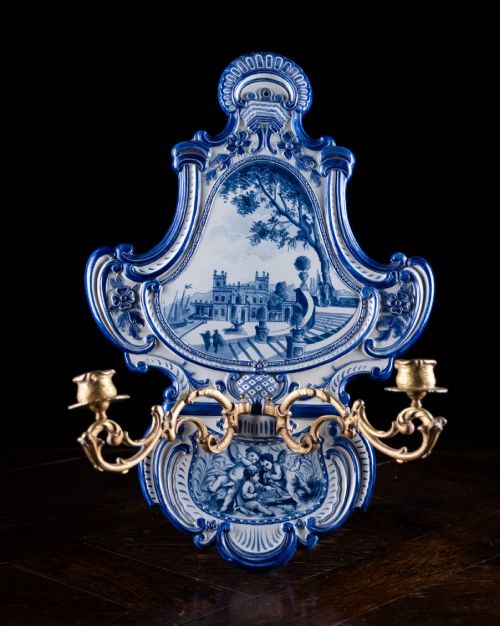
Ceramic and glass works rely on hand-painted porcelain surfaces, cloisonné enamelling, glazed tiles, and vitriolite glass signage. Taxidermy examples involve the careful mounting of animal masks and heads upon wooden or iron backing structures.
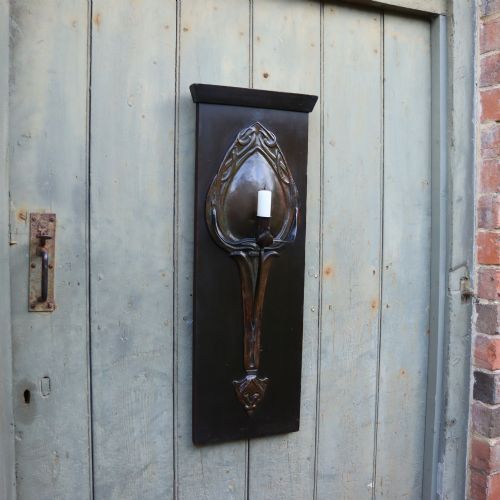
Surface finishes range from patinated bronze and polished brass to polychrome plaster and enamel coatings, each selected to withstand environmental wear while highlighting sculptural detail.
Edwardian Wall Plaque Retail Price Guide 2026
Typical asking prices for edwardian wall plaque among the pieces listed under this phrase on Sellingantiques today, from the lower quarter to the upper quarter. They describe what is for sale here now, not the wider market.
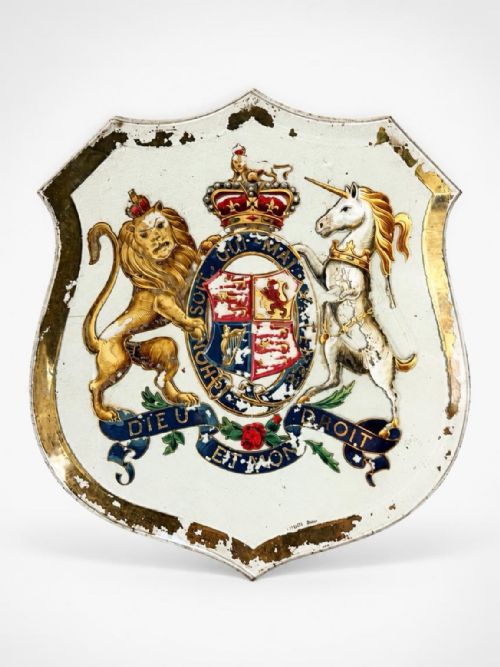
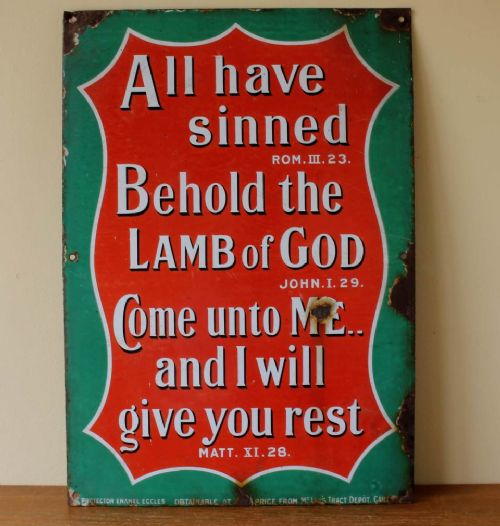
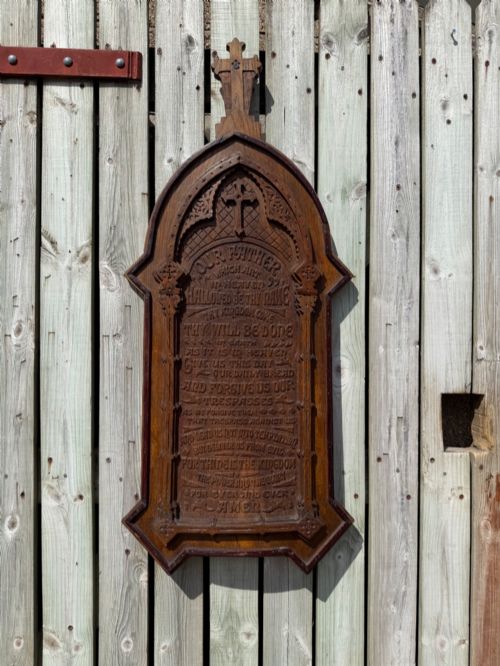
Sausage advertising sits alongside royal coats of arms and religious verse.
Assessing quality
Quality rests upon the execution of the handwork, whether in the delicate brushstrokes of a hand-painted porcelain plaque or the crisp definition of a beaten copper panel. Maker attribution and documented provenance elevate certain pieces above standard commercial production.
The integrity of materials and survival of original patination dictate value. Items retaining their unpolished surfaces and complete structural components demonstrate superior preservation.
Artistic ambition sets exceptional reliefs and customized commissions apart from mass-produced signage, rewarding the observer with superior composition and material heft.
H. Murray & Son·Villeroy & Boch·Palethorpes·Royal Worcester·Mintons·P. Spicer & Sons·Kasli Foundry·Wedgwood
The Edwardian Wall Plaque Glossary
- Repoussé
- A metalworking technique where the metal is hammered from the reverse side to form a raised design in relief on the front. This method allowed artisans to create intricate theatrical scenes and floral motifs on copper and brass wall panels.
- Cloisonné
- An ancient technique for decorating metalwork objects with coloured glass paste placed within small metal compartments formed by soldered wires. Surviving plates and plaques exhibit precise geometric and avian motifs executed through this demanding process.
- Jasperware
- A type of pottery developed by Josiah Wedgwood featuring an unglazed stoneware body with contrasting low-relief cameos. Framed groupings of these neoclassical plaques showcase classical figures against coloured grounds.
- Vitriolite
- A heavy pigmented structural glass used primarily for twentieth-century signage and architectural cladding. Its glossy, opaque surface made it durable for street names and commercial displays.
- Taxidermy mask
- The preserved head and neck portion of an animal, often mounted on a wooden shield as a hunt trophy. These pieces frequently record specific dates and locations of the hunt.
Edwardian Wall Plaque: Frequently Asked Questions
What materials were used for these wall objects?
Makers employed a wide selection of materials depending on the intended function of the piece. Common substances include cast iron, brass, copper, oak, porcelain, enamel, and taxidermy elements.
Surviving examples often combine these materials, such as wood-mounted brass brackets or copper panels framed in oak.
How do I identify an edwardian wall plaque?
Identification relies on stylistic markers associated with the period, such as Arts and Crafts hand-beaten metalwork, floral motifs, and commemorative lettering. Maker marks, registration numbers, and dates stamped onto the reverse or surface also provide direct evidence.
Examining the construction methods, such as period screw types or mounting brackets, helps confirm the era of production.
Where were wall plaques displayed originally?
These items hung in diverse settings, ranging from private domestic halls and smoking rooms to corporate offices, railway stations, and churches. Advertising signs occupied public storefronts, while porcelain plaques and mirrors decorated formal reception rooms.
Taxidermy trophies and dinner gongs typically found placement in country houses and hunting lodges.
How should I hang a heavy cast iron or wooden plaque?
Due to the substantial weight of cast iron coats of arms, framed tiles, and wooden taxidermy mounts, secure wall anchoring is essential. Fixing directly into wall studs or using appropriate masonry anchors ensures stability.
Checking the integrity of existing hanging wires or rear brackets before installation prevents accidental displacement.