



Edwardian Wall Art Pair
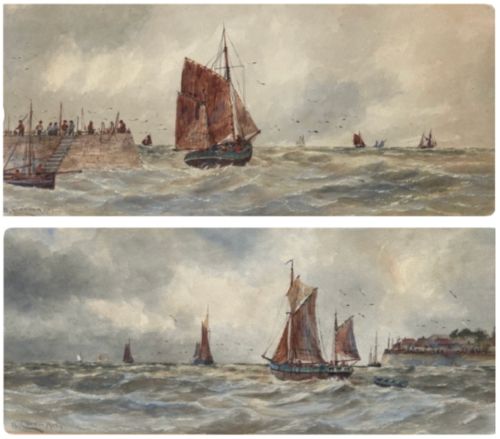
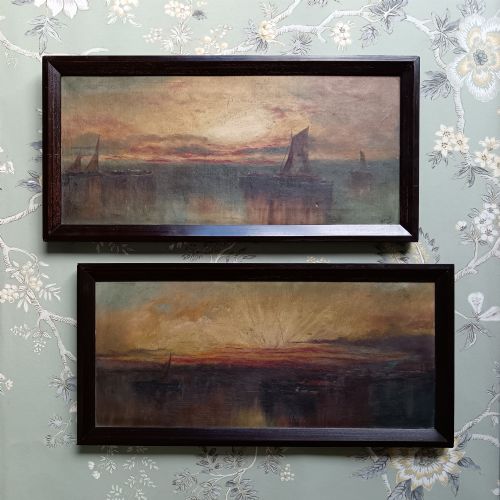
An edwardian wall art pair brings balanced symmetry to a room, offering matching maritime scenes, portraits, or landscapes framed together for interior display.
Edwardian Wall Art Pair
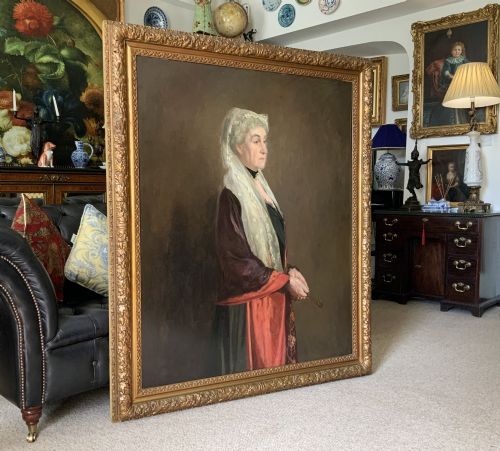
An edwardian wall art pair consists of two matching decorative or fine art pieces designed to be hung side by side or symmetrically in a room. The items on this page span watercolours, oil paintings, prints, tiles, and photographs originating primarily from the early twentieth century and the Edwardian era.
Buyers encounter marine subjects, rural landscapes, sporting scenes, and botanical or animal studies executed in media ranging from watercolour pigment to oil on canvas and glass. Many examples reflect the lingering influence of the Arts and Crafts movement and Art Nouveau alongside traditional portraiture.
Materials and Construction Techniques
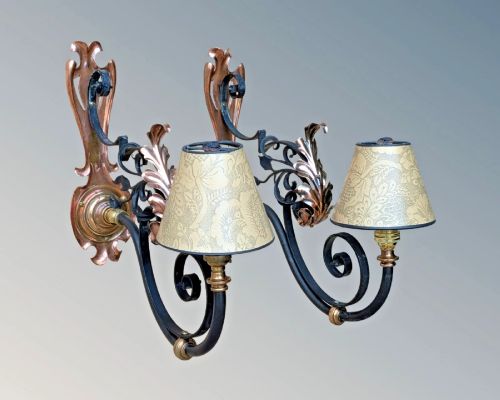
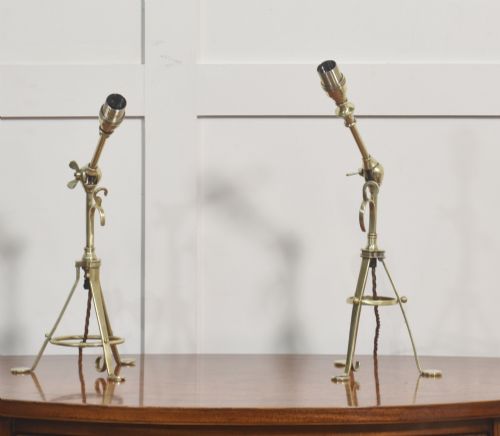
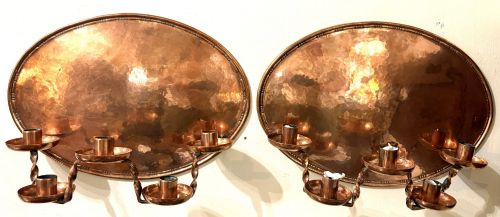
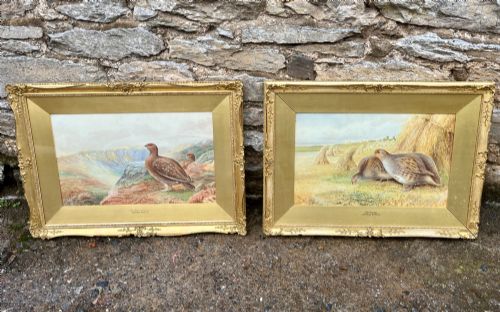
The physical pieces rely on traditional artist supports such as canvas, heavy paper, and wood panels, often housed in original giltwood or moulded wooden frames. Metalwork components utilise hammered brass, copper, and bronze, frequently associated with Arts and Crafts workshops.
Pigments include traditional oil paints and watercolour washes, while ceramic components incorporate glazed tiles and relief plaques. Glazing with glass protects fragile paper works and watercolours from environmental moisture.
The periods represented span from the Victorian era through the Edwardian years and into the 1930s.
Distinctions in Quality and Execution
Quality rests upon the skill of the artist or maker, visible in the handling of brushwork, anatomical accuracy in animal and human portraits, and compositional balance between the two paired items. Masterful execution displays confident linework and depth of tone rather than stiff or formulaic replication.
The integrity of the framing and the preservation of the original surface materials dictate the overall desirability of a pair. Intact frames matching the period of the artwork and stable, uncleaned paint layers retain higher integrity than heavily restored or mismatched mountings.
William Cannon·Emily Eyres·B. Nash·W.A.S. Benson·George Rankin·Sherwin and Cotton·F.J. Snell·Louis Wain·Evelyn Chester·Pieter Cornelis Dommersen·Philip Henry Rideout·Frank Hider·Liberty·George Whyatt·Reginald Robert Tomlinson·Leslie Rackham·John Sanderson Wells·AJ Thornton·W.A. Clark·Alfred Vickers Senior·A. Betts·John W Morris·Royal Worcester·Stinton
The Edwardian Wall Art Pair Glossary
- Giltwood
- Wood that has been treated with a thin layer of gold leaf or gilder's compo. This finish adds a reflective golden border to traditional oil paintings and mirrors.
- Watercolour Pigment
- Finely ground colour particles suspended in a water-soluble binder applied to paper. It creates transparent washes that capture light effectively.
- Arts and Crafts
- A design movement prioritising handcraftsmanship and traditional materials over mass production. It heavily influences many metal wall sconces and decorative tiles of this era.
- Art Nouveau
- A stylistic period characterised by flowing, organic lines and floral motifs. This aesthetic appears frequently in the brass and bronze wall lights on this page.
- Oil on Canvas
- Pigment mixed with drying oils applied to a woven fabric stretched over a wooden frame. This medium allows for rich colour blending and textured brushwork.
Edwardian Wall Art Pair: Frequently Asked Questions
Why were these works created as pairs?
Pairs were produced to create visual balance on either side of a architectural feature, mantelpiece, or doorway in Edwardian interiors. Symmetrical display matched the formal decorating conventions of the period.
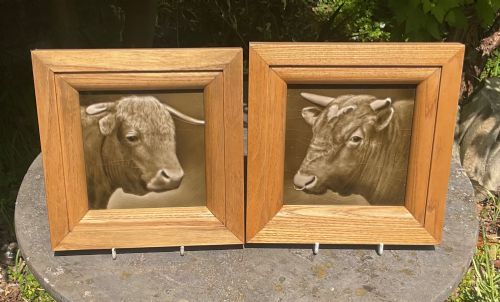
Artists also painted companion pieces representing contrasting times of day, such as sunrise and sunset, or complementary subjects like bulls and cows.
How do I know if the frames are original?
Original frames generally show the same degree of age-related wear, oxidisation, and shrinkage as the artwork or panel they enclose. Look for period framing techniques such as mitred corners joined with wooden splines and period backing boards.
Mismatched framing or modern replacement mouldings often indicate that two separate pictures were subsequently paired together by a later owner.
Where should I hang a wall art pair?
Pairs work best placed at eye level on a clear wall where both pieces can be viewed together without visual clutter from surrounding objects. Ensure adequate spacing between the two frames so they read as a cohesive unit rather than crowding each other.
Delicate watercolours and photographs require placement away from direct sunlight to prevent fading of the paper and pigments.
What subjects are most common in Edwardian pairs?
Landscapes, marine views, and animal studies dominate the visual record for this period, reflecting contemporary tastes in domestic decoration. Sporting scenes, hunting dogs, and floral watercolours also appear frequently across the listings.
Decorative plaques and tiles often feature moulded figures, birds, or agricultural animals suited for both indoor and outdoor placement.