


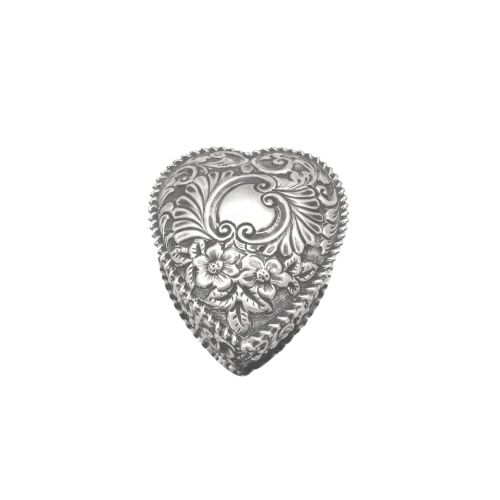


Edwardian Vanity Container
An edwardian vanity container holds dressing table essentials in sterling silver, cut glass, and tortoiseshell.
Edwardian Vanity Container
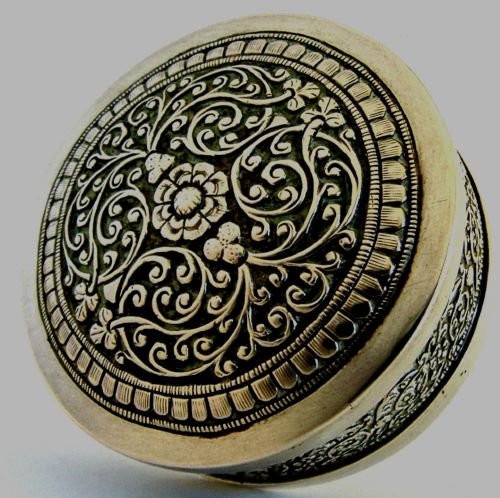
An edwardian vanity container spans small dressing table accessories including trinket boxes, pill boxes, vanity jars, stamp boxes, and scent bottles. These pieces served personal grooming and storage needs on dressing tables during the early twentieth century and late Victorian periods.
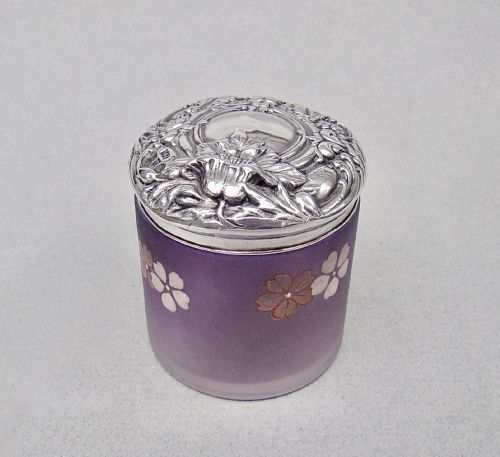
The selections here range from heart-shaped sterling silver pill boxes to large cut crystal vanity jars with silver lids. Makers utilised materials such as solid silver, mother of pearl, tortoiseshell, garnet, and frosted glass across Edwardian, Victorian, Art Deco, and George V styles.
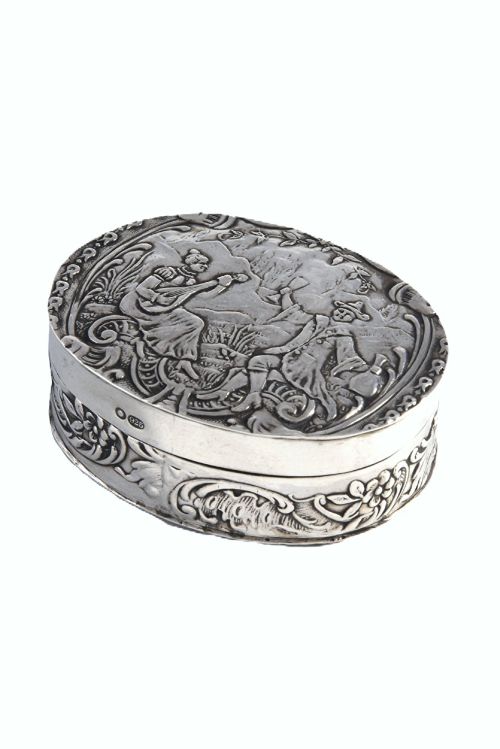
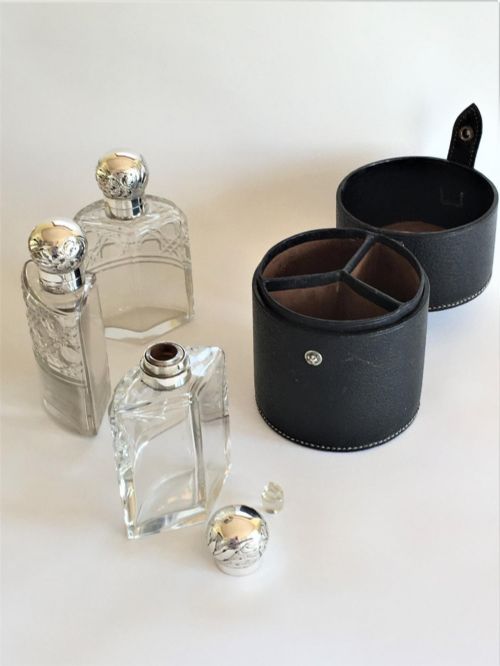
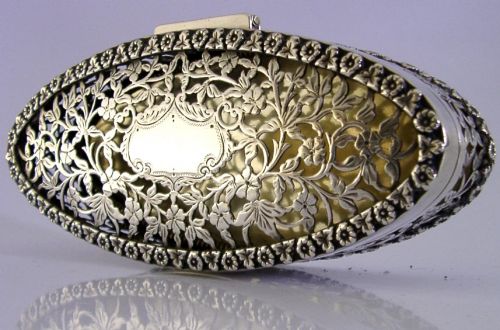
Buyers encounter diverse forms like coffin-shaped trinket boxes, oval potpourri boxes, and travelling cologne bottle trios. Origin points extend from English assay offices in Chester and Birmingham to German, Austrian, French, and Indian workshops.
Materials and Construction
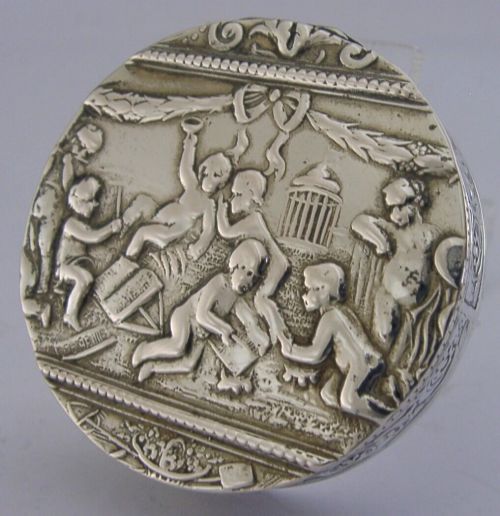
Craftsmen shaped sterling silver and solid silver through casting, piercing, and repoussé work to create figural cherub scenes, relief ornamentation, and pierced lattice walls. Silver mounts were then fitted to cut glass, cut crystal, amethyst glass, and ebonised wood bodies.
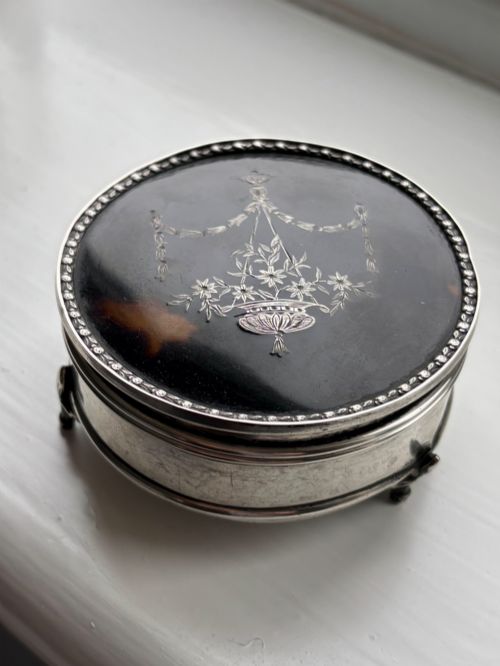
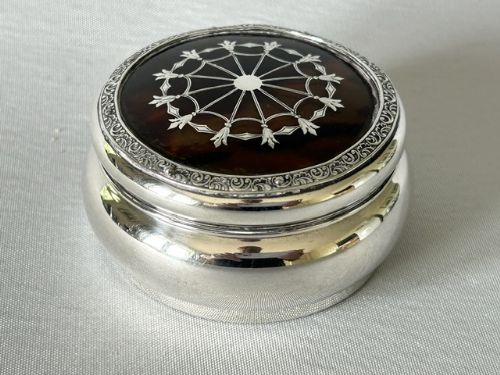
Organic materials like tortoiseshell, faux tortoiseshell, and mother of pearl were inlaid or applied using piqué work, often paired with guilloche enamel or ceramic elements. Assay office hallmarks stamped into the silver provide official records of city of origin and date.
Materials documented across the inventory include sterling silver, cut crystal, tortoiseshell, garnet, and Limoges ceramic.
Separating the Finest Examples
The distinction between standard containers and exceptional ones lies in the complexity of the form, such as heart or coffin shapes, and the inclusion of maker signatures from notable silversmiths.
Ollivant & Botsford·Asprey & Co.·Omar Ramsden
The Edwardian Vanity Container Glossary
- Sterling silver
- A silver alloy containing 92.5 percent pure silver and 7.5 percent other metals, typically copper. This standard composition was used for the majority of British dressing table boxes.
- Piqué work
- A decorative technique involving tiny points of gold or silver inlaid into tortoiseshell or ivory. It frequently appears on luxury trinket boxes.
- Guilloche enamel
- Decorative metalwork covered with translucent enamel over an engine-turned background. It provides patterned colour on pill boxes and vanity items.
- Assay office
- An official body that tests the purity of precious metals and stamps items with hallmarks. Marks from Chester and Birmingham appear frequently on these pieces.
- Repoussé
- A metalworking technique where the metal is hammered from the reverse side to form a raised design in relief. Cherub scenes and floral motifs were often rendered this way.
Edwardian Vanity Container: Frequently Asked Questions
What is an edwardian vanity container used for?
These containers held small personal items on dressing tables, including pins, rings, cosmetics, and pills.
They served both functional storage purposes and decorative roles in period bedrooms.
How do I identify an edwardian piece?
Look for hallmarks stamped into the silver mounts that correspond to early twentieth-century date letters and British assay office marks.
Stylistic cues also point to the era, including Art Nouveau curves and Edwardian floral motifs.
Are these containers made of solid silver?
Many examples utilise solid sterling silver for their lids and mounts, often combined with glass, crystal, or tortoiseshell bodies.
A few pieces are silver-plated rather than solid silver.
What materials besides silver appear on them?
Common secondary materials include cut glass, cut crystal, mother of pearl, and tortoiseshell.
Enamel, ceramics, and ebonised wood also feature in select designs.