



Antique French Powder Bowl
An antique French powder bowl brings a touch of dressing table elegance, holding face powder or trinkets in glass, porcelain, or enamel.
Antique French Powder Bowl
When you search for an antique French powder bowl, you encounter lidded receptacles and dressing table jars intended for boudoir use. The selections here span the nineteenth century through the Art Deco and Art Nouveau periods, showcasing the diverse output of French makers.
You meet porcelain vessels alongside moulded crystal and frosted glass examples. Many pieces double as trinket boxes or powder boxes, reflecting the dressing table habits of past decades.
The forms range from circular boxes topped with figurative elements to classic ceramic bowls bearing delicate glaze work. These items survive from periods such as nineteen thirty, nineteen ten, and the nineteenth century.
Materials and construction methods
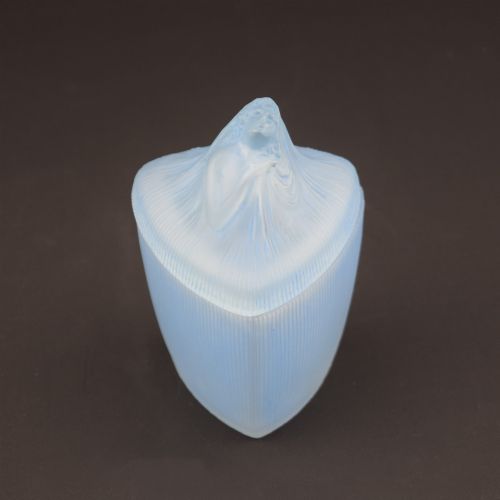
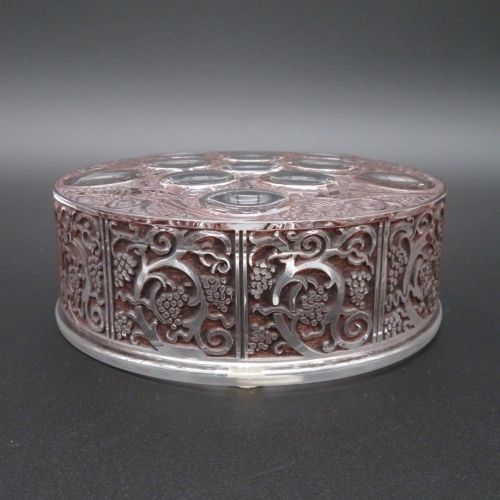
Maker techniques rely heavily on pressed and moulded glass, particularly the frosted and opalescent varieties seen in twentieth-century designs. Crystal and glass are shaped into circular boxes and jars with fitted lids.
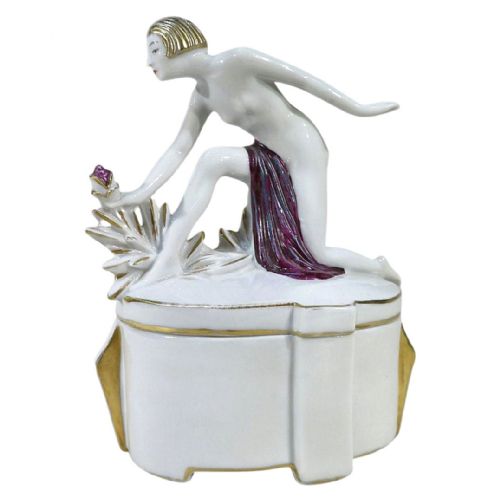
Ceramic and porcelain versions utilise traditional kiln-firing and glaze techniques, sometimes incorporating hand-painted details or moulded figures like half doll adornments. Enamelled glass and vermeil silver elements appear on select nineteenth-century and early twentieth-century pieces.
Metal components, including silver wash over other metals, provide structural covers for glass or ceramic bodies. Each material dictates the weight and tactile quality of the finished vessel.
Antique French Powder Bowl Retail Price Guide 2026
Typical asking prices for french powder bowl among the pieces listed under this phrase on Sellingantiques today, from the lower quarter to the upper quarter. They describe what is for sale here now, not the wider market.
Ceramic flapper girls and half dolls peer out from beneath powder box lids, guarding the scented dust of the jazz age.
Markers of quality
Quality rests in the crispness of the moulding, particularly on pressed crystal and glass pieces where sharp details define the decorative motifs. Finer ceramic examples show superior glaze consistency and precise hand-finishing on figurative elements.
The integrity of the materials themselves separates standard production from finer work, visible in the depth of opalescent glass or the weight of the vermeil silver. Maker attribution adds distinction to signed glass and porcelain works.
Rene Lalique·Limoges
The Antique French Powder Bowl Glossary
- Opalescent glass
- Glass that displays milky, milky-blue or fire-like colour effects as light shifts across its moulded surface. This optical quality was favoured by prominent twentieth-century French glassmakers.
- Vermeil
- Sterling silver plated with a layer of gold. It provides a rich, warm metallic finish often found on nineteenth-century and early twentieth-century lidded boxes.
- Half doll
- A ceramic torso without legs, commonly manufactured to sit atop the lids of powder boxes and tea cosies during the early twentieth century. These figures were dressed in fabric skirts that draped over the bowl.
- Bristol blue glass
- A distinct deep cobalt blue glass produced in England and exported or emulated internationally. Enamelled decoration is frequently applied to the exterior surface.
- Art Deco
- A design style of the nineteen twenties and nineteen thirties characterised by geometric shapes, stylised motifs, and streamlined forms. It marks many of the ceramic and glass powder boxes on this page.
Antique French Powder Bowl: Frequently Asked Questions
What are antique French powder bowls made of?
These pieces are constructed from materials such as porcelain, ceramic, crystal, and frosted or opalescent glass. Some examples incorporate enamel decoration or vermeil silver covers.
The choice of material often reflects the period of manufacture, with moulded glass dominating the nineteen thirties and ceramics spanning both the nineteenth and twentieth centuries.
How were powder bowls used originally?
Dressing table jars and powder boxes held loose face powder for application during daily toilet routines in the nineteenth and early twentieth centuries. Lidded bowls also served to contain small trinkets and pins.
They sat atop dressing tables and vanities as both functional items and decorative objects within the bedroom or boudoir.
How do I date an antique powder bowl?
Dating relies on stylistic indicators such as Art Deco geometric lines or Art Nouveau organic forms, alongside materials like opalescent glass. Maker signatures and backstamps provide further chronological markers.
Nineteenth-century examples often feature hand-painted enamel on coloured glass, while nineteen thirties pieces typically utilise pressed crystal or moulded ceramics.
How do I clean and care for antique glass and porcelain?
Wash glass and ceramic pieces gently in warm water with a mild soap, avoiding harsh scrubbing or abrasive brushes. Dry them thoroughly with a soft, lint-free cloth to protect surface finishes.
Take extra care with enamelled sections and metal covers, keeping moisture away from silvered or gilded surfaces.