




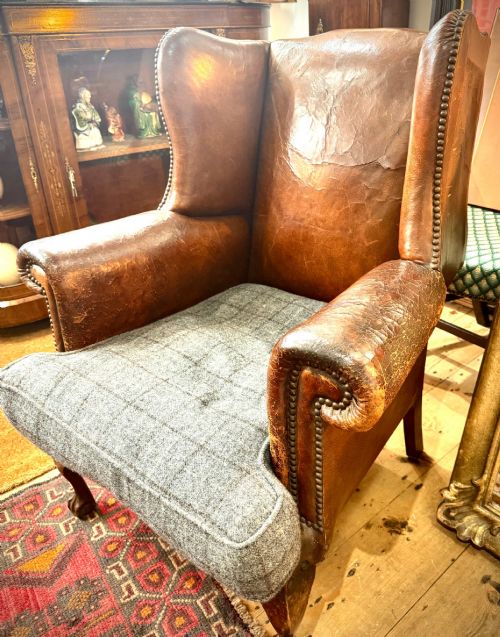

Edwardian Upholstered Wing Chair
These edwardian upholstered wing chair examples offer deep comfort and period presence, drawing on traditional seating forms updated for early twentieth-century living.
Edwardian Upholstered Wing Chair
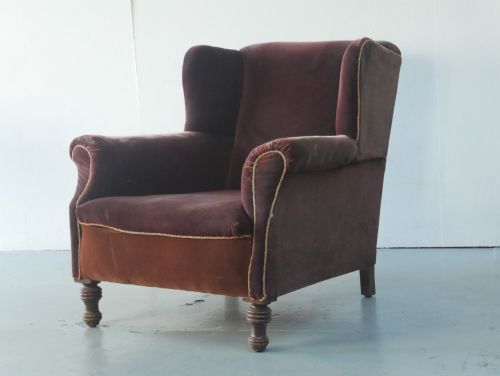
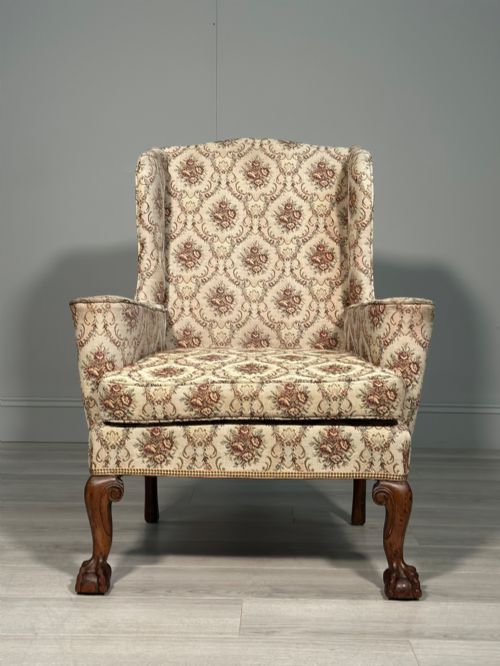
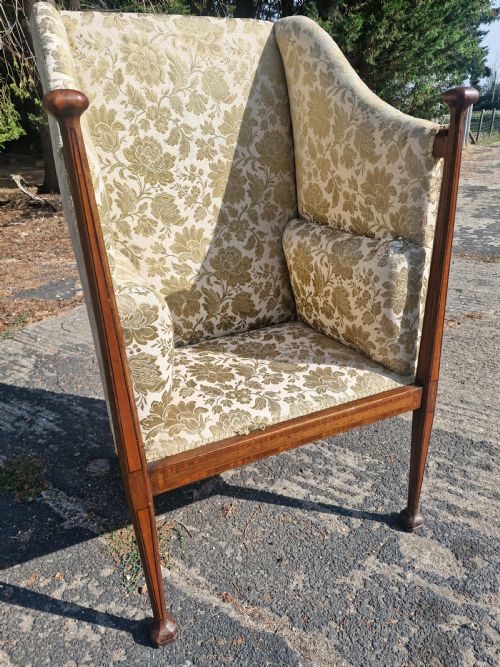
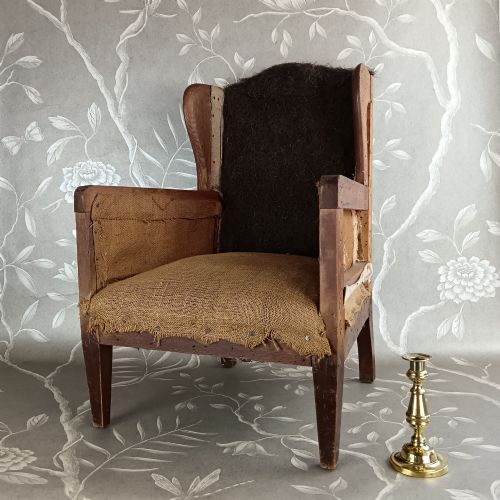
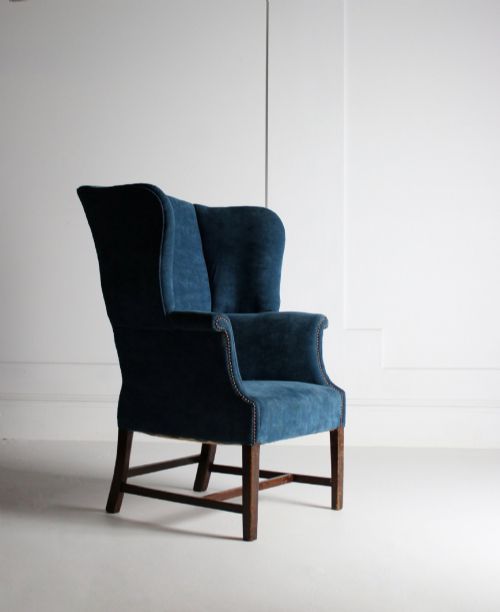
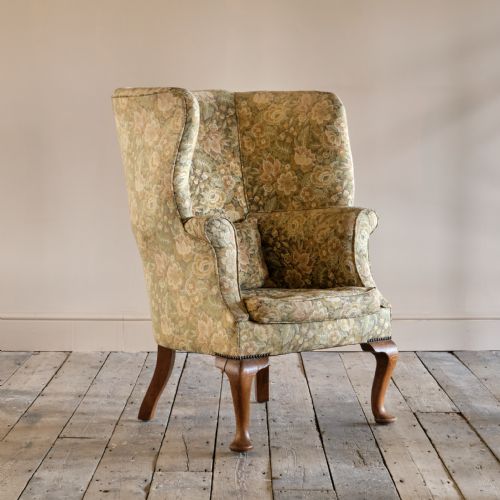
An edwardian upholstered wing chair combines high enclosing sides with sprung seats designed to shield occupants from draughts. The selection spans standard domestic proportions down to child's variants and library forms.
While Edwardian examples dominate, the offerings stretch back through Victorian and William IV periods. Revival influences appear strongly in Queen Anne and Chippendale idioms alongside vernacular country house styles.
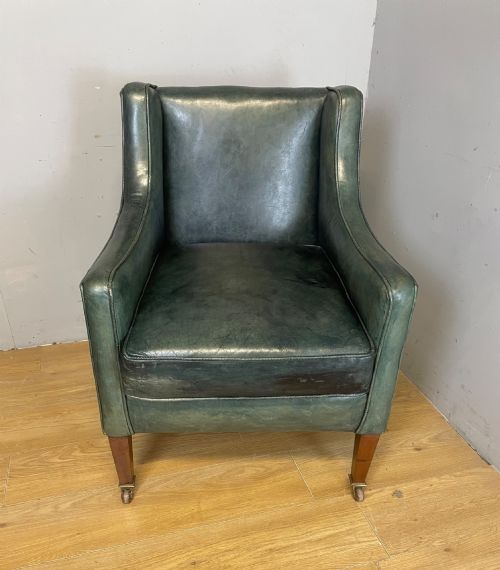
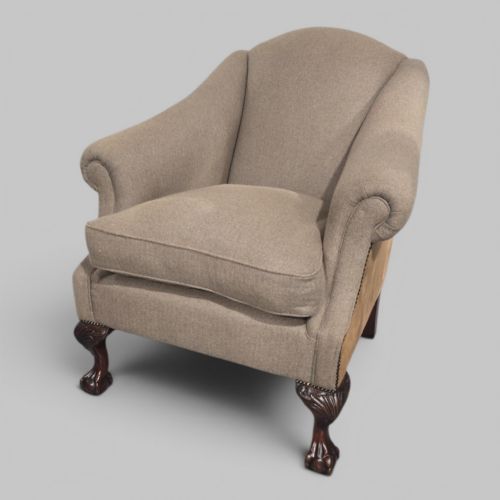
Seating formats range from conventional winged armchairs to barrel backs, club chairs, and bergère variations. Timber frames support diverse coverings from green velvet and hide to standard fabric upholstery.
Materials and construction
Frames rely primarily on hardwood timbers such as mahogany, oak, and walnut, often shaped with tapered legs or inlaid details. Brass hardware and castors frequently finish the structural supports.
Upholstery techniques employ traditional stuffing beneath outer layers of velvet, leather, and woven fabric. Deep buttoning and subtle wooden inlay provide surface enrichment across the various workshop traditions.
Edwardian Upholstered Wing Chair Retail Price Guide 2026
Typical asking prices for edwardian upholstered wing chair among the pieces listed under this phrase on Sellingantiques today, from the lower quarter to the upper quarter. They describe what is for sale here now, not the wider market.
Evaluating craftsmanship
Quality rests upon the integrity of the underlying timber frame and the precision of the joinery. Finer examples display carefully selected mahogany or walnut and disciplined inlay work.
The sophistication of the upholstery execution, from sprung support systems to the neatness of the fabric or leather application, separates standard output from superior pieces.
Whytock and Reid·Howard and Sons·Sopwith
The Edwardian Upholstered Wing Chair Glossary
- Wing back
- An upholstered armchair design featuring projecting sides attached to the arms to deflect draughts. This characteristic silhouette defines the core of this seating category.
- Bergère
- An enclosed upholstered armchair with exposed wooden framing and woven cane panels. It brings a lighter aesthetic to traditional seating forms.
- Barrel back
- A semicircular chair design where the back and arms form a continuous curved enclosure. This configuration provides a particularly enveloping seat.
- Inlaid
- A decorative technique where contrasting woods or materials are set flush into the primary timber surface. It appears frequently on Edwardian mahogany frames.
- Library chair
- A heavy upholstered seating form traditionally placed in reading rooms for sustained comfort. Examples often utilise leather or heavy fabric coverings.
Edwardian Upholstered Wing Chair: Frequently Asked Questions
How do I identify an Edwardian wing chair?
Look for lighter framing proportions, tapered mahogany legs, and often subtle inlay work distinguishing them from heavier Victorian precedents.
Upholstery styles and underlying timber choices further help anchor pieces within the early twentieth-century window.
Are these chairs suitable for daily use?
Most examples are built around robust hardwood frames with traditional sprung interiors intended for practical seating. Many pieces have undergone reupholstery to ensure modern durability.
Checking the condition of internal webbing and stuffing helps determine suitability for everyday relaxation in a modern interior.
What is the difference between club and wing chairs?
Club chairs offer low, deep seating typically finished in leather without the high protecting side panels of a traditional wing design. Wing chairs prioritise draught exclusion through their prominent upholstered cheeks.
Both forms appear across the late nineteenth and early twentieth centuries with distinct functional silhouettes.
How should I care for leather upholstery?
Maintain leather finishes by keeping them away from direct heat sources and applying suitable conditioning balms periodically. This prevents the hide from drying out and preserves the natural surface sheen.
Gentle dusting with a soft cloth protects the material from abrasive particles over time.