
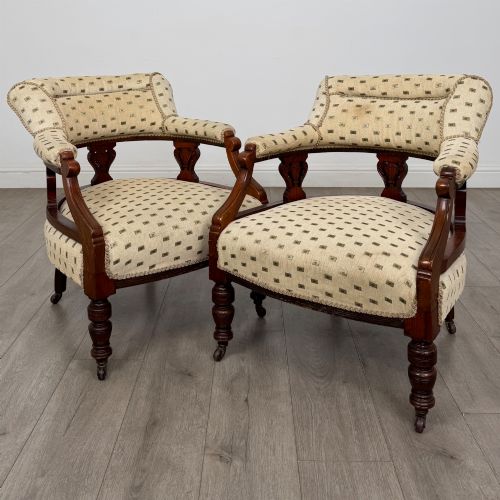
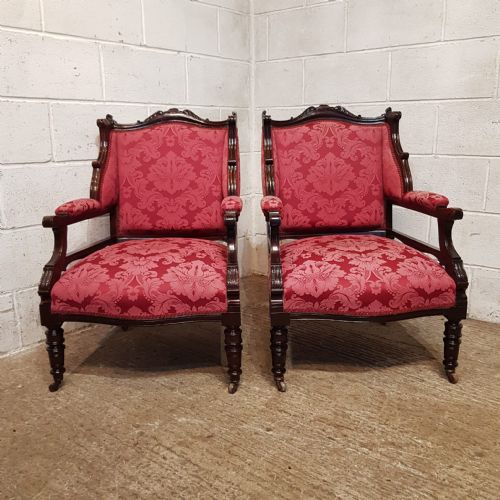
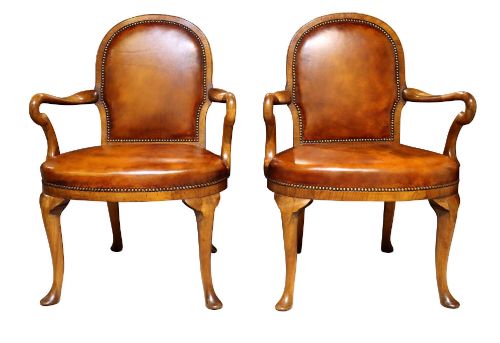
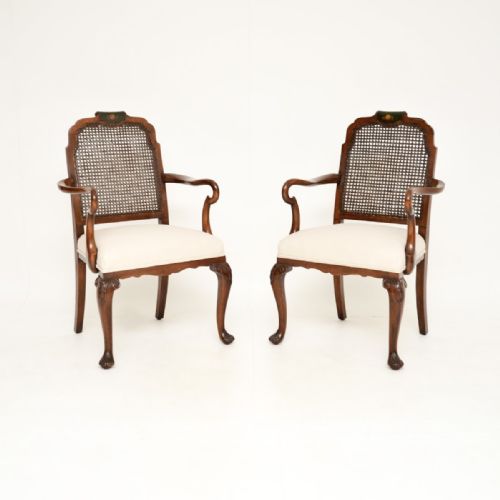


Edwardian Upholstered Armchair Pair
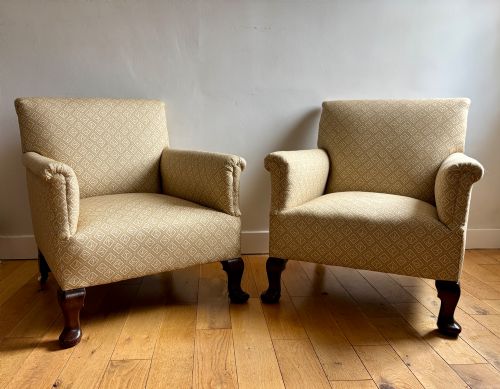
When searching for an edwardian upholstered armchair pair, collectors discover matching seating designed for drawing rooms, salons, and country house interiors.
Edwardian Upholstered Armchair Pair
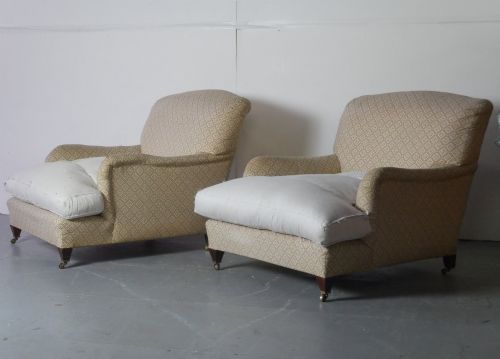
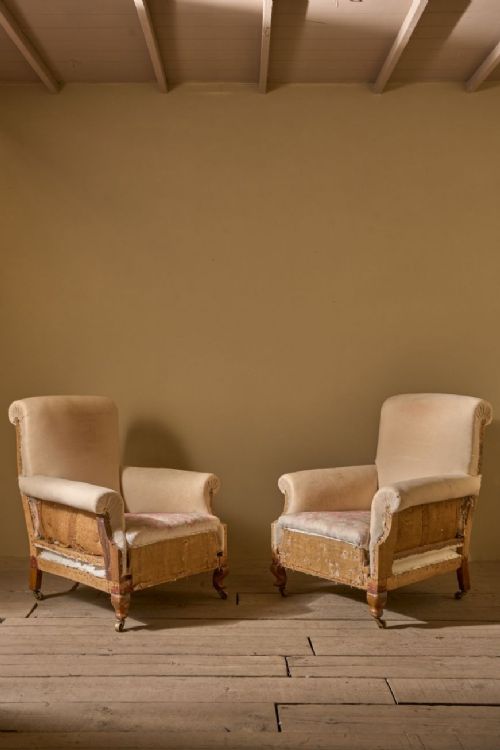
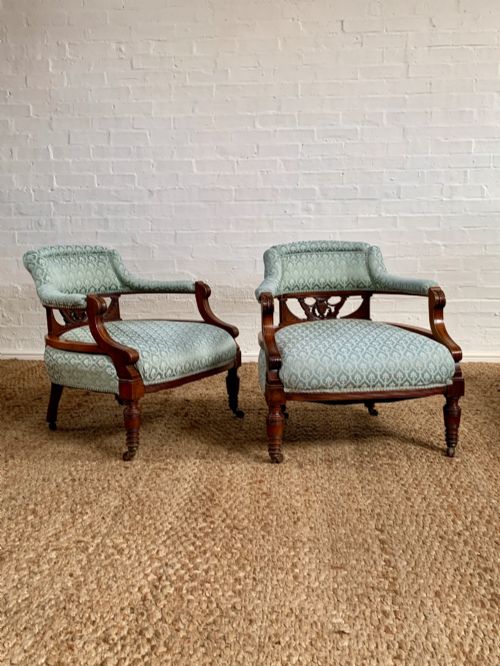
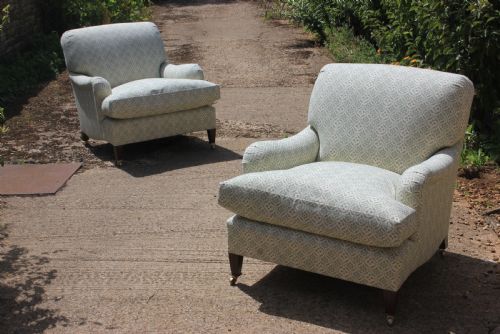
When searching for an edwardian upholstered armchair pair, buyers encounter matched seats designed for drawing rooms, salons, and country house interiors. The selections span compact tub chairs and deep-seated club chairs created around the turn of the twentieth century.
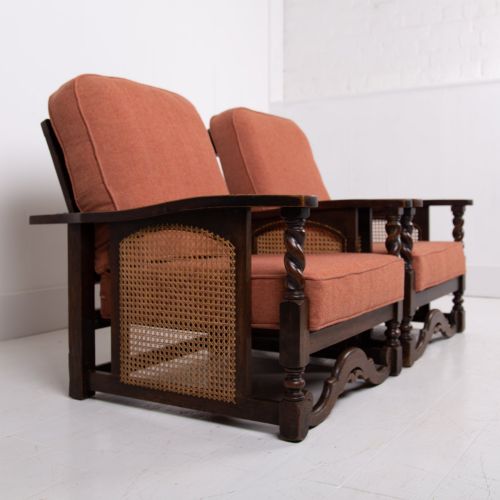
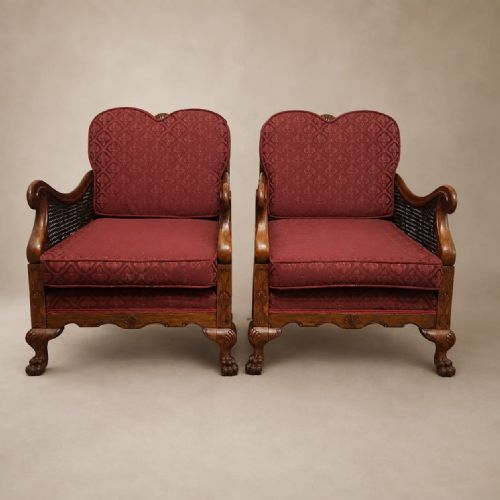
The most common examples on this page are mahogany or walnut framed chairs featuring period upholstery fabrics, velvet, leather, or cane panels. Makers combined structural timber frames with sprung seats to provide formal and fireside comfort.
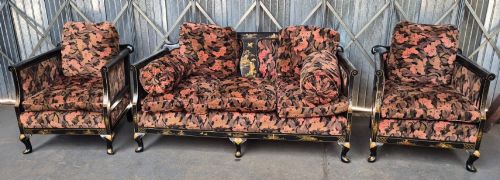
Beyond standard parlour seating, the listings include specialised forms such as wingbacks, slipper chairs, and low salon suites. These matched pairs reflect the domestic seating arrangements of the era, offering symmetrical comfort for sitting rooms.
How they were made
Cabinetmakers utilised solid timbers including mahogany, walnut, and oak to construct the supportive frames of these chairs. Woodworkers shaped structural components using traditional joinery, often incorporating inlaid veneers, carved details, or lacquer finishes.
Upholsterers built up the seating using internal springs, webbing, and stuffing before securing the outer cover with brass tacks or piping. High-grade examples utilised durable leather, woven fabrics, or buttoned velvet over cane panels where specified by the design.
The inventory records diverse stylistic influences including Art Nouveau, Arts and Crafts, Chinoiserie, and French Revival alongside traditional English country house designs.
What varies in quality
Quality rests upon the integrity of the timber frame and the precision of the cabinetwork. Finer examples display crisp carving, select veneers, and robust structural joinery that withstands decades of daily use.
The standard of upholstery work and materials dictates the overall desirability of a pair. Superior pieces retain original maker stamps, harmonious fabric choices, and correctly tensioned internal springing that maintains the intended profile.
Whytock and Reid·Howard and Sons·Shapland and Petter·Harrods London
The Edwardian Upholstered Armchair Pair Glossary
- Tub chair
- A compact armchair with a rounded, curved back that encloses the sitter. These seats often feature exposed mahogany or walnut show wood frames.
- Bergère
- An enclosed armchair with cane webbing panels set into the wooden frame. This French-inspired form gained popularity in British drawing rooms.
- Show wood
- The exposed timber portions of an upholstered chair frame that display the grain, carving, or inlay. Cabinetmakers polished these areas to complement the surrounding furniture.
- Slipper chair
- A low-seated upholstered chair originally designed for bedrooms to assist with dressing. These pieces feature short legs and deep cushioning.
- Marquetry
- Decorative woodwork formed by fitting contrasting veneer slices into a patterned surface. Artisans utilised floral and geometric motifs on salon furniture.
Edwardian Upholstered Armchair Pair: Frequently Asked Questions
How do I identify genuine Edwardian pairs?
Examine the timber species, construction methods, and upholstery styling to confirm period manufacture. Genuine examples often display light mahogany or walnut frames with appropriate turn of the century joinery.
Look for maker stamps on the webbing or wooden frame edges. Matching proportions and identical wear patterns help verify that two individual chairs formed an original pair.
Where were these armchairs placed originally?
These seats found homes in formal drawing rooms, libraries, and bedroom suites of large country houses and town residences. Matched pairs allowed symmetrical seating arrangements around fireplaces or central tables.
Smaller tub and salon variants suited intimate conversation areas. Larger club and wingback versions provided heavier comfort in smoking rooms and studies.
Are these chairs suitable for daily use?
Solid hardwood frames and traditional sprung interiors provide sturdy support for regular sitting. Many pairs retain robust construction that easily accommodates modern living requirements.
Buyers should assess the internal webbing and padding condition before heavy daily use. Professional reupholstery preserves the antique frame while ensuring modern comfort standards.
What styles influenced Edwardian seating?
Cabinetmakers drew inspiration from earlier Sheraton, Hepplewhite, and French Régence designs, adapting them for twentieth-century homes. Arts and Crafts principles also encouraged simpler, honest woodwork and exposed frames.
Chinoiserie motifs and satinwood finishes appeared in more elaborate salon suites. This eclectic mix reflected the sophisticated tastes of Edwardian interior decorators.