



Antique Parlour Seating Set
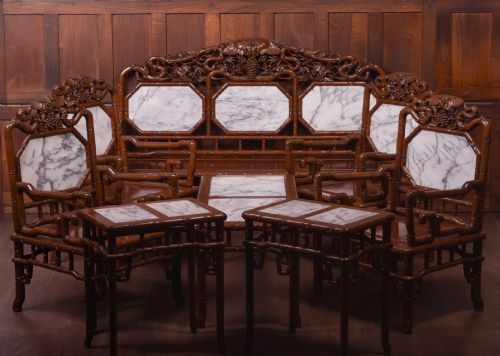
An antique parlour seating set brings together matched chairs and settees designed to furnish formal nineteenth and early twentieth century reception rooms.
Antique Parlour Seating Set
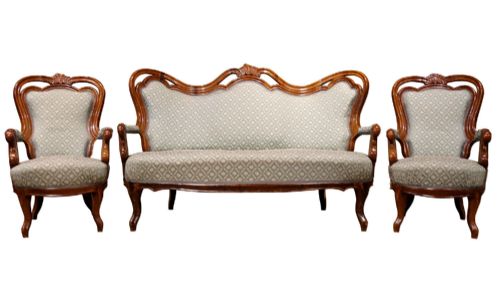
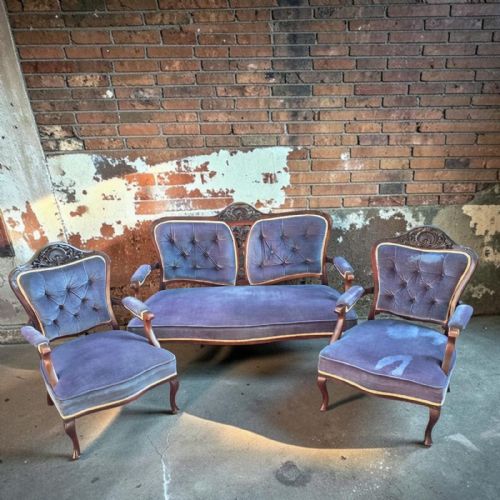
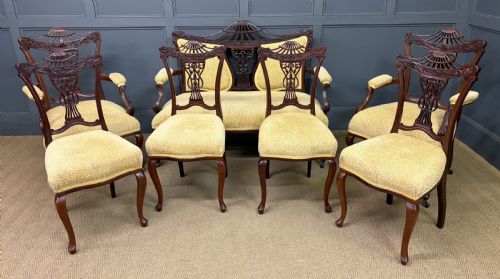
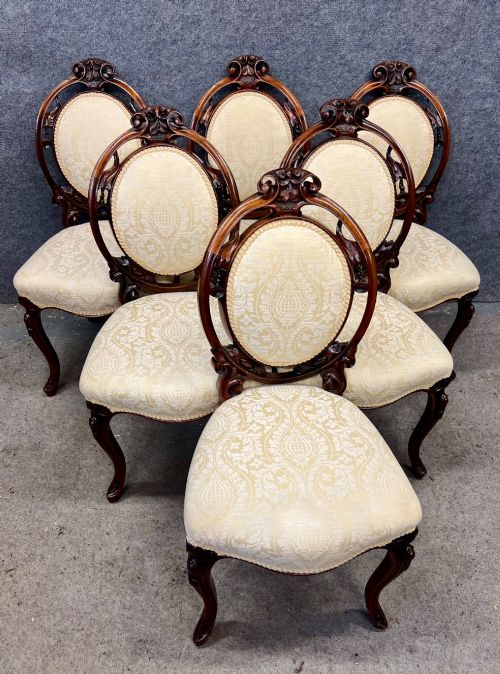
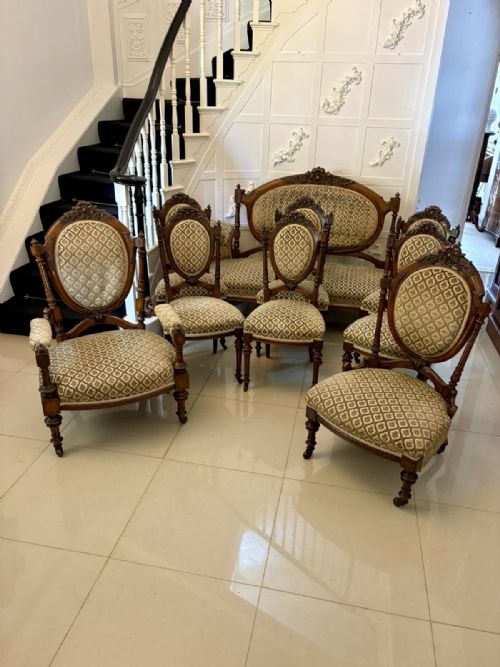
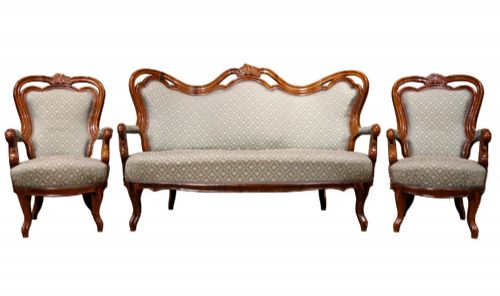
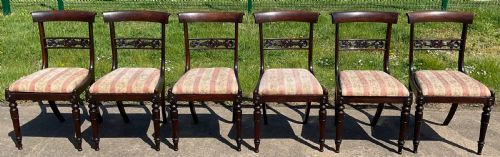
When you search for an antique parlour seating set, you encounter matching suites of furniture intended for the reception rooms of nineteenth and early twentieth century homes. These groupings typically comprise multi-piece salon suites featuring settee and armchair combinations, alongside larger sets of dining or parlour chairs designed in matching aesthetic styles.
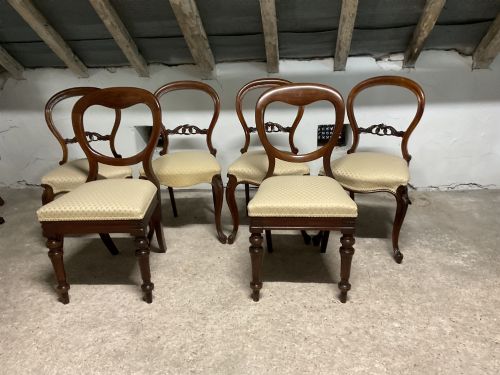
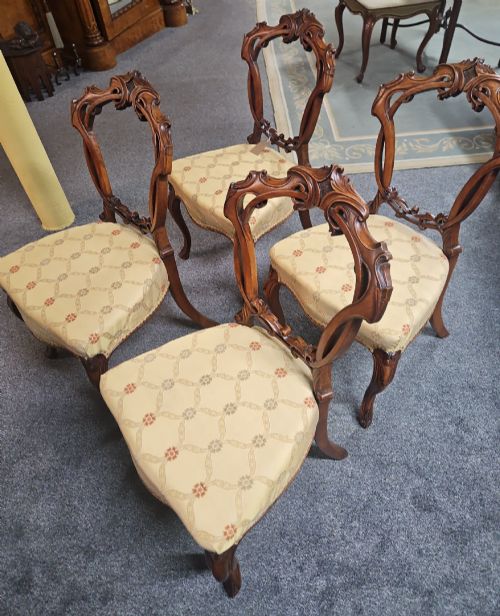
The selections span distinct historical periods from the Regency era through to the Edwardian period, encompassing Victorian walnut balloon back designs and substantial multi-piece groupings. Makers and manufacturers of the time produced these suites in varying piece counts, ranging from intimate three-piece arrangements to large salon suites containing up to nine or twelve matched chairs.
Materials and construction
The timber framework of these seating sets relies heavily on dense hardwoods such as mahogany, walnut, and rosewood, alongside occasional uses of oak, birch, and exotic hardwoods. Cabinet makers shaped these materials using traditional joinery and carving techniques, often incorporating balloon backs, applied marquetry, and inlaid details.
Upholstery forms an integral part of the construction, utilising fabrics like velvet, needlepoint, and traditional upholstery materials to finish seats and backrests. Brass fittings and specialised bentwood methods also appear in specific continental and period examples.
Listings feature seating sets constructed from mahogany, walnut, rosewood, and oak across Victorian, Edwardian, and Regency periods.
Distinctions in quality
The caliber of an antique parlour seating set rests upon the depth and precision of its hand-carved ornamentation and the selection of figured timber veneers. Suites designated as exhibition quality display superior sculptural detail and cohesive grain matching across every chair and settee in the grouping.
Cohesion within the suite dictates distinction, ensuring that individual chairs and accompanying settees share identical proportions, wood turning, and upholstery schemes. The integrity of the original timber frame and the refinement of stylistic flourishes such as balloon backs or inlaid marquetry separate standard production pieces from finer examples.
The Antique Parlour Seating Set Glossary
- Balloon back
- A rounded, oval-shaped chair back resembling the profile of a balloon, popular during the Victorian period. This design configuration provides ergonomic support while allowing cabinet makers to display figured walnut or mahogany grain.
- Salon suite
- A coordinated collection of parlour seating comprising a settee and matching armchairs or salon chairs. These suites furnished formal reception spaces in nineteenth century houses.
- Marquetry
- Decorative veneer work formed by fitting together small pieces of different woods, metals, or other materials to create pictorial or geometric designs on furniture surfaces. It appears frequently on Edwardian salon chairs.
- Bentwood
- A technique of steaming wood to make it pliable so it can be bent into curved structural forms. This process is characteristic of specialised continental manufacturing traditions.
- Needlepoint
- Hand-stitched canvas embroidery utilising wool or silk yarn to cover chair seats and backrests. Eighteenth and nineteenth century needlework introduces colourful geometric or floral motifs to parlour seating.
Antique Parlour Seating Set: Frequently Asked Questions
What pieces comprise a parlour suite?
An antique parlour seating set typically includes a combination of settees, armchairs, and matching single chairs designed for formal reception rooms.
Larger groupings can expand to include up to twelve matching chairs alongside a central settee or salon sofa.
How do I date a salon suite?
Dating relies on identifying stylistic characteristics, timber choices, and construction methods associated with specific periods like the Regency, Victorian, or Edwardian eras.
Details such as balloon back frames, applied marquetry, and specific hardwood selections help narrow the manufacturing timeframe.
Where were these seating sets used?
These furniture suites furnished the formal parlours, drawing rooms, and reception spaces of nineteenth and early twentieth century homes.
They provided coordinated seating for entertaining guests and hosting social gatherings within the household.
How do I care for antique upholstery?
Preserving upholstered elements involves protecting delicate fabrics like velvet and needlepoint from direct sunlight and regular gentle cleaning.
Maintaining stable room humidity prevents the underlying timber frames and traditional stuffing materials from deteriorating.